
Sisi for climate change deal, but demands Western funding
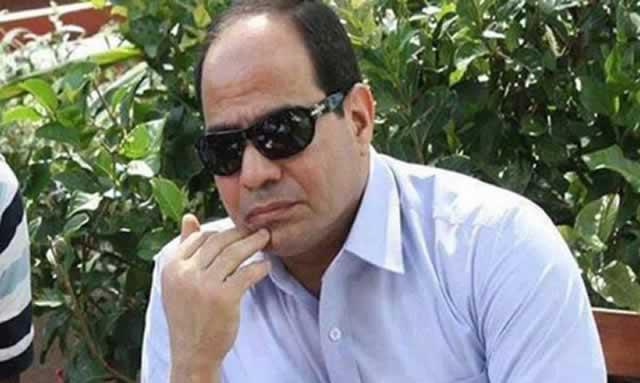
President Abdel Fattah al-Sisi said he supports a binding climate change deal in a Monday afternoon speech at the UN Climate Change Conference in Paris, but argued wealthy countries must provide financial and technical support for the developing world to do so.
Sisi was specifically in favor of a legally binding agreement to keep global temperatures from rising more than 1.5 degrees above pre-industrial levels. This threshold, which has been endorsed by both vulnerable countries and environmental experts, is lower than the target of 2 degrees reached at previous global summits including the 2009 Copenhagen Accord.
However, any such agreement must include “clearly defined commitments” from wealthy countries to provide developing countries with financing, capacity building and technology to support sustainable development, Sisi said.
The president emphasized Egypt’s “constructive role” in climate change negotiations, and said the country has a responsibility to represent “African interests and legitimate rights.”
“Our position is based on the necessity that any new international agreement should not harm the African countries’ rights to development or impede its efforts to eradicate poverty. Africa contributes the least to harmful emissions, yet is the continent most affected by the repercussions of climate change,” he said.
“Africa needs between US$7-15 billion annually until 2020 for adaptation, and needs between $50-100 billion annually until 2050,” Sisi continued, citing a United Nations Environment Program (UNEP) study.
A 2014 report by the UNEP suggested Africa’s climate change adaptation costs could reach $30 billion by 2040 and $50 billion by 2050 if global temperature change is kept below 2 degrees. If climate change accelerates to a 4-degree rise, the UNEP calculated that Africa’s costs could reach $45 billion by 2040 and $95 billion by 2050.
But the African continent can only provide $3 billion per year, Sisi said, meaning that there is already an annual financing gap of $12 billion.
“If the agreement doesn’t effectively and transparently reflect the financing issues, it will be born weak and will prove to be unsustainable,” he argued. “It is imperative that the agreement reflects a commitment to provide $100 billion annually to the developing countries by 2020, to be doubled beyond 2020.”
Monday’s speech echoes previous statements by Egyptian officials, including Sisi’s talk at the United Nations Climate Summit in 2014, where he emphasized the need for wealthy countries to support energy projects in the Arab world.
“It’s a continuation of their previous policies and previous position,” environment activist Ahmed al-Droubi told Mada Masr.
It is fair for the countries that have contributed the most to climate change to shoulder much of the burden to mitigate it, Doubri agreed. However, that does not excuse countries like Egypt from making their own efforts to reduce environmental impact, he cautioned.
“A country like Egypt needs to plan sustainably, taking into account our commitments to climate change and to future generations,” Droubi said. “We must plan accordingly, and get the support of the West.”
And such support must be earmarked specifically for renewable energy projects, Droubi argued.
“That’s what the support should be for — for us to develop without fossil fuels,” he said. “We must get the aid, but it must be conditional.”

أخبار ذات صلة
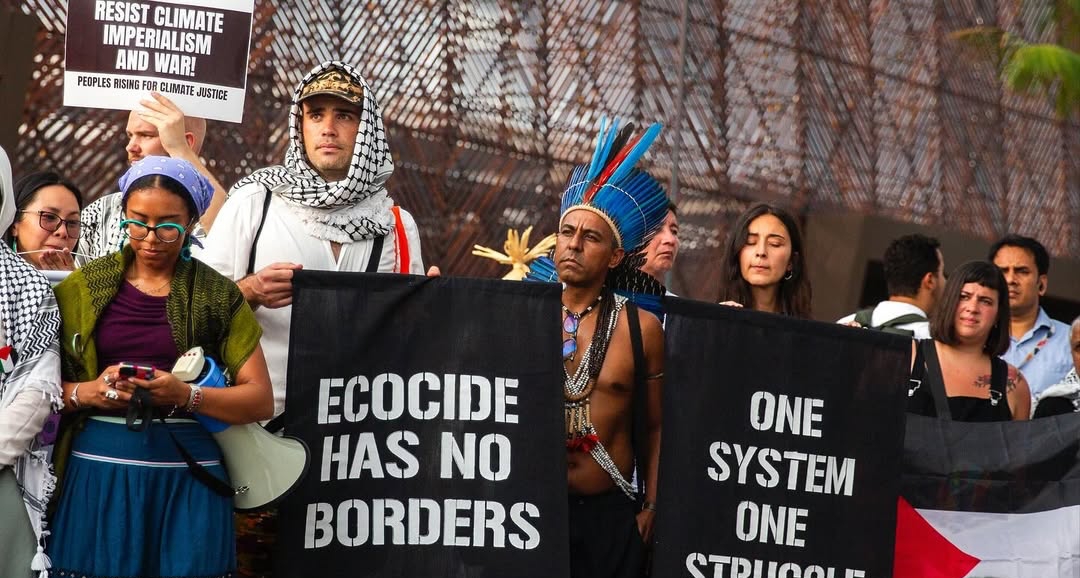
Climate goals flounder in headwind from militarization, competition, AI
COP30 kicked off in Belem, Brazil earlier this week. Delegates from 200 countries are attending. The Climate Action Tracker report released on November 13 shows that the planet is on…
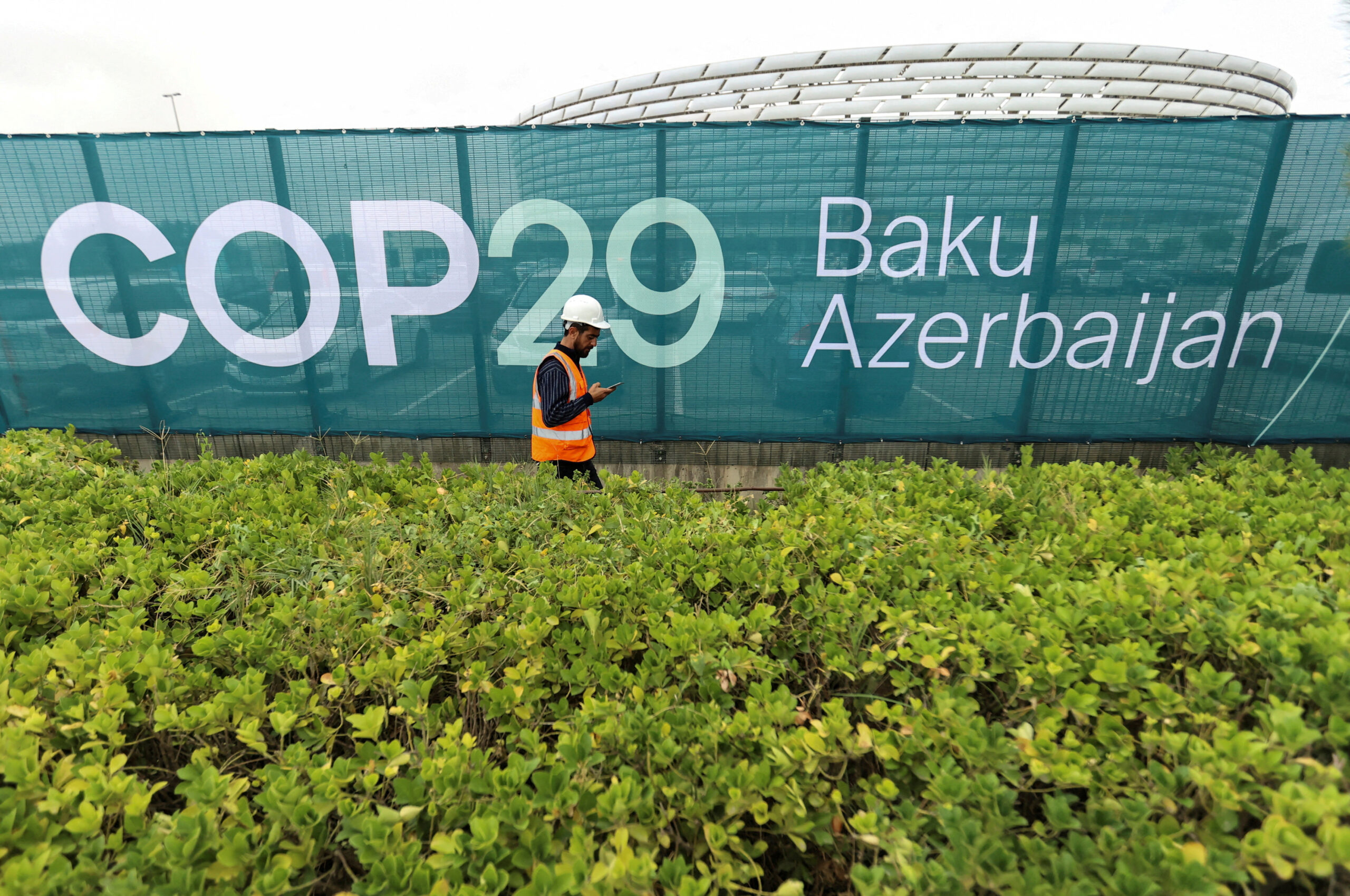
COP29 launches in Azerbaijan aiming to renew climate financing goal unmet for majority of past decade
Monday marked the start of the 29th Conference of the Parties (COP29) in Baku, Azerbaijan, where representatives from around the world are…
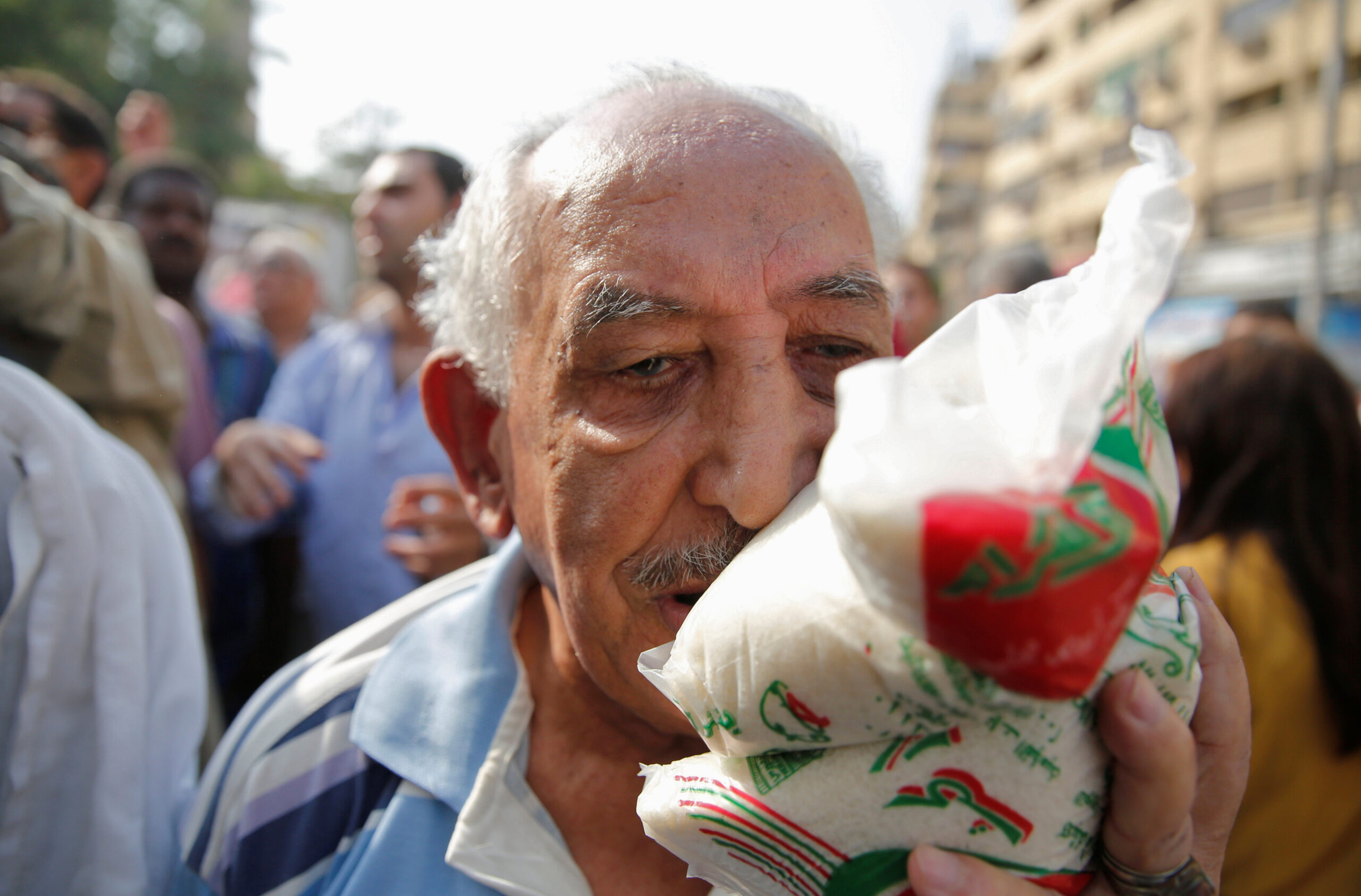
Unsweetened days: How the sugar crisis was stirred by government policy missteps
Another sugar crisis spells out longer queues and shortages as government rushes to address problem.
What can we expect from this year’s COP28?
Interview on COP28 with lead Egyptian climate financing negotiator Mohamed Nasr.
Your support is the only way to ensure independent, progressive journalism survives.
You have a right to access accurate information, be stimulated by innovative and nuanced reporting, and be moved by compelling storytelling. Subscribe now to become part of the growing community of members who help us maintain our editorial independence.
Join us