
Sisi announces €7.4 bn in EU financing for Egypt, asks EU leaders to push for Gaza ceasefire
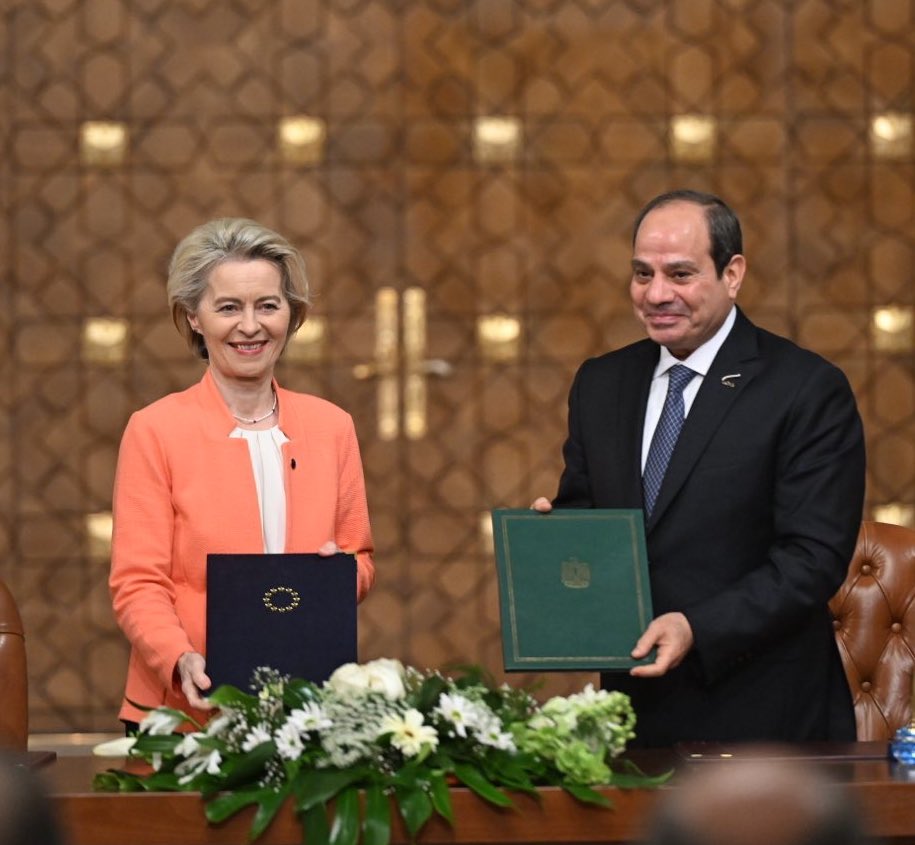
A delegation of European leaders headed by European Commission President Ursula von der Leyen announced in Cairo on Sunday a funding package of 7.4 billion euros for Egypt, tied in part to the management of migration.
On Sunday, the European Union announced the upgrade of its relationship with Egypt to that of “strategic partnership,” under an agreement it said was formulated between the two countries to address migration, energy and economic stability, among other issues.
The deal with Cairo follows negotiations which were accelerated at the start of the Israeli war on Gaza, amid news that Israeli plans include a proposal to displace Palestinians from the Gaza strip to Sinai.
Egypt has repeatedly rejected the prospect of mass displacement.
President Abdel Fattah al-Sisi told attendees of a Sunday evening press conference, held with von der Leyen, as well as the presidents of Cyprus, Greece, Austria and Italy, that the agreement represented a “leap” in Egypt’s relations with the EU and member states.
Sisi said the war in Gaza was a focal point of Sunday’s talks. He said that European leaders agreed with Egypt in rejecting Israel’s plans for a ground invasion of Rafah and reiterated Egypt’s rejection of mass displacement.
Israel has said it is planning an imminent operation to invade Rafah, where around 1.5 million Palestinians are currently taking shelter.
Sisi called on Sunday for an unconditional ceasefire and asked European leaders to make more efforts in this regard.
Speaking about the deal, he announced that “the process of upgrading relations between Egypt and the European Union has been accompanied by a financial package amounting to approximately 7.4 billion euros to support the Egyptian economy.”
According to EU officials quoted by the Financial Times, the 7.5 billion euros will come in the form of grants and loans until the end of 2027. About 1 billion euros will be delivered immediately as emergency financial assistance, while another 4 billion in macro-financial assistance will be tied to the implementation of Egypt’s recently expanded reform program with the IMF, and will require approval from EU member states. The remainder of the package will come from various EU funding streams.
The inflows from Europe, which Sisi described on Sunday as facilitated loans, investment financing guarantees and technical support, come as Egypt’s government concludes a number of financing agreements with other international actors.
A US$24 billion investment commitment by the UAE was concluded at the end of February, and an additional $5 billion was added to the existing loan program Egypt has with the International Monetary Fund the following week.
The agreements establish inflows which are expected to soothe a long-standing deficit imbalance that has mired the national economy in a years-long crisis.
Sisi also highlighted energy cooperation — particularly with regard to natural gas and green hydrogen — as key areas in the agreement and noted that steps would be taken to boost the “involvement of European companies in the Egyptian market.”
“The discussions [with European leaders on Sunday] addressed the importance of continuing to confront common challenges, most notably illegal immigration,” said the president.
The agreement is the latest in a series of EU deals with North African countries aimed at curbing irregular migration to Europe.
Rights groups from Egypt and Europe have flagged concerns about the new agreement, which has also happened with similar deals between the EU and Tunisia as well as the EU and Mauritania, both of which preceded Sunday’s deal with Egypt.
On Thursday, the Egyptian Initiative for Personal Rights (EIPR) and 20 other European and Egyptian civil society organizations urged the EU to prioritize human rights, social and environmental sustainability, and equity.
The signatories flagged concerns about Egypt's “appalling human rights record, including in areas such as border control and migration management,” as well as energy policies which have led to energy insecurity in Egypt, where power cuts still affect most homes daily amid a national supply deficit.
The letter urged von der Leyen and other top officials to include “clear benchmarks” for human rights reform in the upcoming partnership with Egypt, or else “EU financial support will risk subsidizing the same unsustainable policies of the Egyptian government that have undermined political and economic rights.”

أخبار ذات صلة
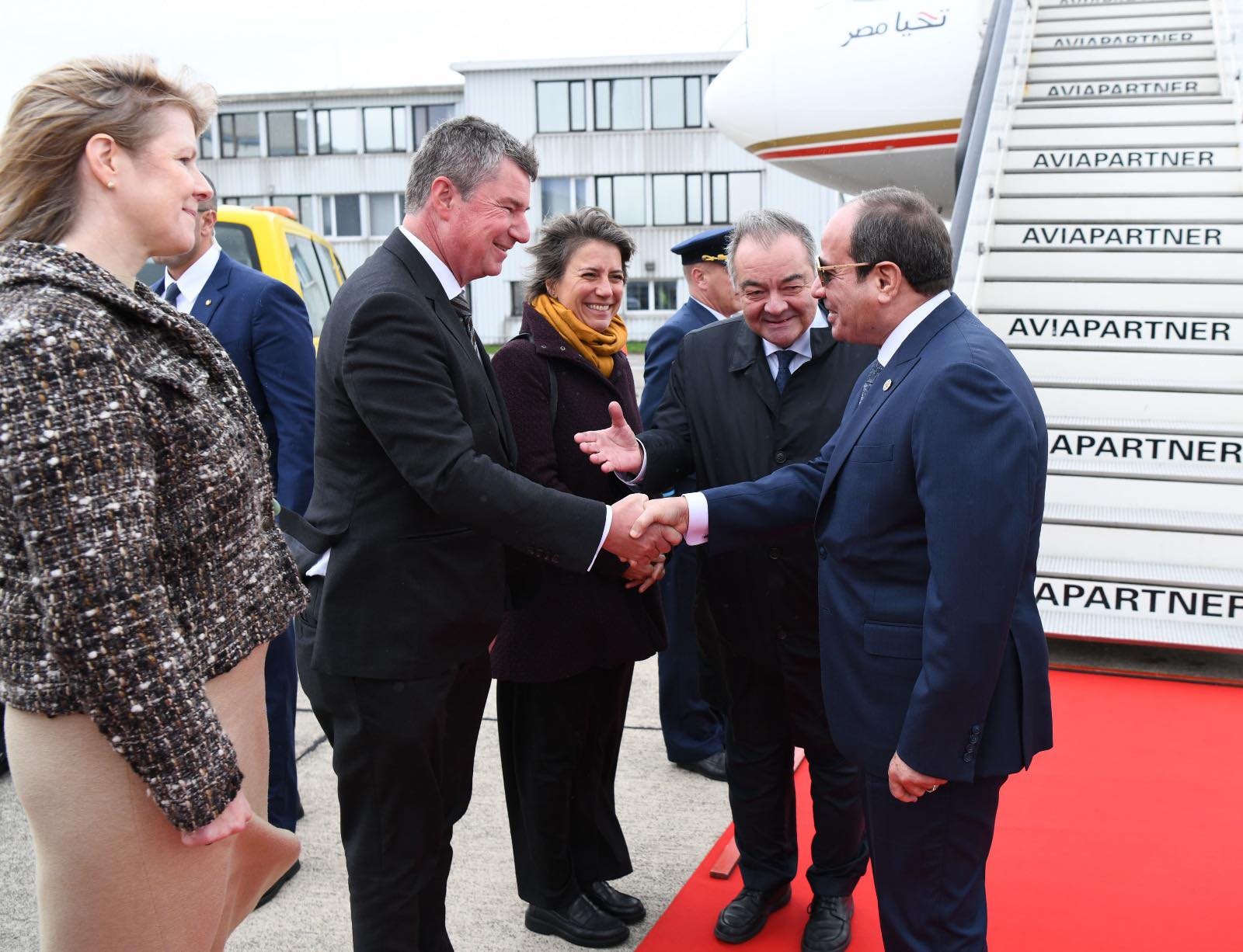
Europe hosts Sisi at ‘strategic partnership’ summit expected to pave way for disbursal of 4 billion euros
President Abdel Fattah al-Sisi landed in Brussels on Tuesday to attend the European and Egyptian leaders summit, an event where he is…
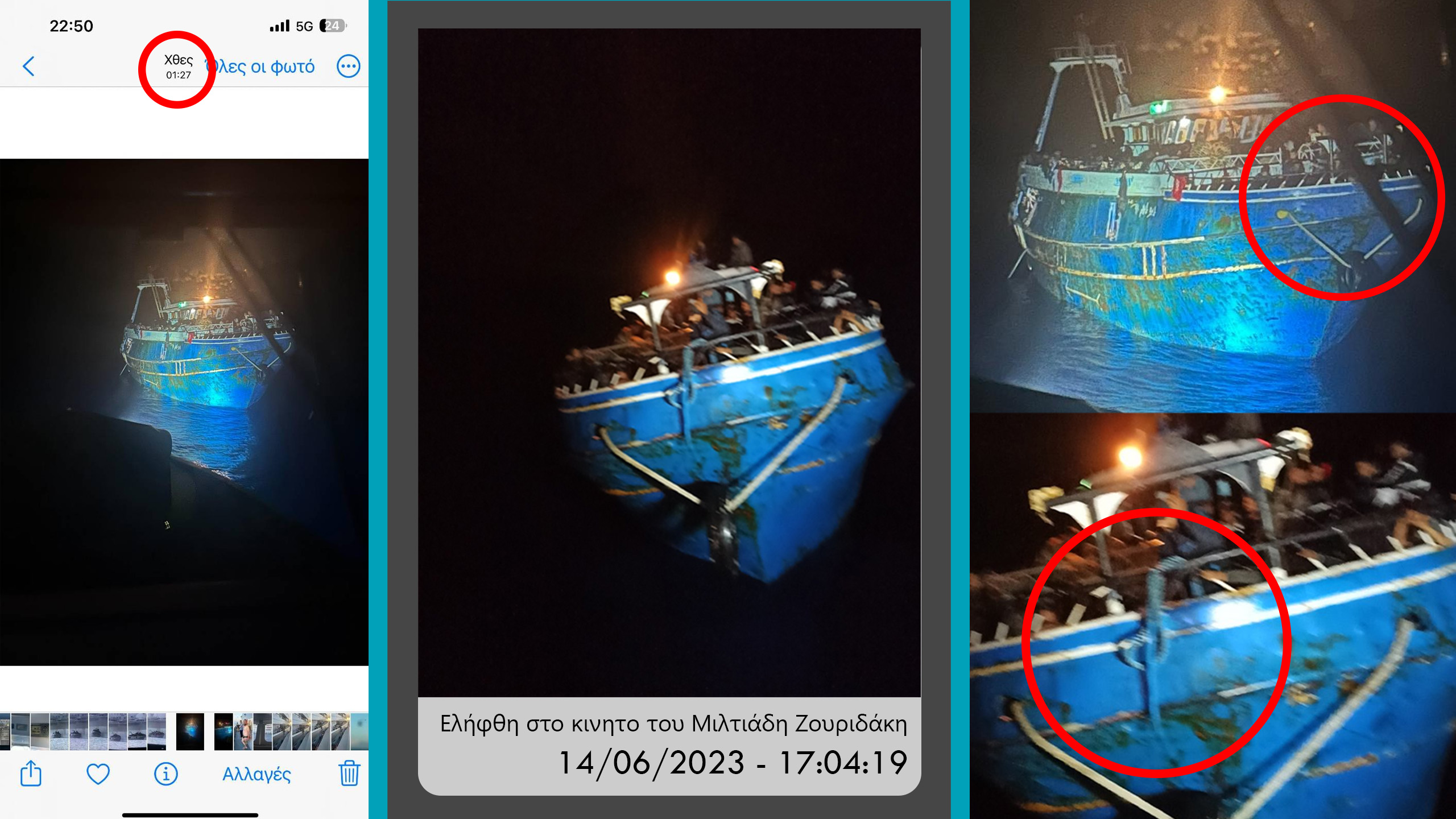
The Pylos shipwreck, the disappearing blue rope, and the trial ‘to determine the kind of world we want to live in’
A boat carrying hundreds of migrants, including 200 Egyptians, sank off the coast of Pylos in 2023

Greek coast guard officials face criminal investigation 2 years after deadly shipwreck
A naval court in Greece has referred 17 members of the country’s coast guard to criminal investigation for causing the deaths of…
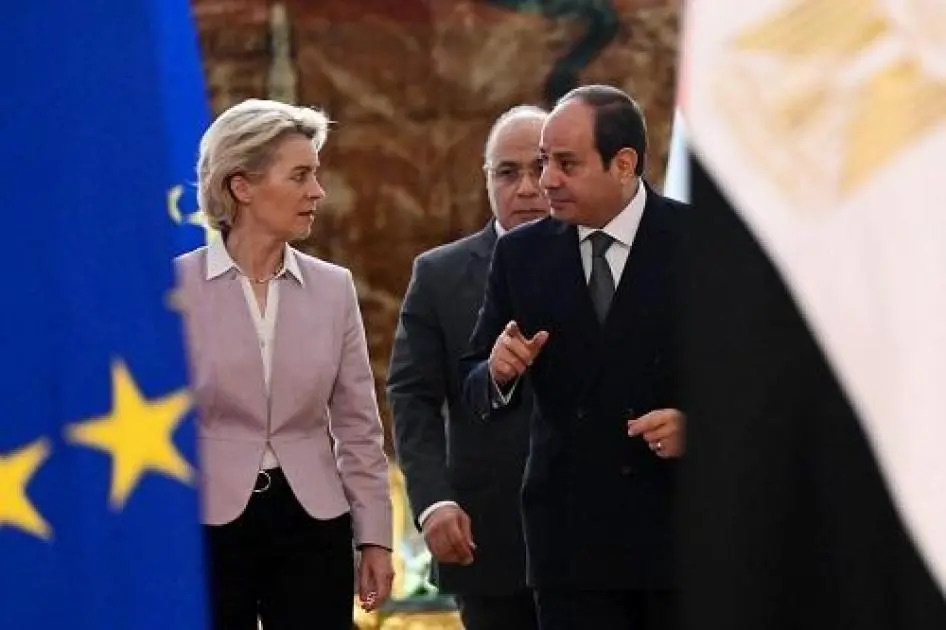
EU based 1 billion euro payout to Egypt on ‘credible steps’ regarding human rights, democracy
The European Commission said that it found Egypt took "concrete and credible steps" with regard to respecting effective democratic mechanisms, human rights…
Your support is the only way to ensure independent, progressive journalism survives.
You have a right to access accurate information, be stimulated by innovative and nuanced reporting, and be moved by compelling storytelling. Subscribe now to become part of the growing community of members who help us maintain our editorial independence.
Join us