
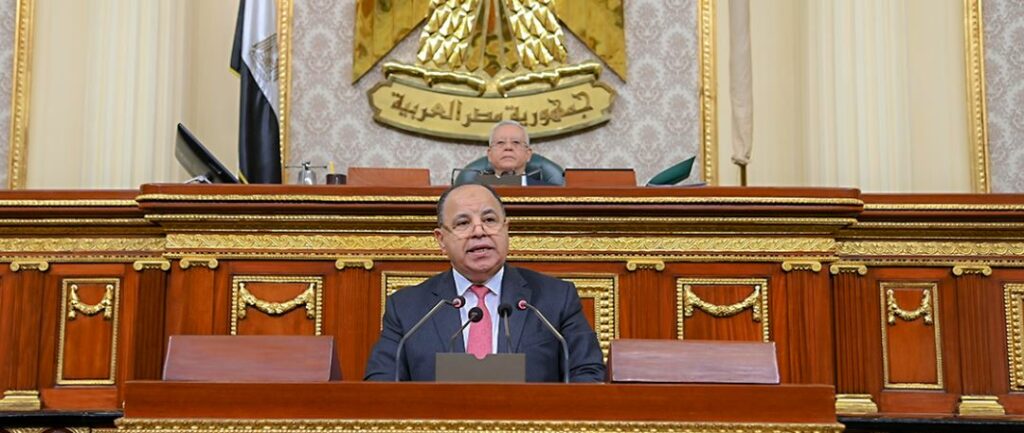
Thousands of extra-budgetary funds connected to various ministries, agencies and government-affiliated bodies will continue to remain outside of the government’s official purview despite a new unified public finance law that has been publicly touted as creating a new “general” budget to improve financial indicators.
The amendments to the budget law have been billed within a reform effort pushed for over several years by the government in tandem with its multiple loan agreements with the International Monetary Fund.
The more than 6,700 special funds — which by some estimates have held at least US$9.4 billion of state funds — have long been a target for reform to officially boost accounted-for state revenue. However, the issue has been thorny, as any effort for reform would undermine the discretionary control and power entailed for government officials in charge of vast sums of money.
A senior government official told Mada Masr that the amendments to the unified public finance law, which was approved in principle by the House of Representatives yesterday, will not alter the treatment of special funds, nor will the amendments dissolve them.
The official, who spoke to Mada Masr on condition of anonymity, said that the government has opted to preserve special funds in their current state. The fundamental reason for this, the official said, “is that they include a large number of workers employed on temporary contracts. Dissolving these funds would mean dismissing them from work or employing them on permanent contracts in administrative agencies directly covered by the budget, which is something the government does not want.”
"In many cases, the government cannot secure permanent contracts for these employees within budget-covered administrative entities, even if it desires to do so,” the official added. “This is due to the contractual regulations within government entities, which may not allow it based on age or educational qualifications’ misalignment with the positions they hold, given that the special funds are not bound by governmental hiring regulations," he explained.
Beyond the government’s rationale, the official also said that the “IMF did not mandate the termination of these funds as part of the new agreement,” referring to the staff-level agreement to raise Egypt’s 2022 US$3 billion with the fund to $8 billion.
Several years ago, Parliament passed a law mandating the transfer of varying portions of special funds' revenues to the state treasury.
In the official’s estimation, the reality brought about by this law is the best setup that can be achieved regarding special funds. Under the current situation, the official explained, the government “receives 15 percent of their revenues and has access to their financial records. In addition, these funds are subject to oversight by the government’s Central Auditing Organization and are governed by the unified public finance law, which, upon its initial enactment in 2022, prohibited the establishment of new special funds without specific legislation.”
"In return, the funds spend all their revenues according to their specific regulations, [excluding the percentage allocated to the government]. And the Finance Ministry only intervenes to establish regulations for some funds operating without guidelines,” the official said.
However, none of the oversight mechanisms outlined by the source are subject to the same public scrutiny entailed by inclusion in the public budget. And the law the official is referring to exempted the Defense Ministry, the National Security Agency and all their agencies from being subject to the articles that subject the accounts to the supervision of the Central Bank of Egypt and the Finance Ministry.
There is also a greater concern about whether the government is aware of all existing special funds. The Central Auditing Organization has previously commented on its inability to inventory all the accounts linked to special funds because some entities have accounts in commercial banks that regulatory bodies are unaware of.
The amendments currently under consideration in government include incorporating economic bodies into the general budget under a new concept known as the "government general budget," without merging these entities’ budgets into the general budget itself.
The government source said that "the integration of economic bodies into the government budget does not impact the special funds, as none of these funds were established within economic bodies. On the contrary, all economic bodies were established within government entities covered by the general budget, such as ministries."
أخبار ذات صلة
Trade-off: Madbuly’s big debt target and even bigger debt problem
A grand debt-swap proposal is gaining government and media traction
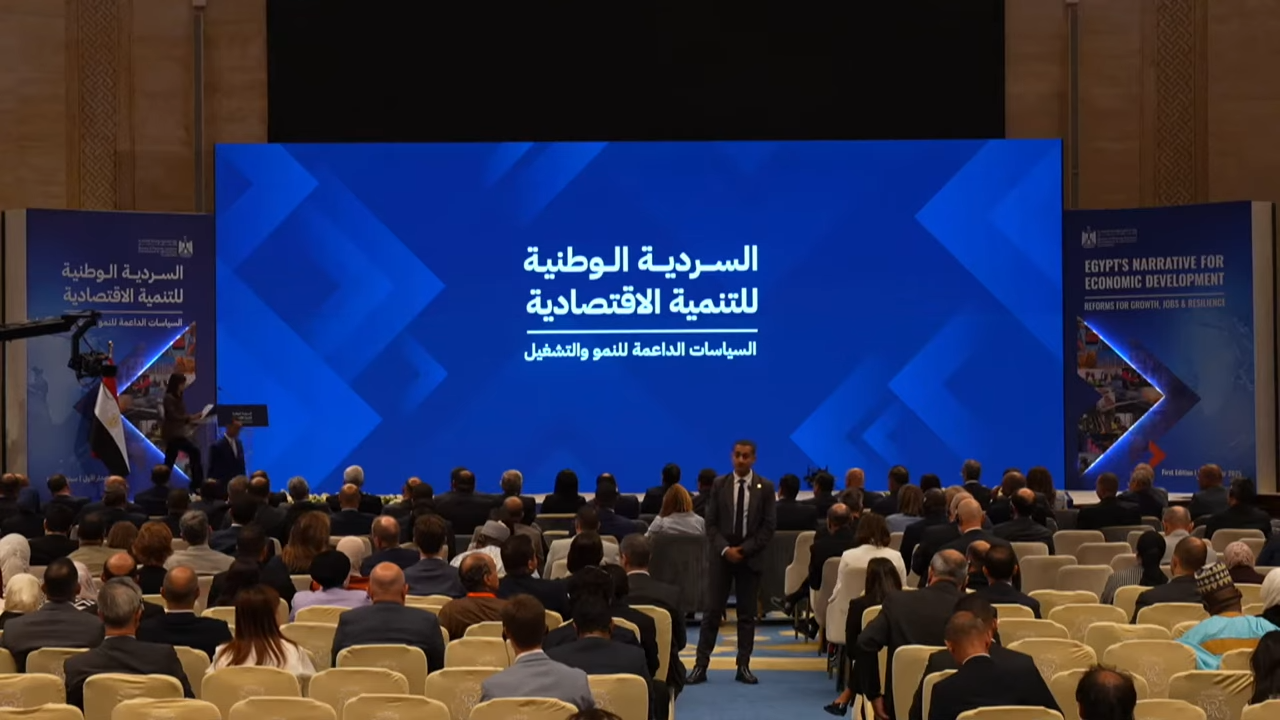
Govt’s ‘national economic narrative’ lays bare constitutional breaches in spending, signals continued limits to survey data
The Planning Ministry released on Sunday the National Narrative for Economic Development, a document first announced last week as the government’s program…

New fiscal year, new slices of the pie
With the new fiscal year underway as of July 1, the government has begun implementing the fiscal year 2025/26 state budget, approved…
State budget passes even as MPs malign steep debt service bill
The House of Representatives gave final approval on Tuesday on the state budget and economic and social development plan for fiscal year…
Your support is the only way to ensure independent, progressive journalism survives.
You have a right to access accurate information, be stimulated by innovative and nuanced reporting, and be moved by compelling storytelling. Subscribe now to become part of the growing community of members who help us maintain our editorial independence.
Join us