
State budget passes even as MPs malign steep debt service bill

The House of Representatives gave final approval on Tuesday on the state budget and economic and social development plan for fiscal year 2025/2026, along with the budgets of 63 public economic entities.
According to the Planning and Budget Committee’s report, cited by the state-owned Al-Ahram newspaper, 41 of these entities are projected to turn a profit under the new budget, while 16 are expected to incur losses.
Budget discussions earlier in the week saw sharp criticism from several MPs over the steep rise in debt service allocations, which now account for 65 percent of total expenditures. Lawmakers also voiced concerns that the government circumvented its constitutional obligations for health and education spending. In response, Finance Minister Ahmed Kouchouk insisted on Tuesday that the government complied with all constitutional requirements.
Several MPs attacked the government’s overall performance, accusing it of mishandling public finances amid regional turmoil, Al-Masry Al-Youm reported.
“The country is in crisis, and we’re facing a tough regional environment that requires progress,” Planning and Budget Committee Secretary MP Abdel Moneim Emam said, arguing that the current government — in place since Prime Minister Mostafa Madbouly assumed office in 2018 — “is not fit to be a wartime government.”
MP Ahmed al-Sharkawy also rejected the budget, citing the need for “precautionary measures and readiness for any scenario” given the region’s volatility. He argued that Egypt’s economic performance has direct implications for its political and regional standing and warned of a looming “disaster” brought on by successive governments and their budgetary choices over the past decade, particularly the mounting domestic and foreign debt.
Last year’s budget faced similar criticism in a report by the Central Auditing Organization (CAO), which pointed to patterns of mismanagement across public finances — from covering defaulted debt by several non-budgetary governmental bodies, to the rise in tax arrears among government entities and the failure to make use of foreign loans.
The House’s Planning and Budget Committee incorporated the CAO’s findings into its own report, which recommended investigating some of the foreign loans in question. But, according to a member of the committee who had previously spoken to Mada Masr on condition of anonymity, "the entire Parliament discussed the report and passed it without forming the [fact-finding] commission, effectively closing the matter."

أخبار ذات صلة
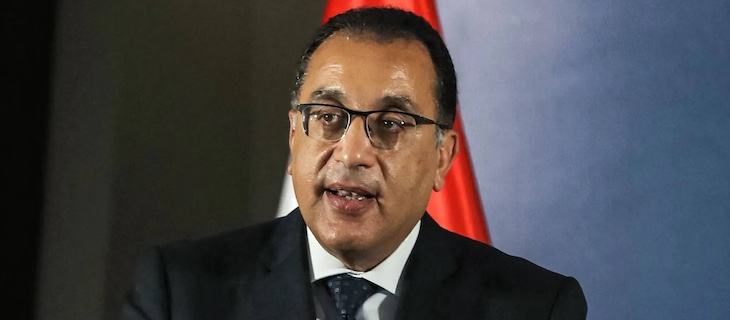
Trade-off: Madbuly’s big debt target and even bigger debt problem
A grand debt-swap proposal is gaining government and media traction
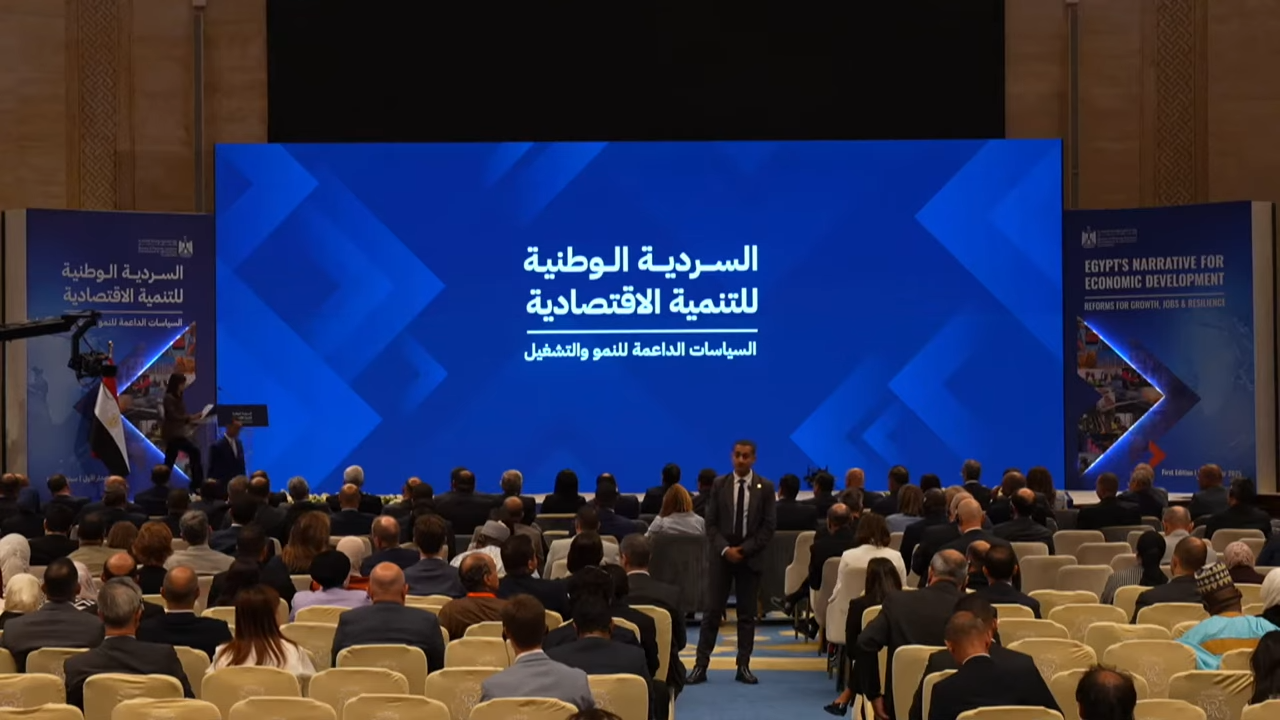
Govt’s ‘national economic narrative’ lays bare constitutional breaches in spending, signals continued limits to survey data
The Planning Ministry released on Sunday the National Narrative for Economic Development, a document first announced last week as the government’s program…

New fiscal year, new slices of the pie
With the new fiscal year underway as of July 1, the government has begun implementing the fiscal year 2025/26 state budget, approved…
Draft budget: 65% of total expenditure allocated for debt service, LE3.5 trillion in new borrowing
Egypt’s new draft budget, which Mada Masr reviewed, dedicates over 65 percent of total government spending in the coming fiscal year to…
Your support is the only way to ensure independent, progressive journalism survives.
You have a right to access accurate information, be stimulated by innovative and nuanced reporting, and be moved by compelling storytelling. Subscribe now to become part of the growing community of members who help us maintain our editorial independence.
Join us