
Russia, Egypt sign customs agreement
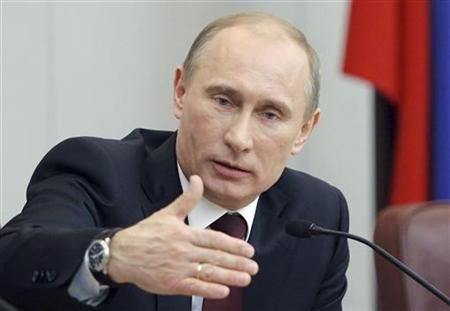
Egypt and Russia signed four customs agreements aimed at facilitating trade between the two countries, the Finance Ministry announced Wednesday.
According to Egyptian Customs Authority Commissioner Magdi Abdul Aziz and his Russian counterpart, the agreements will help open up the Russian market to Egyptian exports, particularly agricultural products.
Trade between the two countries has seen a dramatic rise, although the balance of trade is still heavily in Russia’s favor. In a February interview with Al-Ahram newspaper, Russian President Vladimir Putin said bilateral trade grew by almost 50 percent in 2014, amounting to more than US$4.5 billion.
Egypt, the world’s largest grain buyer, is the major buyer of Russian wheat, while Russia imports fruits and vegetables. Russia also sends more tourists to Egypt than any other country.
Ties between Cairo and Moscow have strengthened since Egypt’s military-backed government came to power in 2013, and Putin has been a firm supporter of Egyptian President Abdel Fattah al-Sisi.
Wednesday's announcement is the latest in a string of trade deals between the two countries.
Putin's visit to Cairo earlier this month culminated in agreements to create a free-trade zone between Egypt and the Russian-led Eurasian Economic Union, plans to create a Russian industrial zone along the Suez Canal, Russian assistance in developing a nuclear power plant in Egypt and a deal that will allow some trade to be conducted in local currencies rather than US dollars.
The agreements signed this week will allow Egypt and Russia to share customs information about the value of goods traded between the two countries.
In addition to simplifying administrative procedures for bilateral trade, sharing customs data can help prevent customs tax evasion and the trade of illicit goods, Abdul Aziz said.
According to a report by non-profit research organization Global Financial Integrity, Egypt lost $37.68 billion due to illicit financial outflows from 2003 to 2012. In the same period, the Russian Federation lost more than $973 billion.
Of the funds tracked by the report, more than three quarters of the went missing due to misinvoicing, in which businesses deliberately misstate the value of imports and exports in order to avoid taxation or siphon off unreported profits to offshore accounts

أخبار ذات صلة
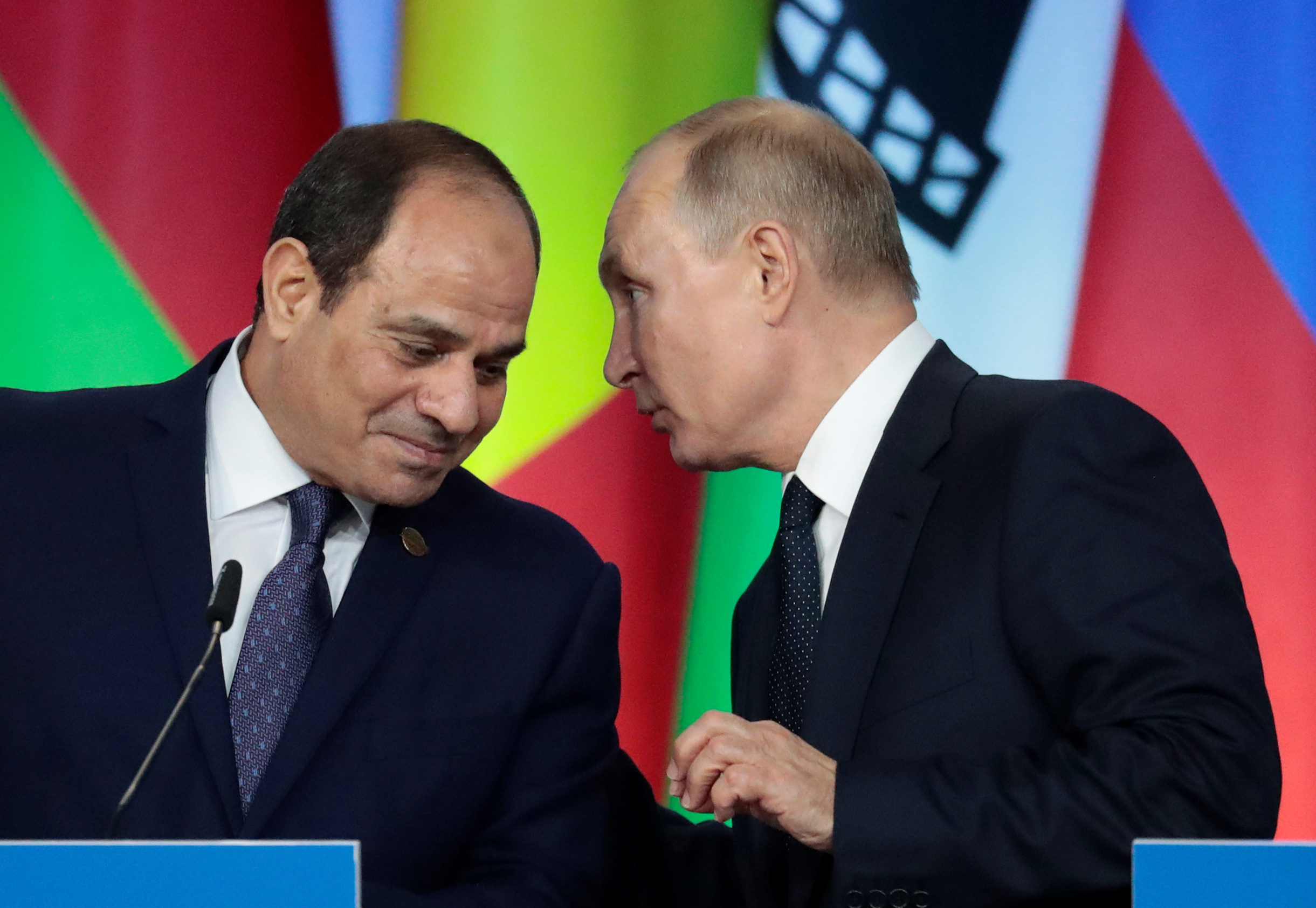
Amid fears sanctions will impact Egyptian-Russian cooperation, Sisi, Putin vow to find ‘solution’
Cairo seeks to avoid getting left out in the cold as global geopolitical relations shift
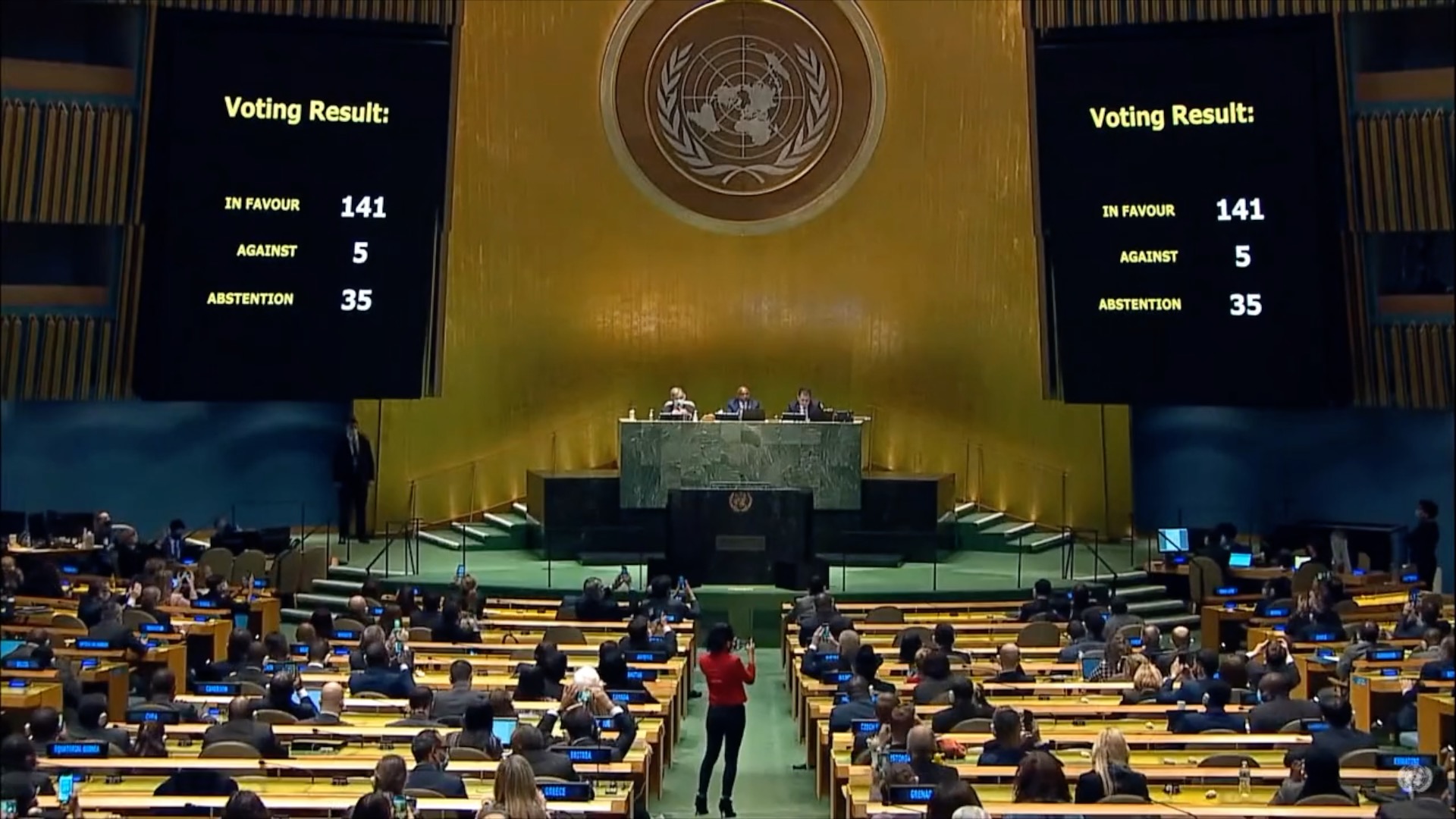
Egypt, UAE, Saudi Arabia abandon neutrality in UN vote, condemn Russian invasion
Cairo provided a full explanation to "Russian friends" about the reasons for its vote, a source said
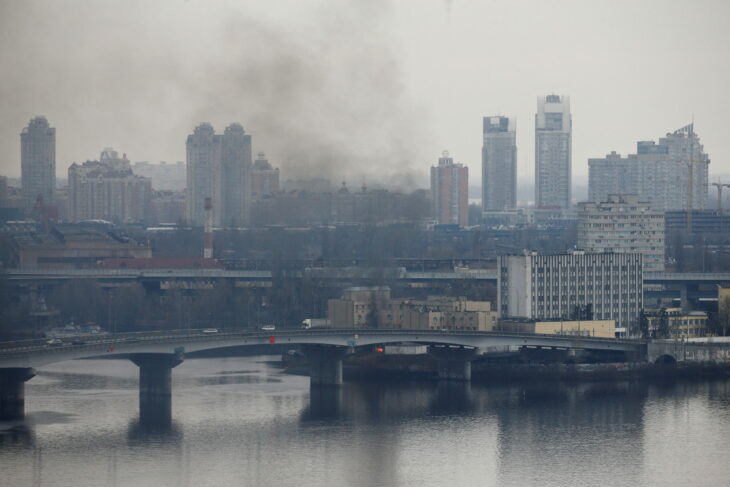
Amid diplomatic tug-of-war, Cairo operations room works to calibrate Egypt’s position on Russia-Ukraine conflict
Egypt has set up an operations room to follow the developing situation in Ukraine, where fighting continued on Wednesday for the seventh day since Russia launched a multi-front offensive on…
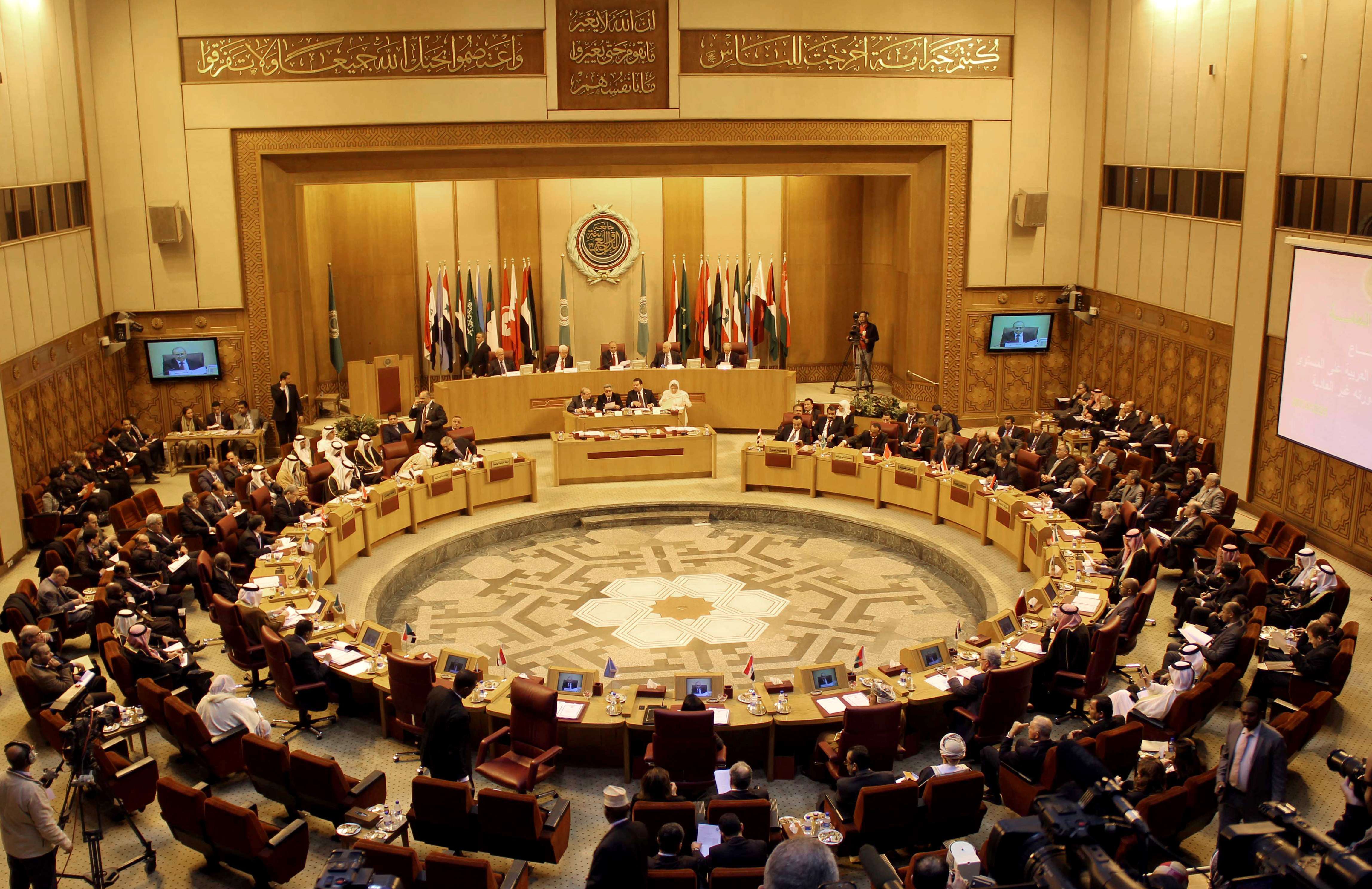
Arab League urges ‘diplomatic’ resolution to ‘crisis in Ukraine’ without mention of Russia
Sources said Cairo is unlikely to undertake serious reorientation of its relationship with Moscow
Your support is the only way to ensure independent, progressive journalism survives.
You have a right to access accurate information, be stimulated by innovative and nuanced reporting, and be moved by compelling storytelling. Subscribe now to become part of the growing community of members who help us maintain our editorial independence.
Join us