
Ramy Shaath seeks damages from Egypt at African rights court
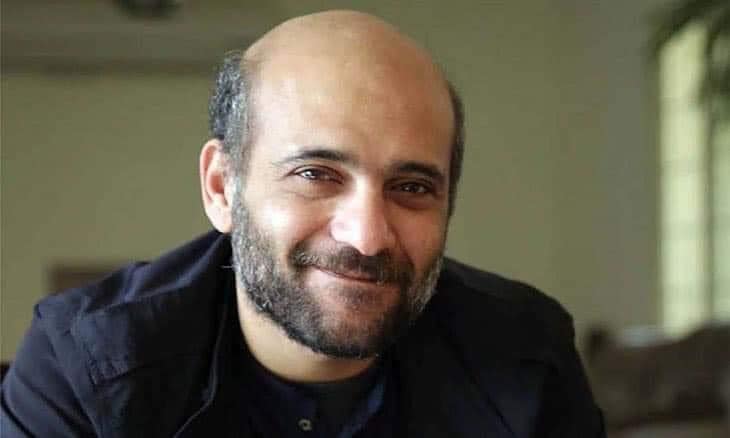
“I was kidnapped from my home in Cairo in the middle of the night. My life and my family were exposed to barbarism,” said Egyptian-Palestinian activist Ramy Shaath, who, with his partner, Céline Lebrun Shaath, is seeking compensation from Egypt for human rights abuses at an African Union rights commission. “I was taken from my house blindfolded and handcuffed, and left tied to a wall in the National Security Agency building in Cairo,” adding, “tens of thousands of Egyptians are subjected to these brutal practices.”
“The violations I was subjected to, and which are still being inflicted on others, must be condemned by the international community,” he told Mada Masr, explaining why he’s pursuing action at the African Commission on Human and Peoples Rights.
Shaath, a long-time activist for the Palestinian cause and the son of a senior Palestinian political figure, dates the abuses he suffered to long before his 2019 arrest.
Active in several progressive movements in Egypt since 2010, Shaath told Mada Masr that he was used to dealing with constant harassment from officials, particularly when entering or exiting the country.
His citizenship was a constant leverage point, he recalls, noting that authorities had at one point blocked the renewal of his passport and issued him with a one-year passport document from national security instead. Shaath won a 2013 lawsuit to regain his passport at the State Council against the security apparatus, which made a counterclaim on the grounds that Shaath is also a Palestinian national.
Yet in July 2019, security forces surrounded his Garden City home and arrested him, according to his lawyer, Khaled Ali.
A French official and an Egyptian official speaking to Mada Masr on condition of anonymity said that the activist was arrested on the back of a meeting about the BDS movement that took place in Lebanon, and in which Shaath and an official in the Egyptian government participated. The meeting was recorded by an official from an Arab country and shared with Egyptian officials, the sources said.
Despite being held in remand detention for over two years, the publicly given reasons for Shaath’s detention never added up.
He was nominally added to an investigation alongside a number of political figures who were organizing a run for the 2020 parliamentary elections and had been detained in a June 2019 security campaign. Yet Shaath was never questioned in relation to the case, Ali said.
Nine months into Shaath’s detention, he learned via the Official Gazette that the Cairo Criminal Court had ruled that he and 12 others be added to the national list of suspected terrorists, a decision that entailed a freeze on his assets and a ban on his traveling outside the country.
Ali listed the failures in due process. Before the decision was made, Shaath should have been informed that the Public Prosecution had identified him for investigation. He should have been informed when the prosecution’s case was referred to the criminal court, and granted the chance to submit a defense before the court made its decision.
The series of infractions that Shaath was subjected to is crowned with the unlawful revocation of his Egyptian citizenship, which he said he has sought to reinstate through every possible means of litigation in Egypt.
Shaath, who has spoken out to media and political bodies across Europe to tell his story since his release, also describes a systematic campaign of "threats and intimidation" from the Egyptian authorities and defamation by pro-state TV and media outlets.
Earlier this month, in an interview aired on TeN TV, Moushira Khattab, head of the government-appointed National Council for Human Rights, claimed that Shaath had obtained Egyptian nationality illegally.
Yet Nabil Shaath, Ramy’s father and a former Palestinian foreign minister, was granted citizenship in 1968 by Egyptian President Gamal Abdel Nasser for his work in the National Council for Higher Management, as the labor law required council members to be of Egyptian nationality.
The procedure was entirely lawful, Shaath asserts, and since his mother was also an Egyptian national, he was issued an Egyptian birth certificate in 1971 and a national identity card when he came of age.
An informed source, speaking on condition of anonymity, told Mada Masr in January that the National Security Agency and Shaath's family communicated to arrange for him to renounce his Egyptian citizenship in exchange for his release. Shaath's lawyer, therefore, submitted a document to the Supreme Administrative Court stating that his client would give up his Egyptian citizenship.
Shaath describes the moment that NSA officials pressured him into renouncing his Egyptian citizenship in the presence of a notary public.
Even the employee suspected that the step was unlawful, said Shaath, since the revocation of citizenship requires a decree from the public prosecutor. “One of the NSA officers threatened the notary public,” Shaath recounted, “they said, ‘If you don’t do that, you will be imprisoned with him.’”
Shaath was then handed over to a representative of the Palestinian Authority at Cairo International Airport, according to the informed source, and boarded a flight to Amman which he later left for Paris to be reunited with his partner Lebrun Shaath, who had spent the 900 days of his detention campaigning tirelessly from outside Egypt for his release, following her own unlawful deportation at the time of his 2019 arrest.
Announcing his claim with the African Union body, Shaath also called on international leaders to insist on human rights assurances as a criterion in international relations and encouraged other Egyptian nationals to pursue the same path for international recognition of rights violations perpetrated by Egyptian national authorities. “Our rights will not continue to be violated in the dark.”

أخبار ذات صلة
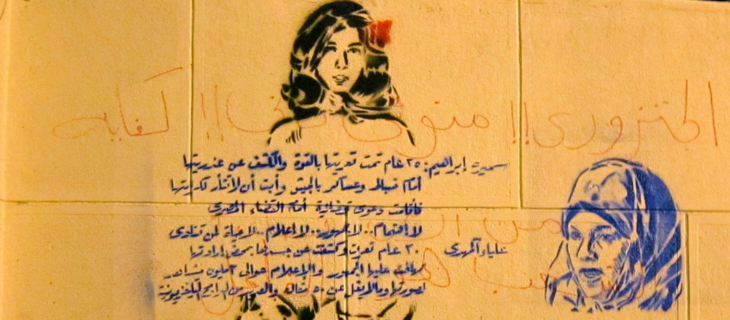
‘Virginity tests’ survivor hopes African commission demand for Egypt to compensate victims will protect women in future
"that one could receive even a small measure of justice is indescribable"
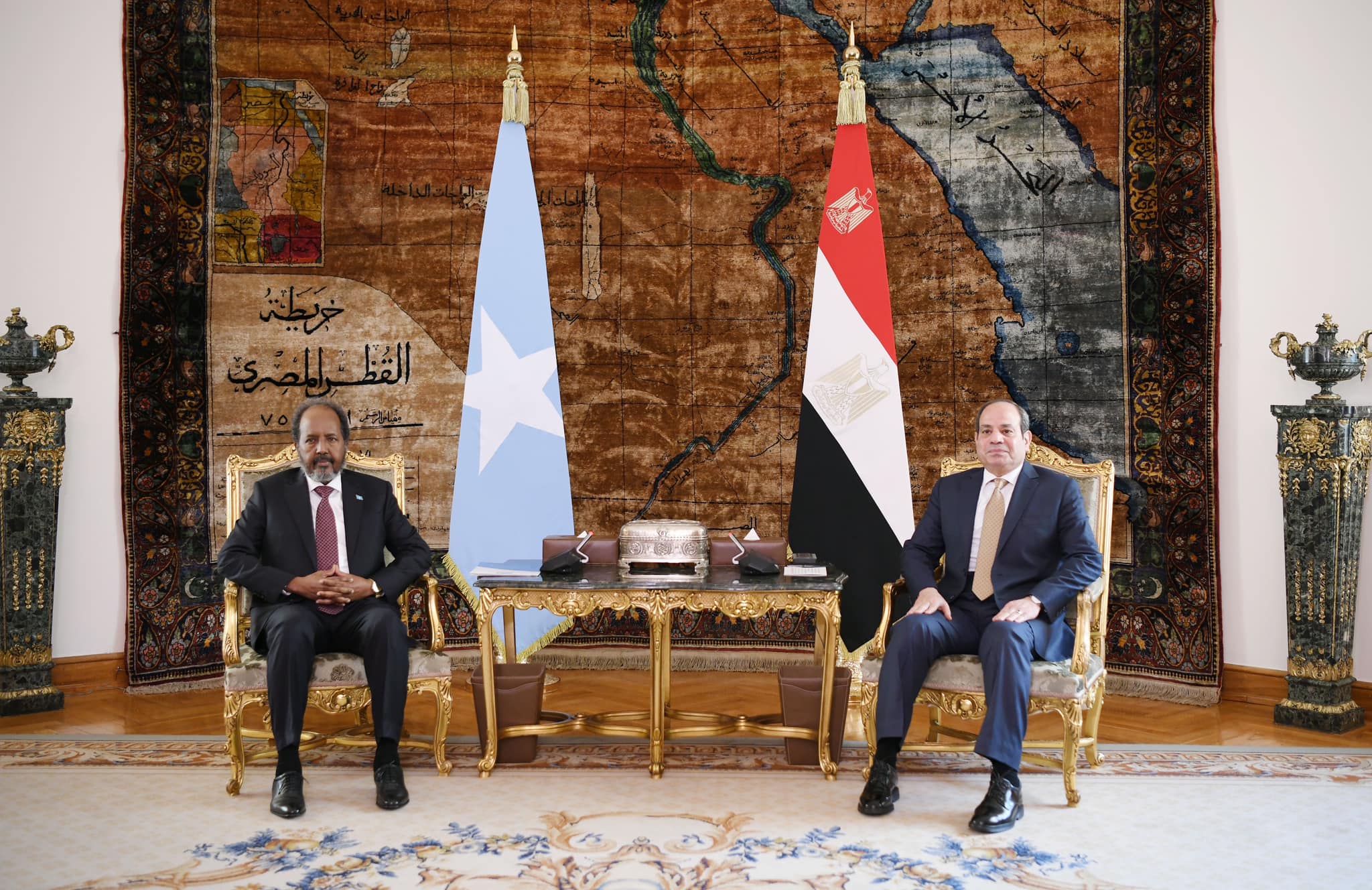
As Ethiopia seeks Red Sea access via Somaliland, why is Egypt supporting Somalia?
Egypt is building on its longstanding relationship with Somalia and resentment for Ethiopia.

No deal and not much drama: 12 years of Grand Ethiopian Renaissance Dam negotiations come to end
Twelve long years of negotiations over the distribution of Nile waters between Egypt, Ethiopia and Sudan came to an end this week. The talks in Addis Ababa closed on Tuesday,…

Egypt agrees to look at proposal for resuming GERD talks under African Union, says govt source
Cairo will “will interact with all seriousness with Kinshasa’s effort"
Your support is the only way to ensure independent, progressive journalism survives.
You have a right to access accurate information, be stimulated by innovative and nuanced reporting, and be moved by compelling storytelling. Subscribe now to become part of the growing community of members who help us maintain our editorial independence.
Join us