
Qatar delays conversion of deposits to bonds

Relations between Qatar and Egypt have significantly deteriorated since Mohamed Morsi’s ouster on July 3. Qatar has voiced strong disagreement both against the removal of Morsi and the level of violence used to disperse the sit-ins calling for his reinstatement.
Although recent events show relations may have not been entirely cut, the level of tension remains high. Qatar was the main provider of aid to Egypt during the past fiscal year and currently holds US$2 billion deposits at the Central Bank of Egypt. Talks about the conversion of its deposits into bonds have yet to be concluded, putting fragile Egyptian finances under even greater pressure.
There are hints suggesting that Qatar has not totally closed the door on negotiations with the new government.
Qatar has denied supporting the Muslim Brotherhood. Its foreign minister Khalid Ben Mohammed al-Attiya during a visit to Paris on August 20 said that Qatari aid was not intended for one political party but to support all Egyptians. He added that Qatar’s aid began right after the revolution and not just after Morsi’s election.
Natural gas shipments that were promised to Egypt under President Morsi’s rule have continued to be sent by Qatar despite the recent events.
However, Reuters reported today that Qatar had asked the Central Bank to indefinitely delay the conversion of $2 billion Qatari deposits to bonds. $3.5 billion of deposits had been converted into bonds in May and July as was initially agreed by the two countries.
Converting deposits into bonds gives the Central Bank a clear timeline for reimbursing the money, while deposits can be claimed anytime by their owners.
Delaying the conversion of the deposits into bonds therefore gives Qatar a strong bargaining chip when it comes to negotiating with the interim government. The Central Bank source, speaking to Reuters, implicitly denied this option and declared the Central Bank was ready to pay back the entirety of these deposits within days. However, he indicated negotiations would still go on this week.
Significant support from other Gulf countries such as Saudi Arabia, the UAE and Kuwait has considerably relieved tensions on Egypt’s foreign reserves. Thanks to the $12 billion aid from these three countries, foreign reserves have climbed by 26.6 percent in July reaching $18.8 billion, a record high in almost two years.
UAE pledged an additional $2 billion aid in deposits and grants earlier this week.
Qatar has often been presented as the main international backer of the Muslim Brotherhood. It has provided Egypt with $8 billion assistance since the ouster of Mubarak, mostly during Morsi’s year-long presidency.

أخبار ذات صلة

Govt’s launch of ‘Citizen Bonds’ challenges domestic banks, sources say
The Finance Ministry’s new “Citizen Bond” is being rolled out today, available for individuals exclusively through Egypt Post branches. The 18-month savings and investment instrument offers a fixed annual return…
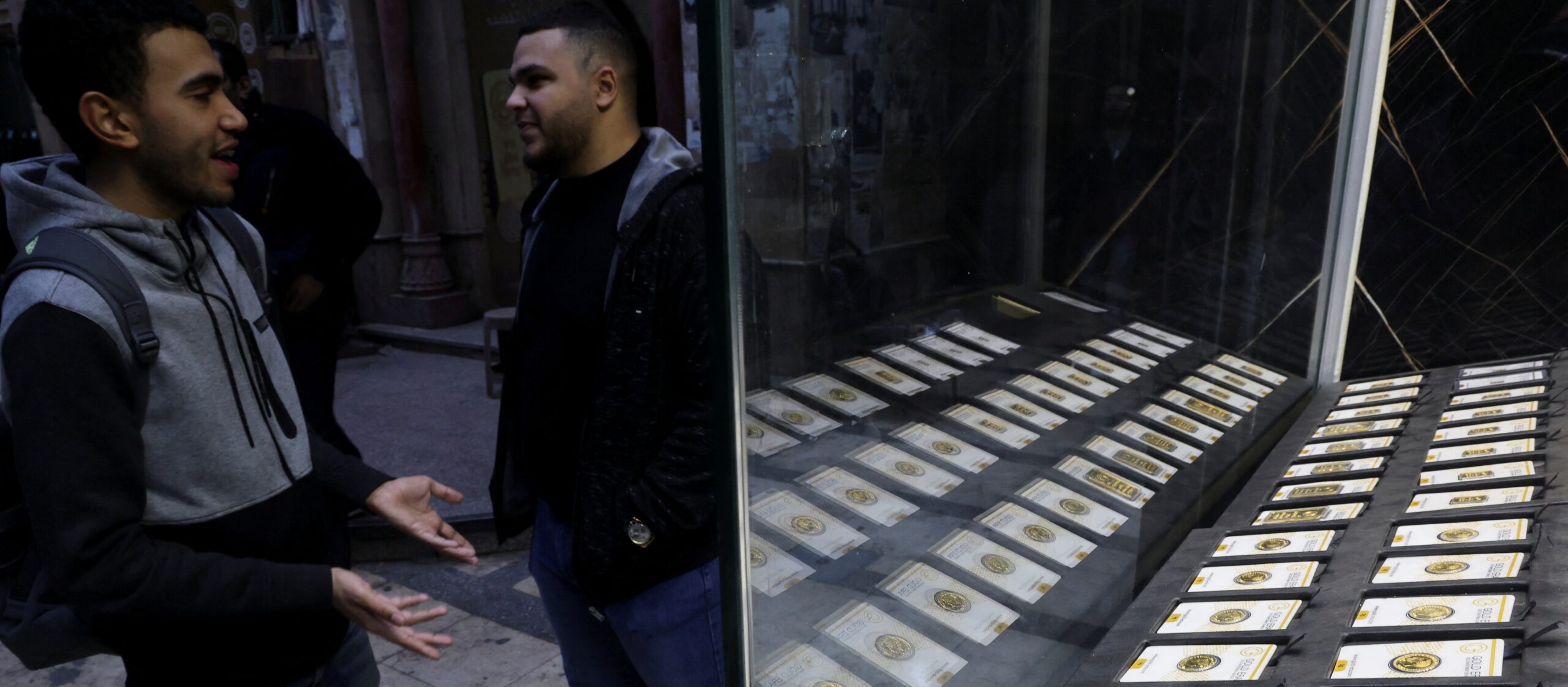
Queuing for gold
Gold remains a trusted option for people looking to invest their savings despite a volatile market

Sources: Hot money exits from govt debt markets in waves amid expectation of devaluation
Yields on one of the Egyptian government’s primary debt instruments hit record levels on Sunday.
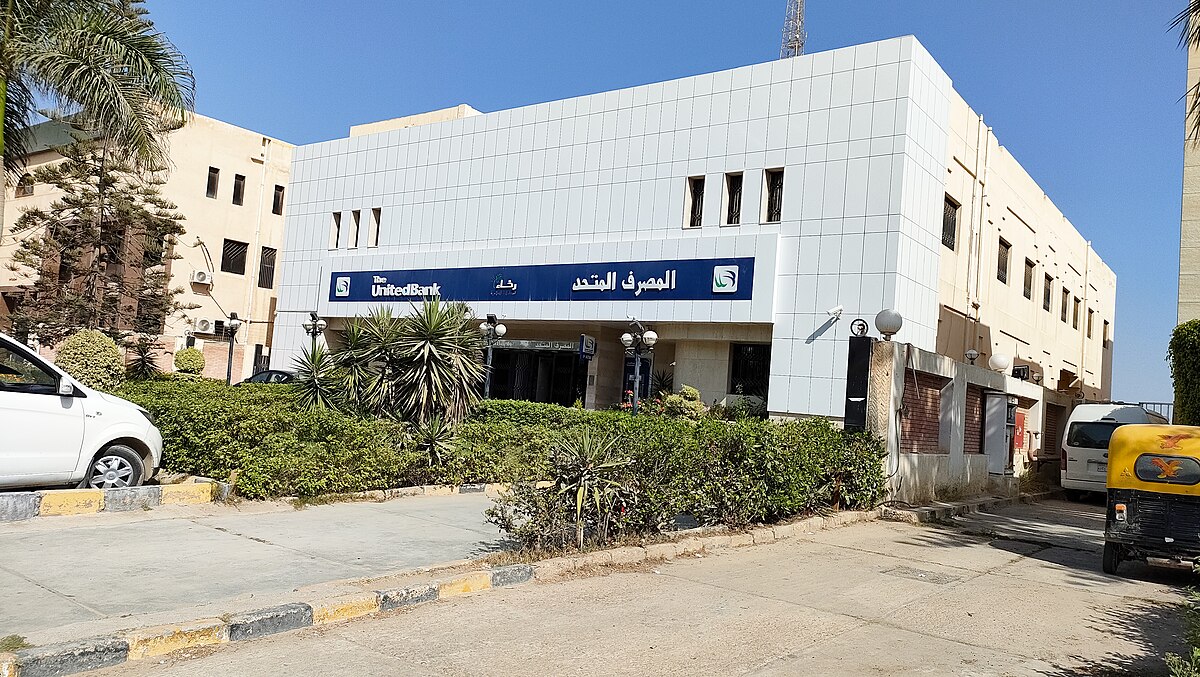
United Bank of Egypt announces listing on EGX after 2 years of stalled offerings
The United Bank, a financial institution fully owned by the Central Bank of Egypt (CBE), announced its plan to list 30 percent…
Your support is the only way to ensure independent, progressive journalism survives.
You have a right to access accurate information, be stimulated by innovative and nuanced reporting, and be moved by compelling storytelling. Subscribe now to become part of the growing community of members who help us maintain our editorial independence.
Join us