
Over 600 Egyptians die in Mecca during Hajj amid extreme temperatures, govt blames lack of permits

More than a thousand people including over 600 Egyptian nationals died performing Hajj in Mecca this season as extreme temperatures made conditions harsh for those undertaking the long hikes on pilgrimage, according to news reports.
Egyptian and Saudi Arabian authorities are yet to confirm the number of fatalities, with both pointing to tourism companies for facilitating participation in Hajj without acquiring official permits for their customers or providing services to those who travel.
Only 31 Egyptian nationals were confirmed to have died taking part in the official delegation performing Hajj in Mecca, according to Egypt’s Cabinet spokesperson Mohamed al-Homsany, who spoke on Sunday evening to a leading state-aligned television channel. Homsany added that the number of irregular pilgrims who died there are still being counted. “Chronic diseases” were the cause of death, according to a Cabinet statement.
But over 600 Egyptians were said to have died by Egyptian officials cited anonymously in several news outlets while an additional 700 Egyptians were said to be missing. The sources said almost all of those who died had participated without permits.
Saudi Arabia too has not released an official death toll, while a Saudi official quoted anonymously by AFP confirmed that a majority of 557 pilgrims who died had suffered heat stroke on June 15 and 16, the two busiest days of Hajj.
AFP estimates that a total of 1,126 people died during the whole season.
Fourteen Malaysians, 165 Indonesians, 75 Jordanians, 35 Pakistanis, 49 Tunisians, 11 Iranians and 98 Indians died, according to CNN, citing official authorities in each country.
Several United States citizens also died during this Hajj season, according to the US State Department, which is yet to announce an official count.
AFP quoted the Saudi official saying the deaths were not a result of a failure of organization on his country’s behalf, but “misjudgment on the part of people who did not correctly estimate the risks.”
About a month before the beginning of Hajj season, Saudi authorities launched a campaign called “No Hajj without a Permit” Saudi Information Minister Salman al-Dossary justified the campaign, one day before Day of Arafah — one of the most crowded days of Hajj — as part of the Saudi government’s “inherent” right to organize the Hajj and to give every pilgrim his rights. “The pilgrims who have permits have rights, and others do not have the right,” Dossary said.
On the same day, the Saudi Interior Ministry announced that it deported more than 250,000 people who do not hold a Hajj permit since May 23.
Saudi authorities, however, reportedly allowed pilgrims without permits entry to join rituals while denying them access to rapid response from health providers, while transport providers were also said to have denied entry to those without permits.
In the last moments before the Day of Arafah, Saudi authorities allowed pilgrims without permits access to begin the 20 kilometer hike on foot during the extreme heat of the day, fact-checking platform Saheeh Misr reported.
Many Egyptian nationals join Hajj using visit permits, instead of specific Hajj visas. Performing Hajj via official channels costs around $6,000, while the cost of traveling without a permit can reportedly cost around half that amount.
Many tourism companies operating in Egypt also offer to coordinate the journey for people without official permits, an option which is popular as many struggle with costs amid the country’s economic crisis.
A ministerial group that was formed in Egypt to respond to the spike in fatalities, the highest number since 2015, announced on Saturday evening that it would withdraw the license of 16 tourism companies that the statement said had facilitated irregular travel for pilgrims. The company heads would be referred to questioning by the prosecution, the statement said, adding that it would explore the possibility of making them pay fines to the families of deceased irregular pilgrims. President Abdel Fattah al-Sisi gave instructions last week for the ministerial committee to be formed.
Ihab Abdel Aal, member of the Tourism Ministry’s Supreme Committee for Hajj, has also said that Saudi Arabia has decided to officially halt B2C visas, which allows travel into Saudi Arabia to perform Umrah without a travel agent, as well as transit visas for Egyptians in response to the pilgrim crisis.
Jordan responded to the crisis similarly by cracking down on irregular Hajj organizers, while Tunisian measures saw the dismissal of Religious Affairs Minister Ibrahim Chaibi.
Saudi officials said that 1.8 million pilgrims participated in Hajj this year, a number similar to last year, and that 1.6 million came from outside the county. Hajj and Umrah are major sources of income for the Saudi economy, with estimated annual revenues of about $30 billion throughout the year.
أخبار ذات صلة

Sudan Nashra: Idris in Cairo as part of Egyptian-Turkish-Saudi coordination to prop up Sudanese military, Egyptian official says | RSF seizes Musa Hilal stronghold, stoking tribal tensions | RSF attacks North Darfur border town, engages Chadian forces | Hemedti in Uganda as head of parallel govt
Subscribe to our Lens on Sudan newsletter here. A week of heavy clashes in North Darfur has strained the region’s tribal landscape,…
Sudan Nashra: Burhan invokes Jeddah Agreement to set new negotiation terms | Over 150 abducted in South Kordofan in RSF-SPLM (Hilu) forced recruitment campaign | RSF launches major attack on Babanusa | Joint opposition forces in South Sudan clash with govt troops
With regional allies now propping up his forces on the battlefield, Sudanese Armed Forces Commander-in-Chief and Transitional Sovereignty Council Chair Abdel Fattah…

The Quad War
After the fall of Fasher, Egypt turned to Turkey to find a way to deter the growing Emirati threat
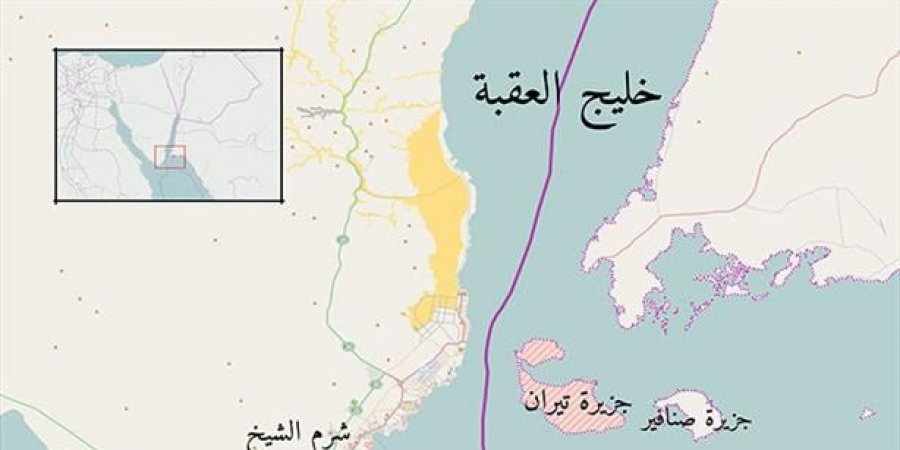
Lawyers reignite fight against govt’s transfer of Tiran, Sanafir islands to Saudi Arabia
The appeal calls for the annulment of the 2017 presidential decree and argues that the transfer viol
Your support is the only way to ensure independent, progressive journalism survives.
You have a right to access accurate information, be stimulated by innovative and nuanced reporting, and be moved by compelling storytelling. Subscribe now to become part of the growing community of members who help us maintain our editorial independence.
Join us