
National political dialogue: Sisi speaks on critics, opposition group awaits promised prisoner releases

Speaking on the national dialogue, a recently announced public consultation process that is billed to involve all political actors in the country, President Abdel Fattah al-Sisi appeared on Saturday to warn off prospective participants who intend to criticize the state's performance.
“We ask that you pay attention to every file and study it before speaking about it. Data is available on government websites and the presidential website,” he said at the inauguration of Mostaqbal Misr, an agricultural production megaproject in the country’s northwest.
Since Sisi’s April announcement that the dialogue would take place, and its assignment in May to the management of the National Training Academy — an institution directly supervised by the president — a number of critics have come forward to express skepticism about the aims and inclusivity of the process.
Among them are members of the Civil Democratic Movement, an umbrella group encompassing several progressive parties, who have drawn up a list of topics and participants whose inclusion they consider a prerequisite to the dialogue’s progress, in addition to, as members told Mada Masr this weekend, a list of prisoners whose release is necessary proof of the authorities’ commitment to political reform.
“I am neither content with nor reassured by the delegation of the organization and management [of the national dialogue] to a number of youth institutions that belong to and are run under the watch of ‘certain agencies,’” said a statement released last week by Mohamed Anwar al-Sadat, a Civil Democratic Movement member, the head of the Reform and Development Party and a member of the National Council for Human Rights, who has given interviews to both BBC Arabic and Al-Jazeera to comment on his concerns about the dialogue.
Sadat also heads the International Dialogue Group, a lobby comprising members of both chambers of Parliament that rose to prominence in 2021 as it successfully coordinated with security bodies and the public prosecutor’s office for the release of certain political prisoners.
At the same time, outlets belonging to United Media Services, a conglomerate that dominates the media landscape and manages a number of major radio and television broadcasters as well as print publications, have been told not to host members of the Civil Democratic Movement in discussions on the national dialogue, according to a source who spoke to Mada Masr last week on condition of anonymity.
In comments televised on most major channels, Sisi said, “ultimately, you’d say, ‘I see you’ve done things, and I believe that, scientifically and in terms of planning, you should’ve done this or that to yield better results.’ I need to hear this … But please, don’t belittle work through which God has bestowed great generosity upon us all.”
“Don’t cross one leg on top of the other and talk about things of which you don’t know. People are going to listen to you because they’ll think what you’re saying is true,” he continued. “We’ll wait, we’ll listen and speak with our dear ones about everything they put forward.”
Meanwhile, Civil Democratic Movement members also met on Saturday to build consensus on the movement’s vision regarding the dialogue’s procedural and topical parameters, the movement’s spokesperson Khaled Dawoud told Mada Masr. The group demands, he said, the formation of a technical secretariat composed of experts to be chosen by the state and the opposition to prepare and coordinate the dialogue and draft its intended outcomes.
He noted that parties and party figures received invitations from the National Training Academy, but that they demand the chance to participate in setting the dialogue’s agenda. So far, said Dawoud, the movement is also still waiting for authorities to fulfill promises made during Eid for the release of dozens of political prisoners as a gesture toward the seriousness of the dialogue. “We told them that if they don’t release prisoners, we won’t have any credibility. They told us people would be released during Eid, then they said at the end of last week, then they said Saturday or Sunday.”
Over 1,000 prisoners’ names were on a list submitted by the presidential amnesty committee, according to Kamal Abu Eita, a trade unionist and member of the recently reformed group. The 1,000 were agreed upon by all parties, Abu Eita told Mada Masr, and the committee received promises that they would be released in early May, but security agencies are yet to complete their release procedures, he added.
Among those listed were politician and former Civil Democratic Movement spokesperson Yehia Hussein Abdel Hady, journalist Hisham Fouad, lawyers Haitham Mohamedein and Mohamed Ramadan, and former MP Zyad Elaleimy, said Abou Eita, in addition to several public transportation and insurance workers unjustly imprisoned on terrorism charges.

أخبار ذات صلة
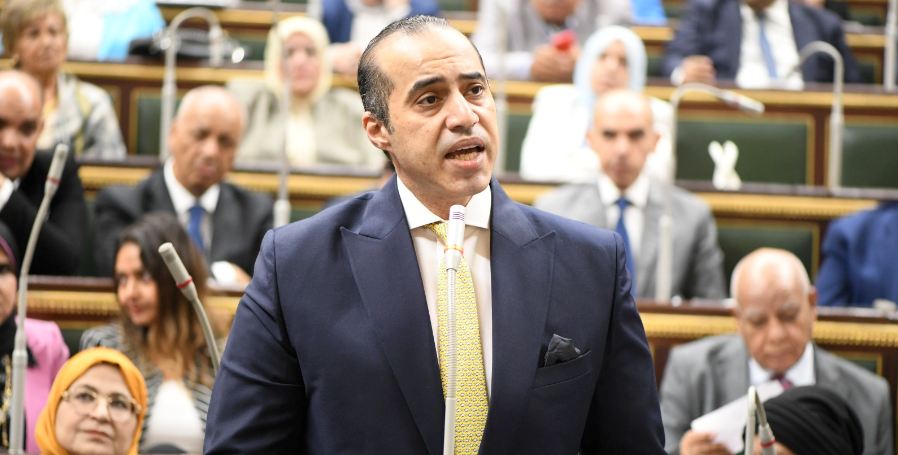
UN human rights experts raise concerns about Egypt’s Criminal Procedures bill in letter to govt
A group of United Nations human rights experts have sent a communication to the Egyptian government expressing their concerns about draft articles…

The weeks of dispute around reforms to the Criminal Procedures Code
Amid an ongoing political conversation around the use and abuse of remand detention to hold political detainees, legislators have dusted off a…
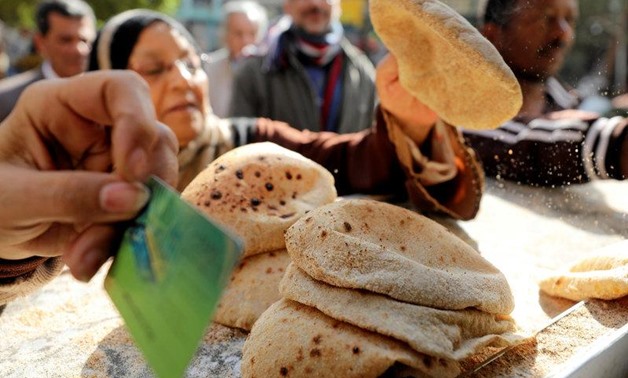
More cash support, less in-kind subsidies likely outcome of National Dialogue sessions next week
The National Dialogue is preparing for discussions next week on the transition from in-kind subsidies to cash-based government support. The government has…
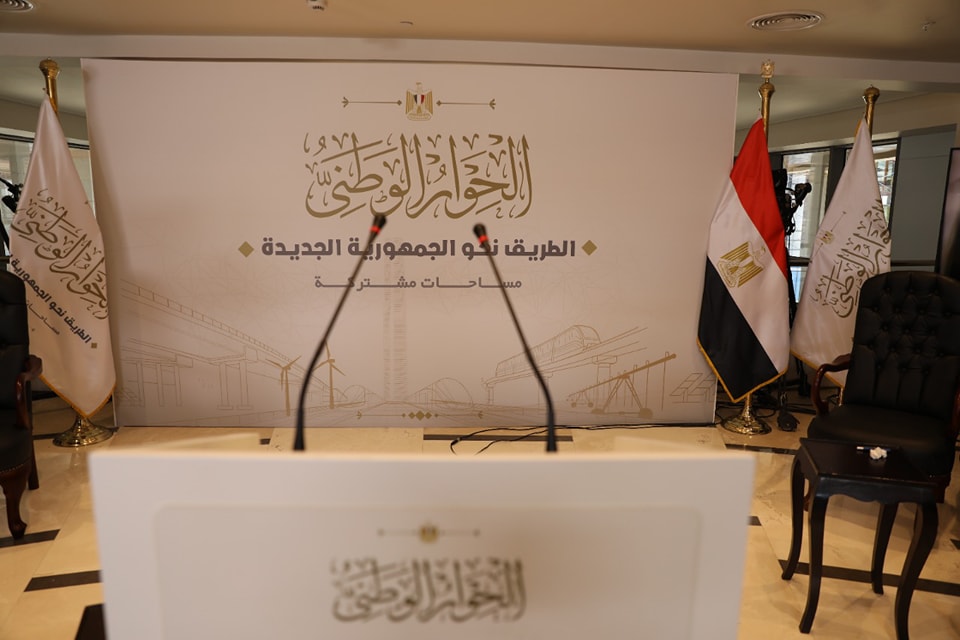
Former prisoners, legal experts present recommendations to stop endless pretrial detention for speech cases during National Dialogue
Parliamentarians, former detainees, journalists and criminal law experts gathered for nearly 12 hours of National Dialogue sessions on Tuesday. Their mission? To…
Your support is the only way to ensure independent, progressive journalism survives.
You have a right to access accurate information, be stimulated by innovative and nuanced reporting, and be moved by compelling storytelling. Subscribe now to become part of the growing community of members who help us maintain our editorial independence.
Join us