
Lebanese media workers mourn 3 colleagues killed by Israel | Israel bombs shore of Rashidiyeh camp, sparking fear among over 10,000 residents | UNIFIL withdraws from Dahra after targeting by Israeli forces

A number of Lebanese media professionals and photographers held a symbolic sit-in at Saida’s Martyrs' Square in southern Lebanon on Saturday to denounce the Israeli military's killing of three Lebanese journalists the day before.
The three journalists —Wissam Qassem, a videographer for Hezbollah channel Al-Manar; Ghassan al-Najjar, a videographer for Al-Mayadeen; and Mohamed Reda, a broadcast technician for the same channel — were killed in an airstrike that targeted their residence in the town of Hasbiyya in Nabatieh Governorate. Four more journalists were injured in the attack.
Speaking to media at the sit-in, Lebanese Journalists Syndicate chair Joseph al-Qasifi described the attack as a war crime, “premeditated and planned.” Qasifi stressed that media crews will continue to pursue their work to uncover “the enemy's practices and expose its crimes against civilians, journalists, and innocents.”

On Saturday, Hasbiyya witnessed more Israeli airstrikes on targets in the towns of Halta and Wadi Khansa, while Yahmar al-Shaqif was also targeted.
Two brothers were killed and a third was injured in an airstrike that targeted their home on Friday in the town of al-Duwaira, also in Nabatieh, while three others were killed in a similar bombing on the town of Shaitiya in Sur, according to the Lebanese National News Agency.
Central areas of Sur became a target of Israel’s bombing campaign on Lebanon earlier this week as well, with intensive activity by Israeli fighter and reconnaissance aircraft over the western and central parts of the coastal district on Friday.
Several targets in Sur were also hit with airstrikes, including the shore of the Rashidiyeh camp, the second largest Palestinian camp in Lebanon, which was hit by a rocket on Friday night.
The homes of the camp’s residents were severely damaged by the effect of the blast, which broke windows and doors and cracked ceilings and walls, residents of the camp told Mada Masr.
Ibrahim Qassem, a fisherman in Rashidiyeh, told Mada Masr that the rocket landed on an unknown target in the sea around ten meters from the shore.
Israel has been issuing evacuation orders for areas in Sur, including the Rashidiyeh camp, since the first week of October, when the Israeli military also told vacationers, residents and fishermen to stay away from the coast, starting from the point adjacent to the Awali River and beyond to the south, claiming that a military operation will soon begin against “Hezbollah activities” in the area.
Despite Israel’s evacuation orders, around 15,000 people have been unable to leave Rashidiyeh, according to statements made by the camp’s popular committee chief, Ibrahim Abu al-Dahab.
Abu al-Dahab noted that families remaining in the camp despite evacuation orders are struggling to flee due to the ongoing Israeli assault, which has severely restricted transportation and movement. Shelters are at full capacity, logistical supplies are scarce, and deteriorating financial conditions make displacement increasingly difficult, he said.
Israel’s order to keep away from the sea has made it difficult to continue fishing from Saida to Naqoura, passing through the villages of Sarafand and Adloun, and up to the city of Sur, endangering the livelihood of about 2,000 fishermen in the area.
Fishermen risk their lives in their attempts to catch a few kilos of fish from the Saida sea to support their families, according to Qassem, who noted that only around ten fishermen from Rashidiyeh continue to practice the profession despite the risks.
The Rashidiyeh fishermen only go out to sea in the morning, leaving the camp’s waters and moving about half a kilometer into the sea. Qassem described the venture as dangerous, saying, “We are risking ourselves; we are not supposed to go out to sea.”
After yesterday’s airstrikes, fishermen in Rashidiyeh are more concerned about the degree of that risk.
Operations continued on the front line at the southern border with Israel, where the Israeli military announced today, on Saturday, that it shot down four drones launched by Hezbollah and monitored around 80 other missiles coming from southern Lebanon, some of which it claimed were shot down by its air defenses, while other missiles fell in open areas.
Hezbollah announced in turn on Saturday that it had launched an attack using a squadron of drones on the Israeli Tel Nof Airbase, south of Tel Aviv, confirming the targets were hit accurately.
Hezbollah also bombed the Mishar base in Safad — the main intelligence headquarters for northern Israel — as well as other Israeli settlements in the area, including Ga'aton, Yesud HaMa'ala, and Matzuva. The organization said it also targeted gatherings of Israeli soldiers on the Lebanese border with guided missiles.
Meanwhile, the UN Peacekeeping Force in Lebanon (UNIFIL), stationed in Lebanon below the Litani River to enforce United Nations Security Council Resolution 1701, said in a statement on Friday that it had withdrawn its forces on Wednesday from an observation post at Dahra, near the border.
The Israeli military has stated multiple times that UNIFIL should withdraw its troops from the border during its operations, but UNIFIL has refused.
According to UNIFIL, the Israeli military opened fire on peacekeeping soldiers stationed in Dahra on Wednesday while they were monitoring an Israeli force that was carrying out “house clearing operations nearby.” The incident forced the UN force to withdraw “to avoid being shot,” they said.
In another statement, UNIFIL listed Israeli violations against its forces in Lebanon, noting that two medical teams “came under fire of unknown origin” while evacuating a patient in the village of Yarin on Wednesday morning, while a medical facility in a UNIFIL site in the Beit Lif village was hit by “a shell or rocket from an unknown origin” later that day, damaging the buildings.
The statement stressed that the Israeli military “deliberately damaged camera, lighting, and communications equipment” in some UNIFIL sites.
أخبار ذات صلة
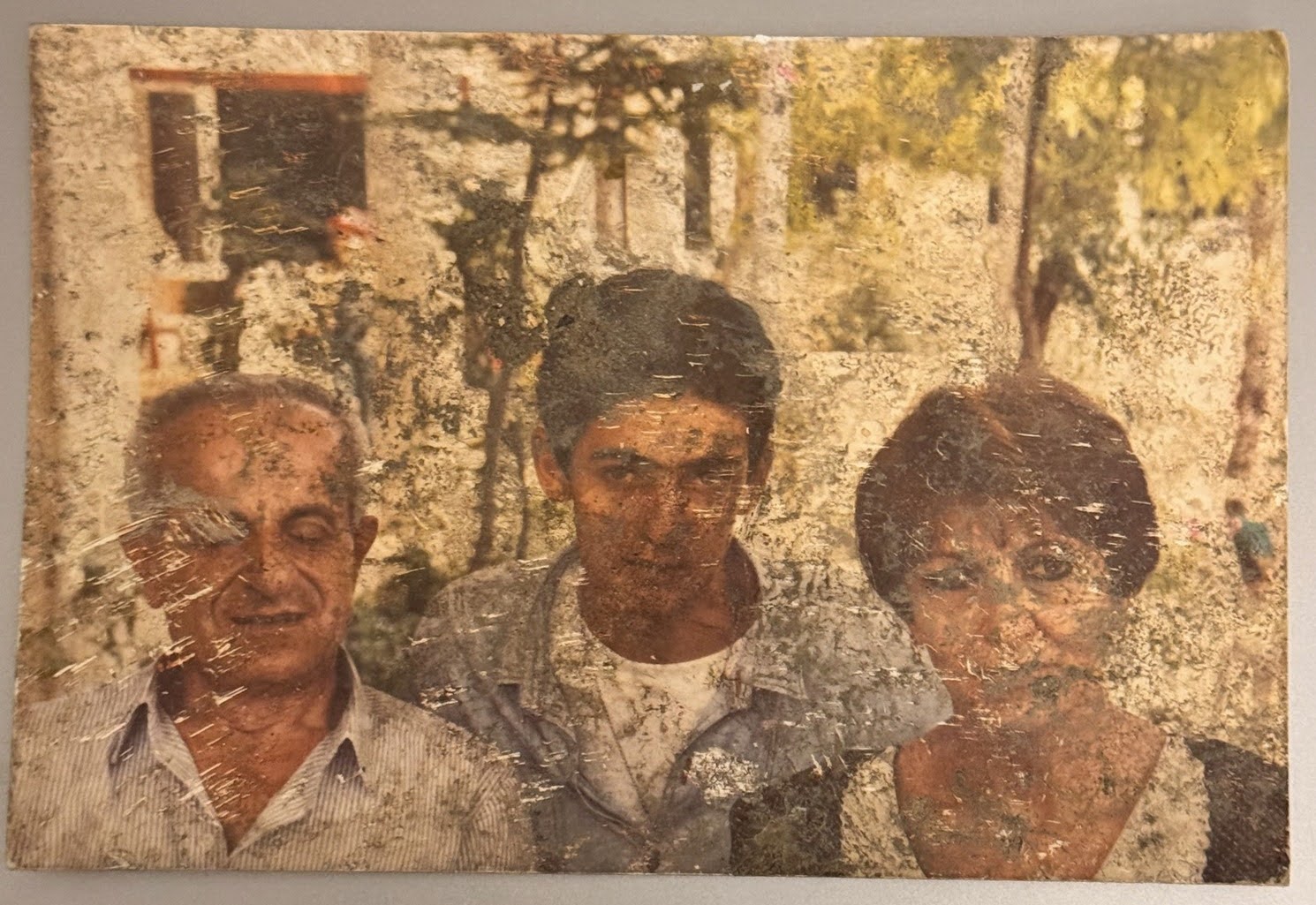
After the catastrophe: Ali Cherri takes Israel to court following the killing of his parents
On November 26, 2024, Paris-based artist Ali Cherri spoke to his mother Nadira Hayek living in Beirut on the phone right before boarding a plane to Vienna where he was…
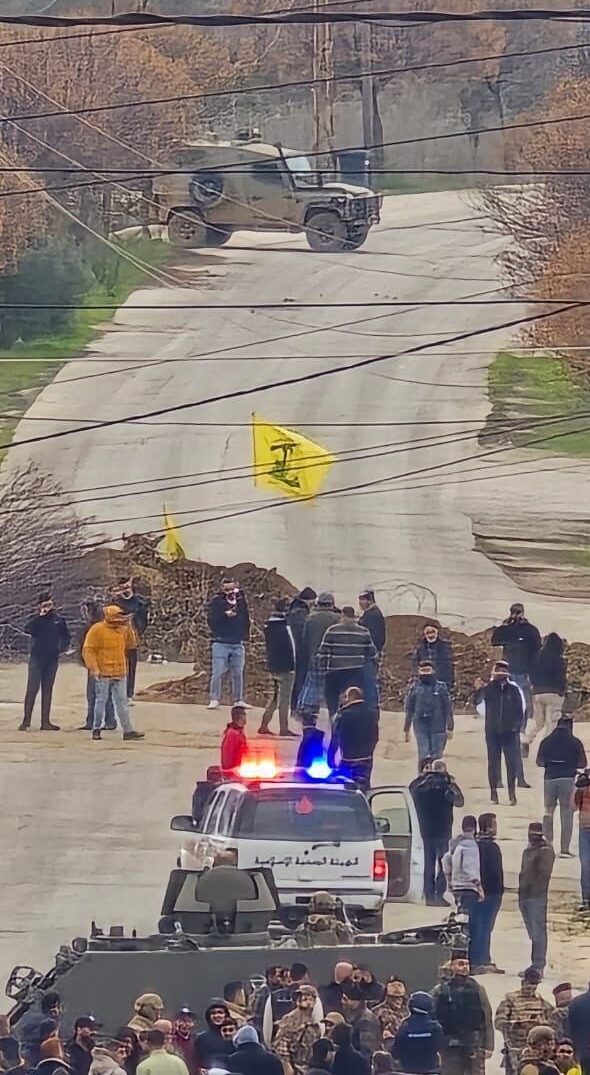
Israeli forces occupying south Lebanon kill 15 as tens of thousands return to claim their land
Israeli soldiers opened fire on crowds of displaced Lebanese on Sunday, as residents began to return to their towns and villages in…
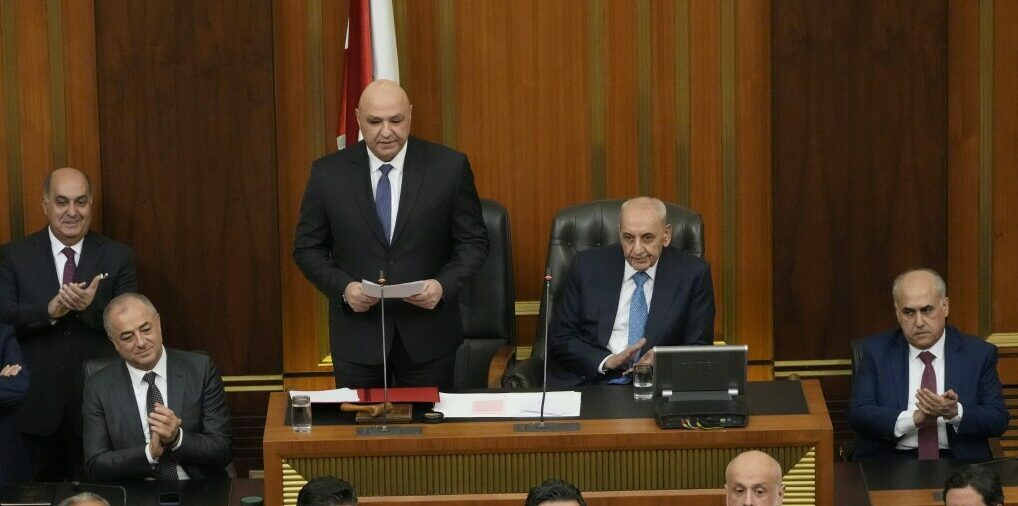
Hezbollah vote secures General Joseph Aoun’s election as new Lebanese president, underscoring party’s concessions to new regional reality
When the Lebanese military began to send the first of its soldiers to the south of the country on November 28, hours after a ceasefire was suddenly announced, it marked…
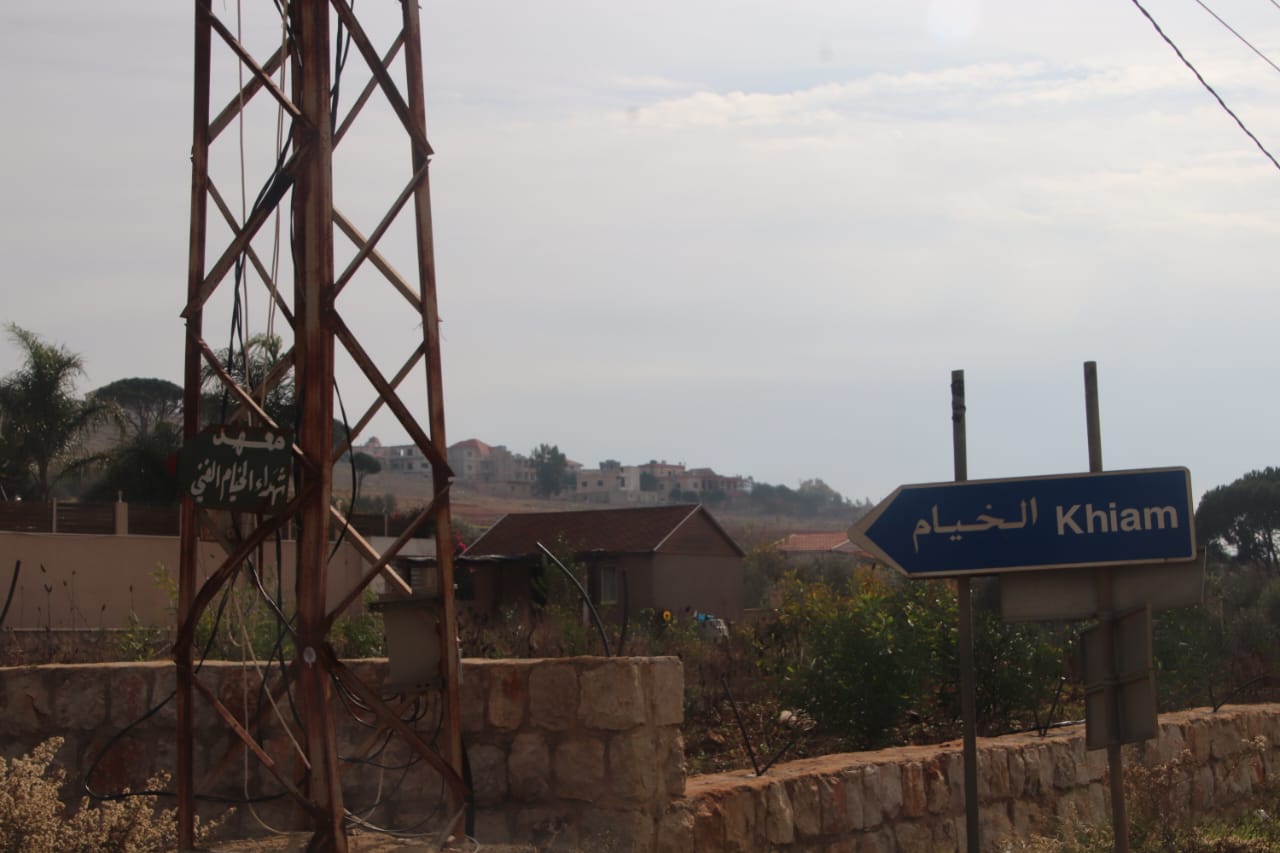
Uncertainty, danger linger in Khiam after Lebanon’s ceasefire
Mohammad Mohammad Abdullah left his hometown of Khiam in southern Lebanon at the end of 2023, when Israeli airstrikes on Lebanon became…
Your support is the only way to ensure independent, progressive journalism survives.
You have a right to access accurate information, be stimulated by innovative and nuanced reporting, and be moved by compelling storytelling. Subscribe now to become part of the growing community of members who help us maintain our editorial independence.
Join us