
Israeli drone kills Hamas military official in Saida, Lebanese security sources

An Israeli drone targeted and killed Hamas military official Mohamed Shahin on Monday morning while he was in a car in Saida, two Lebanese security sources told Mada Masr on condition of anonymity.
Israel conducted the assassination amid a ceasefire agreement between Hezbollah and Israeli forces that was intended to put an end to Israeli fire on Lebanese land and secure the withdrawal of Israeli forces from Lebanon.
Shahin, who was the head of Hamas’ operations department in Lebanon, was moved to Sidon Government Hospital after the targeting, while another person who was in the vehicle with Shahin was injured, one of the sources said.
The drone targeted his car on the road close to Saida Municipal Stadium near a Lebanese army checkpoint, both sources added.
According to the sources, the Lebanese army set up a security perimeter at the site. Footage received by Mada Masr showed the vehicle in flames, with firefighting and civil defense teams surrounding the scene of the incident.
The Israeli military published a statement on the attack, claiming that Shahin was killed as he was “recently planning terror attacks, directed and funded by Iran,” on Israel and adding that the Hamas official was also a “significant source of knowledge” behind several attacks against Israeli civilians.
From its side, Hamas’ military wing, the Qassam Brigades, announced Shahin’s martyrdom in a statement on Monday afternoon, mentioning his "pioneering role and unique contributions” to the Palestinian resistance starting from the Second Intifada and reaching the Operation Al-Aqsa Flood.
In the statement, the brigades also took the opportunity to pledge honor to all Palestinian martyrs and prisoners until the dream “of our people for liberation and return is realized.”
Monday’s assassination represented another violation of the ceasefire deal agreed on November 27, which was to put an end to Israeli hostilities on Lebanese territory.
The deal was originally due to see Israel’s military withdraw from southern Lebanese villages it had occupied, with Hezbollah withdrawing its fighters north of the Litani River.
The Lebanese army, meanwhile, was to deploy its troops in the area south of the Litani within 60 days of the ceasefire arrangement.
Withdrawing more slowly than agreed upon, however, Israel later requested an extension which led to the deadline being pushed to February 18.
Its forces remain present in several south Lebanese villages, preventing residents of the areas from going to their towns or surrounding villages. Israeli military spokesperson Avichay Adrae again ordered last week Lebanese citizens not to return to their homes in the south “until further notice.”
Israel formally requested another extension last week through the committee overseeing the ceasefire, which is composed of representatives of the Lebanese military, the United States, France, Israel and the United Nations Peacekeeping Force in Lebanon.
It said it wished to keep its troops in five south Lebanese villages until February 28, while Israeli media reported that the country has US-backing for a “long term” presence in south Lebanon.
Kicking off a Middle East tour with a visit to Israeli Prime Minister Benjamin Netenyahu, US Secretary of State Marco Rubio and Netenyahu agreed on Sunday that their “goals are aligned and the same,” with both affirming that they aim for a strong Lebanese state that would take on and disarm Hezbollah itself.
From its side, Hezbollah threatened last week that it would resume fighting if Israel did not withdraw from southern areas as agreed. On the same day, Lebanese President Joseph Aoun also expressed rejection of the US-granted extension for Israeli military presence in southern Lebanon.
Israeli forces in the south have continued to open fire on tens of thousands of residents who returned to their homes in line with the original ceasefire deadline in late January, despite Israel’s continued presence.
Israeli forces stationed in the area since November have also continued to conduct demolitions of houses they claim are located above Hezbollah infrastructure.
أخبار ذات صلة
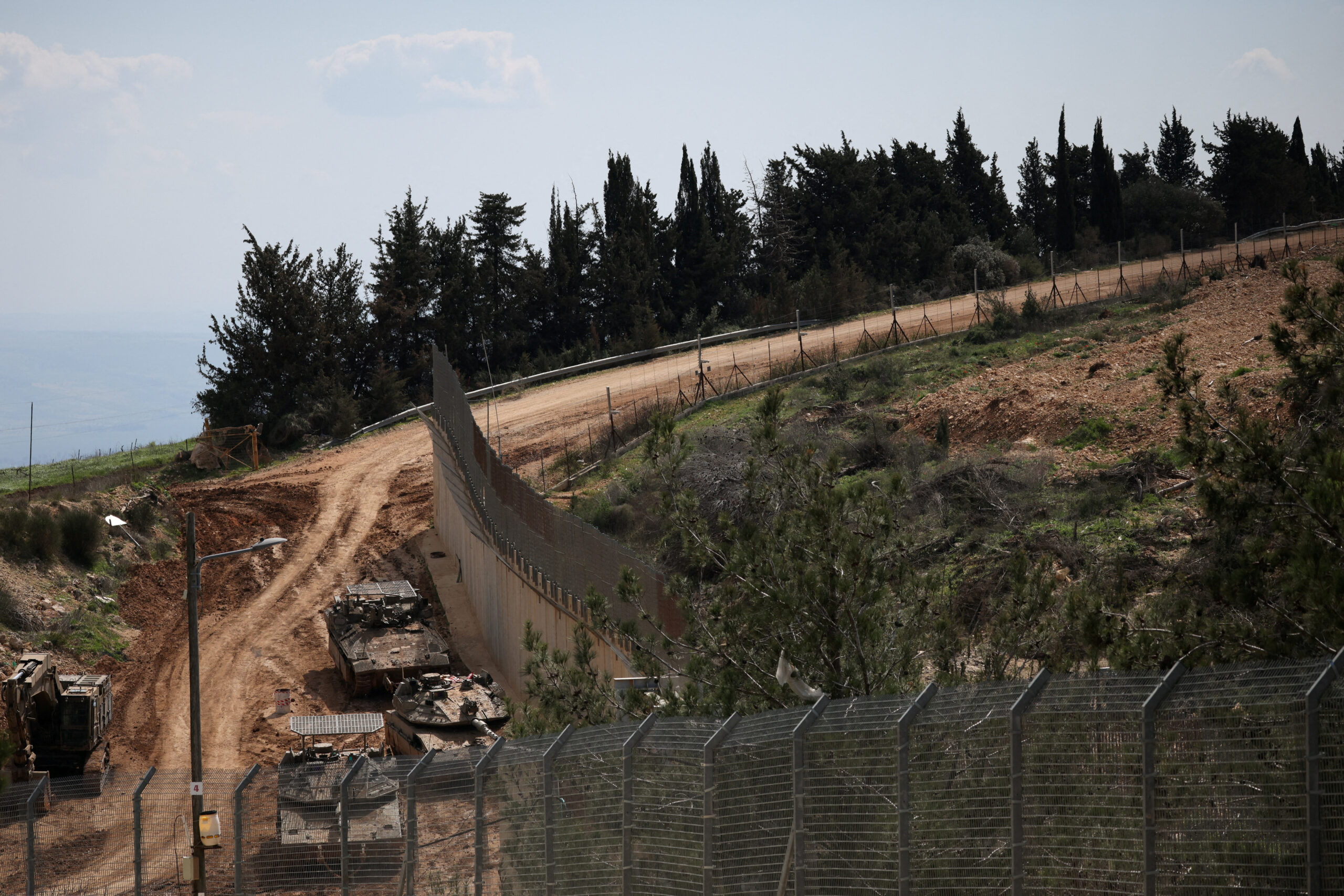
Israel launches ground incursion into south Lebanon, Lebanese govt reviews scenarios as military withdraws
Israeli forces began an incursion into south Lebanon on Tuesday under cover of airstrikes, its military announced. While the Israeli military downplayed…

The ‘open battle’ comes to Lebanon
In the Lebanese border village of Ainata, Batoul Ismail was awoken by her mother shortly after midnight with the news: rockets had…
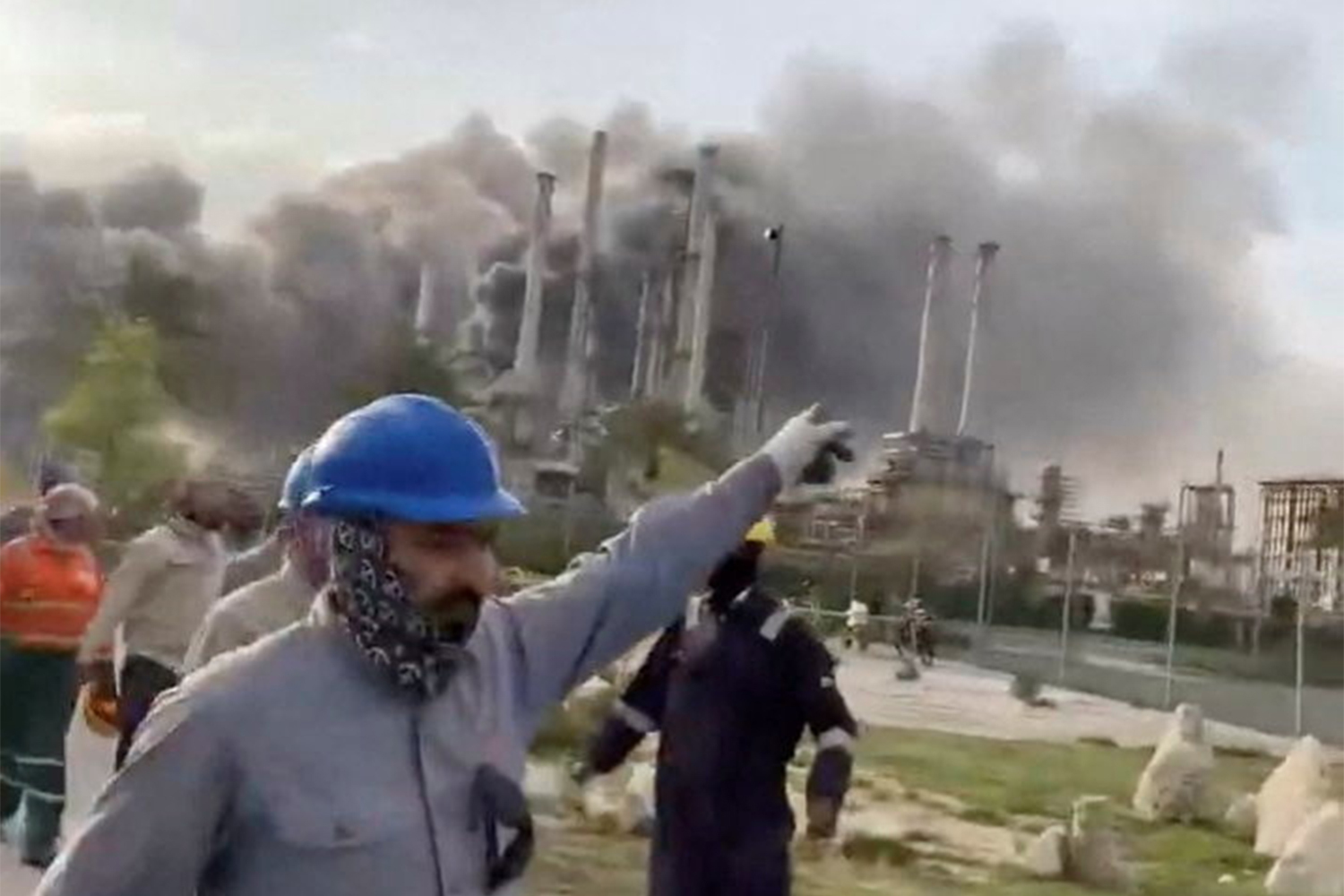
Shutdowns at Gulf industrial facilities as scope of US-Israel war on Iran widens
Iranian strikes over the last 24 hours began to hit Gulf industrial and logistical hotspots, leading to shutdowns at key facilities —…
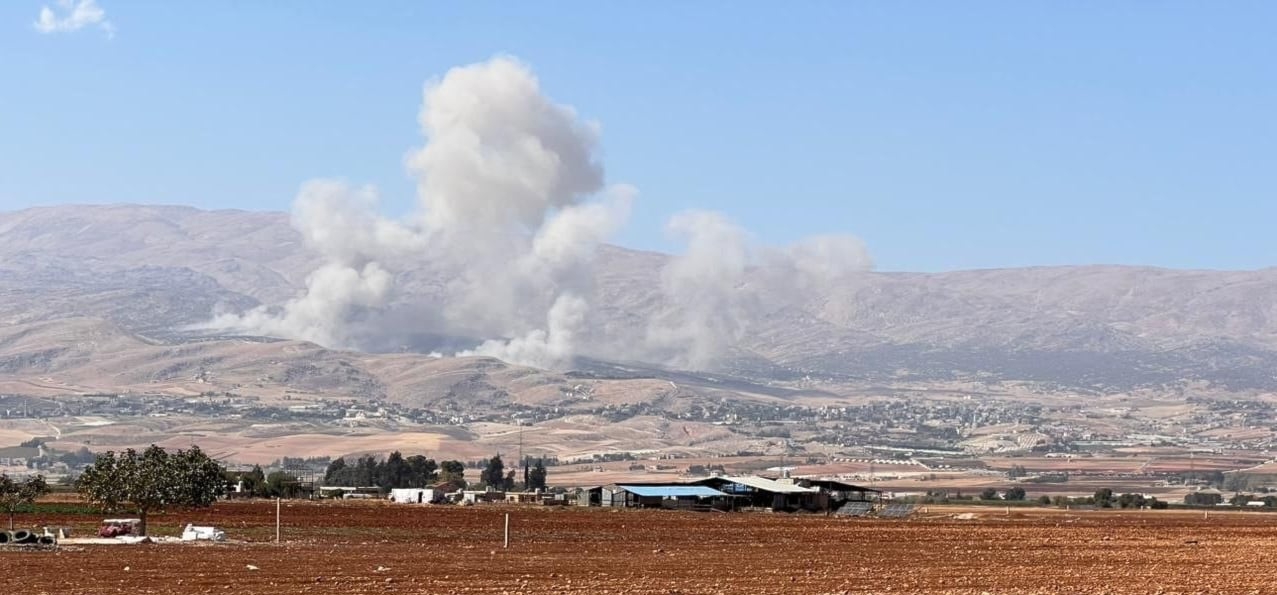
As Israel ramps up strikes on Lebanon, Egypt’s intelligence chief joins international push to de-escalate by kickstarting talks
“Calming the situation in Gaza should reflect positively on the region,” Egypt’s ambassador to Lebanon, Alaa Moussa, told reporters at a press…
Your support is the only way to ensure independent, progressive journalism survives.
You have a right to access accurate information, be stimulated by innovative and nuanced reporting, and be moved by compelling storytelling. Subscribe now to become part of the growing community of members who help us maintain our editorial independence.
Join us