
Israel to increase gas supply to Egypt for reexport to EU, as bloc moves to cut Russian energy dependence

Egypt and Israel signed on Wednesday a preliminary agreement for the export of natural gas to Europe under the umbrella of the East Mediterranean Gas Forum as the EU looks to break its dependency on Russia’s supply.
The cooperation deal, signed in Cairo by Egypt’s Petroleum Minister Tarek al-Molla, Israeli Energy Minister Karine Elharrar and EU Commissioner for Energy Kadri Simson, represents “a very significant opportunity” to encourage cooperation between member states of the gas forum, which began four years ago, Molla said on Wednesday.
“In a historical moment,” Harrar said in a statement, “the small country of Israel became a significant player in the global energy market.”
Under the memorandum of understanding signed by the three sides on Wednesday in Cairo, Harrar added, the signatory parties are to work together to enable a regular supply of natural gas to the EU member states from Egypt, Israel and other sources, “using natural gas liquefaction infrastructure available in Egypt.”
For Europe, Russia’s invasion of Ukraine exposed Europe's heavy dependence on Moscow for its natural gas demand, with 40 percent of European supplies piped in from Russia. In March, the EU laid out a five-year plan to cut its reliance on Russia’s gas supply by two-thirds this year, and to end Russian gas imports well before 2027.
In a bid to increase pressure on Europe, Russia has limited its gas supply to the EU countries, with Russian suppliers cutting the flow of gas to Germany and Italy this week by 40 and 15 percent respectively, in what Germany’s vice chancellor described as a “political” move.
European Commission President Ursula von der Leyen expressed her relief that such an agreement “will work on the stable delivery of natural gas to the EU from the East Med region” and will contribute to our EU energy security” on Wednesday after the agreement was signed in Cairo.
Egypt has long had ambitions to become an energy export hub for the Eastern Mediterranean, with much of the gas coming from nearby Israel for liquefaction reexport from Egypt. A 2018 deal valued at $15 billion was to see gas piped from Israel reach a peak of 7 billion meters per year in 2022.
In line with its plans, Egypt’s output has grown, with about 6.8 million tons of LNG shipped out of the country in 2021, about a four-fold increase from 2020 when a COVID-19-induced slump sent global demand plummeting and prompted Cairo to shut its facilities rather than export at a loss.
In Egypt, Israeli gas is transported through the Arish-Port Said pipeline to the natural gas liquefaction plants in Damietta and Edco, where it is liquefied and re-exported. Egypt, in turn, receives fees for transporting the gas through its national grid and for the liquefaction process, according to what former Petroleum Minister Osama Kamal told Mada Masr.
But with Egypt’s own domestic market increasingly energy-hungry, Egypt has increasingly opted to settle liquefaction and transportation fees for Israeli gas with in-kind gas transfers instead of cash, in an attempt to bridge the growing inability to meet domestic consumption and against the backdrop of the Zohr field drying up faster than expected.

Ahmed Medhat
Ahmed Medhat is a journalist and independent researcher who worked with international media offices in Cairo. He holds a BA in Islamic Studies and Linguistics from Al-Azhar University. Past projects…
أخبار ذات صلة
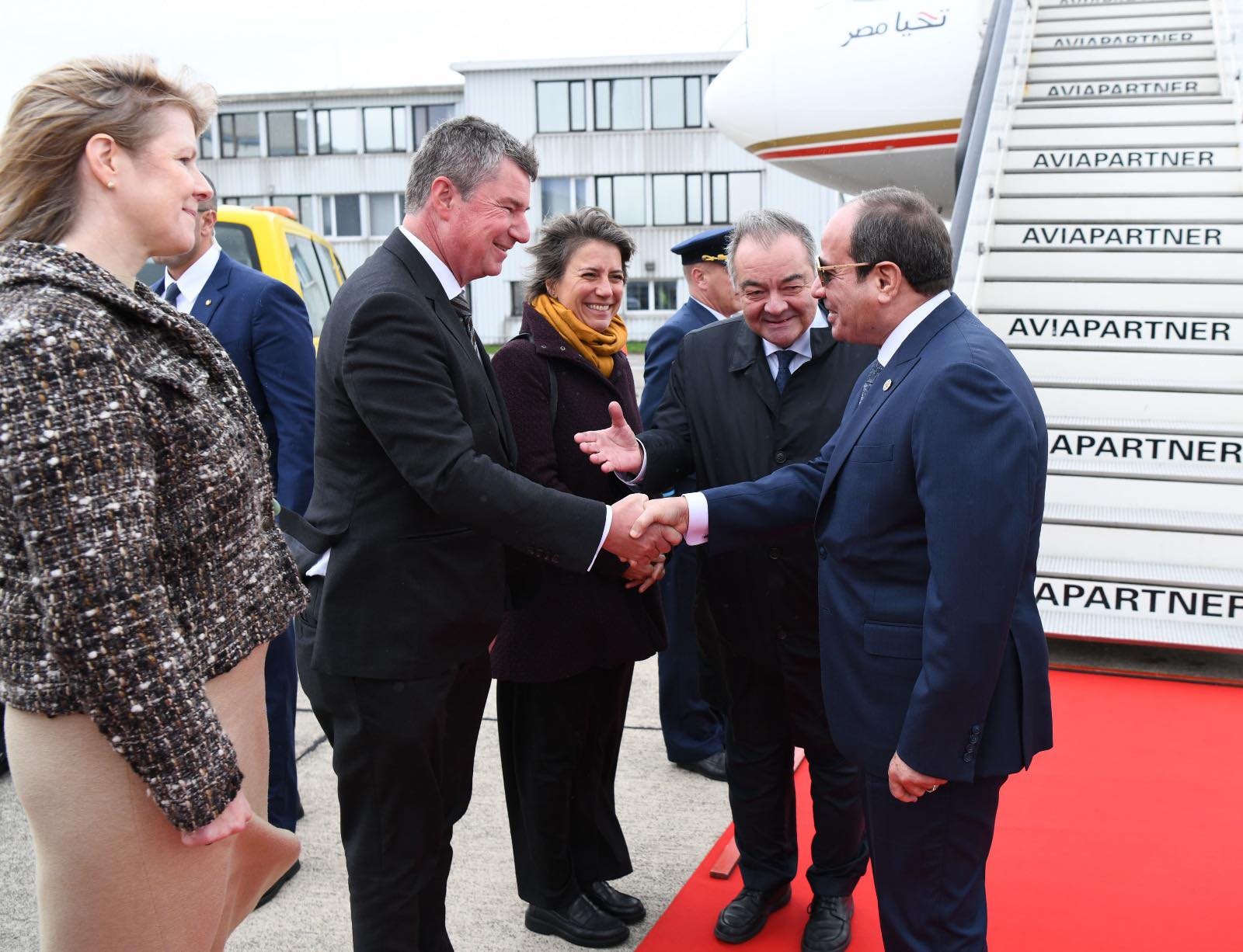
Europe hosts Sisi at ‘strategic partnership’ summit expected to pave way for disbursal of 4 billion euros
President Abdel Fattah al-Sisi landed in Brussels on Tuesday to attend the European and Egyptian leaders summit, an event where he is…
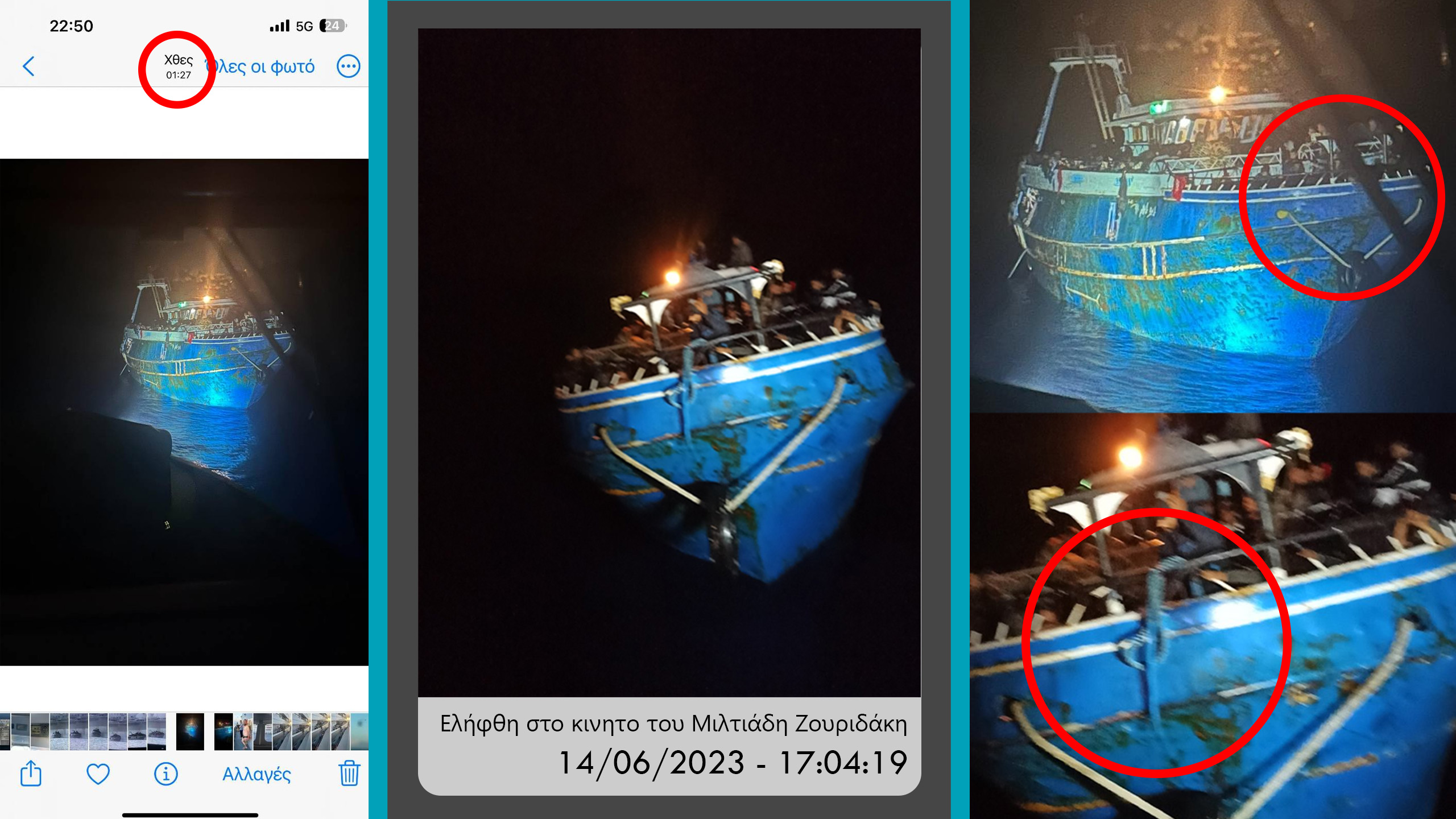
The Pylos shipwreck, the disappearing blue rope, and the trial ‘to determine the kind of world we want to live in’
A boat carrying hundreds of migrants, including 200 Egyptians, sank off the coast of Pylos in 2023
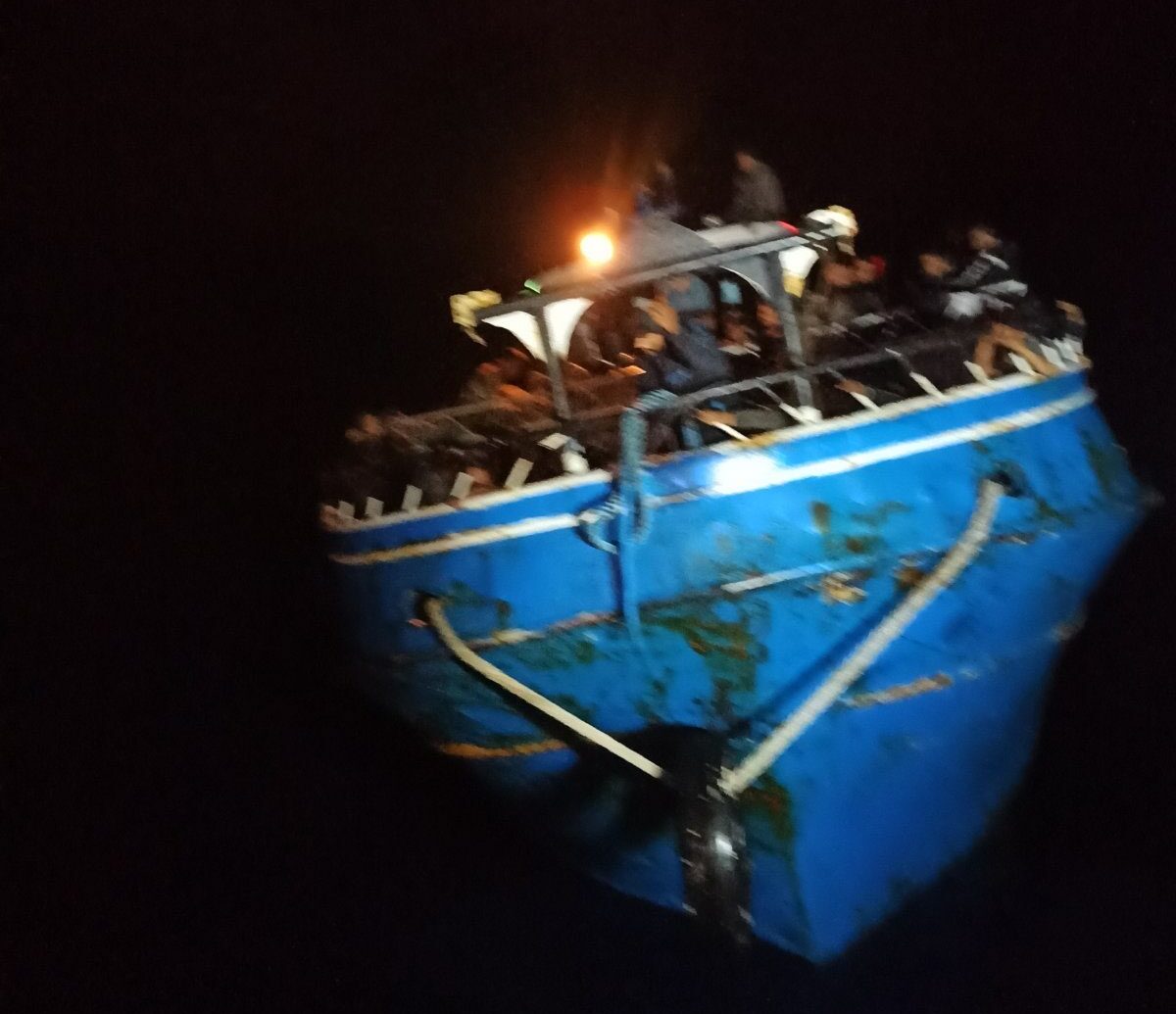
Greek coast guard officials face criminal investigation 2 years after deadly shipwreck
A naval court in Greece has referred 17 members of the country’s coast guard to criminal investigation for causing the deaths of…
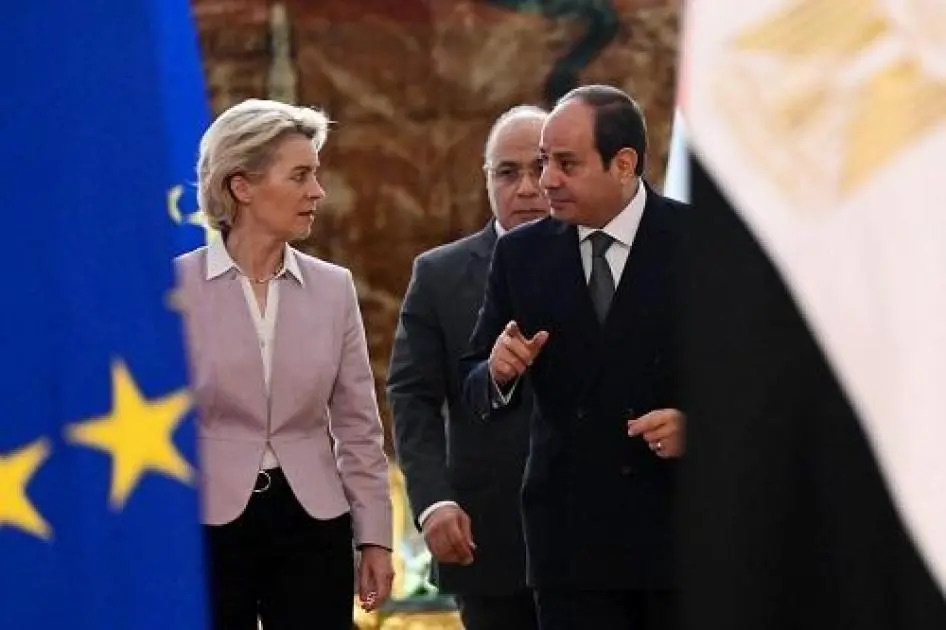
EU based 1 billion euro payout to Egypt on ‘credible steps’ regarding human rights, democracy
The European Commission said that it found Egypt took "concrete and credible steps" with regard to respecting effective democratic mechanisms, human rights…
Your support is the only way to ensure independent, progressive journalism survives.
You have a right to access accurate information, be stimulated by innovative and nuanced reporting, and be moved by compelling storytelling. Subscribe now to become part of the growing community of members who help us maintain our editorial independence.
Join us