
Israel kills dozens of Palestinians in attack on residential blocks in Beit Lahia, Jabalia

Following its withdrawal from the Kamal Adwan Hospital on Saturday, Israeli military operations in northern Gaza continued with airstrikes on several residential areas in Beit Lahia and Jabalia camp overnight, which eyewitnesses said have killed dozens of people.
It was difficult to establish the exact number of fatalities, with the civil defense unable to provide services and hospital capacities in the northern part of the strip severely compromised after the storming of Kamal Adwan.
Israel’s unprecedented assault on northern Gaza has now continued for three consecutive weeks, during which time the Occupation advanced in a northeastern direction, demolishing homes, shelters, shops and facilities in its wake, with its constant fire restricting the movement of residents and the provision of services, goods and supplies.
Israeli forces targeted a residential block in Beit Lahia on Saturday that was housing thousands of residents who had not left their homes, Gaza Civil Defense spokesperson Mahmoud Basal told Mada Masr. Intense shelling on the block killed over 30 people, he said.
The residential block included the Masri, Abu Shadaq and Salman families, along with many others who had fled from Jabalia camp to Beit Lahia.
He attributed the information to messages received by civil defense teams about people trapped under the rubble, but noted that the staff have been unable to continue working after many personnel were killed or arrested in recent days.
Basal also noted that another massacre took place on Saturday night when Israeli forces struck a home belonging to the Ghabayin family in Beit Lahia, killing 10 people.
In Jabalia camp, Israeli forces also struck a home belonging to the Ajouri family, killing 18 and injuring dozens, while eyewitnesses reported that the Occupation also bombed an entire residential block near the Fakhoura School.
Ramy al-Nems, an eyewitness, said the area was subjected to heavy artillery shelling, indicating that dozens might have been killed. The homes in this block mainly belong to the Ajouri, Najjar, Abu al-Jidyan and Daour families. Nems said that Israeli tanks remained positioned nearby and drones were hovering heavily overhead, making it risky for anyone to approach and leaving dozens trapped under the rubble.
Basal told Mada Masr that health services also remained compromised on Sunday after Israeli forces withdrew on Saturday from the vicinity of Kamal Adwan hospital — after arresting dozens of displaced residents and doctors.
Before withdrawing from Kamal Adwan, Israeli forces deliberately set fire to ambulances, bulldozed large areas around the hospital and burned dozens of nearby homes, according to Anas al-Sharif, a journalist reporting for Al-Jazeera from the Jabalia camp, who reported the information via his Telegram account. Marawan al-Homs, the Gaza field hospitals director, likewise told Al-Jazeera that Occupation forces deliberately destroyed medicines at the hospital to prevent medical teams from treating the wounded.
The Gaza Health Ministry reported on Saturday that the Israeli military had arrested all male medical staff at Kamal Adwan, along with several patients and injured individuals, while women were held in one room without water or food.
Around 600 people were in the hospital at the time, including patients, injured people, patients’ companions and medical staff, according to the Health Ministry.
Another journalist in the area, Mohamed Sharif, said that following the withdrawal, eight bodies were recovered from inside the hospital, including that of the son of the hospital’s director Dr. Hossam Abu Safieh.
The ministry also reported the deaths of two children due to power outages which were exacerbated by the destruction of solar panels supplying additional electricity and the oxygen station failing to operate.
Some of the doctors arrested during the storming of the hospital have now been released, Bassal told Mada Masr on Sunday.
Nevertheless healthcare remains compromised as the three major hospitals in northern Gaza — the Indonesian Hospital, Kamal Adwan Hospital in Beit Lahia and Awda Hospital in Jabalia — are facing severe shortages of medical supplies, fuel and food as the Israeli military has cut off all supply routes.
Gaza Health Ministry spokesperson Eyad Qadih previously told Mada Masr that around 370 patients suffering from chronic conditions currently require intensive care.
On Friday, UNICEF stated that the evacuation rate for sick and injured children from Gaza has fallen from 296 to just 22 per month due to the Israeli military’s occupation of the Palestinian side of the Rafah crossing since May, halting border operations with Egypt.
UNICEF spokesperson James Elder warned at a UN press briefing in Geneva that the current pace, which he described as "lethal," would mean that “it would take seven years to evacuate the 2,500 children needing urgent medical care.”
أخبار ذات صلة
Prices surge in Gaza redoubling food insecurity after Israel shuts borders citing attack on Iran
For the first week of Ramadan, Reem al-Masdar was cooking vegetables, salad and bread to prepare iftar and sohour meals for her…
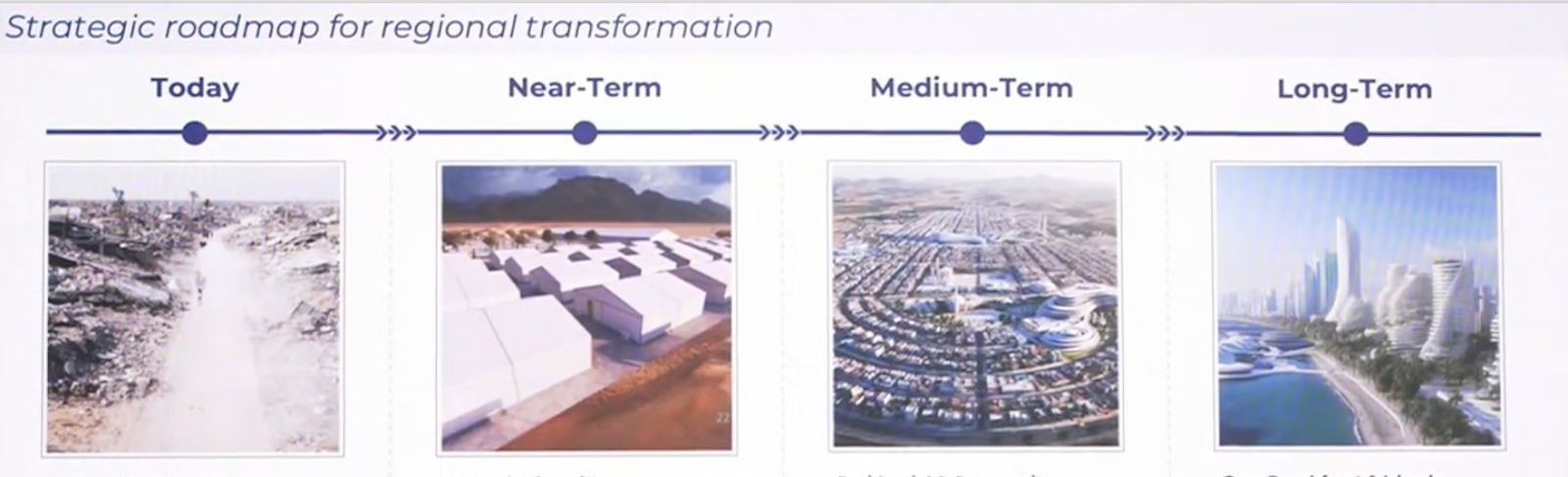
Gaza, the Board of Peace and the active cancellation of the past
The future By the time we get to the speech of Cypriot-Israeli real estate businessman and billionaire Yakir Gabay at the Board…
Only 12 Palestinians permitted to return to Gaza Strip since Rafah crossing opened
Sabah al-Raqab is one of only 12 Palestinians who have been able to return to the Gaza Strip via the Rafah crossing…

Israel agrees to limited reopening of Rafah border crossing — details pending
Israeli Prime Minister Benjamin Netanyahu’s office announced on Monday that it has agreed to a “limited reopening” of the Rafah border crossing…
Your support is the only way to ensure independent, progressive journalism survives.
You have a right to access accurate information, be stimulated by innovative and nuanced reporting, and be moved by compelling storytelling. Subscribe now to become part of the growing community of members who help us maintain our editorial independence.
Join us