
Only 12 Palestinians permitted to return to Gaza Strip since Rafah crossing opened
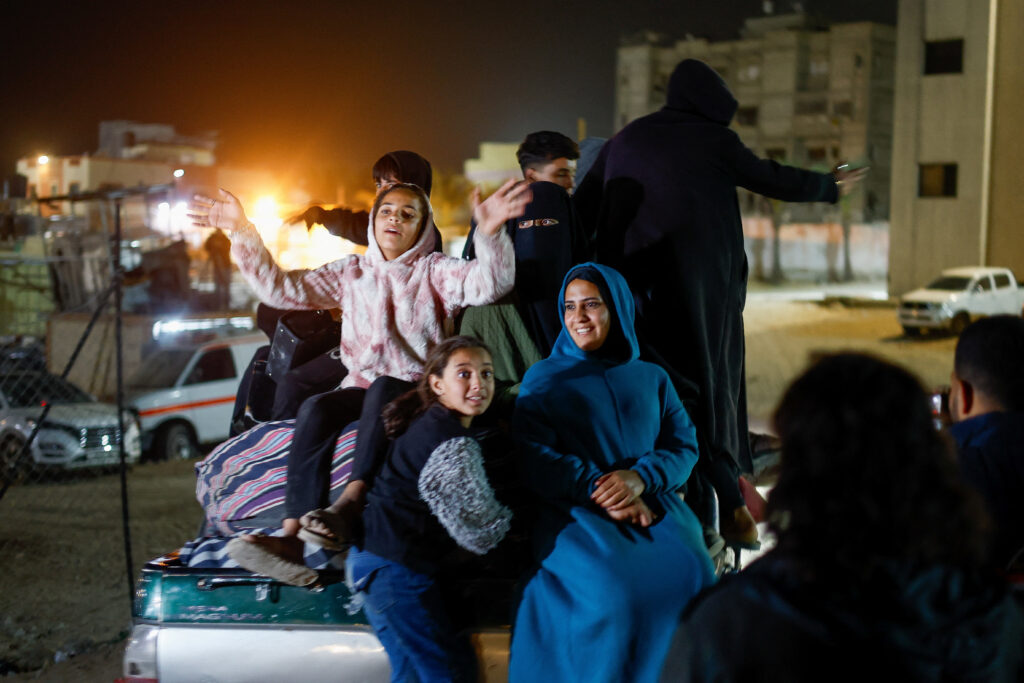
Sabah al-Raqab is one of only 12 Palestinians who have been able to return to the Gaza Strip via the Rafah crossing since its partial reopening on Monday.
She left Arish in the morning with a group of about 50 people. They passed through the Egyptian side of the crossing into its Palestinian terminal, only for most to be turned back to wait at the Egyptian terminal. Raqab would then travel through a checkpoint controlled by the Israeli military before reaching the strip.
She described to Mada Masr the “degrading manner” in which she and the other returnees were treated at an Israeli checkpoint they were forced to pass through as they returned to Gaza after months of waiting.
The slow return, hampered by aggressive Israeli checks and searches, has dampened anticipation that the reopening of the crossing for the first time since 2024 could be a window of hope for the thousands of Palestinian families separated by the war.
After Raqab and only five other people in her group passed through the Rafah crossing, she said they were transported in European Union-affiliated vehicles to a different location.
They were not informed where they were going, she added, but they were stopped en-route by armed personnel and taken to an Israeli checkpoint, “where we were treated in a degrading manner.”
Shackled and blindfolded, the group was taken in for an hours-long interrogation, Raqab said. “We were threatened with arrest, and all our personal belongings were confiscated, even food and children’s toys.”
Israeli soldiers threatened to torture and arrest Raqab in front of her child, whom they also threatened to take.
“We remained there for several hours before we were allowed to cross, without any of our belongings except some clothing,” she continued, and then they were eventually transported by a United Nations bus to the Nasser Medical Complex. The Palestinian Interior Ministry said on Tuesday morning that only 12 people were allowed to return to the strip.
Raqab’s ordeal took place at what Israel has dubbed “the Regavim crossing,” a checkpoint Israeli forces who still control Palestinian Rafah have erected five kilometers northeast of the crossing, on Salah Eddin Road. Images of the checkpoint and its barbed-wire tunnel were quickly compared to a prison by social media users.
The Occupation military announced Sunday that the Regavim crossing would be used to verify the identities of departing Palestinians through control rooms equipped with facial recognition devices that compare faces to a list of names. Upon matching, the gate would be opened for passage.
As testimonies like Raqab’s emerge from the few returnees allowed to enter the strip, Hamas and the new Palestinian National Council formed under the ceasefire have condemned Israel’s treatment of the travellers.
Condemning the interrogations, blindfolding, threats and confiscation of property as “terrorist practices carried out by the Occupation army against sick travelers and their companions coming from Egypt to the Gaza Strip through the Rafah crossing,” the National Committee for the Administration of Gaza stated on Monday.
“The aim is to pressure citizens to remain and force them into exile,” according to the committee’s statement.
Two senior sources in Fatah told Mada Masr last week that they anticipate Israel will seek to limit the number of Palestinians allowed to return to Gaza compared to those permitted to exit in order to effectuate the gradual displacement of the population. The concern has stirred commentary in Egypt’s press.
So far there is no information available about the mechanism by which Palestinians can register or gain permission to return to the strip.
The United States Embassy in Cairo stated on Monday that “exit from and entry into the Gaza Strip via the Rafah Crossing may be permitted only after prior security clearance by both the Governments of Israel and Egypt,” noting that this also applies to “the return of residents to Gaza.”
The situation leaves those wishing to return — around 30,000 Palestinians so far, according to one of the Fatah sources — in limbo, whether suspended mid-travel or waiting in Egypt.
Amira*, a mother of three, who left Gaza for Egypt a year ago to seek treatment for her daughter’s heart condition, was among those who were sent back after being searched at the Palestinian side of the terminal and having all her belongings confiscated, her brother, Fawaz Salama, told Mada Masr.
During the searches, he said that the returnees mobile phones, electrical appliances, personal belongings and cigarettes were confiscated.
When he spoke to Mada Masr, his sister had been waiting in the Egyptian terminal for over 30 hours.
As for Ziad Saidam, he is one of around 100,000 Palestinians from Gaza who crossed into Egypt after October 2023. He has been in Egypt since, but is yet to obtain legal residency papers.
After the Palestinian Embassy in Cairo announced it would be coordinating the return of Palestinians to Gaza in October last year, he registered his information.
But he has yet to receive any response regarding his travel. He longs to return to his family in the strip, he told Mada Masr.
“But after witnessing the humiliation and mistreatment [inflicted on] those returning, I decided not to go back so we can preserve our dignity."
أخبار ذات صلة
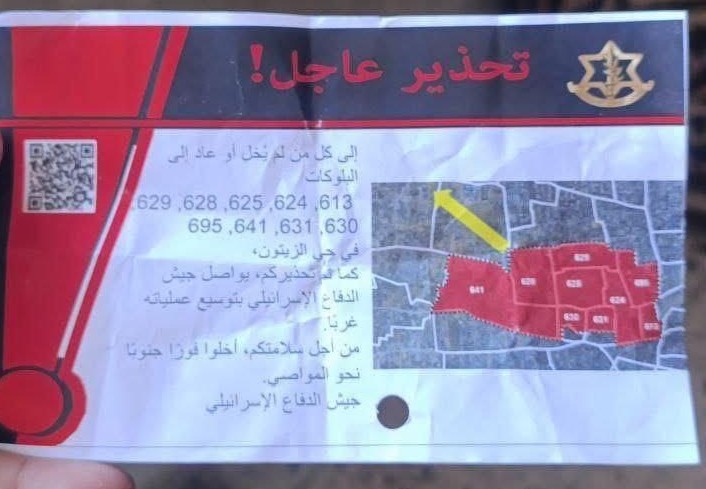
Israeli military to displace Gaza City’s population to new ‘humanitarian zone’ in strip’s south
Ahead of a military advance to fully occupy Gaza City, Israeli officials said they were finalizing steps on Sunday to evacuate the…
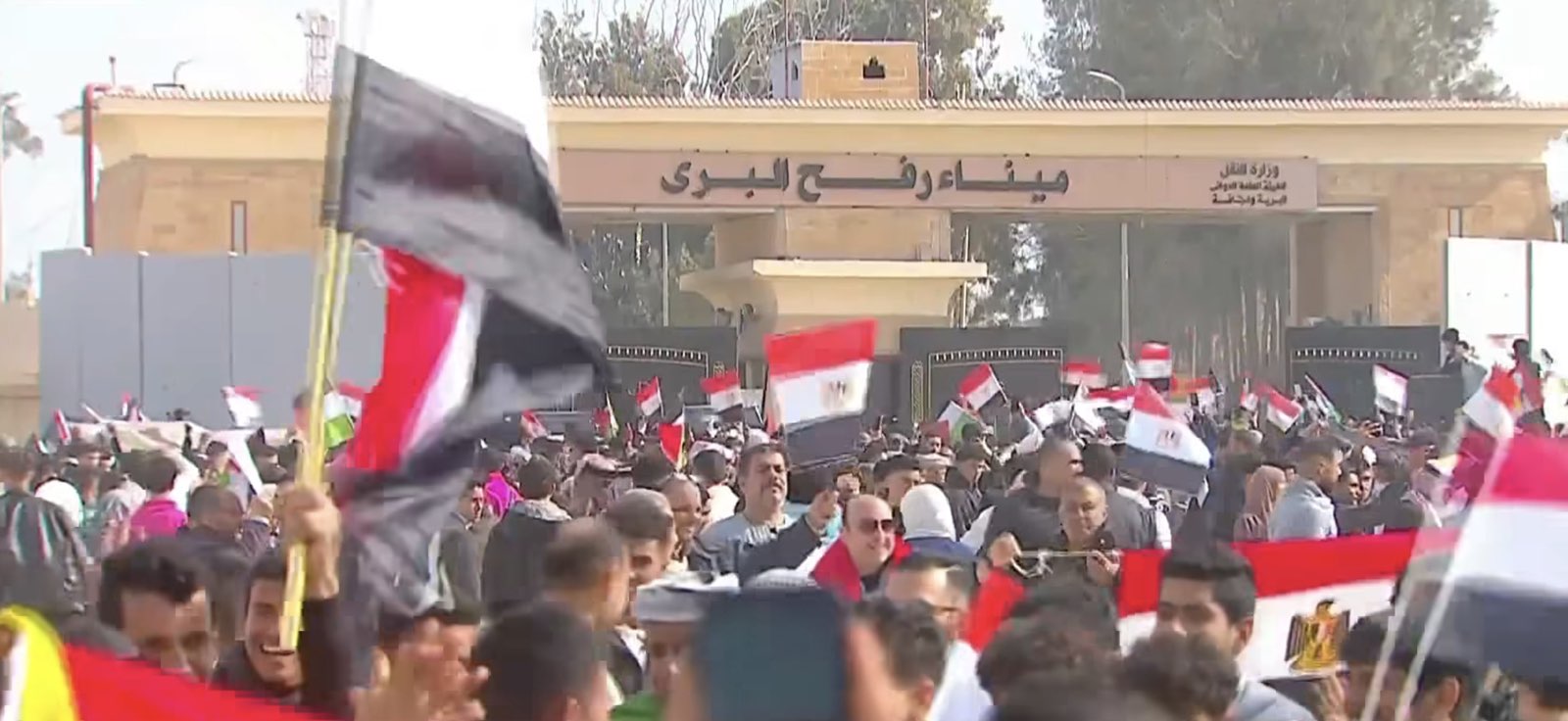
Thousands demonstrate in Rafah in support of Sisi’s position against forcibly displacing Palestinians
Thousands of people were transported across the country to Rafah on Friday to join organized demonstrations in opposition to the forced displacement…
Senior Egyptian official says exchange of fire took place in Naqab desert, not on Egypt’s border
This is the fourth attempted drug smuggling operation to be reported since October 7 in the area.
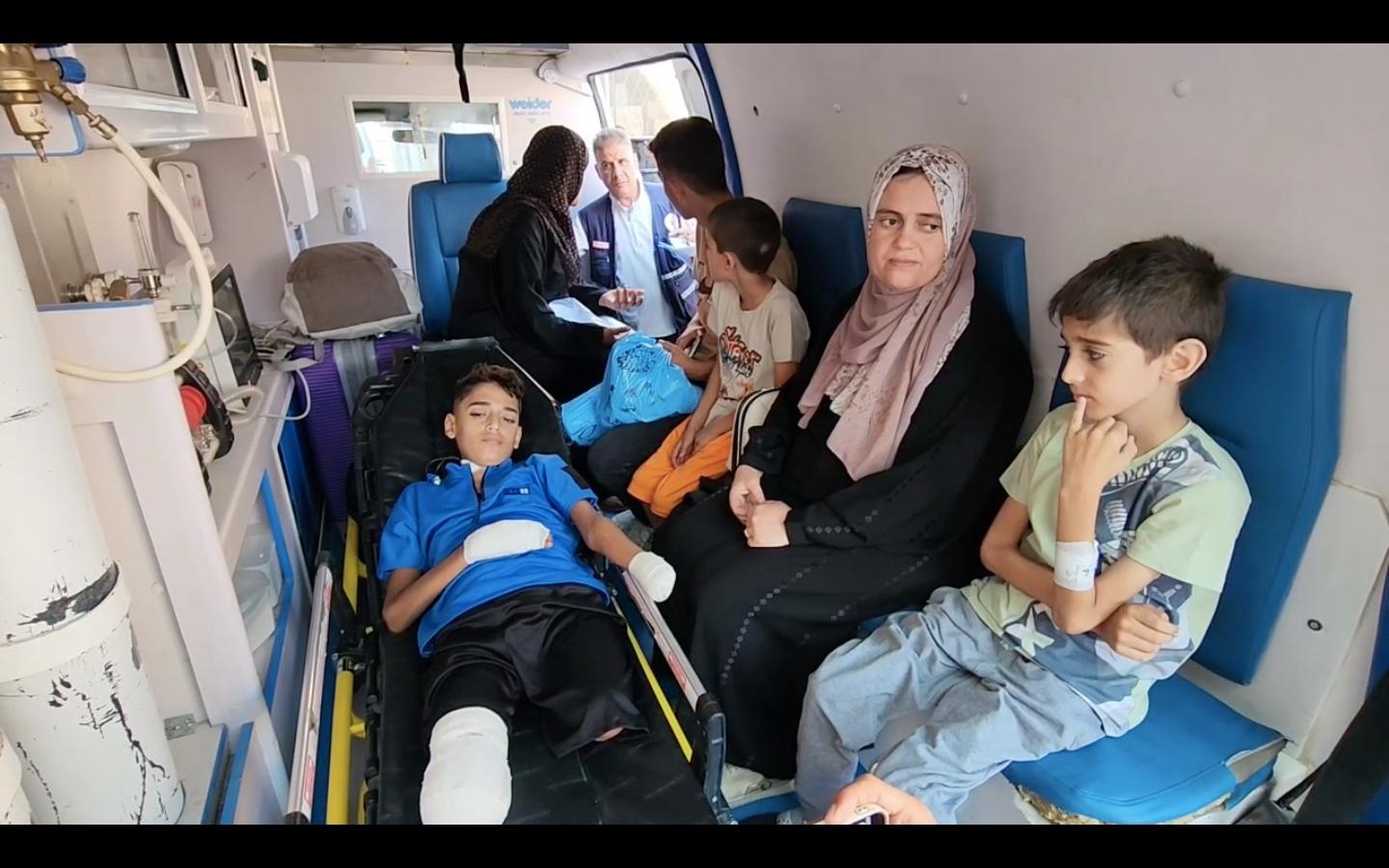
80 Palestinians leave Gaza for Egypt in 1st medical evacuation since Israeli invasion of Rafah
Eighty people, including 21 children diagnosed with cancer and their guardians, left the Gaza Strip via the Karam Abu Salem border crossing…
Your support is the only way to ensure independent, progressive journalism survives.
You have a right to access accurate information, be stimulated by innovative and nuanced reporting, and be moved by compelling storytelling. Subscribe now to become part of the growing community of members who help us maintain our editorial independence.
Join us