
Health Ministry hikes fees at mental health, addiction facilities
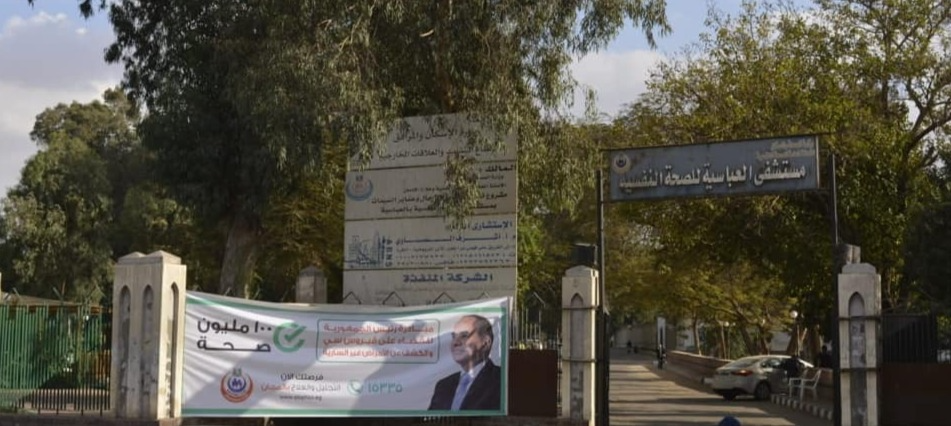
Patients at mental health hospitals and addiction treatment centers will now pay significantly more for services ranging from disability evaluations to inpatient care, after the Health Ministry hiked fees at the start of August under a decree obtained and reviewed by Mada Masr.
Two psychiatrists warned that the increases will put essential care out of reach for many.
Decree 2020/2025 came into effect on August 3, raising the cost of common tests at mental health and addiction facilities.
Kidney and liver function tests, blood sugar analysis, and complete blood count tests — once bundled for LE130 — now cost LE400, according to Mahmoud Fouad, head of the Right to Medicine Foundation. Electrotherapy sessions have jumped from LE150 to between LE200 to LE400, while certified medical reports and documents now cost LE100, up from LE30.
Previously, psychiatric patients unable to pay received these services free of charge, while the Fund for Combating and Treating Addiction and Abuse covered costs for patients with addictions.
But that support has been steadily rolled back since 2020, when former Health Minister Hala Zayed revoked legislation that exempted low-income mental health patients from treatment fees.
Ahmed Hussein, a coordinator with the Our Destiny is One campaign and former psychiatrist at Abbasiya Mental Health Hospital, called the hikes “a certain disaster for a large segment of patients with special needs and circumstances.”
Many of these patients, he said, live with chronic conditions prone to relapse, requiring continuous monitoring, yet often struggle to support themselves financially without proper care.
“The state should have taken this into account before issuing such a dangerous decision,” he said, as “the impact will affect the whole community, not just the patient and their family. Most treatments are expensive, and many families are unable to afford patient care and treatment.”
Another psychiatrist at a Health Ministry hospital under the General Secretariat for Mental Health and Addiction Treatment (GSMHAT) echoed the concern, saying it can be difficult for psychiatric patients to find employment in conventional places of work.
“If I ask their families to pay these higher fees, given the current economic conditions, they will refuse,” the psychiatrist told Mada Masr on condition of anonymity. Families already abandon relatives with psychiatric conditions at hospitals, seeing them as a burden they cannot or do not wish to care for. With the new hikes, the psychiatrist said, more patients are at risk of being left behind and ultimately ending up unhoused and exposed.
Hussein also fears the decision will drive addiction rates higher, citing GSMHAT research showing that addiction affects three percent of the population, while 25 percent suffer from mental illness, “including 10 percent who need care.”
The second psychiatrist noted that the quality of mental health services has declined in recent years, with no maintenance carried out at facilities for over two years, even as fees have climbed.
While the official rationale for the increase is to boost revenue for hospitals’ special funds — intended for maintenance, staff bonuses, and end-of-service benefits — the psychiatrist said, “that’s not happening.”
The latest regulations reflect a broader push to raise the cost of care, based on a proposal by former GSMHAT General Secretary Menan Abdel Maqsoud, according to the psychiatrist, themselves a former official at the GSMHAT.
أخبار ذات صلة

Piled-up debts, missing medicines: Sisi cuts back powers of Unified Procurement Authority
UPA’s debt crisis has led to severe drug shortages and higher out-of-pocket costs for patients
No prescriptions, no appointments: Cancer patients at Hermel Hospital hit by treatment crisis after private sector take over
The waiting area of Dar al-Salam Hermel Cancer Hospital was crowded earlier this month with patients and their families who had come for the treatment they are accustomed to receiving…
Doctors say new law would criminalize reasonable medical error, call on politicians to intervene
A new bill that would alter the legal approach to medical malpractice is causing a stir among doctors. If passed, the bill…
Operation rights for 300 public hospital ICU beds handed to National Bank of Egypt
The Health Ministry announced in August that it signed a cooperation protocol with the National Bank of Egypt (NBE) for the operation…
Your support is the only way to ensure independent, progressive journalism survives.
You have a right to access accurate information, be stimulated by innovative and nuanced reporting, and be moved by compelling storytelling. Subscribe now to become part of the growing community of members who help us maintain our editorial independence.
Join us