
Operation rights for 300 public hospital ICU beds handed to National Bank of Egypt

The Health Ministry announced in August that it signed a cooperation protocol with the National Bank of Egypt (NBE) for the operation of five public hospitals’ intensive care complexes, totaling 300 beds in the first phase.
Ministry and medical sources speaking to Mada Masr noted that the protocol is likely to reduce the facilities’ accessibility to patients who rely on state-funded care.
The complexes comprise units within five public hospitals, a Health Ministry source told Mada Masr on condition of anonymity, noting that the protocol is being implemented under a recent law known as the “public hospital leasing” law, which paves the way for the private sector to establish and manage public healthcare facilities.
Abdel Ghaffar’s statement did not specify which intensive care beds are to be contracted out, nor which entity the NBE would delegate to manage the beds.
The ministry source, however, told Mada Masr that they include some of the intensive care beds in Abbasseya Fever Hospital, Ain Shams General Hospital, Qanater al-Khayreya Central Hospital and two other hospitals in the Gharbiya and Monufiya governorates. The bank is to manage the intensive care beds through the NBE’s charity association, its affiliated charity, the source added. The intensive care beds will be made available to patients paying privately, individuals covered by health insurance and those receiving state-funded treatment, ensuring a steady revenue stream for the operating entity.
The charity said that no fever cases coming to Abbasseya Fever Hospital will be admitted to its intensive care unit, the source said. Instead, all 30 intensive care beds at Abbasseya will be reserved for patients assigned to it by the operator.
Assigning the NBE the responsibility of operating the intensive care units instead of public hospital management will benefit both parties, the Health Ministry source said, but it will also negatively impact patients who rely on receiving public health care in these hospitals, he added.
Financially disadvantaged patients who visit outpatient clinics and emergency departments at these hospitals will therefore face delays in receiving care that they urgently need. They will either have to wait to complete the paperwork to secure state funding for treatment, or for the Health Ministry’s operations room to secure a spot for them in an available intensive care unit.
A medical source at Abbasseya Fever Hospital who spoke to Mada Masr on condition of anonymity described the concession of operation rights as a disaster. “If a child comes to our ER with purulent meningitis and needs urgently to be admitted to intensive care at a fever hospital, we’ll have to transfer them to the nearest fever hospital with an available ICU bed in Banha or Shebeen al-Kom, even if there are 10 empty beds in Abbasseya,” they said.
The ministry source, meanwhile, noted the benefit of contracting out operation rights to the department, arguing that it is difficult for the government to operate the department at present given a shortage of human resources. Many doctors and nurses are resigning due to low public sector wages, with hospital budgets insufficient to hire additional medical staff to meet demand.
Once the ICUs are transferred to the NBE and its affiliated charity organization, the source continued, these units will become independent of public hospitals. The investor will be able to bring in medical and technical staff and workers on more lucrative contracts than those offered in the state sector, especially since the contracting system only requires 10 percent payroll tax and does not require the institution to provide insurance or for staff to pay income tax as they are not fully employed. The investor will also benefit from the same support available to public hospitals in terms of utility costs, for instance, allowing them to harvest a greater profit margin from healthcare services, including intensive care for state-funded patients, those covered by health insurance and individuals paying privately. Each intensive care complex will have a fund managed by the investor, according to the source.
A second doctor at Abbasseya hospital who spoke to Mada Masr on condition of anonymity raised their concern that public hospitals are being emptied of real healthcare services, as their most developed departments are separated and handed over to private sector management.
The government source stressed the danger of separating and handing over developed units in public hospitals to private management, as this detracts from public healthcare services. Over the past three years, the source explained, banks and civil society organizations have donated to develop a large number of public hospitals to improve healthcare services for the financially disadvantaged. However, after these hospitals were upgraded, their management is now being transferred to the private sector and the NBE with the aim of maximizing profit, which reduces the share of the healthcare services available to those who rely on state-funded care.
The diseases treated by fever hospitals fall under the preventive medicine system, which the law mandates the government to provide free of charge, the second doctor said. This is why the ICU had to be separated from Abbasseya Fever Hospital — in order to legally allow the bank's affiliated charity to operate it independently from the hospital.
The government source also said they anticipated that the contract with the NBE would likely be followed by many more with other investors, particularly in the field of intensive care.
In his statement, Abdel Ghaffar praised the bank's efforts in "supporting and investing in the healthcare sector" and expressed his eagerness to expand joint healthcare projects with the bank, stating that these efforts "contribute to achieving social and health well-being for the Egyptian citizen by providing swift and comprehensive medical services."
The public hospital leasing law, issued by President Abdel Fattah al-Sisi in June, grants the prime minister the authority to license investors to operate existing health facilities for up to 15 years. It also allows them to issue decisions regarding the contract’s terms and conditions and any amendments, the government's share, pricing principles for healthcare services, measures to maintain the employment and financial status of workers and the means of supervision and work monitoring.
When presented to the House of Representatives, the law sparked a wave of criticism and concern about the state abandoning its fundamental commitments in the healthcare sector. Questions were also raised about the extent to which the private sector could take over the government’s role in providing healthcare services.
Before the law was announced, the government had issued a regulation in March that reduced the percentage of free medical treatment and increased the prices of all healthcare services in public and central hospitals, as well as in primary health care units and family health centers, on which the financially disadvantaged rely.
Also in March, Abdel Ghaffar announced the creation and equipping of "intensive care complexes" in several hospitals through partnerships with the private sector and civil society organizations. A complex consists of intensive care beds within a single hospital. At that time, the minister inspected the intensive care complexes at the private Global Medical City Hospital, Ain Shams General Hospital in Cairo and Qanater al-Khayreya Central Hospital in Qalyubia, with 30 beds in each hospital.
See our previous coverage on the public hospital leasing law, and Egypt’s healthcare system, here.

أخبار ذات صلة

No prescriptions, no appointments: Cancer patients at Hermel Hospital hit by treatment crisis after private sector take over
The waiting area of Dar al-Salam Hermel Cancer Hospital was crowded earlier this month with patients and their families who had come for the treatment they are accustomed to receiving…
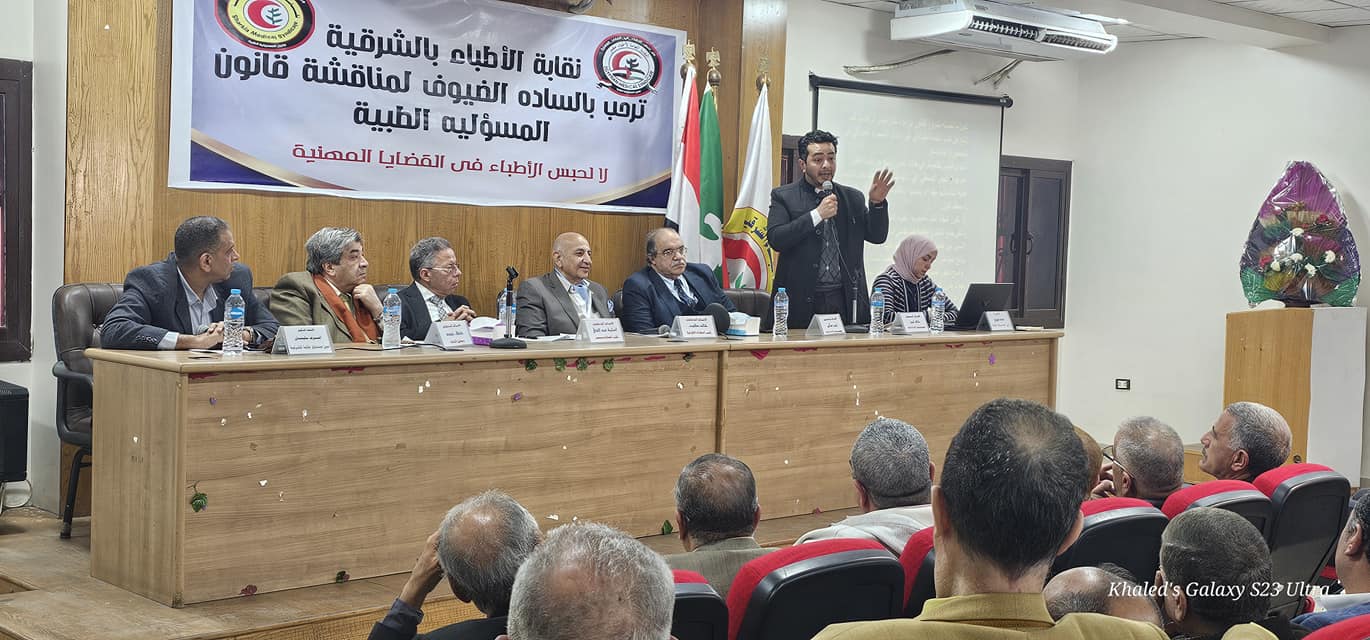
Doctors say new law would criminalize reasonable medical error, call on politicians to intervene
A new bill that would alter the legal approach to medical malpractice is causing a stir among doctors. If passed, the bill…

New legislation paves route for private sector to take over public hospitals
The House of Representatives passed government-proposed legislation on Monday to allow the private sector to establish and manage public healthcare facilities. This legislation reflects a vision President Abdel Fattah al-Sisi…

How pharma companies skirted regulations to make ‘Limitless’ profit
An unregulated food supplement market has been a boon for pharma companies, doctors and regulators
Your support is the only way to ensure independent, progressive journalism survives.
You have a right to access accurate information, be stimulated by innovative and nuanced reporting, and be moved by compelling storytelling. Subscribe now to become part of the growing community of members who help us maintain our editorial independence.
Join us