
Health Ministry confirms first case of Middle East Respiratory Syndrome in Egypt
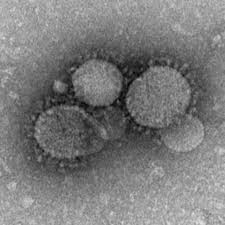
Undersecretary for Preventive Medicine at the Health Ministry Dr. Amr Qandil announced on Saturday that the first case of Middle East Respiratory Syndrome (MERS), caused by a coronavirus, was discovered in Egypt in a young man coming from Saudi Arabia, Reuters reported.
The case was discovered by the quarantine authority at the Cairo International Airport and was transferred to the Abbasseya Fever Hospital, where tests were conducted to confirm the diagnosis.
According to the ministry, 27-year-old Ahmed Saeed started suffering from symptoms of MERS in Saudi Arabia on April 22. He complained from high fever, cough, muscle and joint ache, general fatigue and diarrhea. He was admitted to a hospital in Riyadh, before undergoing medical exams, including a complete blood count, kidney and liver function tests and a chest X-ray, all of which indicated pneumonia.
Saeed was discharged and requested to return to Egypt, arriving at the Cairo International Airport on April 25 at 12:30 am.
Symptoms of MERS infection include high fever, cough, expectoration, and shortness of breath. The illness can also lead to renal failure and severe acute pneumonia, which are potentially fatal.
Doctors at the Abbasseya Fever Hospital examined the case and concluded that Saeed suffers from pneumonia in the right lung, stating he had been in direct contact with a confirmed sufferer of MERS, who has been quarantined in a hospital in Jeddah for the past 14 days. Saeed is currently in “a semi-stable” condition, according to Egyptian state television.
Meanwhile, medical sources at the Safaga Port said that the Health Ministry is following strict procedures examining passengers coming from Saudi Arabia to make sure they're not infected with the coronavirus.
The sources told privately owned Al-Masry Al-Youm newspaper that the quarantine authority is documenting addresses of all passengers coming from Saudi Arabia, including pilgrims, and is notifying health departments in all governorates of follow up precautions.
Ever since the coronavirus was first identified in a patient from Saudi Arabia on April 2012, the World Health Organization (WHO) has been notified of 254 confirmed cases of infection with the virus, of which 93 have been fatal.
While most of the cases were discovered in Saudi Arabia (285), others appeared in the UAE (42), Qatar (seven), Jordan (five), UK (four), Kuwait (three), Tunisia (three), Oman (two), France (two), Germany (two), Malaysia (one), Greece (one), Italy (one), the Philippines (one), Spain (one), and, lately, Egypt (one).
The WHO stated that the original source of infection is yet to be determined, but recent studies suggested a possible relationship with camels. A Health Ministry statement released on Sunday reported the discovery of the coronavirus in four samples among camels, and attributed the cases to the high frequency of traveling to and from countries in the Arabian Peninsula, Al-Masry Al-Youm reported.

أخبار ذات صلة

Who oversees Egypt’s controlled drugs? Constitutional court ruling reignites question over health sector powers
The Supreme Constitutional Court (SCC) ruled on Monday to invalidate a 2023 decision in which the Egyptian Drug Authority reclassified drugs controlled…

Piled-up debts, missing medicines: Sisi cuts back powers of Unified Procurement Authority
UPA’s debt crisis has led to severe drug shortages and higher out-of-pocket costs for patients
Health Ministry hikes fees at mental health, addiction facilities
Patients at mental health hospitals and addiction treatment centers will now pay significantly more for services ranging from disability evaluations to inpatient…
No prescriptions, no appointments: Cancer patients at Hermel Hospital hit by treatment crisis after private sector take over
The waiting area of Dar al-Salam Hermel Cancer Hospital was crowded earlier this month with patients and their families who had come for the treatment they are accustomed to receiving…
Your support is the only way to ensure independent, progressive journalism survives.
You have a right to access accurate information, be stimulated by innovative and nuanced reporting, and be moved by compelling storytelling. Subscribe now to become part of the growing community of members who help us maintain our editorial independence.
Join us