
Gov’t committee reviews bill to establish new education authority
A new bill has been proposed that would establish a General Authority to Support and Fund Educational Projects, the privately owned newspaper Al-Masry Al-Youm (AMAY) reported on Tuesday.
The bill will be reviewed by the education committee, a branch of the legislative reform committee President Abdel Fattah al-Sisi formed in June.
The draft law includes 16 articles that would regulate the authority’s work and specify its jurisdiction, funding sources, legal status and selection procedures.
The authority would be based in Cairo with branches in other governorates, as needed. Under the umbrella of the Ministry of Education, it would support and fund educational projects such as establishing new schools and providing them with equipment, and maintaining existing ones. The authority would also oversee buying, selling and exchanging buildings and lands to facilitate establishing new educational facilities in accordance with the Cabinet’s plan for economic, social and political development.
Farida Makar, a researcher in education issues and nationalism, told Mada Masr that such measures point to the entrenchment of centralized educational policy, despite the government’s declared commitment to decentralization.
“Decisions to build new educational centers or develop existing ones should come from lower administrative levels in governorates, such as educational administrations, since they are more familiar with their needs,” she said, “rather than granting power to a higher body that resides in and focuses on the capital, but still controls the rest of the country.”
Egypt ranks 136 out of 181 countries when it comes to quality of education, according to a recent United Nations study.
The education minister would head up the authority, which would meet at least every two months. Seven other members would be selected by the minister, four of whom would come from within the ministry, alongside three outside experts.
Makar also noted that this is the fourth time a legislative decision regarding education, a vital issue for the nation, has been made in the absence of an elected parliament, which elicits concerns regarding the transparency of the decision-making process.
“Too often I cannot understand the draft laws proposed. They are too generalized, unclear and lack precise steps to fix the known problems with the educational system in Egypt,” she said, adding that often, no one can tell who is meeting and making decisions on this important matter.
The government has issued several contradictory statements recently regarding funding for building new schools and developing existing ones, among other issues.
In August, a seven-point educational strategy was released after a meeting between Sisi and Education Minister Mahmoud Abul Nasr.
The highly controversial proposal relied on encouraging civil society to fund the ministry’s plans to build new schools with classroom capacities of 40 students or less.
Education expert Kamal Mogheeth told Mada Masr that he found the plan unrealistic.
“To reach these class capacities, we need to build 3,000 schools every year over a period of 10 years. Building a school costs around LE2 million, and we are talking about a budget of LE6 billion every year. These plans cannot be left to the generosity of the rich; we need sovereign bodies that will guarantee such vital projects,” he argued.
Meanwhile, the new draft law stipulates that funds for to build and sustain schools will come from the revenues of all fees and fines stipulated by the Education Law, as well as additional fees for obtaining and renewing licenses to build new private schools. Other funding sources include toll fees on applications for transfer between private schools, and tolls on all printed and electronic application forms issued by the ministry.
The authority’s budget would also be drawn from 10 percent of fines and an equal amount of revenues from account services and local development funds in governorates, cities and villages, as well as citizen donations.
The authority will have its own private budget that includes all funding sources and expenses, and will have a private bank account operated by its board of directors.
“It’s obvious that all previous administrative bodies established to tackle education issues have proven their failure,” Makar stated. “So why are we recycling old structures with new laws instead of completely rethinking the existing system and its laws, and building a new, decentralized system?”

أخبار ذات صلة
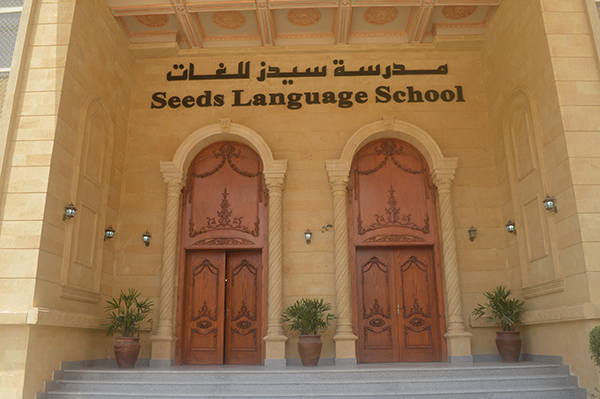
Victims’ lawyer: Military Prosecution to take over school assault investigation under ‘presidential directive’
“On presidential directives,” the Military Prosecution has taken over the ongoing investigation into a series of sexual assaults perpetrated against children at…
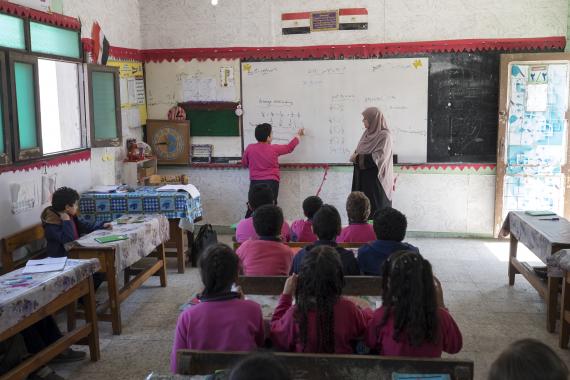
New Education Ministry hiring competition sidelines thousands of part-time teachers
Alongside Amin are thousands of per-class teachers who are still studying to receive their teaching
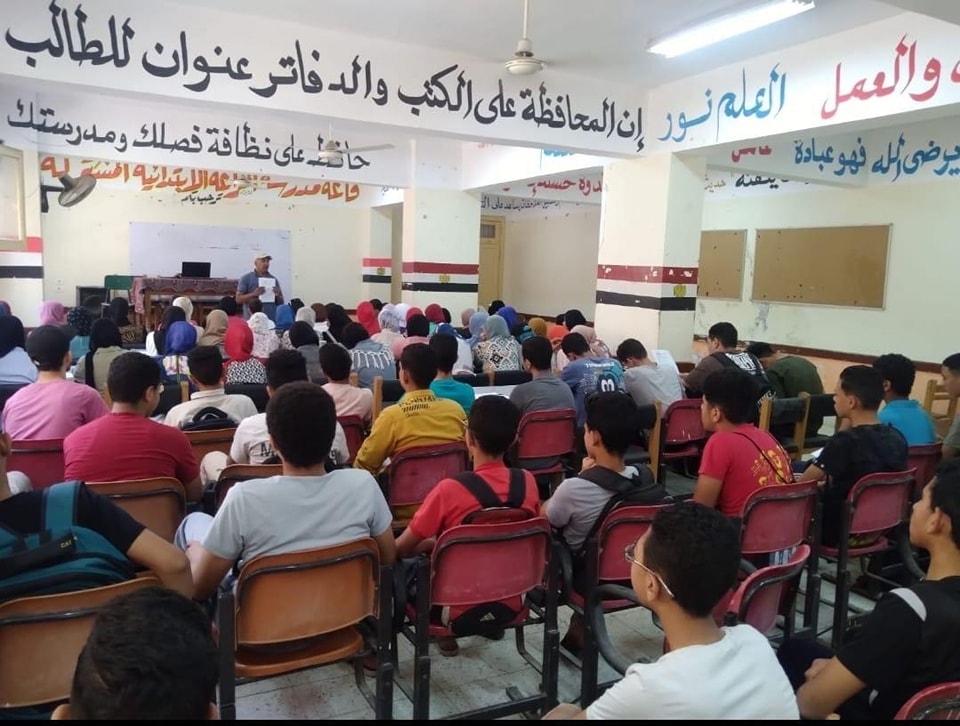
Govt amendments to education law approved as critics warn changes could worsen inequality
Critics have repeatedly flagged the amendments as a gateway to worsening existing inequalities in th
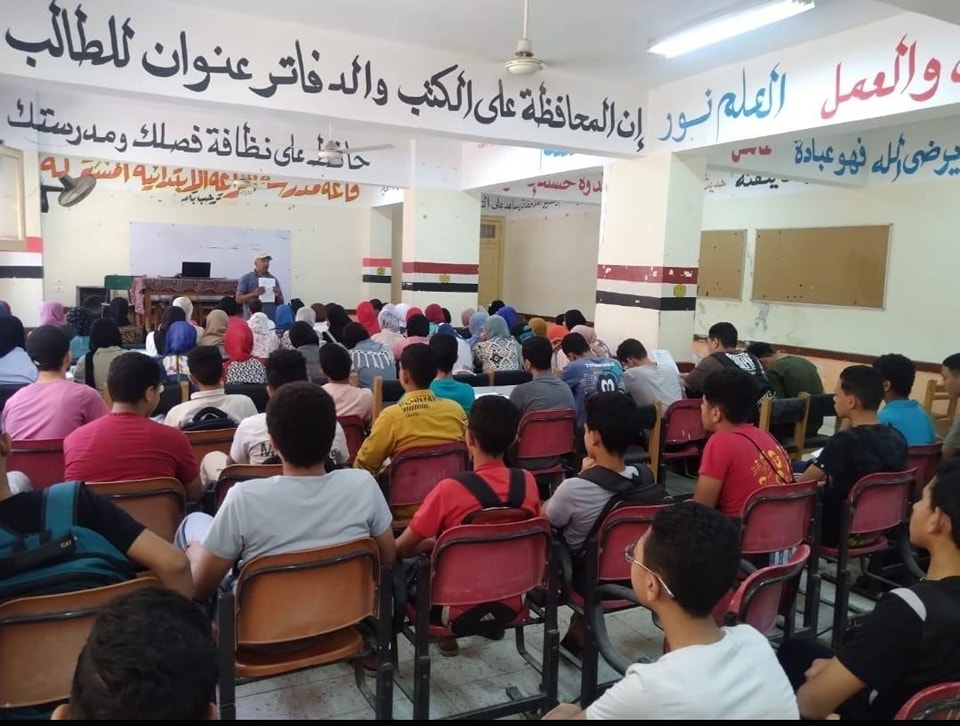
Income slashed for thousands of teachers after changes to high school curriculum
When the education minister announced that several subjects would become non-essential to school curriculums last month, Ali Abdou al-Sheikh, a teacher of…
Your support is the only way to ensure independent, progressive journalism survives.
You have a right to access accurate information, be stimulated by innovative and nuanced reporting, and be moved by compelling storytelling. Subscribe now to become part of the growing community of members who help us maintain our editorial independence.
Join us