
Four killed in Israeli airstrike on Wardaniyeh hotel sheltering displaced people | Hezbollah repels incursion toward Labouneh
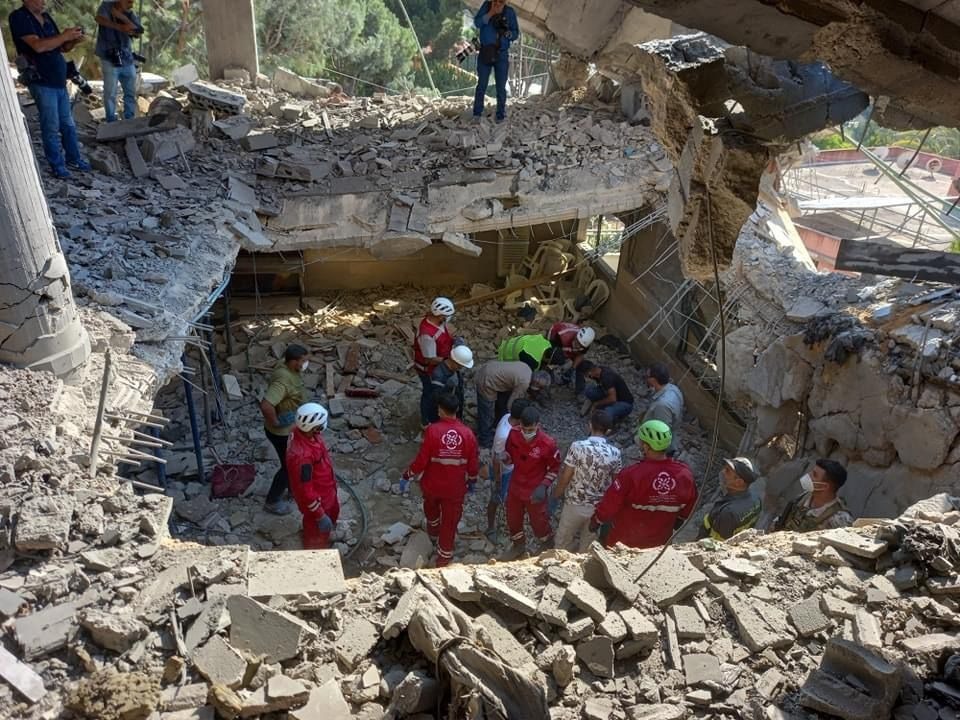
Four people were killed and at least 10 others injured on Wednesday in an Israeli airstrike on the town of Wardaniyeh, southern Lebanon, according to the Lebanese Health Ministry, which noted that the casualty count was preliminary.
Eyewitnesses in the area and an official from the Amal Movement told Mada Masr that the strike targeted the Dar al-Salam hotel, which was housing dozens of families displaced from southern Lebanese villages by Israel’s escalation against the country over recent weeks.
Amal Movement official Ahmed al-Hajj said that the hotel comprises two buildings which were housing over 80 people displaced from the South and Nabatieh governorates. According to Hajj, the hotel was struck by two missiles, one of which detonated on the third floor, while the other remains unexploded and is set to be detonated in a controlled explosion by the Lebanese military.
Those wounded, some of whom were in critical condition, were transferred to the Sabline Government Hospital, said Hajj.
Wardaniyeh is one of the only majority Shia towns in the Kharoub region, which is majority Sunni.
Town mayor Ali Bayram told journalists that the four-storey building was destroyed by the airstrike and advised residents of the area to stay clear of the scene.
Earlier on the same day, another Israeli strike targeted the town of Kfar Tebnit in Nabatieh, killing two Lebanese nationals — a civilian and a police officer — according to the town’s Mayor Fouad Yassin, who spoke to Mada Masr.
The shelling in Kfar Tebnit destroyed several residential buildings and commercial stores. Civil defense teams cleared the rubble by noon, despite operating with limited resources, Yassin said, calling for greater support for their teams with more heavy machinery to cope with the repeated Israeli strikes.
The State Security’s General Directorate announced on Wednesday that a police officer was killed when an Israeli strike hit his home in Kfar Tebnit.
The Health Ministry reported that 36 people were killed and 150 others wounded in Israeli attacks across Lebanon on Tuesday.
Meanwhile, three Israeli soldiers were transferred to hospitals in northern Israel on Wednesday after sustaining injuries in separate clashes with Hezbollah fighters in southern Lebanon, according to the Israeli military, which did not disclose details of the operations in which its soldiers were injured.
Hezbollah reported that it repelled an Israeli attempt to advance toward the village of Labouneh on Tuesday, backed by bulldozers and military vehicles, forcing the Israeli troops to retreat.
At Maroun al-Ras, a strategic village of the ongoing battle in the south, an Israeli minister claimed on Tuesday that the military captured the site. His statement came a day after media outlets circulated videos showing the Israeli flag raised on the outskirts of the village, located near the Lebanese-Israeli border.
But Israeli military vehicles and personnel were also not visible in Maroun al-Ras on Tuesday, according to the Irish military — participants in the United Nations Interim Forces in Lebanon — who issued a statement confirming that "no IDF personnel or vehicles” were observed in the vicinity of the UNIFIL’s checkpoint 6-52, located in Maroun al-Ras.
UNIFIL had expressed concern earlier in the week about Israeli military activities in the same site, days after rejecting an Israeli request to vacate the area. UNIFIL described the situation at the time as an “extremely dangerous development," stating that it is “unacceptable to compromise the safety of UN peacekeepers.”
Hezbollah-aligned Al-Mayadeen channel reported on Monday, citing an officer, that the group detected unusual Israeli military movements behind a UNIFIL site in Maroun al-Ras. The officer said that Hezbollah instructed its fighters to hold back from engaging with these forces "to safeguard the lives of the UN troops,” describing the Israeli maneuvers as an attempt to use UNIFIL as human shields to cover their failure to advance toward Maroun al-Ras.
Hezbollah has stated that it has repelled a number of attempted incursions by Israeli soldiers at Maroun al-Ras.
Times of Israel, meanwhile, claimed that the flag was raised inside what is known as the Park of Iran, near Maroun al-Ras, which is located about one kilometer from the Israeli border, without specifying the timing of the operation. The Park of Iran is a tourist site funded by Iran, established at the first border point crossed by the Israeli military during the 2006 war, to commemorate the resistance’s stand against it.
With Hezbollah fighters continuing to repel attempted incursions at the border, the Israeli military has been employing a scorched-earth policy in its attacks on southern Lebanon, destroying service utilities and infrastructure in villages and cities, according to a statement by the Litani River Authority on Tuesday.
The statement followed an Israeli strike that targeted the main water carrier from the Litani river to the Qasmiyeh irrigation scheme in the Arzi area, which supplies water to thousands of feddans of farmland along Lebanon’s southern coast.
The statement said that the destruction of the carrier, which transports over 260,000 cubic meters of water daily and irrigates around 6,000 hectares of agricultural land, constitutes a violation of international humanitarian law. It also halts the utilization of the Litani river in southern Lebanon, "reviving concerns over the enemy's ambitions regarding Lebanon’s water resources."
أخبار ذات صلة
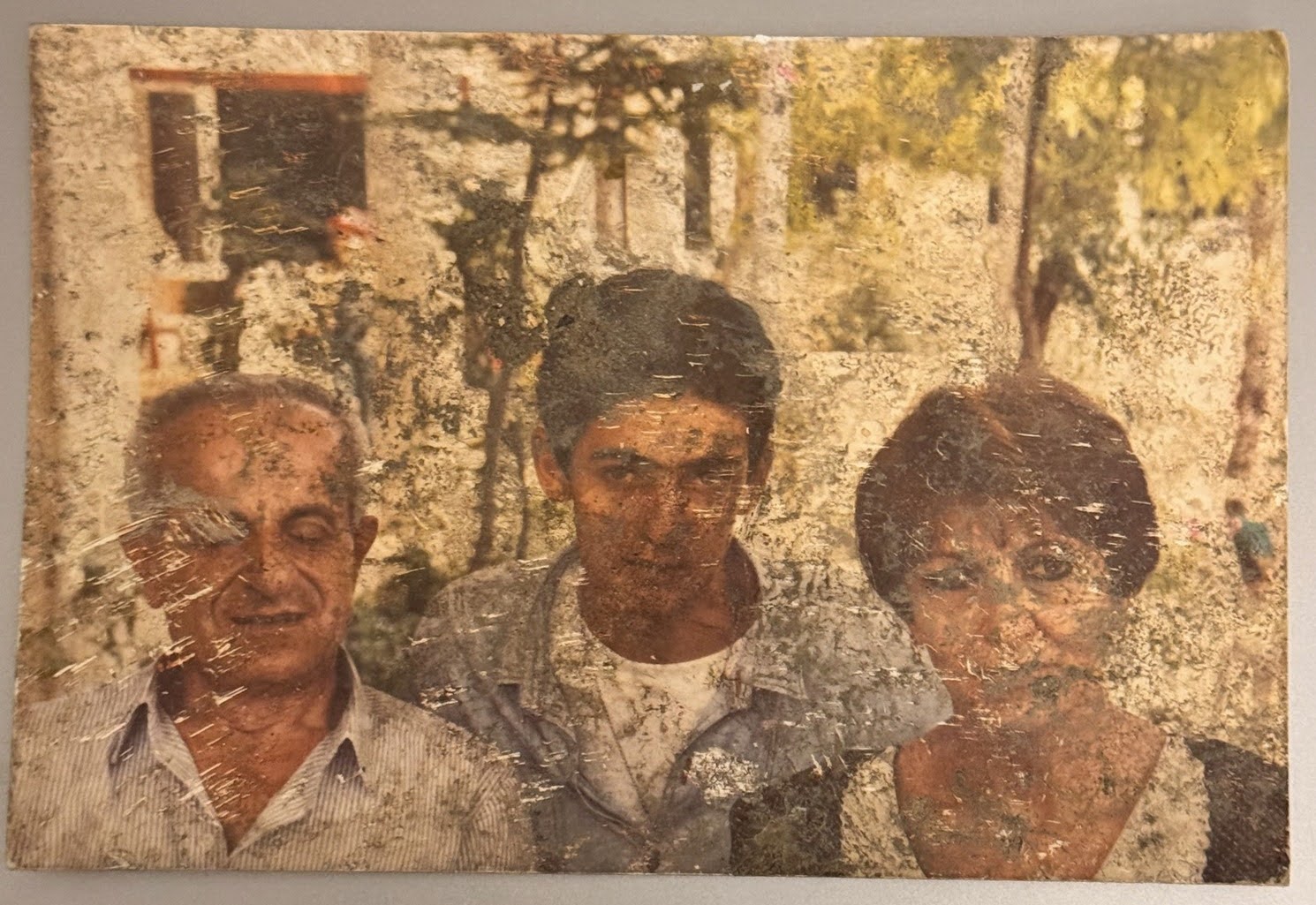
After the catastrophe: Ali Cherri takes Israel to court following the killing of his parents
On November 26, 2024, Paris-based artist Ali Cherri spoke to his mother Nadira Hayek living in Beirut on the phone right before boarding a plane to Vienna where he was…
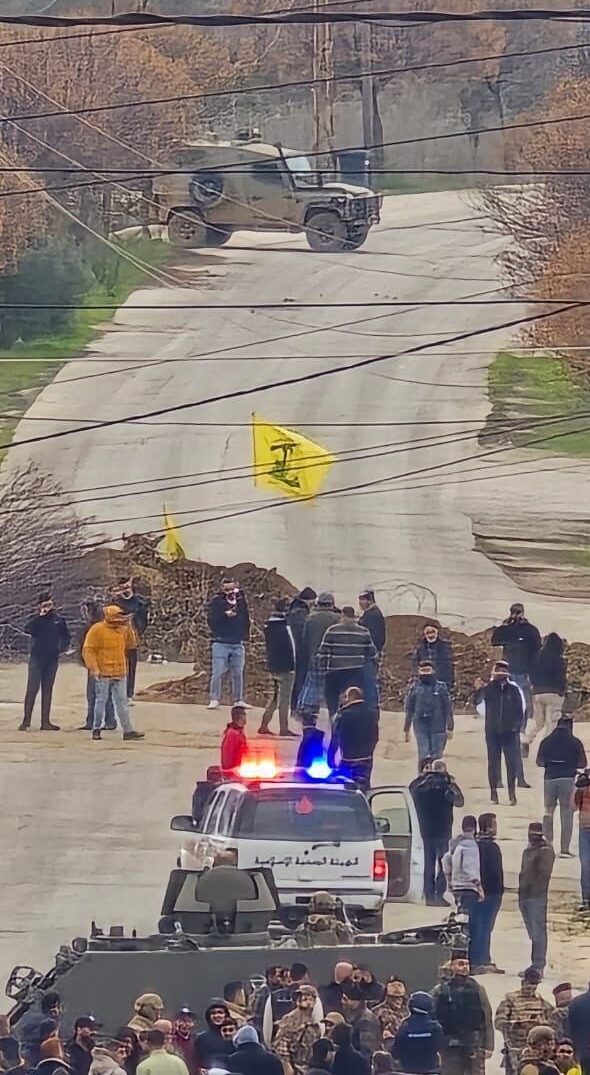
Israeli forces occupying south Lebanon kill 15 as tens of thousands return to claim their land
Israeli soldiers opened fire on crowds of displaced Lebanese on Sunday, as residents began to return to their towns and villages in…
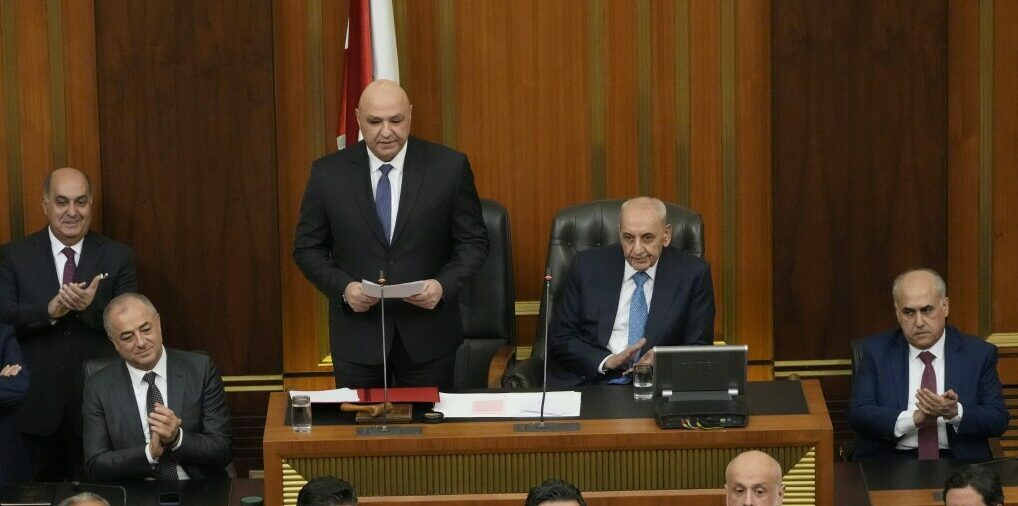
Hezbollah vote secures General Joseph Aoun’s election as new Lebanese president, underscoring party’s concessions to new regional reality
When the Lebanese military began to send the first of its soldiers to the south of the country on November 28, hours after a ceasefire was suddenly announced, it marked…
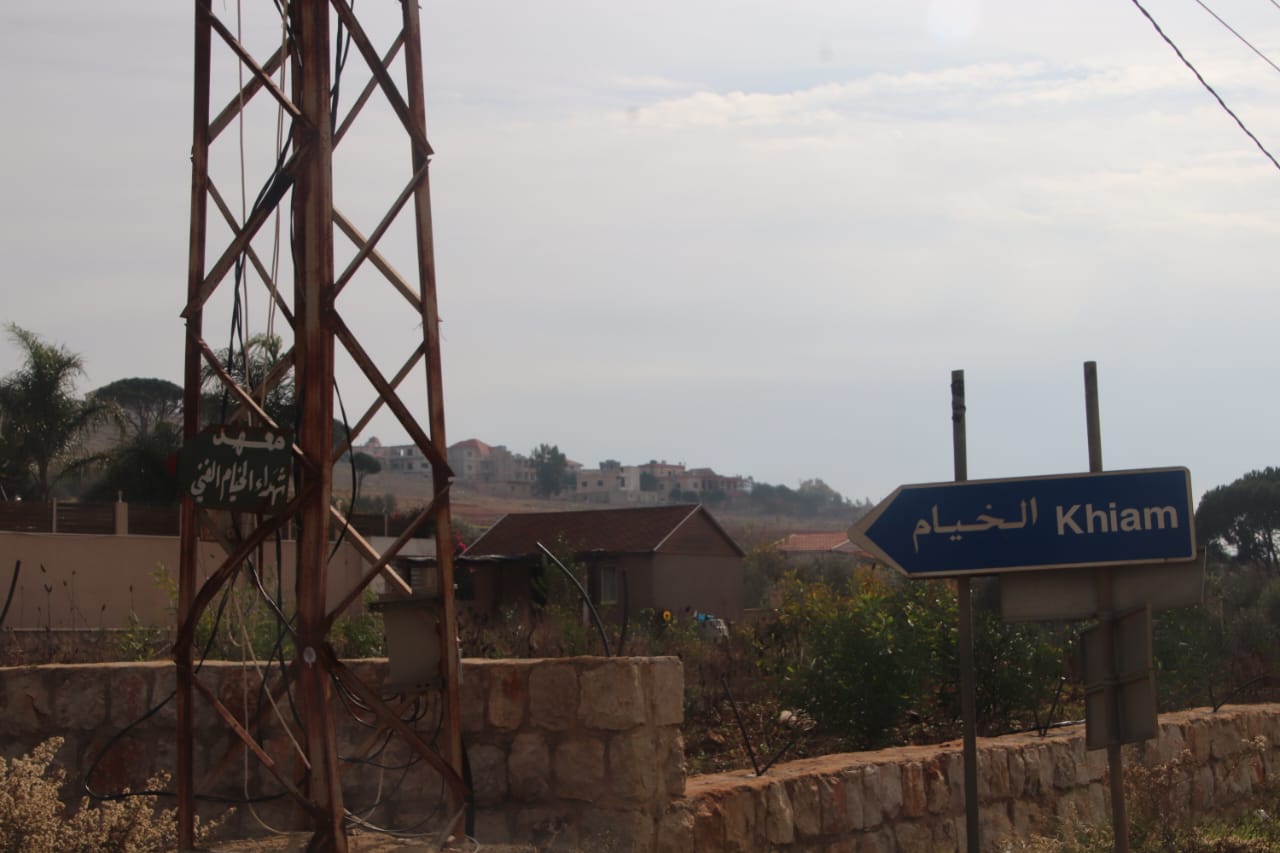
Uncertainty, danger linger in Khiam after Lebanon’s ceasefire
Mohammad Mohammad Abdullah left his hometown of Khiam in southern Lebanon at the end of 2023, when Israeli airstrikes on Lebanon became…
Your support is the only way to ensure independent, progressive journalism survives.
You have a right to access accurate information, be stimulated by innovative and nuanced reporting, and be moved by compelling storytelling. Subscribe now to become part of the growing community of members who help us maintain our editorial independence.
Join us