

Egypt’s already limited supply of gas dipped even further earlier this week due to the temporary closure of Israeli gas field Tamar for maintenance, according to informed sources who spoke to Mada Masr.
Tamar closed for 10 days of maintenance work ending on Wednesday, said two gas sector sources speaking on condition of anonymity.
Egypt's balance of fuel supply to demand has become more precarious over recent years as national consumption has grown faster than supply.
Egypt produced 67 billion cubic meters of gas in 2023 while it imported around 8.6 billion cubic meters from Israel.
Natural gas makes up around 60 percent of the national energy mix, and Egypt liquefies some of the remaining volumes of natural gas for export.
The ministries of petroleum and electricity likewise said in a statement on Tuesday that, due to “regional network maintenance,” it would extend scheduled power cuts across the country to three hours in duration.
The government already cuts off the supply of electricity to homes across the country for around two hours daily, a decision it has implemented since 2023 to limit electricity consumption and curb expenditure on imported fuels.
The ministries’ statement said that the longer power cuts would only be implemented for one day, and confirmed in a statement issued Wednesday that the regular scheduled two-hour power cuts would resume.
Multiple sources said that Egypt is facing a number of energy management challenges at present, pointing first and foremost to between US$6-7 billion worth of receivables owed to the foreign oil companies responsible for exploring and extracting gas from national fields, of which the government has only paid around $1.2 billion so far since it received a sudden influx of dollar liquidity due to the landmark Ras al-Hikma deal.
The source informed of Egypt’s energy management explained that the government did not pay the foreign companies an additional tranche last week, despite an announcement from the prime minister that they would pay around 20 percent of late dues to the companies.
The government met on Sunday with two major production companies, one of which was Italy’s Eni, according to two separate sources, to discuss paying the dues, and the government informed its foreign partners of its inability to pay the arrears. Instead, said the two sources, the government offered either to pay the dues in Egyptian pounds, or to grant the companies assets equivalent to the value of the receivables. The sources said the companies are yet to respond.
As consumption of electricity spikes nationally over the summer due to the heat, the government is concerned that it will have to increase the duration of power cuts.
To fortify the reserves of gas, the government is set to import additional volumes of liquefied natural gas from Qatar and Algeria. There are 13 shipments incoming, said an informed source speaking to Mada Masr on condition of anonymity, and they are due to arrive in July.
The imported LNG will need to be converted to a gaseous state before it is pumped into the national grid. The government has contracted Höegh LNG Holdings Ltd. for the company to loan Egypt a Floating Storage and Regasification Unit (FSRU) due to be docked at Ain Sokhna for a period of one and a half years, starting in June. The FRSU is expected to arrive within the first half of June, said a gas sector source, speaking on condition of anonymity.
This week’s dip in supply is not the first time that Egypt’s national energy mix has been severely impacted by supplies from Israel, with the temporary closure of Tamar on October 7 prompting the Electricity Ministry to announce that import volumes were halted.
Israeli gas has been piped daily into Egypt for years since the closure of a $15 billion import deal in 2018. The two countries signed off on a deal to augment the volume of Israeli gas Egypt purchases in 2023 which is expected to be implemented in 2026.
أخبار ذات صلة
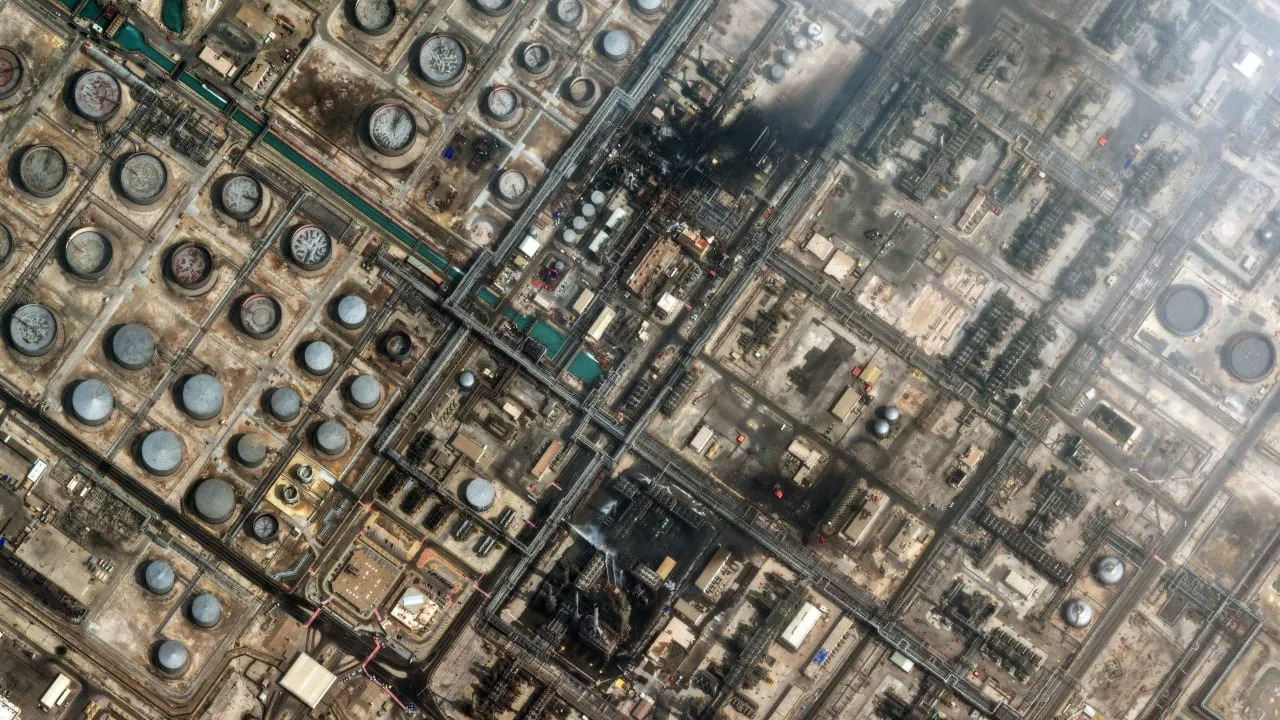
Govt rushes to hike energy prices in response to regional war
The Automatic Fuel Pricing Committee raised the price of all categories of fuel by rates between 15 and 22 percent at 3…

How is the government preparing for the summer energy deficit?
Just before daily temperatures in Cairo peaked 30 °C in the middle of winter, the president met with the electricity and renewable…

Egypt, Cyprus ink plans to export Cypriot gas via Egypt in future
Egypt and Cyprus signed off on agreements with Chevron and Eni, the leading partners in two Cypriot natural gas fields, paving the…
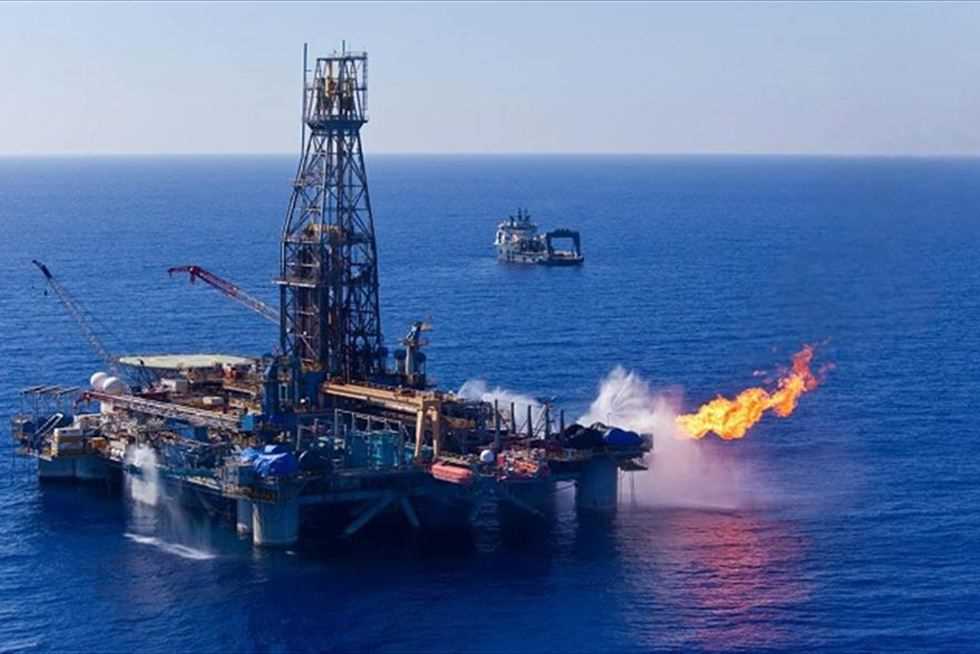
Foreign companies given favorable terms in new oil, gas exploration deals
Two oil and gas exploration agreements came across the desk of lawmakers in the House of Representatives earlier this week, with parliamentarians…
Your support is the only way to ensure independent, progressive journalism survives.
You have a right to access accurate information, be stimulated by innovative and nuanced reporting, and be moved by compelling storytelling. Subscribe now to become part of the growing community of members who help us maintain our editorial independence.
Join us