
UPDATE: UNHCR says it didn’t review new law assigning asylum applications to govt instead of UN agency
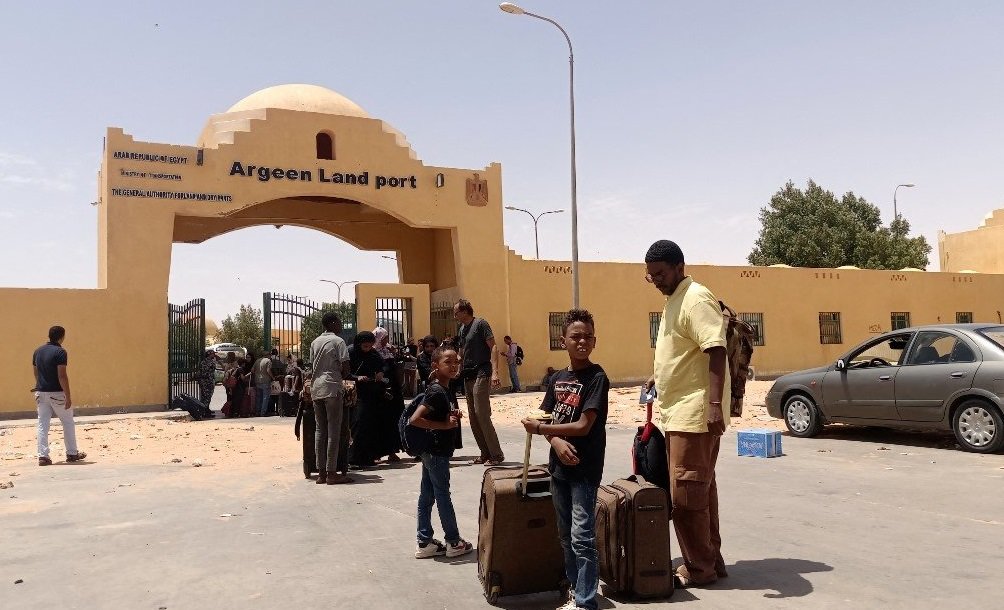
President Abdel Fattah al-Sisi ratified this week Egypt’s first national law on the asylum-seeking process.
The law will see the government take on the responsibility for processing and registering asylum seekers for the first time, after decades during which the role was handled by the United Nations’ refugee agency, UNHCR.
Despite the law stating that the new government committee on refugees will cooperate with UNHCR, the UN agency told Mada Masr it had not seen the full text of the law until after it was ratified this week.
Despite concern from local and international rights groups that the law could curtail the guarantee of rights and status to refugees and asylum seekers, the law passed quickly through the legislature in a matter of just a few months, amid a number of steps Egypt’s government has taken to tighten the regulatory framework for foreign nationals in the country.
A letter from a group of UN special rapporteurs on human rights sent to the government on Tuesday said the asylum law “would fall significantly short of international human rights and refugee law and other relevant standards,” urging the government to reconsider its provisions.
For its part, UNHCR’s media office noted in a statement to Mada Masr that the agency was not involved in drafting the law and only officially reviewed its text after its publication in the Official Gazette on Monday.
The law passed “with great urgency,” director of research at the Egyptian Initiative for Personal Rights Kareem Ennarah told Mada Masr.
The government began working on the legislation in 2022, according to a UNHCR source who previously spoke to Mada Masr on condition of anonymity. The text’s preparation was completed in 2023.
Completing Egypt’s refugee law was among the projects of concern for the European Union, which is increasingly seeking to combat irregular migration to its shores at source or transit countries, when it signed a multi-billion euro deal with Egypt in June, an EU diplomat told Mada Masr at the time.
The final draft of the law progressed via lawmakers in the Defense National Security Committee in the House of Representatives in late October, to the general assembly of the House in a few successive sessions in mid-November and finally signed and ratified by the president with the presidential decree published in the Official Gazette on December 17.
“We hoped with the great wave of pressure around the law that the president would not ratify it and return it to parliament — which has happened before — and there would be hope to modify the most controversial articles,” Ennarah said.
Human Rights Watch added their voices to other organizations flagging concerns about the law on Tuesday, releasing a statement saying the law “risks violating the rights of refugees and asylum seekers,” as it “would increase the risk that authorities could arbitrarily deny or withdraw asylum. It would fail to protect asylum seekers’ rights, allow authorities to use emergency powers to detract from rights, force refugees to comply with vaguely worded rules and criminalize irregular entry and unofficial aid to asylum seekers,” the organization said.
The law will establish a new government committee, called the Permanent Committee for Refugee Affairs, that will take over adjudicating asylum applications and coordinating with state administrative bodies to provide services to refugees. It will include representatives of the foreign affairs, justice, interior and finance ministries.
But the handover of responsibilities from UNHCR to the new government committee will not happen overnight, according to Ennarah. Countries with a similar socioeconomic profile and refugee population, such as Turkey, South Africa, Kenya or Ethiopia, undertook similar transitions over the course of several years in which the governments worked in parallel and closely with the agency, he explained.
The UNHCR statement said that despite not having seen the draft law before it passed, the agency passed initial comments to the government based on the incomplete version published online at the time, and will provide official comments in line with Article 35 of the 1951 Refugee Convention.
The article obliges signatory states to cooperate with the UN agency, facilitate its role in supervising the implementation of the convention, and provide it with information on “the condition of refugees, the implementation of this Convention, and laws, regulations and decrees” affecting refugees.
The UN agency noted that it commonly works closely with states “to support and capacitate them in taking over increased responsibility for” Refugee Status Determination, and to improve their RSD systems.
“UNHCR will continue to advocate for the Government of Egypt’s establishment of clear asylum procedures, which include asylum application, refugee status determination and appeal mechanisms,” the media office added.
The new law stipulates that bylaws governing the formation and activities of the committee be prepared within the coming six months.
Migration experts previously told Mada Masr that while the law lays out a number of basic rights for refugees, it restricts many of these gains by using vague language that could see asylum seekers subject to measures or security controls that are not fully defined in the law, or threaten their eligibility for refugee status in the first place.
Ennarah expressed hope that the bylaws would clarify loopholes and vague terminology in the law’s text. In an ideal scenario, the researcher said, Egypt’s government would also establish a clear transitional period, guaranteeing the protection of rights for refugees already registered with UNHCR and ensuring they will not be affected during the handover.
At the same time, Ennarah said work should be done to establish the procedures for the registration of different types of refugees, and for applicants to make legal challenges and appeals to committee decisions. He added that personnel will need to be trained to handle asylum cases, not only according to the law but also in alignment with UNHCR guidelines.
“The law gives priority for special cases such as children or people subjected to sexual violence or human trafficking, among others,” Ennarah said. “These will require very special training to deal with them, with the appropriate sensitivity.”
Editor's note: This text was updated after publication to reflect a statement on the newly ratified law conveyed to Mada Masr by the UNHCR, and a response to the law published by United Nations experts.
أخبار ذات صلة

Migrants haunted by the damp
The floor was cold concrete. The floor was cold tile. The air was heavy. A mix of stale sweat, cigarette smoke and dampness. Stale sweat, dampness clinging to the walls.…
First head appointed to new national committee on refugee affairs amid ongoing arrest campaigns
Prime Minister Mostafa Madbuly has appointed former State Information Service (SIS) chair Salah Eddin Abdel Sadeq to lead the Permanent Committee for…
‘Egypt’s guests’ in danger: Refugees face increasing arrests, deportations
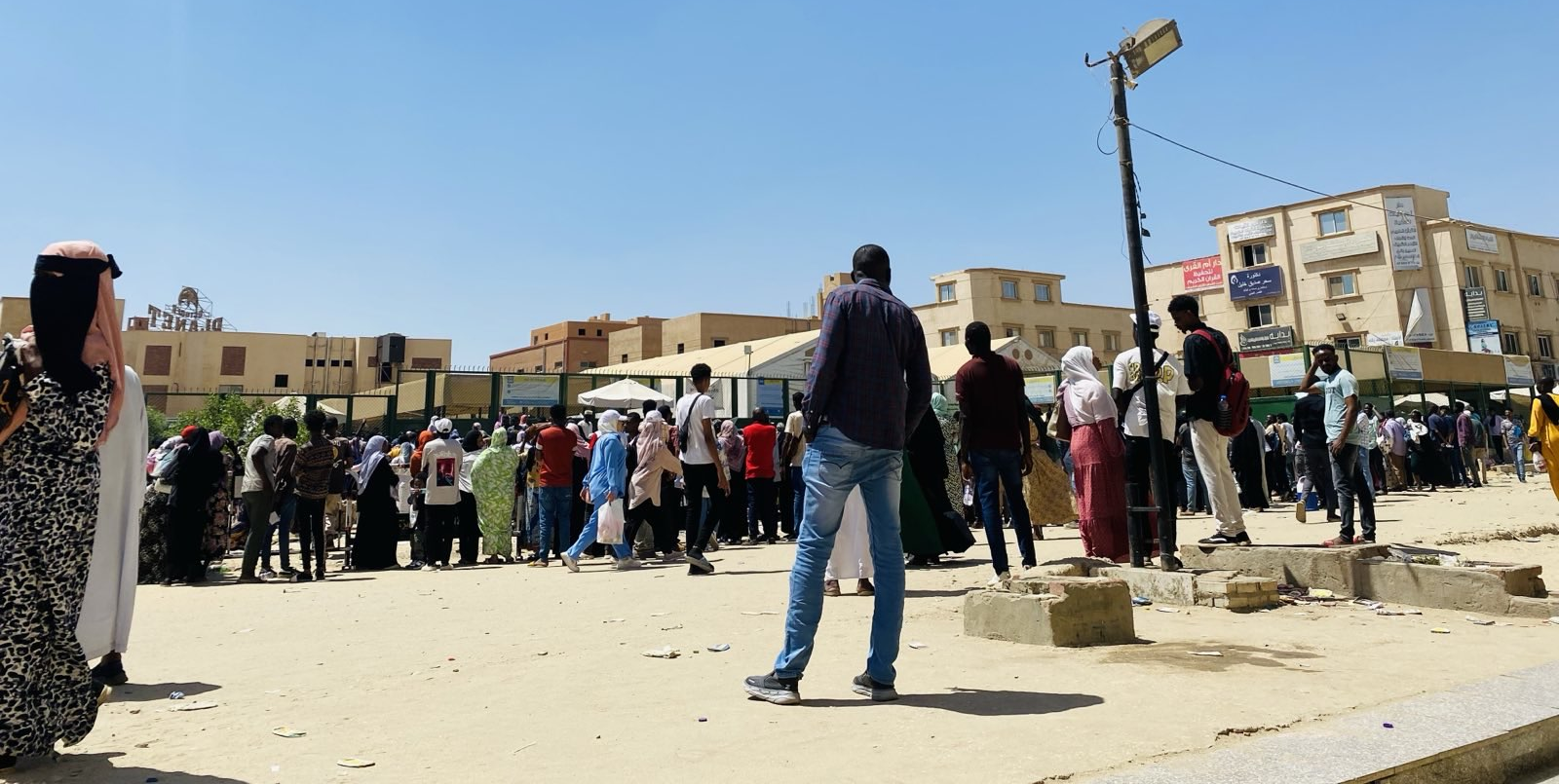
Thousands of refugees in Egypt have been subjected to arrest, detention and forced deportations

Dozens of Egyptians still missing after migrant boat sinks off Tobruk coast
Dozens of Egyptian migrants remain missing after a Europe-bound boat capsized off the Libyan coast in the early hours of July 24.…
Your support is the only way to ensure independent, progressive journalism survives.
You have a right to access accurate information, be stimulated by innovative and nuanced reporting, and be moved by compelling storytelling. Subscribe now to become part of the growing community of members who help us maintain our editorial independence.
Join us