
Egypt seizes 1,000 bottles of illegal pesticides found on ship from Saudi Arabia

A shipment of banned pesticides coming from Saudi Arabia was confiscated at Egypt's Safaga Maritime Port on Wednesday.
Local media reports claimed that 1,000 bottles of the illegal pesticides were packaged inside paint containers aboard the ship. Customs officers at the port reportedly confiscated the shipment, filed a report and notified the prosecution for further investigations.
According to the World Health Organization's International Program on Chemical Safety, some pesticides can be highly hazardous, and may cause acute or chronic toxic effects that pose a particular risk to children.
"Environmental contamination can also result in human exposure through consumption of residues of pesticides in food and, possibly, drinking water,” the report warned.
Speaking at a conference on May 11, Environment Minister Khaled Fahmy had said that he was reopening investigations into the ongoing problem of expired pesticides held at Egypt’s seaports. Currently, two warehouses are holding around 1,000 tons of expired pesticides that need to be disposed of, according to the minister.
“Fake companies bring the waste in from other countries, get rid of the waste and then disappear,” Fahmy claimed. He went on to explain that the ministry was looking into solutions to handling the waste, which must be incinerated, as it can take some 30 years to biodegrade.
Egypt has made a deal with the World Bank to launch an international tender to eliminate this waste, meaning that foreign companies can bid on the disposal job. The ministry wants the pesticides to be burned in cement factories outside of Egypt, probably in Europe.
“Public opinion is sensitive, even if it was technologically possible in Egypt," Fahmy explained. “We have a problem of handling hazardous waste. Other ministries of environment around the world are allowed to incinerate hazardous waste in cement furnaces.”
Pesticides are a leading cause of cancer among children in Egypt, Fahmy said in a February speech marking the International Day for Children with Cancer. The minister stressed the importance of raising awareness of how to use pesticides and fertilizers in agricultural communities.

أخبار ذات صلة

Sudan Nashra: Idris in Cairo as part of Egyptian-Turkish-Saudi coordination to prop up Sudanese military, Egyptian official says | RSF seizes Musa Hilal stronghold, stoking tribal tensions | RSF attacks North Darfur border town, engages Chadian forces | Hemedti in Uganda as head of parallel govt
Subscribe to our Lens on Sudan newsletter here. A week of heavy clashes in North Darfur has strained the region’s tribal landscape,…
Sudan Nashra: Burhan invokes Jeddah Agreement to set new negotiation terms | Over 150 abducted in South Kordofan in RSF-SPLM (Hilu) forced recruitment campaign | RSF launches major attack on Babanusa | Joint opposition forces in South Sudan clash with govt troops
With regional allies now propping up his forces on the battlefield, Sudanese Armed Forces Commander-in-Chief and Transitional Sovereignty Council Chair Abdel Fattah…

The Quad War
After the fall of Fasher, Egypt turned to Turkey to find a way to deter the growing Emirati threat
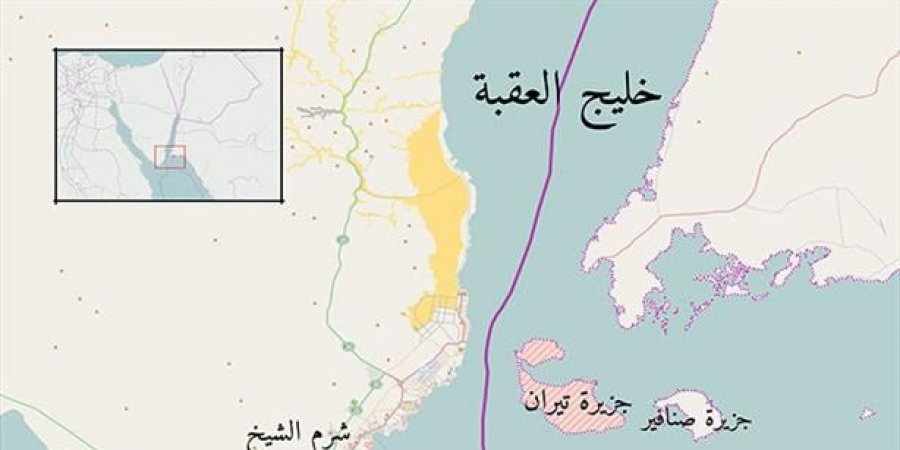
Lawyers reignite fight against govt’s transfer of Tiran, Sanafir islands to Saudi Arabia
The appeal calls for the annulment of the 2017 presidential decree and argues that the transfer viol
Your support is the only way to ensure independent, progressive journalism survives.
You have a right to access accurate information, be stimulated by innovative and nuanced reporting, and be moved by compelling storytelling. Subscribe now to become part of the growing community of members who help us maintain our editorial independence.
Join us