
Egypt receives US$820 mn from IMF after loan increase, fund recommends stricter criteria for public projects
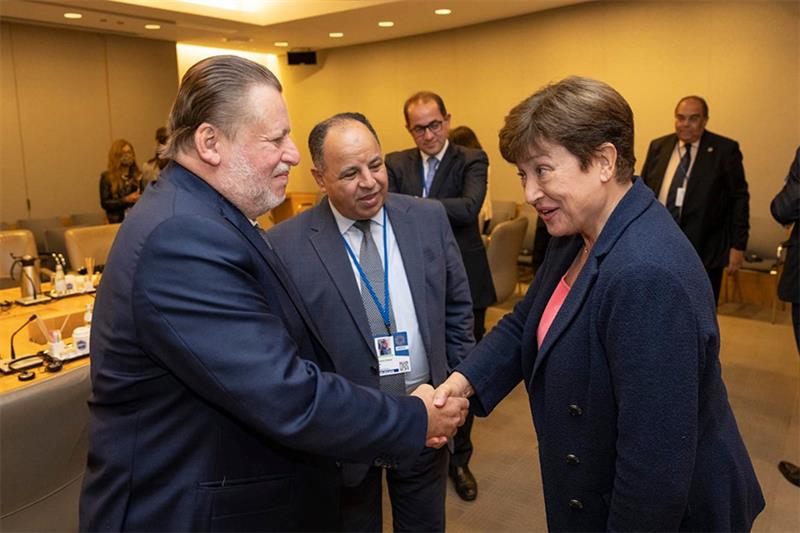
Egypt received around US$820 million from the International Monetary Fund (IMF) this week, according to two sources within the government and Parliament.
The incoming sum represents the first installment the government has received from the IMF under its ongoing loan agreement since the deal was rearticulated and augmented from $3 billion to $8 billion in March.
Due payments in the original 2022 loan program were repeatedly postponed as the government, mired in economic crisis, lagged in making key policy adjustments stipulated as criteria for scheduled reviews.
Egyptian officials and the fund conducted negotiations at the beginning of 2024 which led to an agreement to augment the original loan.
The IMF later said that Egypt had passed its latest review under the program, implementing several adjustments that the country was initially expected to have ticked off by June 2023.
These included achieving an initial budget surplus, avoiding debt default, increasing tax revenues, selling state-owned assets ranging from $2 billion to $2.4 billion in value, and implementing exchange rate liberalization.
One adjustment waived by the fund was a target related to "net international reserves," for which an exemption was made, the IMF board said, due to the economic challenges facing Egypt.
It listed these as including rising inflation, foreign currency shortages, high debt levels, and exacerbated funding requirements due to global events, such as the wars in Gaza and Ukraine, and tensions in the Red Sea.
Egypt is scheduled to receive another $820 million from the IMF in June, to be followed by a further $1.3 billion installment before the end of 2024, after which reviews are due to take place twice per year until 2026.
While the IMF has not yet outlined the specific review criteria, the original agreement included technical reforms to be implemented during the program. It reiterated these reforms in an official document released this month, stressing that Egypt has a significant need for investment despite the limited funding resources.
Public investment management should be “enhanced,” said the IMF, given “significant weaknesses in project appraisal and selection processes, due to the lack of structured methodologies, and no evidence that projects are appraised and selected in a consistent manner."
Clear government regulations should be established, it said, to restrict the establishment of new projects, while planning and post-implementation reviews should be introduced.
In addition, IMF experts pushed for developing the government's electronic procurement system and establishing a unified model for managing public investment projects.
The IMF also recommended that the government explore alternative funding for infrastructure projects through enabling private sector involvement, activating Public Financial Management law provisions for medium-term planning, and finally, strengthening asset management and ensuring sufficient maintenance.
The $820 million that the government received from the international lending organization this week is only the second installment paid out since the original loan deal was announced in late 2022, when Egypt received an initial tranche of around $347 million.
Two installments, totaling around $700 million, were due to follow in 2023, contingent upon Egypt's successful completion of two corresponding IMF reviews. However, both were postponed and conducted concurrently in March of this year.
أخبار ذات صلة
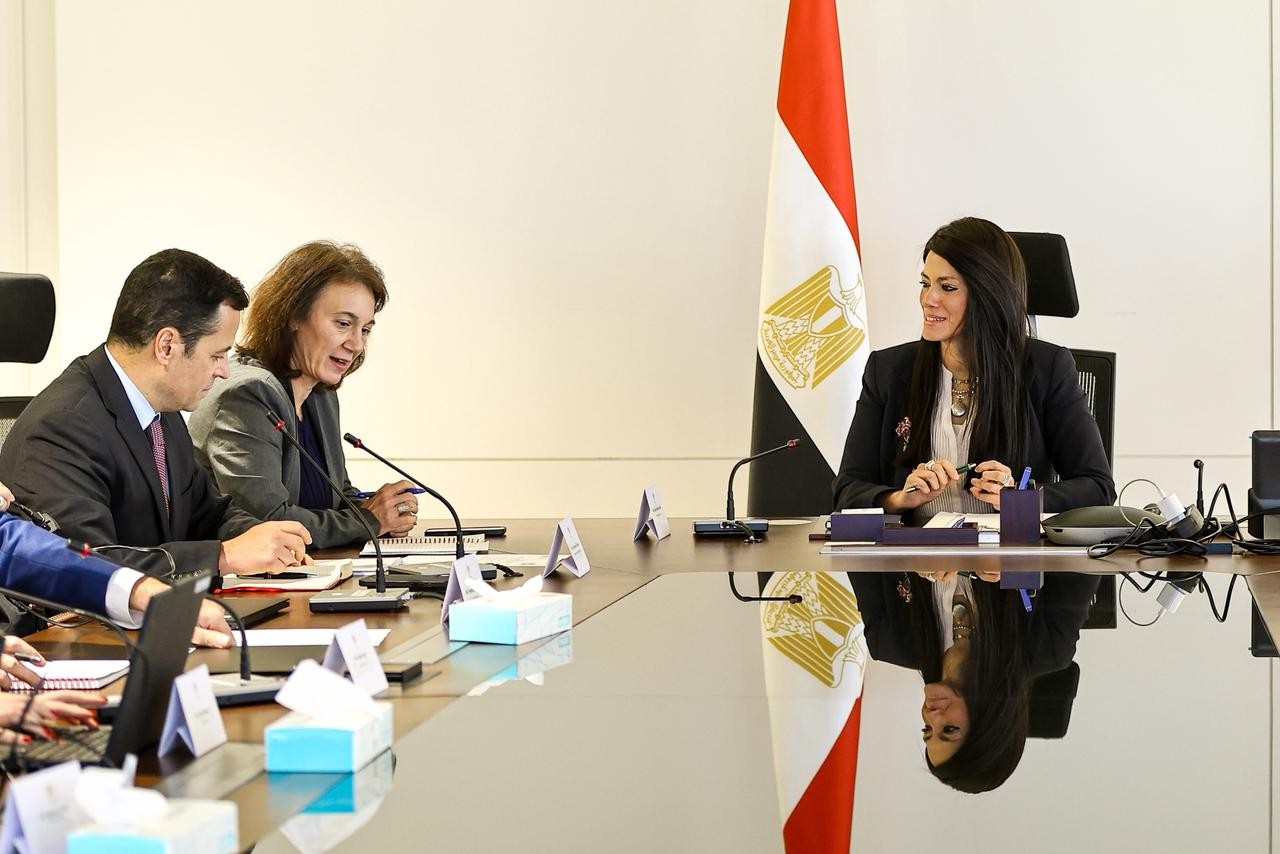
Egypt passes 5th, 6th IMF loan reviews, with fund easing tone of govt criticism
In a Tuesday statement, the International Monetary Fund announced that Egypt passed the fifth and sixth reviews as part of its ongoing…
IMF in Cairo to discuss privatization, over-reliance on short-term borrowing
A delegation from the International Monetary Fund touched down in Cairo on Monday to begin its final review of the US$8 billion…
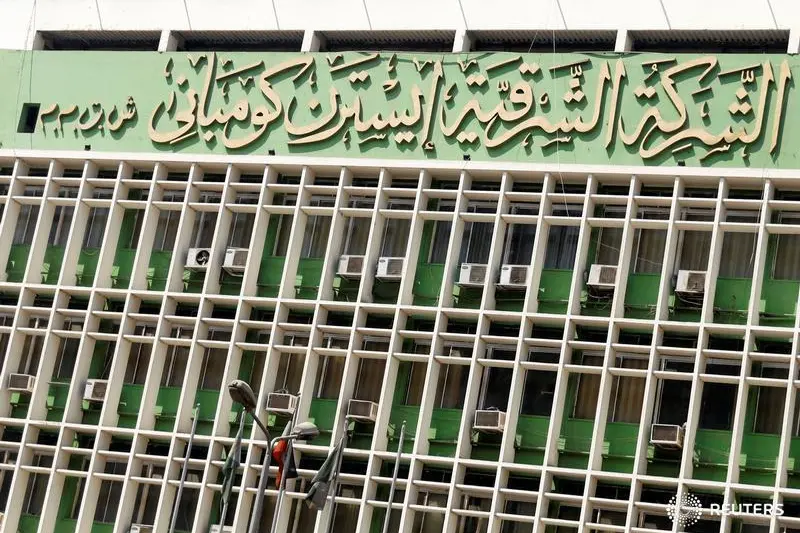
Former employees sue to block sale of Eastern Company workers’ shares to Fidelity
Two hundred former workers at Eastern Company have filed a lawsuit to halt the payout of proceeds from the sale of the…
Unnamed investor buys out workers’ stake in tobacco giant Eastern Company after monthslong conflict
Share-holding workers at partially state-owned tobacco firm Eastern Company were bought out on Thursday following months of conflict over the sale. The…
Your support is the only way to ensure independent, progressive journalism survives.
You have a right to access accurate information, be stimulated by innovative and nuanced reporting, and be moved by compelling storytelling. Subscribe now to become part of the growing community of members who help us maintain our editorial independence.
Join us