
Egypt fortifies borders as Israel plans invasion, evacuation of Rafah

Egypt has bolstered its security on the borders of the Gaza Strip over the past two weeks.
Around 40 tanks and armored personnel carriers have been deployed to Egyptian Rafah, according to Egyptian security sources cited anonymously by Reuters.
Around a week ago, Egypt also began to fortify the area, according to displaced people taking shelter in Palestinian Rafah and an administrative source on the Egyptian side of the Rafah border crossing who spoke to Mada Masr on condition of anonymity.
They described concrete walls topped with barbed wire between the Rafah border crossing, which separates Egyptian from Palestinian Rafah, and the Karam Abu Salem crossing further south on the border. Brick walls are also being erected at intervals behind the steel barrier which runs north from the Rafah crossing along the border with Palestine and up to the Mediterranean coast, they said.
The new measures heighten Egypt’s existing provisions for security on its northeastern border with the Gaza Strip, and come as Israel considers a ground invasion of Palestinian Rafah, where approximately 1.4 million people — most of them displaced since October 7 — have taken shelter according to UNRWA. Thousands are residing in tents along the border fence — their final refuge from Israel’s invasion of the strip.
Airstrikes targeting Rafah over the weekend killed 58 Palestinians. 25 of those — mostly women and children — were killed in airstrikes on homes in central and northern Rafah on Saturday, according to the Palestinian News and Information Agency, WAFA.
Israeli Prime Minister Benjamin Netanyahu’s office said on Saturday that "it is impossible to achieve the goal of the war of eliminating Hamas by leaving four Hamas battalions in Rafah," adding that the PM had directed the military and security establishments to submit a combined plan for eliminating Hamas’ battalions and the evacuation of Palestinians from Rafah.
An Israeli official, speaking to CNN, said that the Israeli Prime Minister had instructed the war cabinet to end the military operation in Rafah before the start of Ramadan on March 10.
However, no relocation destination for the displaced Palestinians has been specified.
Plans to displace some of Gaza’s population into Egypt have been publicly articulated by Israeli political and security officials since the outset of its aggression on Gaza, an outcome which Egypt has repeatedly publicly rejected.
An Egyptian delegation visited Tel Aviv on Friday to discuss the situation in Rafah with Israeli officials who attempted to secure “some cooperation” regarding the Israeli military incursion in Rafah, which Egyptian officials have resisted, the Wall Street Journal reported on Saturday.
Egyptian officials have warned their Israeli counterparts that any forced influx of Palestinians into Sinai or an Israeli incursion into Palestinian Rafah could lead Egypt to suspend the Egyptian-Israeli peace treaty signed in 1979, the Wall Street Journal has previously reported. Three diplomatic sources — Western, American and Israeli — likewise told The New York Times that Egypt had explicitly warned that it would suspend the treaty if the Israeli military forced Gaza residents into Sinai.
The Israeli official also told the NYT that Egypt had relayed this message to the United States State Secretary Antony Blinken during his visit to the country last week. Egypt expressed its readiness to deploy military reinforcements on its borders, potentially including tanks, if Palestinians were pushed into Sinai.
The Egyptian-Israeli peace agreement specifies the number of forces stationed on the borders with the Gaza Strip in Zone C, their armament and the type of military equipment. The treaty can only be modified with the approval of the joint Egyptian-Israeli military committee.
Prior to October 7, Egypt had separated Sinai from the Gaza Strip with two border walls. One of these is an extension of the smart wall that Israel began to construct around the strip in 2018 during the Great March of Return protests. It extends from the north by the Mediterranean Sea to the Erez crossing in the east of the strip and continues south along the border. It separates the peninsula from settlements in the Gaza envelope, and reaches Karam Abu Salem crossing in the west, on the border with Egypt.
From this point, which marks the start of the Philadelphi Corridor, Egypt completed the construction of the wall along its borders, extending it to the Mediterranean Sea west of the strip. The wall was specifically designed to counter tunnel-digging operations, standing six meters above the ground and another six meters below and equipped with a network of radar and surveillance sensors.
The second wall is a concrete wall extending along the Egyptian border with the Gaza Strip, above the ground, which stands about six meters high and is equipped with monitoring towers.
In November, Egypt fortified its borders with a sand barrier topped with concrete barriers, prohibiting entry into the buffer zone.
أخبار ذات صلة
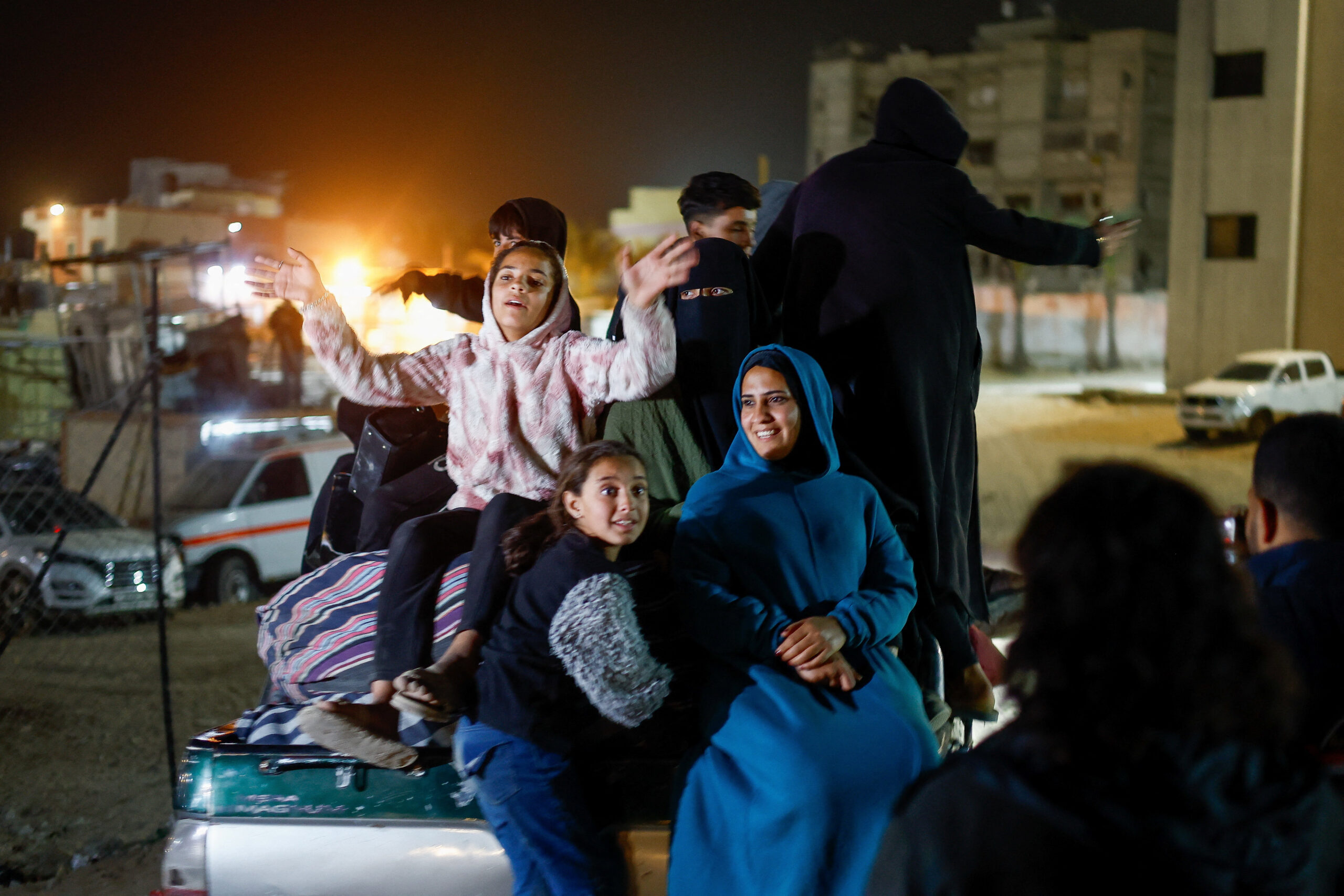
Only 12 Palestinians permitted to return to Gaza Strip since Rafah crossing opened
Sabah al-Raqab is one of only 12 Palestinians who have been able to return to the Gaza Strip via the Rafah crossing…
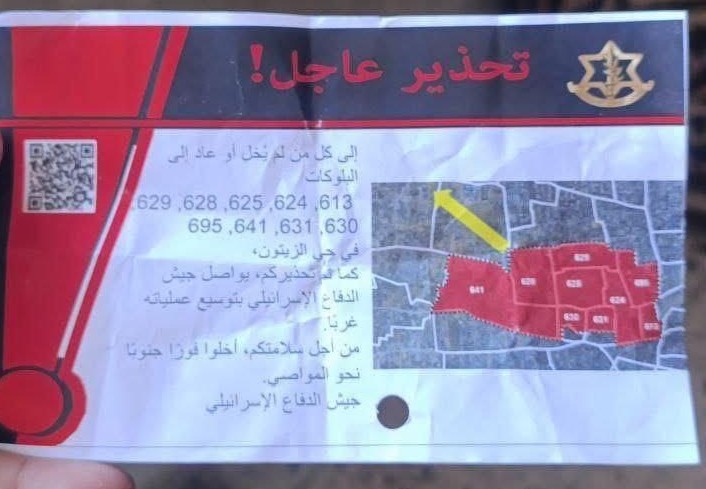
Israeli military to displace Gaza City’s population to new ‘humanitarian zone’ in strip’s south
Ahead of a military advance to fully occupy Gaza City, Israeli officials said they were finalizing steps on Sunday to evacuate the…
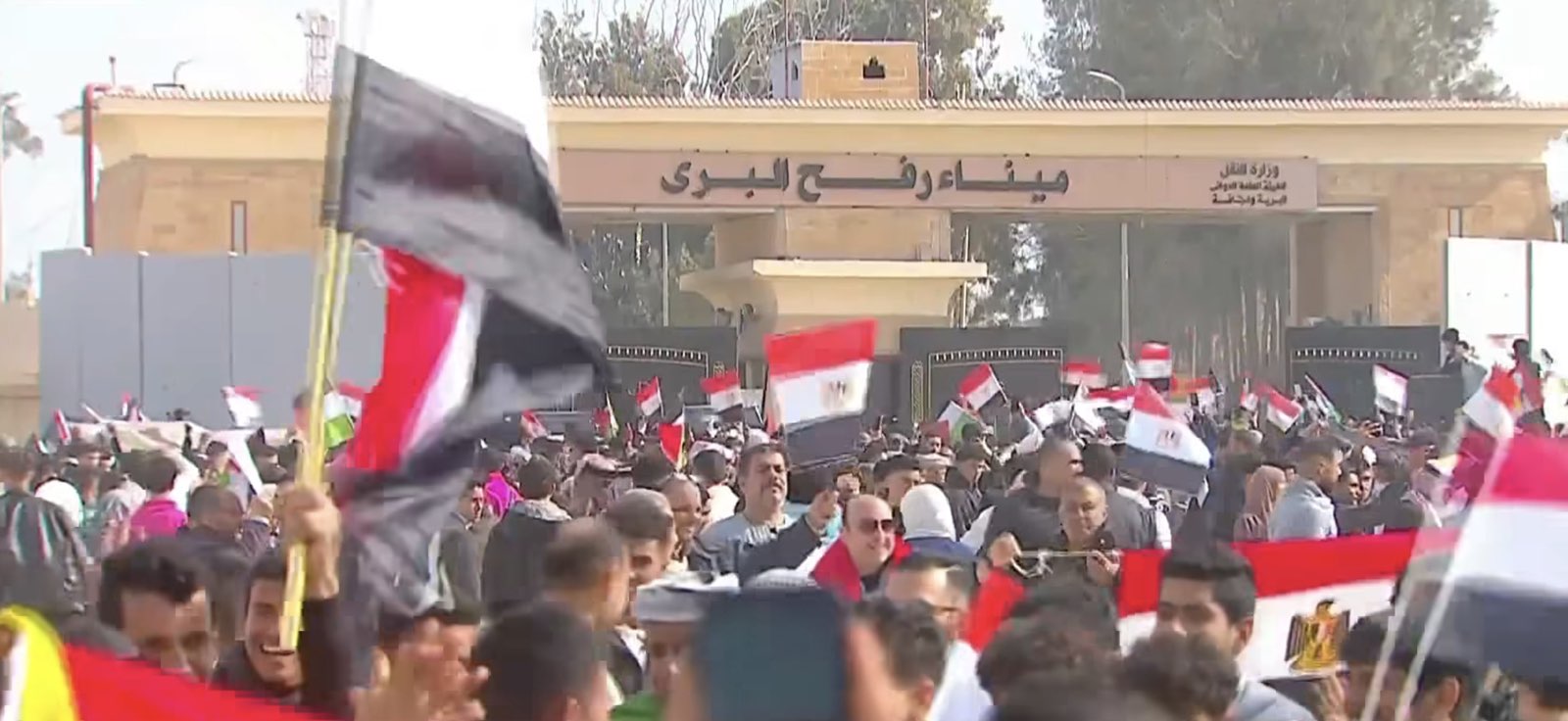
Thousands demonstrate in Rafah in support of Sisi’s position against forcibly displacing Palestinians
Thousands of people were transported across the country to Rafah on Friday to join organized demonstrations in opposition to the forced displacement…
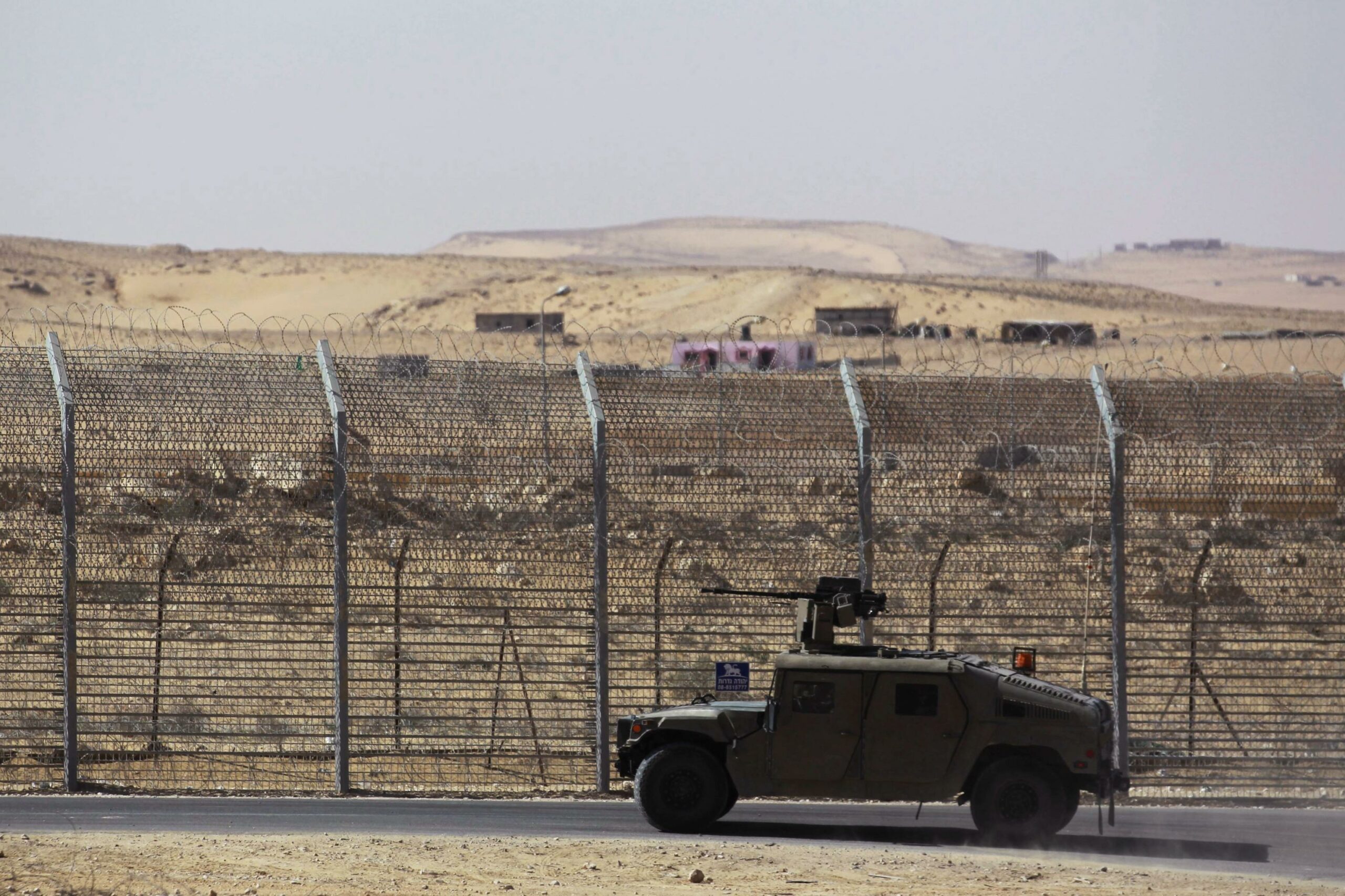
Senior Egyptian official says exchange of fire took place in Naqab desert, not on Egypt’s border
This is the fourth attempted drug smuggling operation to be reported since October 7 in the area.
Your support is the only way to ensure independent, progressive journalism survives.
You have a right to access accurate information, be stimulated by innovative and nuanced reporting, and be moved by compelling storytelling. Subscribe now to become part of the growing community of members who help us maintain our editorial independence.
Join us