
Annual inflation reaches highest level since 2008, with London firm projecting further increases
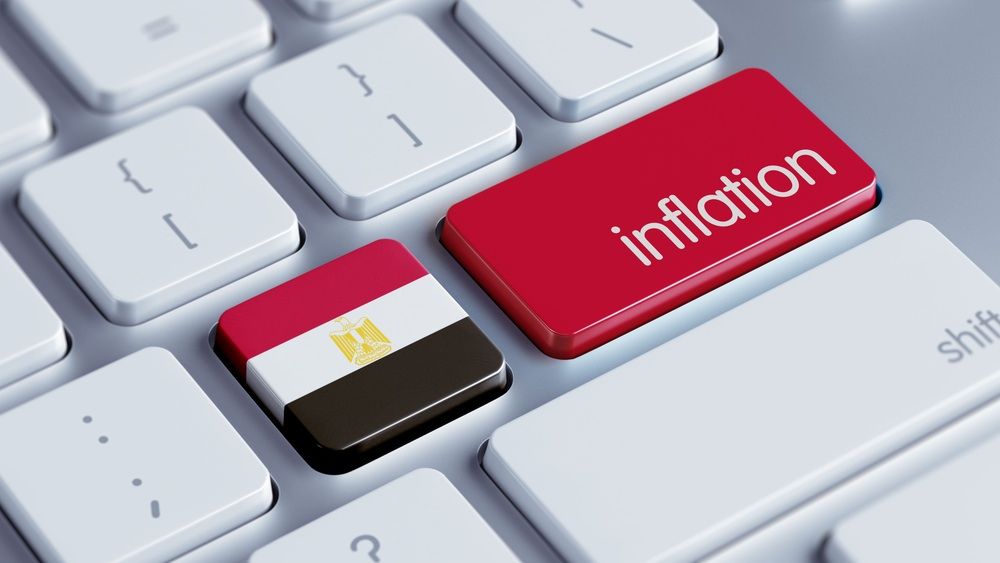
Annual inflation has reached its highest point in eight years, increasing to 20.2 percent in comparison to the figures posted in November 2015.
Monthly inflation has also produced a noticeable spike, increasing to 5 percent, according to data published by the Central Agency for Public Mobilization and Statistics on Thursday.
November's annual core inflation rate – which represents long-term price trends, excluding volatile items – surged to 20.73 percent, up from 15.72 percent in October, according to the Central Bank of Egypt.
The independent London consultancy firm Capital Economics has recently published a research note attributing the surge in inflation to the Egyptian government’s decision to reduce subsidies and liberalize the currency exchange rate, which has caused a 100 percent depreciation in the Egyptian pound’s value against the US dollar
Inflation increased more sharply in Egypt’s rural areas than it did in urban centers, with the monthly rate standing at 4.8 percent and 5.2 percent respectively.
Capital Economics stated the economic conditions portend additional increases in the inflation rate in the coming months, highlight the weakness of the Egyptian pound’s value on the international exchange market, cuts to subsidies and the introduction of new tariffs on several imported goods.
The Central Bank of Egypt floated the exchange rate of its national currency on November 3, following months of crisis affecting the foreign currency exchange market. On the same day, the Cabinet cut subsidies for petroleum products, prompting a 30.5-46 percent increase in the price of petroleum products. Both decision were issued within the framework a three-year, US$12-billion agreement between the International Monetary Fund’s (IMF) and the Egyptian government, which was officially approved by the IMF one week later.
Capital Economics’ research suggests that the rise in inflation may deplete family incomes. “This is one reason why we expect the Egyptian economy to slow sharply next year and record a GDP growth of just 1.0 percent. This is well below the consensus forecast of more than 3 percent,” the report asserted.
According to CAPMAS’s latest figures, the annual rate of inflation for food and beverage prices rose to 22.5 percent, with the monthly rate increasing to 5.1 percent.
The healthcare sector, in particular, has been hit hard by the economic conditions, with its annual inflation rate increasing to 26.2 percent and its monthly inflation rate in November rising to 5.5 percent. The transportation sector’s annual rate of inflation rose to 21.6 percent, with its monthly inflation rate rising to 12.6 percent.

أخبار ذات صلة
Govt raises fuel prices by LE2, natural gas for vehicles up 43%
The government raised fuel prices on Friday, increasing the cost of gasoline and diesel by LE2 per liter and natural gas for…
Egypt to boost fertilizer exports to offset planned slash to industrial energy subsidies
The government will raise natural gas prices for industrial use in Egypt in the coming weeks by around US$1-2 per million British…
How will the Israel-Iran war affect the Egyptian economy?
The Egyptian economy continues to tremble with uncertainty in the face of the widening regional war escalated when Israel attacked Iran on Friday night. By the end of Sunday’s trading…
Egypt to impose VAT on sugar starting July, informed sources say
A value-added tax will be levied on sugar sales starting in the new fiscal year, according to a government decision that has…
Your support is the only way to ensure independent, progressive journalism survives.
You have a right to access accurate information, be stimulated by innovative and nuanced reporting, and be moved by compelling storytelling. Subscribe now to become part of the growing community of members who help us maintain our editorial independence.
Join us