
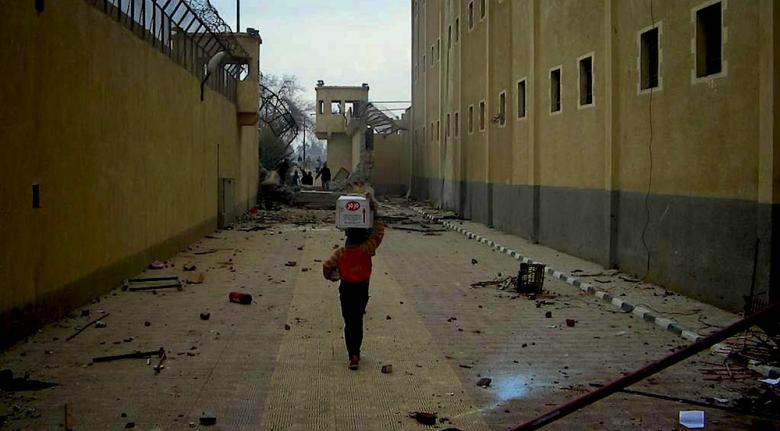
With 59 political detainees ordered released since April, do steps toward ‘national dialogue’ represent a breakthrough for political freedoms?
Fifty-nine political prisoners have now received release orders from the State Security Prosecution since President Abdel Fattah al-Sisi called for a “national political dialogue,” a number of lawyers working on the detainees’ cases said.
Some detainees in politicized cases began to be released over a year ago after mediation by the International Dialogue Group, a lobby headed by Reform and Development Party Head Mohamed Anwar al-Sadat. Some of the prominent members of Sadat’s lobby later joined the new formation of the National Council for Human Rights.
In late April, Sisi called for a “national dialogue,” heralded as a forum to foster political diversity, inclusivity and participation, and relaunched the presidential amnesty committee to enact releases for detainees in politicized cases ahead of the dialogue.
Rights council and amnesty committee members who spoke to Mada Masr described the series of releases since April as a positive indication that authorities wish to address the systemic use of remand detention against politically-involved individuals, and to reform the practice of sentencing others to jail time for false news, terrorism, protest or similar charges on the basis of their opinions.
Yet they also noted that the trickle of releases remains slow, and targets only a small number of those imprisoned for their political views or activity, at a time when many Egyptians continue to face arrest and imprisonment for expressing their opinions. “Any individual’s release from prison is a breakthrough that we will celebrate, but in the end, we are awaiting lots of releases,” said lawyer Nabih al-Genady.
Since the call for dialogue, at least 59 imprisoned activists and politicians have been ordered released from remand detention upon the recommendation of the amnesty committee, including translator Kholoud Saeed, former April 6th Youth Movement spokesperson Sharif al-Rouby, and publisher and novelist Ayman Abdel Moaty.
Sentences have also been waived for Popular Current member Hossam Moanis and former Civil Democratic Movement spokesperson Yehia Hussein Abdel Hady after both received presidential pardons over the same period.
Human rights council member Walaa Gad al-Karim said that release orders issued by the state security prosecutions are based on nearly 100 lists of detainees that the council began to submit to the amnesty committee and the Interior Ministry in April.
While pardons were previously granted only on national holidays and special occasions, lawyer Nabih al-Genady noted that releases are happening more quickly now since new members were appointed to the presidential amnesty committee. Yet, the rate is still much slower than what is needed, Genady said.
Amnesty committee member and lawyer Kamal Abu Eita also believes the rate of releases is slow. As a lawyer who attends prosecution investigations with his clients, he told Mada Masr that he sees how “the prosecution still imprisons over 150 young people on a daily basis because of a few words they wrote on Facebook,” while the number of release orders remains in the dozens.
For Genady, one of the issues is that there are no specific criteria on which the release decisions are based and that decisions are made slowly on a case-by-case basis. Genady recommended that the prosecution set broader standards to facilitate quicker releases.
If the prosecution were to issue releases, for example, anyone who has been held without trial beyond the maximum remand detention limit of two years, or if it were to release anyone arrested for expressing an opinion on social media, thousands of political detainees would get out all at once, instead of just a few dozen, said Genady.
Recommendations aside, Abu Eita said that what’s holding up the process is that there are two competing and conflicting stances among state bodies on how opposition figures should be handled: one in favor of releasing political prisoners, while the other would favor an even wider crackdown on critics.
And there are still many others who have not been released. Aside from those in remand detention who the presidential amnesty committee recommends to the State Security Prosecution for review, Genady added, there are hundreds who have been already convicted in political cases who await a potential release via presidential pardons, such as ultras leader Sayyed Mushagheb, activist Alaa Abd El Fattah or former presidential candidate Abdel Moneim Abouel Fotouh.
Karim likewise acknowledged that the pace of releases has been slow for detainees still in remand and accused of politicized charges like “demonstrating, joining [an illegal] group, or spreading false news.” Karim speculated that this is likely due to the relevant authorities leaving the Public Prosecution and judiciary space to work on the releases so that it becomes a part of their regular work rather than a practice that happens in exceptional circumstances.
If the recent release orders by criminal courts for political detainees were added to those issued by the State Security Prosecution and the presidential amnesty committee, said Karim, the number of political prisoners released over recent weeks would amount to over 100.
But Genady said that criminal court release orders are the result of lawyers’ efforts and court decisions, rather than mediation by the amnesty committee. “If anyone suggests that the [court decisions] fall within the realm of political mediation, that represents a transgression of judicial integrity.”
Abu Eita told Mada Masr that he believes the situation requires a “bold decision,” similar to that taken in 1981 by the ousted former president Hosni Mubarak in which all political prisoners who were detained by his predecessor, President Anwar al-Sadat, were released and invited to the presidential palace.

تقارير ذات صلة
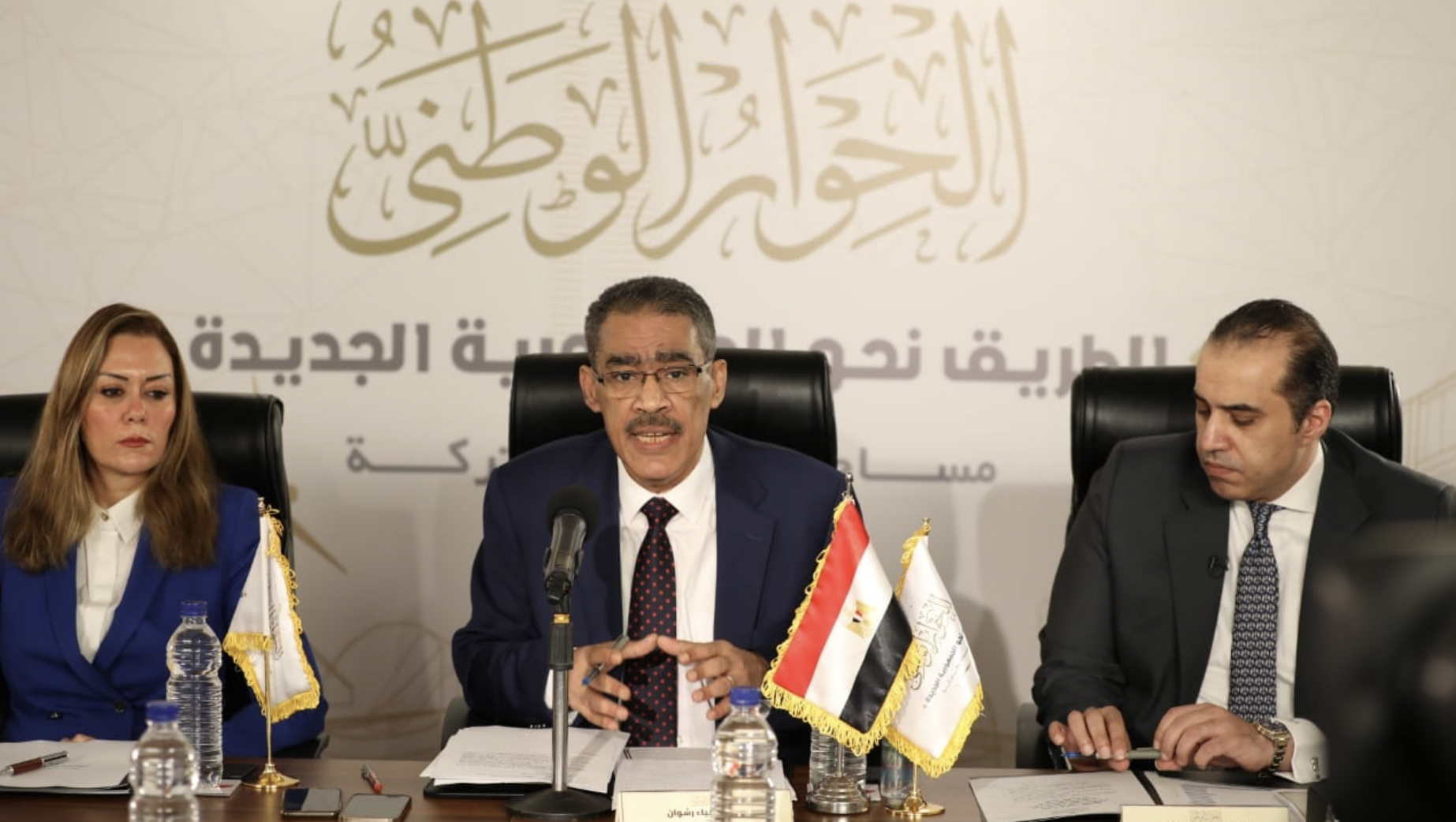
What happened in the first coordinating session of the National Dialogue?
Sessions in the National Dialogue proper are set to begin after Eid al-Adha
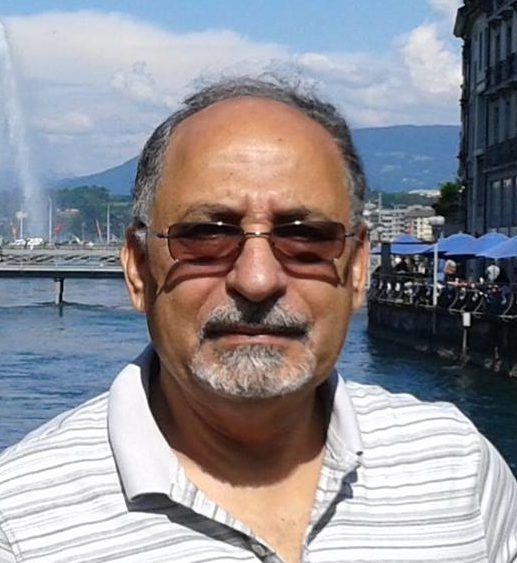
Q&A with Civil Democratic Movement co-founder Mostafa Kamel al-Sayed on the latest in the national political dialogue
"The academy issued its statement without consulting the civil movement"
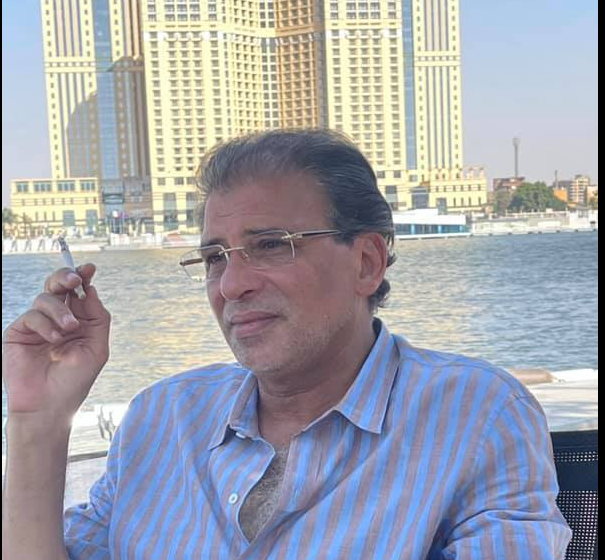
Q&A | Director Khaled Youssef on the national political dialogue: We must take full advantage of this opportunity, even if our chances are slim
After falling out of favor with the state post-2013, Youssef has appeared to return to the scene
Your support is the only way to ensure independent, progressive journalism survives.
You have a right to access accurate information, be stimulated by innovative and nuanced reporting, and be moved by compelling storytelling. Subscribe now to become part of the growing community of members who help us maintain our editorial independence.
Join us