
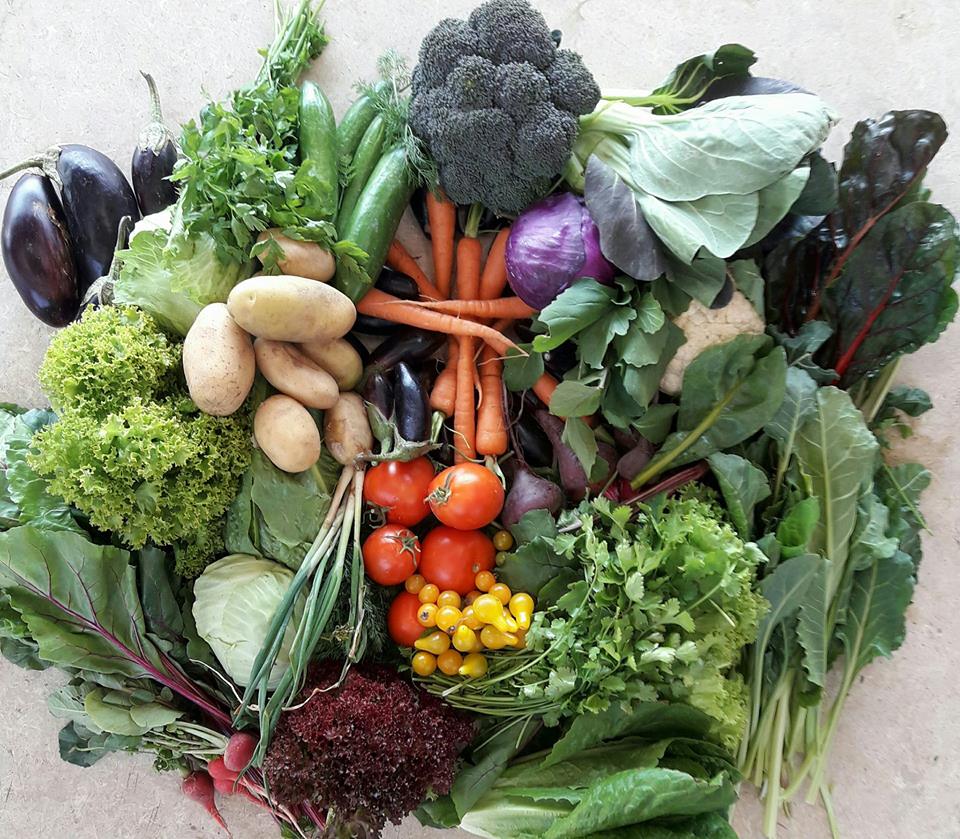
Vegetable prices soar as crop yields suffer from cold wave
Vegetable prices in Egypt soared over the past week as a result of unusually cold weather patterns that have negatively affected crop yields, according to several industry insiders. The inflated prices are just the latest consequence of erratic weather fluctuations caused by climate change that have troubled Egypt’s agricultural industry in recent years.
Over the course of last week, the price of tomatoes increased by 120 percent, reaching LE5 per kilogram up from LE2.27, according to Oboor Market, a site that tracks produce prices, and the head of the Farmers Syndicate. Meanwhile, the price of eggplants rose by 157 percent, from LE3.5 per kilogram to LE9; and peppers rose by 55 percent, from LE5.5 per kilogram to LE8.5.
Mohamed al-Gohary, a farmer from Daqahlia, told Mada Masr that frost causes the vegetable flowers responsible for fruit germination to fall, thereby reducing crop yields.
“In the case of tomatoes, when temperatures drop to zero degrees Celsius, the plant’s leaves burn, resulting in tissue damage,” he said. Frost also slows the change in color of tomatoes from green to red, which is essentially a delay in the ripening process, he added.
According to Mohamed Faheem, head of the Climate Change Information Center, a suitable temperature for the formation of lycopene, the pigment responsible for the red color in fruits, is 24 degrees Celsius. This delayed coloring leads to a smaller harvest, and the decreased supply leads to price hikes, the head of Oboor Market Mohamed Hosni Sharaf told Mada Masr.
Harvest shortages are typically short-lived in Egypt, as local tomatoes are grown in two separate regions with different climates in order to maintain a steady crop supply throughout the year. From November to March, most governorates depend on tomatoes grown in the south of the country, while the rest of the year tomatoes are sourced from governorates in the north.
However, delays in the coloring process lengthen the intervals between production cycles, according to the head of the Farmers Syndicate Hussein Abu Saddam. “Instead of a typical 15-day interval, during which prices increase slightly, the interval reached a full month in which prices continuously climbed.”
The deputy head of the produce division at the Cairo Chamber of Commerce, Hatem Naguib, told Mada Masr that tomato prices may fall again by March. However, both Gohary and Saddam said they expect another decrease in the tomato harvest in the next cycle due to the sharp drop in temperature over the past few weeks.
Agriculture in Egypt has suffered in recent years as a result of erratic weather patterns caused by global climate change. A similar crisis hit the mango harvest last year, while other crops, such as olives, potatoes, wheat, rice and cotton, have also been adversely affected over the last few years. A 2018 report titled “Sustainable Agriculture and Climate Changes in Egypt,” found that climate change can have drastic effects on agriculture through changes in temperature, rainfall, CO2 levels and solar radiation. A 2020 European Union report also found that climate change will pose a threat to global food production in the medium- to long-term through projected changes in daily temperatures, precipitation, wind, relative humidity and global radiation.
While the Egyptian Meteorological Authority said last year that "the last decade has witnessed rises and falls in temperature that have not occurred in decades," the government has taken few concrete steps to mitigate the effects of climate change on food security in Egypt.
According to various studies, climate change gradually reduces the duration of spring, autumn and winter, which in turn affects the crops that are cultivated during those seasons. For Egypt in particular, the country’s agricultural crop map will likely change as a result of a prolonged summer season, according to a study by former Agriculture Minister Ayman Abou Hadid, published in 2010 when he was heading the Agricultural Research Center. The study predicted that grain cultivation will gradually move north from Upper Egypt due to a rise in winter temperatures, though it did not give a projected timeframe.
Recent cold waves have affected other crops as well, such as zucchini and cucumber, and will impact prices in the coming period, Gohary said. He believes the only way to effectively mitigate the effects of climate fluctuations is to grow crops in greenhouses. However, the steep cost of greenhouses, with the plastic alone reaching LE60,000 per feddan, render them unaffordable to most farmers. “Who will be able to bear this cost amid the continuous losses due to changes in the weather and the high cost of production inputs?” Gohary said.
While most small-scale farmers cannot afford the cost of greenhouses, the military’s National Service Projects Organization has expanded the building of greenhouses across Egypt, including in military bases in Marsa Matrouh and Abu Sultan in Ismailia.

تقارير ذات صلة
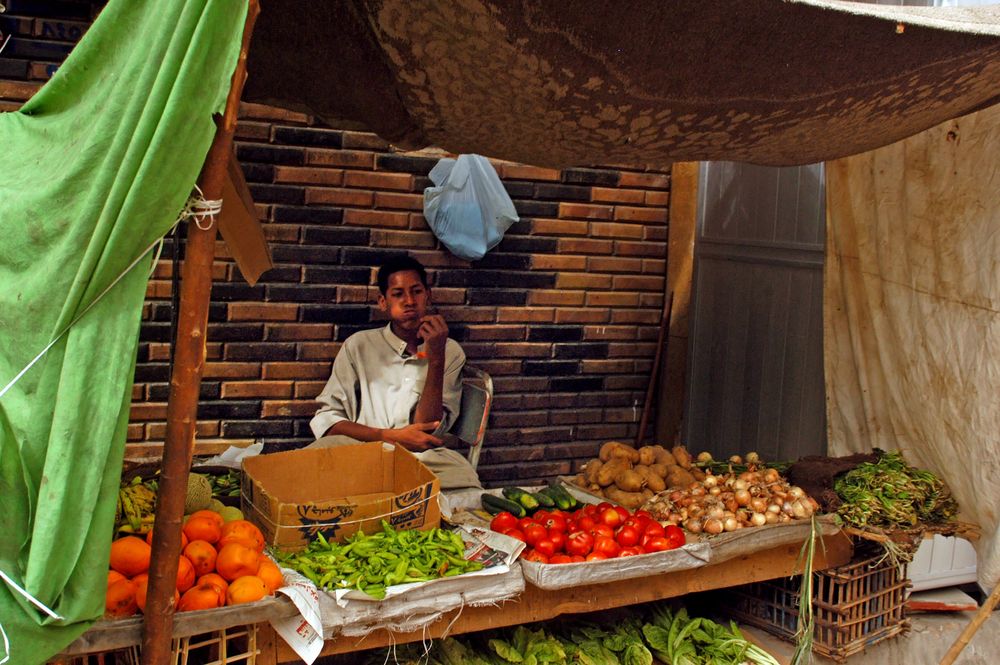
Fighting high food prices at retail level misses deeper causes of price spikes
With food prices soaring, Egypt’s government has vowed to take action. “Don’t think that the issue of inflation has passed me by,” President Abdel-Fattah al-Sisi said, in a speech last…

What’s up tomatoes?
During Saturday’s press conference, Prime Minister Mostafa Madbuly addressed the recent surge in tomato prices, following a tour of the Obour Wholesale Fruit and Vegetable Market. “There was a problem…
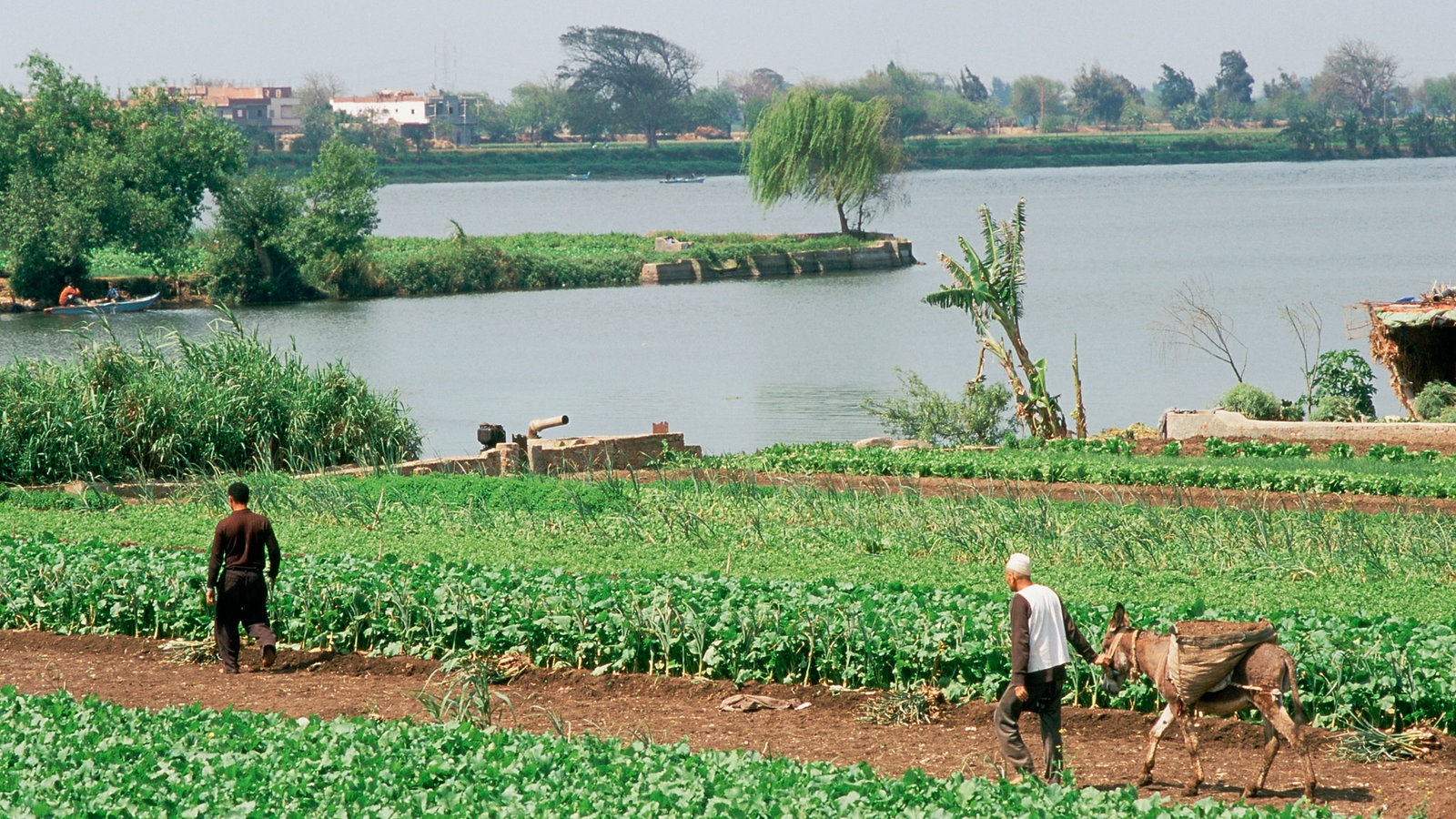
‘We inherited this land, we cannot leave it:’ Rent hikes over 170% threaten farmers on Endowments, Agricultural Reform land
The hikes come within a recent push to maximize state revenue and prioritize large-scale farming
Your support is the only way to ensure independent, progressive journalism survives.
You have a right to access accurate information, be stimulated by innovative and nuanced reporting, and be moved by compelling storytelling. Subscribe now to become part of the growing community of members who help us maintain our editorial independence.
Join us