
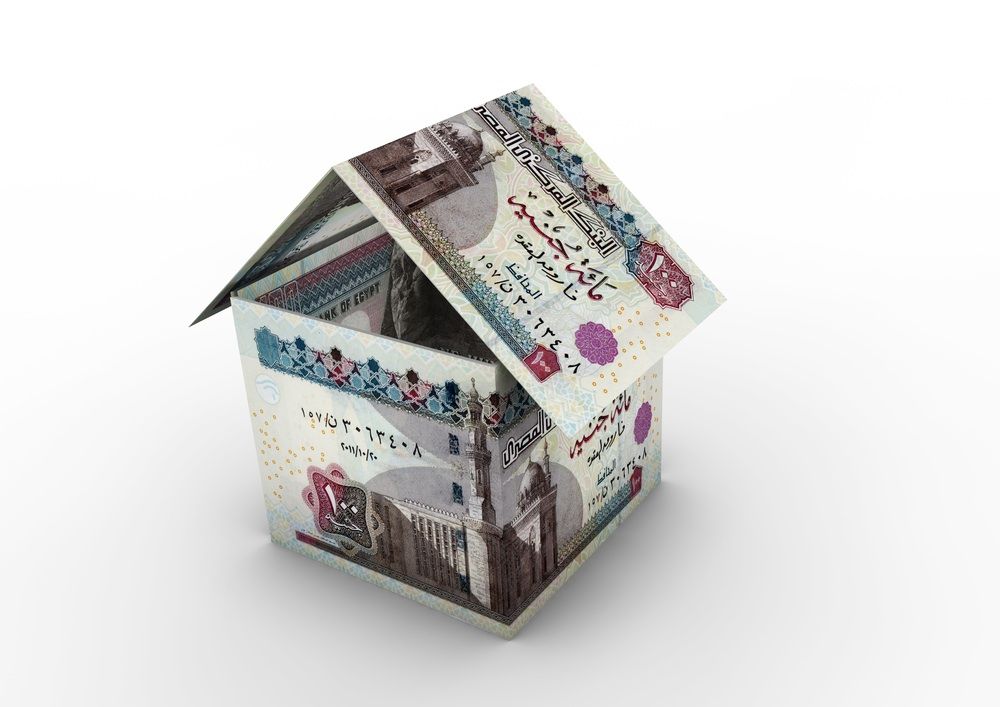
Two takes on this year’s budget
President Abdel Fattah al-Sisi officially ratified the budget for fiscal year 2015/16 last week after the Cabinet reduced the projected deficit to 8.9 percent of gross domestic product (GDP), or around LE251 billion.
The target deficit is 2 percent lower than the fiscal year ending June, with a GDP growth rate set at 5 percent.
Sisi had sent the first draft of the budget back to the Cabinet asking for a reduced deficit target. As it stands now, the state is aiming for a 2 percent lower deficit than last fiscal year, on the back of a 27.7 percent increase in overall revenue.
Some have called the budget austerity-driven, while others have said that the targets are not feasible.
Mada Masr spoke to two analysts to get their views on the budget and the targets set by the state: Wael Ziada, head of research at regional investment bank EFG-Hermes, and Amr Adly, an economic researcher at the Carnegie Center for Middle East Studies.
Ziada says the budget calls for fiscal consolidation, not austerity. He adds that while the deficit may be achievable, the bigger challenge may be in meeting the target for GDP growth. Read more about his analysis here.
Adly, on the other hand, says that the state’s target of decreasing the deficit by 2 percent over the last fiscal year is unrealistic. Read his take here.

Amira Salah-Ahmed
Leave it to Amira to poeticize a stock market crash or an inflation hike. Her creative writing skills put a silver lining on the cloud that is Egypt’s economy. …
تقارير ذات صلة
Trade-off: Madbuly’s big debt target and even bigger debt problem
A grand debt-swap proposal is gaining government and media traction
Egypt to seek LE1.5 trillion in borrowing as debt servicing consumes 50% of 2022/23 expenditures
An MP blamed the government for not developing an austerity plan.
General budget approved despite apparent shortfall in spending on health, education
Successive cabinets have failed to hit the constitutionally mandated marks for health and education.
Your support is the only way to ensure independent, progressive journalism survives.
You have a right to access accurate information, be stimulated by innovative and nuanced reporting, and be moved by compelling storytelling. Subscribe now to become part of the growing community of members who help us maintain our editorial independence.
Join us