
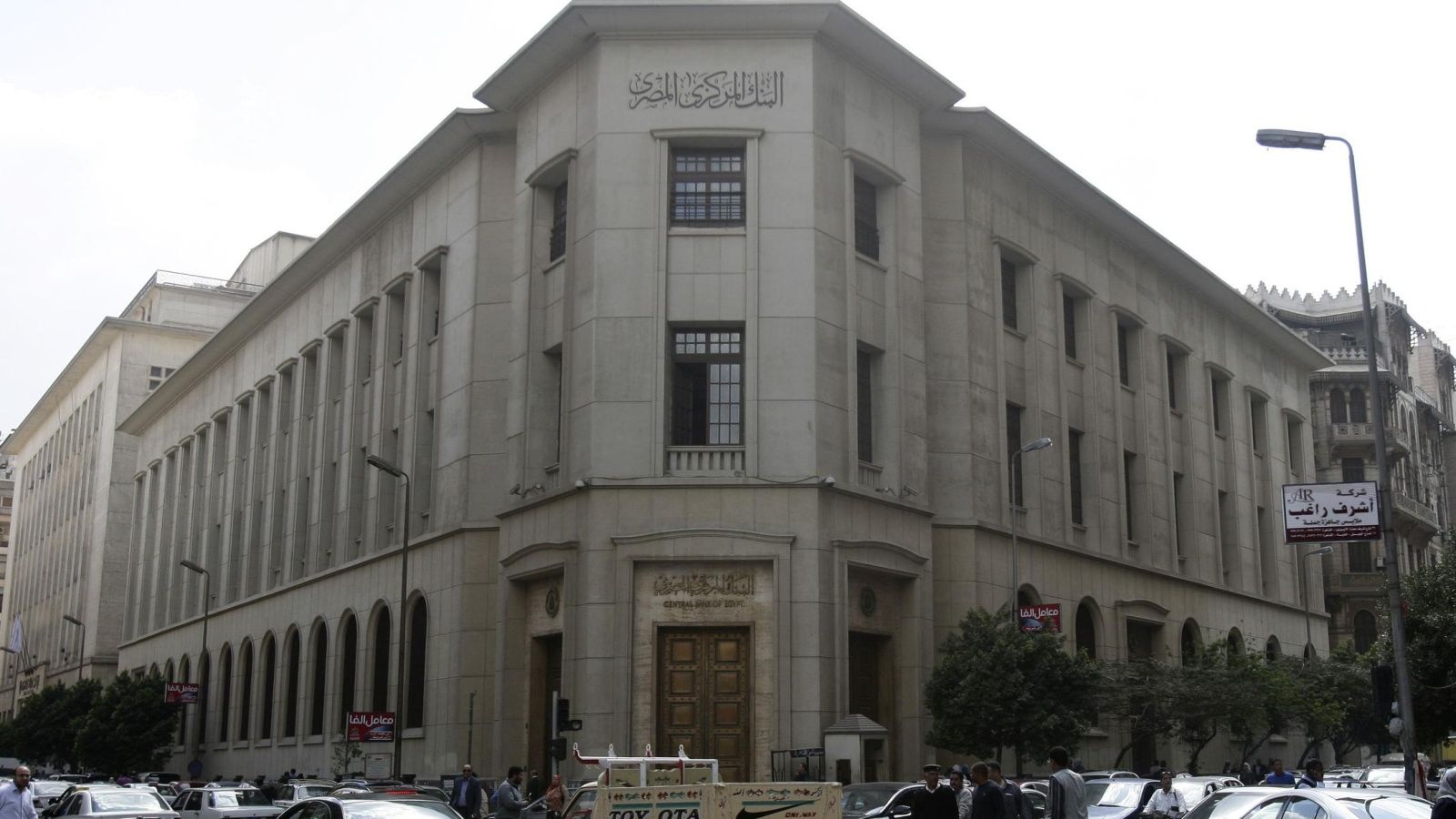
Egypt to seek LE1.5 trillion in borrowing as debt servicing consumes 50% of 2022/23 expenditures
The government presented its draft budget for the coming fiscal year, outlining a total spending bill worth around LE2.71 trillion (nearly USD$150 billion) to lawmakers in the House of Representatives on Monday.
Key features of the draft budget for fiscal year 2022/23 include a 42.5 percent increase in planned borrowing, with debt accounting for around half of the total budget resources for the coming year.

Lawmakers were also quick to comment on a marked increase in debt servicing costs in the coming year’s budget plan, with debt repayments representing the single largest portion of government spending.
Addressing MPs during the session, Finance Minister Mohamed Maiet pointed to the pressure exerted on Egypt’s economy amid the repercussions of Russia’s invasion of Ukraine and of rising global inflation, saying that these pressures are reflected in the draft budget of the 2022/23 fiscal year beginning in July.
Lawmakers respond to the state spending plan
The government does not have a vision to stop borrowing, or to limit the use of borrowing to closing the deficit and increasing resources, said MP Mohamed Badrawy, a member of the House Planning and Budget Committee, in comments to Mada Masr on Monday. Badrawy described the budget draft as continuing a policy of overdependence on debt.
The cost of debt repayments increased by over 62 percent to reach LE966 billion ($51 billion), and the cost of interest payments on existing loans increased by around 19 percent to reach around LE690 billion (around $37 billion).
Badrawy said the increase to the budget deficit, the swelling cost of debt servicing and the limited contribution that state revenues make to total national income are the outcome of the government’s policy of pursuing unprofitable megaprojects.
“There are projects such as electric trains and the monorail that are undertaken by the National Authority for Tunnels,” an authority whose budget functions independently of national spending allocations, said Badrawy. “But the projects require the Finance Ministry to provide guarantees to foreign financiers. When they are implemented and do not make profits, the treasury alone bears the cost of the principal and interest on the loans,” he said.
Veteran journalist and Nation’s Future Party MP for Giza Governorate, Mostafa Bakry, made similar criticisms regarding the increased allocations for debt repayment, calling for spending on megaprojects to be halted given the current economic turbulence.
Independent MP Diaa Dawoud also blamed the government for not developing an austerity plan “despite anticipating a deficit of over LE300 billion.”
Budget breakdown: resources
The draft budget statement shows that the government plans to borrow over LE1.5 trillion, just under half of the nearly LE3 trillion laid out in the draft. The figure represents a year-on-year increase of 42.5 percent.

Taxation represents the largest proportion of the remaining budget resources, from which the government aims to collect LE1.168 trillion in revenues over the coming fiscal year.

The majority of those revenues are to come from regressive taxation, levied, for example, on goods and services, as opposed to more progressive forms of taxation such as income tax.

Spending

National spending on debt servicing represented the largest proportion of public expenditure, at around 54 percent, with debt repayment on the principal rising a record 62 percent in the new draft budget, to reach LE965.5 billion.
Expenditure on debt interest also rose by nearly 19 percent, to reach over LE690 billion.

The bulk of the debt servicing expenditure is represented by the amortization of several local bonds, with their final installments due for repayment in the new fiscal year. The government has begun to pursue a policy of increasing the average maturity of its debt issuances.
Food subsidies
Allocations to subsidize food dropped by 8 percent in the new draft, with LE90 billion going to the commodities purchases compared to the LE98 billion in the current year’s budget due to be spent before accounts close on June 30.
In real terms, the reduction to spending on food commodities is more likely to come in at around 17 percent, since inflation is expected to reach highs of 9 percent over the course of FY 2022/23, according to projections in the government’s draft.

Food subsidy allocations for the coming fiscal year include LE48.9 billion for bread subsidies, LE2.6 billion to subsidize flour reserves, LE2.4 billion to support bread points, and LE36 billion to support the basket of household commodities available via ration cards, for which beneficiaries’ eligibility is assessed according to a set of income-based criteria. The draft also sees the removal of 200,000 beneficiaries from the ration card system.
Petroleum commodities

The new budget allocates over LE28 billion to subsidize petroleum products, compared to the LE18 billion allocated in the current budget. The sum reverses the trend begun since 2014, which has seen cuts to spending on petroleum subsidies.
The new increase in subsidies is a consequence of “the rise in Brent crude prices and the change in the exchange rate of the dollar against the Egyptian pound,” the draft budget said.
The cost per barrel of Brent crude is extremely volatile, as global markets respond to the supply chain crisis caused by the coronavirus pandemic and the resulting worldwide lockdowns, as well as the impact of Russia’s invasion of Ukraine. Prices per barrel stood at $63.5 in March 2021, and swung to highs of $130 in February. The cost dropped slightly over March 2022, and rose again to $110 at the start of May.
Health and education

Government spending on health and education still does not meet the minimum spending requirements set in the Constitution as percentages of gross national product.
The Constitution stipulates 6 percent of GNP as the minimum budgetary allocation to the education sector, and 3 percent for the health sector. In the new budget, however, the Education Ministry is allocated LE192.6 billion and the Health Ministry LE128.1 billion.
The Finance Ministry asserts that it has met its constitutional obligations, pointing to expenditures made outside the ministries' budgets. By redefining what constitutes expenditure, the government claims that total spending on health stands at LE310 billion in the draft budget for the coming year, and that spending on education stands at LE476 billion.

تقارير ذات صلة
Trade-off: Madbuly’s big debt target and even bigger debt problem
A grand debt-swap proposal is gaining government and media traction
General budget approved despite apparent shortfall in spending on health, education
Successive cabinets have failed to hit the constitutionally mandated marks for health and education.
Where does social protection spending stand in Egypt’s 2nd COVID-19 budget?
The budget fails to meet the constitutionally mandated spending minimum for health and education.
Your support is the only way to ensure independent, progressive journalism survives.
You have a right to access accurate information, be stimulated by innovative and nuanced reporting, and be moved by compelling storytelling. Subscribe now to become part of the growing community of members who help us maintain our editorial independence.
Join us