
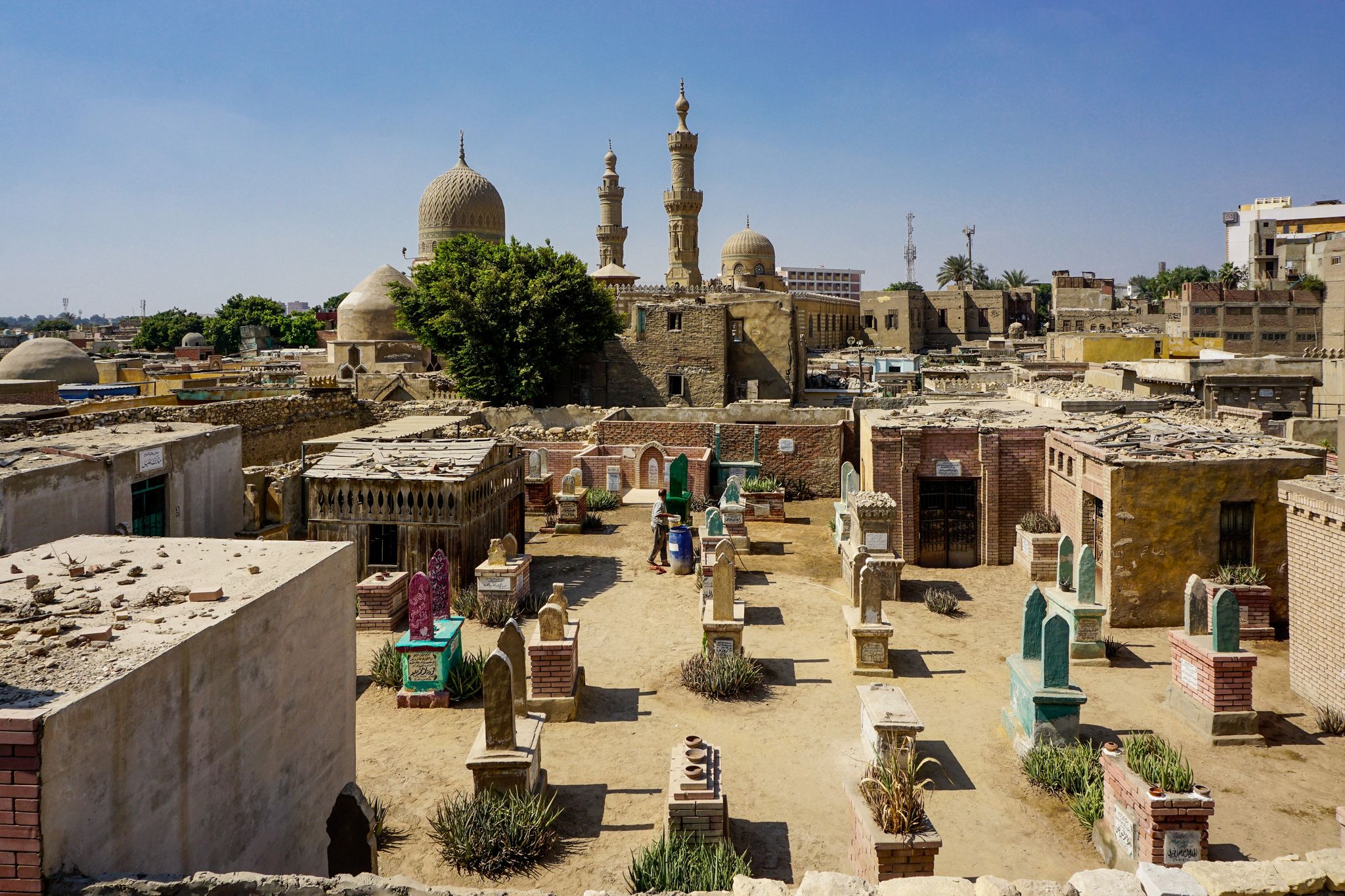
Red crosses banish family burial sites, residents from historic Cairo’s necropolis
On a Friday this October, Mahmoud* got a call from the undertaker responsible for taking care of his family’s burial plot in the cemetery that surrounds the Sayeda Nafisa Mosque in historic Cairo.
Mahmoud and his family, who have a plot near the resting place of the poet Ahmed Shawqi, should come and remove the remains of his ancestors and take them elsewhere, said the undertaker, though the undertaker couldn’t tell them exactly when they needed to do it.
Mahmoud’s family mausoleum is just one of dozens that were marked for demolition within the past month, when a committee, comprising representatives from the Armed Forces, the Egyptian General Survey Authority, and Cairo Governorate’s cemeteries administration, paid a visit to the Sayeda Nafisa and the Imam al-Shafii cemeteries, both of which fall within the bounds UNESCO mapped for the historic area.

The heritage status, however, doesn’t guarantee the site’s protection. Red arrow signs or red letters spelling out, “removal,” were placed on some graves, while others designated to remain were marked with a black “x,” said four people, some of whom work in the historic area as undertakers tending to burial plots in the complex of cemeteries in the historic area — sometimes known in English as the City of the Dead — and some of whom also live in the shelter of the mausoleums or in buildings abutting the burial monuments.
Mohamed*, who has been an undertaker in the area for over 40 years, said that the committee told undertakers that the owners of sites slated for demolition should move their families’ remains to graveyards located in 15th of May City in the southeast of Greater Cairo.
Though the undertakers asked the officials about the timeline for the planned removals, they got no response, and were delegated the task of passing on the partial information to relatives of the deceased whose graves they tend. “We told [the officials] we want to have [concrete] information instead of the rumors that we keep hearing. They told us to do business as usual until we hear from them,” said Mohamed.
For the families who live in the cemetery complex, many of them working as undertakers and guards for the burial sites, the demolitions affect their homes. A resident whose home was among the spots marked with red told Mada Masr that they were informed that plot’s owners will be given a similar area in 15th of May City, while the area’s residents will be given an apartment in the new public housing complexes in Asmarat, “only if they can prove they have been living in [the necropolis] for a long time.”
Mada Masr tried to reach the Deputy Governor for South Cairo Gihan Abdel Moniem and the Director of the General Administration for Cemeteries Walid Mohamed Yousef for comments on the number of the graves planned for demolition, the timeline, and the reason, but did not receive a response until the time of publication.
The residents and workers in the area guessed that the removals would take place within three months, an informed guess derived from how similar patterns have played out in an area fast changing to accommodate new roads and flyover projects.
Fellow undertakers operating in the Khayala cemetery, where 1,177 graves were demolished in July 2020 to make way for a the new General Salah al-Shazly Bridge connecting the Tonsy area with the expressway near the National Museum of Egyptian Civilization, told Mohamed that they were given three months when the Armed Forces and governorate officials informed the owners of the graves that they need to move the remains of their relatives to 15th of May City. In case of new deaths in the families, relatives were told they should go directly to the new graveyard, Mohamed added. Other demolitions have seen families forced to move out of the Ghafeer Cemetery with just a few days’ notice.
It seems just a few graves — those deemed of sufficient historical value — will be preserved, said urban planning professor Galila al-Qady, who called the move “a huge loss for Egypt and humanity.”

Urban heritage writer Michel Hanna, who suspects that the project will ultimately make way for the Salah Salem, Sayeda Aisha and Magra al-Ayoun roads to be widened, challenges the development narrative that has justified the planned demolitions, calling the removals “a step backward” and an infringement on the UNESCO-registered Egyptian heritage area. “There is no real need to disturb the dead and to demolish a unique heritage of several hundred years,” said Hanna.
* Pseudonyms

تقارير ذات صلة
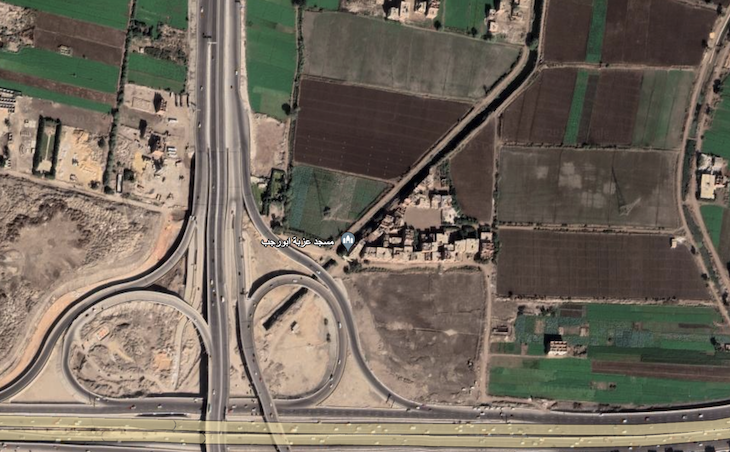
Residents of Qalyubiya agricultural area face eviction to make way for state housing project
It remains unclear how they will be compensated for the loss of their properties
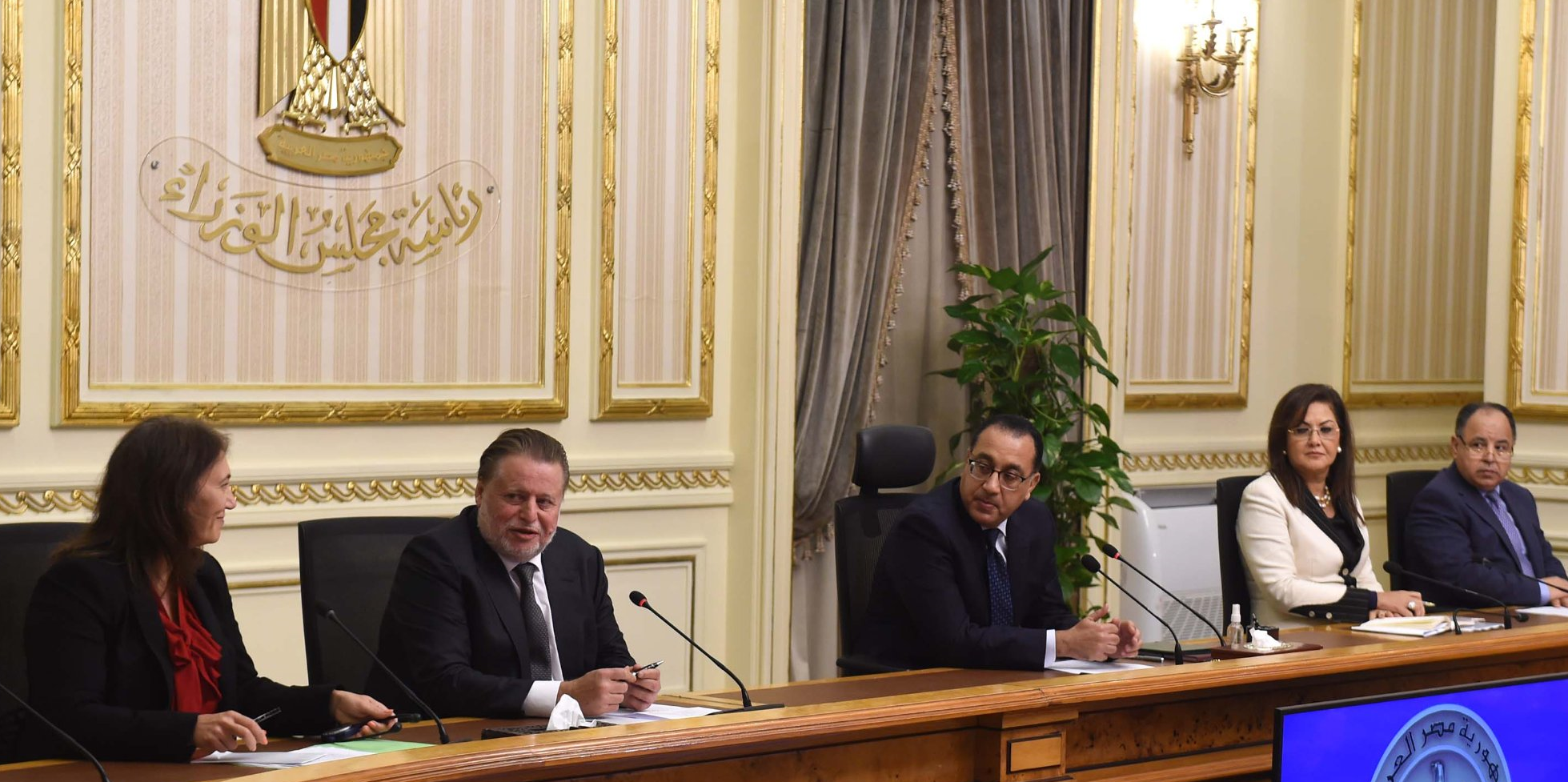
Egypt, IMF agree to smaller loan after sticking points prove political nonstarters. But will it be enough?
Egypt's refusal to acquiesce to two conditions ultimately reduced the value of the loan

Meet the newly remade Union of Sinai Tribes, the force taking over the fight in Sinai
The militant group now faces a new challenge amid an unprecedented level of tribal mobilization.
Your support is the only way to ensure independent, progressive journalism survives.
You have a right to access accurate information, be stimulated by innovative and nuanced reporting, and be moved by compelling storytelling. Subscribe now to become part of the growing community of members who help us maintain our editorial independence.
Join us