
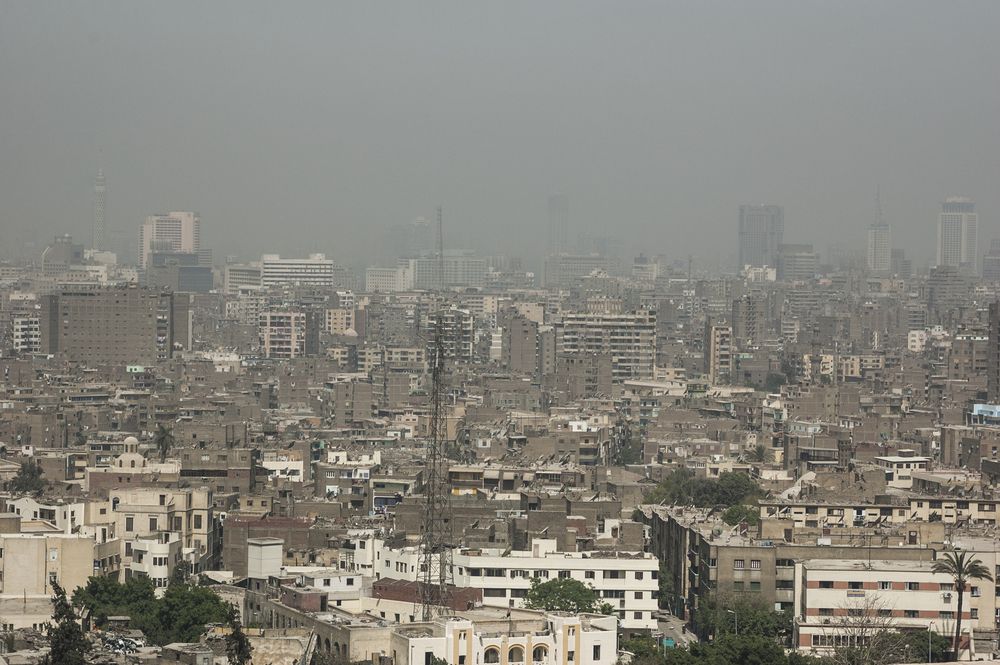
Q&A: Egypt’s emissions, the environment, and the relationship between air pollution and COVID-19
One week into the United Nations climate change conference taking place in Glasgow, global environmental issues have come to the fore.
We spoke with Mohamed Younes, a researcher of environmental justice at the Egyptian Initiative for Personal Rights (EIPR), about the relationship between the environment and social justice in Egypt, how air pollution is linked to the transmission of the coronavirus, and other challenges. The interview has been lightly edited for clarity.
Mada Masr: How do environmental issues affect our daily lives in Egypt?
Mohamed Younes: To answer this question simply is to talk first and foremost about air pollution, an issue that has been overlooked in the global discourse about the COVID-19 pandemic. Air pollution is a leading factor in lungs becoming too fragile to withstand the virus and its complications.
Discussion among environmentalists about the effects of pollution on the lungs and their ability to resist COVID-19 symptoms began in Lombardy, in northern Italy. The Lombardy region is particularly dependent on industry for its local economy, and Italian environmentalists noticed a marked deterioration in COVID-19 patients in the region compared to elsewhere in [the country], with Lombardy’s hospitals being overwhelmed with cases. These environmentalists tried to steer the discussion toward the high levels of greenhouse gas emissions in Lombardy, nitrogen dioxide in particular, and how that contributed to the exacerbation of the pandemic in the area. Global discussion of the pandemic, steered by the World Health Organization, was focused on practical solutions to prevent transmission and support healthcare systems in order to reduce deaths.
We now know that being exposed to polluted air is highly linked to whether one’s lungs will be able to withstand the complications of contracting COVID-19. If that point of view had been considered in the beginning, certain industrial cities and regions could have been locked down as a precaution to slow down the transmission rate. In the same context, it is important to look at the policies governing lockdowns and vaccine distribution. In Egypt, for instance, there was no consideration given to prioritizing industrial workers. That is, the government should have forced business owners to shut down certain factories because workers there were among the most vulnerable to COVID-19, particularly in the glass, ceramics, and cement industries. In reality, the opposite happened. After a short period of closure, exceptions were handed out to factories to continue operating. And later, during the initial rollout of the vaccine, seniors and people with chronic illnesses were prioritized. In my opinion, there should have been additional prioritization based on the geographical location of populations living in industrial areas.
MM: Is pollution in any way linked to the airborne transmission of the virus?
MY: Yes, because there is scientific agreement now — despite the WHO’s continued neglect of this fact — that particulate matter, which is made up of solid, microscopic masses that float through the air, is extremely dangerous to human health in the short term. These particles help transmit the virus, which latches onto the particles as a means of transport.
It is important to remember that the levels of particulate matter in Egypt are extremely high. Around a month ago, EIPR published a statement noting that the maximum level of particulate matter allowed by Egypt’s environment law is 10 times higher than the new maximum level stipulated by the WHO, after it slashed the previously agreed upon levels by half. Of course, the levels stipulated by Egyptian law have nothing to do with the actual measured levels, as the available data about air quality in Egypt has shown us.
MM: But recent estimates show that Egypt’s contribution to global greenhouse emissions does not surpass 0.6 percent. How is this number accurate given the high level of particulate matter in the country?
MY: The most dangerous particles, which I referred to as being high in Egypt, have a diameter of 2.5 microns, and their danger is related to their size. The smaller the particles, the more dangerous they are, as they can more easily infiltrate the human lung.
Emissions, which are a result of human activity, are specific [particles and] gases like carbon dioxide — [the emissions of which] have virtually no direct effect on human health, but do affect the warming of the planet.
At the risk of oversimplification, when we talk about air pollution, it is mostly about levels of particulate matter, but when we talk about emissions, it is mainly about greenhouse gases that drive global warming and climate change. Egypt cannot be compared to countries that are much more industrially developed, so of course Egypt’s levels of emissions will be much lower. However, we have huge levels of pollution due to the entrenchment of industries that are “backward” from an environmental point of view, such as the cement industry.
This is why problems around emissions, global warming and climate change are fundamentally related to the activities of economically developed countries. As a researcher of environmental justice issues in Egypt, what I care about most is air pollution and its short term effects on human health, which are reflected in the estimated number of deaths caused by air pollution. If we put all of our effort into reducing air pollution in Egypt, we will be protecting people while also contributing to the larger effort to reduce global warming, because air pollutants also contribute to warming. In that vein, the burning of rice straw is more damaging to the short-term health of Egyptians than the wider effects of global warming.
MM: Speaking of the rice straw burning, how would you evaluate the current season?
MY: Excellent. Honestly, the Environment Ministry was able to eradicate, for the most part, the “black cloud” through the policies it implemented, primarily the buying of rice straw from farmers and recycling it.
MM: What about other approaches to tackling climate change and air pollution in Egypt?
MY: The loudest voices in this area are not those of environmental scientists, but of investors who want to put their money into quick solutions to tackle the climate and environmental crises. The most famous example of this is the move to switch from plastic to paper packaging, as if forgoing the use of plastic packaging were a magical environmental solution, and despite the fact that overusing paper packaging will also mean cutting down more trees to produce paper, which will have its own environmental consequences. But the larger issue with this approach is that it is still very much within a consumerist framework, and the more consumption there is, the more resources get depleted. But because investors have the largest sway, we now see things like green bonds and green financing presented as magical solutions.
MM: Can’t we consider green finance as a solution?
MY: Green bonds can offer partial solutions. For example, the Egyptian government can acquire bonds to finance projects that are less harmful to the environment. However, this type of financing, whether through green bonds offered by investors or funds from international institutions and banks, never goes beyond a specific project and rarely affects overall policy making. For example, the Egyptian government receives foreign funding for green projects. At the same time, it spends taxpayer money on projects that pollute the environment. Meanwhile, the Environment Ministry and other government entities deal with industry-induced environmental pollution through a logic of mediation between investors and banks to offer the former financing for green projects with reduced terms or relatively low interest. However, there is almost no deterrence, which means that financing now has become the main priority of investors and is seen as the main tool to tackle environmental issues.
What I mean is that public policy does not actually put an end to violations through deterrence because environmental litigation in Egypt is incredibly slow. For example, at EIPR, we have not been able to obtain a final verdict in one of the environmental cases we filed years ago. Additionally, the financial penalties stipulated by the environment law are not large enough to deter polluters, especially big industries.
تقارير ذات صلة
What can we expect from this year’s COP28?
Interview on COP28 with lead Egyptian climate financing negotiator Mohamed Nasr.
Welcome to Sharm el-Sheikh: President’s City, City of Peace, City of COP27
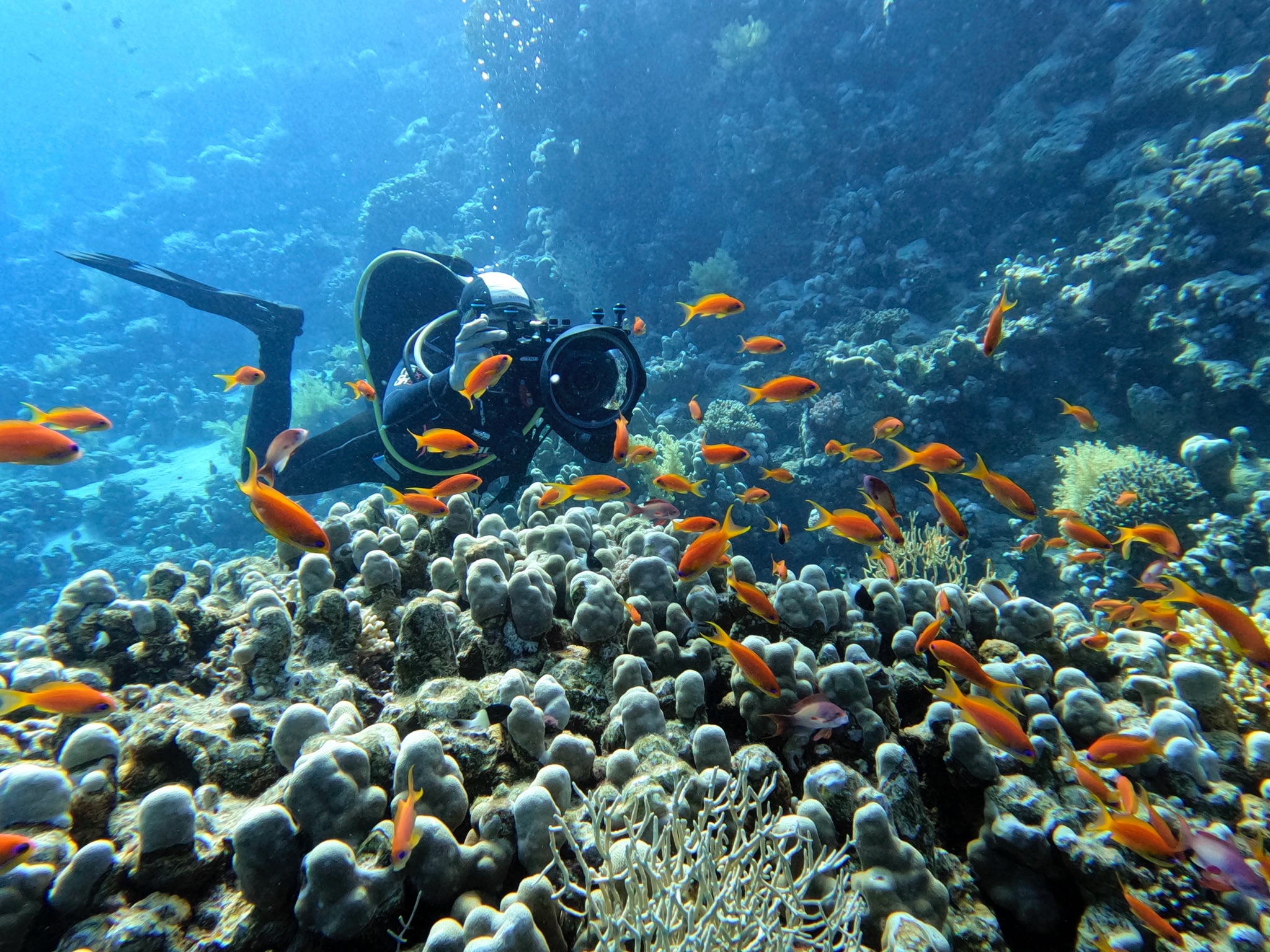
Beneath the mask the city’s donned for COP27 are the marks of years of uncalculated redevelopment
Development threatens residents, environment of historic St. Catherine area
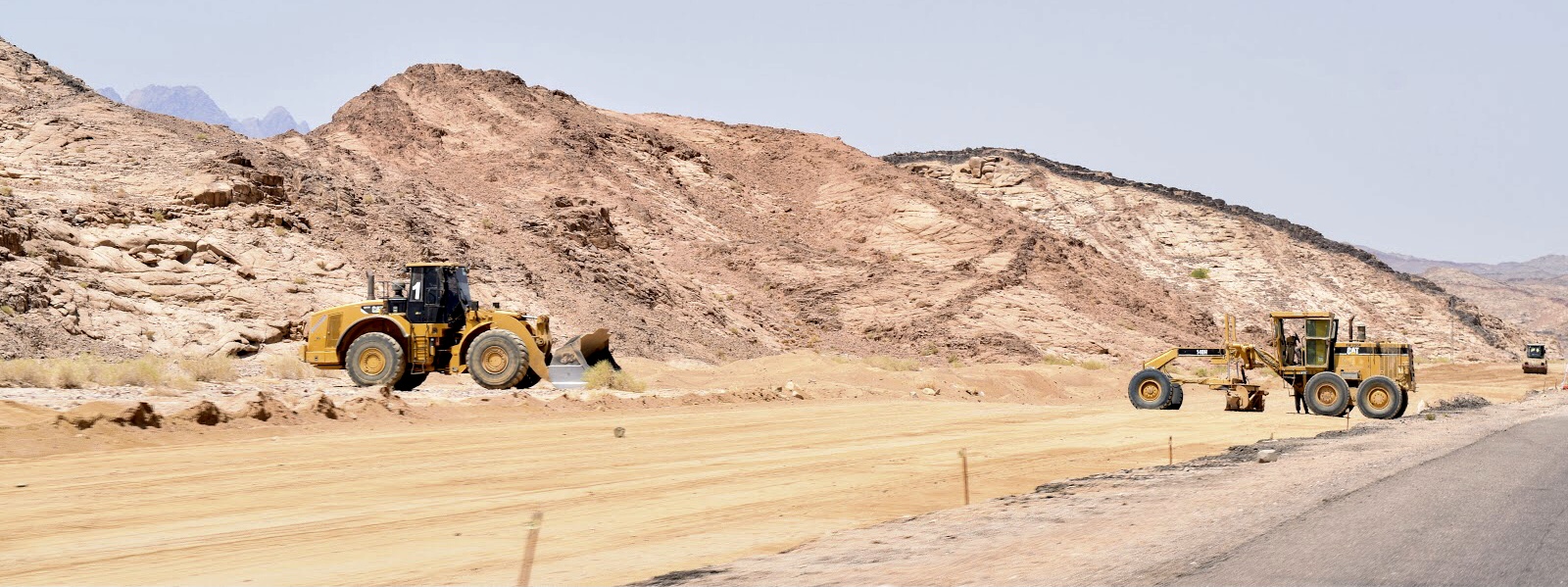
“We woke up one day and there were suddenly 3,000 workers, bulldozers and cars destroying everything. It felt like the end of days,” says Saad,* a resident of St. Catherine…
Your support is the only way to ensure independent, progressive journalism survives.
You have a right to access accurate information, be stimulated by innovative and nuanced reporting, and be moved by compelling storytelling. Subscribe now to become part of the growing community of members who help us maintain our editorial independence.
Join us