
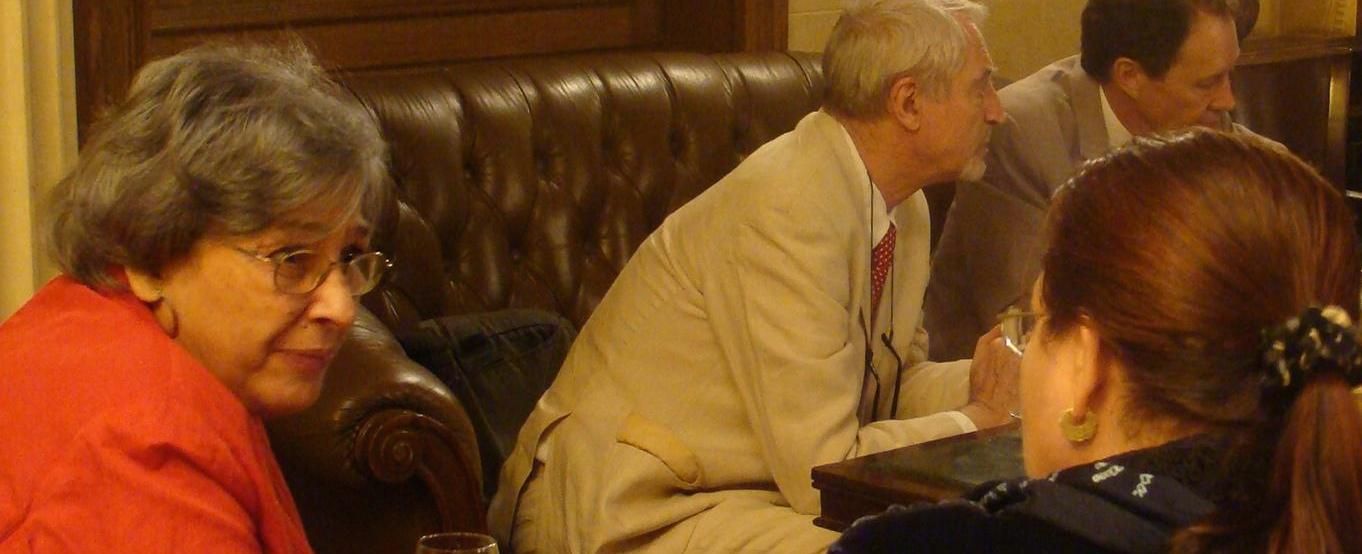
I entered her simple head-of-department room accompanied by my colleague Hany Helmy, who had been her PhD student for some time.
He was introducing me to the famous Radwa Ashour as a candidate for the master’s degree. Helmy had always been an outstanding scholar and good representative of Tanta University, where we both came from. Being recommended by him to Ashour saved me half the effort. Inspecting me with her wide wondering eyes, she received me warmly, strongly advised against the topic I had in mind, and sent me to read and come back with a tentative plan. At that time, I was about to travel to the States for a six-week Teachers of English Speakers of Other Languages (TESOL) program and I had it in mind to collect most of my data for the topic she suggested there. “It is a great start for my academic life supervised by such a great famous professor,” I told myself.
A couple of months later, I was informed by Helmy that during my stay in the States, in the process of his own degree something took place that seriously angered Ashour. Apparently it was some routine, stupid issue that frequently happened in all our governmental universities, but for some reason the professor could not tolerate it. The result was that she abandoned the idea of supervising me for the master's without seeing any tentative plan, without even meeting up with me again!
I did not see her for almost 16 years after that day. I cannot remember now whether I avoided seeing her or it just happened because I was busy finishing my degrees with other great professors and raising kids, but it simply happened. What I could not forget was the bitterness and desolation I felt because of it. I had the feeling of being banished into wilderness or thrown from a skyscraper. I was out of her paradise; I was dismissed from her world. It was unfair, unfair, I told myself almost every day. But life went on.
Then, in a conference in 2009, that is to say after 16 years of rejecting me as a student, we met. We shook hands like everyone else and stood in a circle chit-chatting. I was not sure whether she remembered me or not, but I was having a good time and did not think of it. Then, she stopped what she was saying and looked me directly in the face and said clearly in front of everyone, “Mona, I owe you an apology! When I refused to supervise you I was wrong. I punished you for the stupidity of the system. I was angry, too angry to see that I was wrong, too wrong. I thought of you a lot but now I can clearly say sorry.”
Then she stretched out and grabbed me in her arms in such a sweet hug. It was so sweet that I still remember the warm curves of her delicate body.
Going home, however, I felt the bitterness again. "You cannot banish me with a word and get me back with a hug!” I told her in my mind. “Definitely you taught me a lesson in humbleness and maturity. But I am angry now; angry mostly for the lost opportunities; for years in the wilderness. If you want to apologize, get me the 16 years back!”
Then, in 2011, specifically during the demonstrations outside the Cabinet and the fall of many young people, I was in such great sadness that I used to take the car to roam around aimlessly. In one of those times, I found a blue small book in my trunk: Siraaj by Radwa Ashour. I picked it and started to read: read and cry, read and laugh, read and think. I was breathless with exaltation. The beauty of the language, the intricately woven stories, the sensitive enlightened voice behind them — it was all fascinating and painfully true, true as much as it was imaginative. True because I saw it was actually happening. For me as a reader, Ashour’s fictional trip to a 19th-century Alexandria bombarded by colonizing British ships, followed by a trip to an imaginary island ruled by a British-allied totalitarian sultan, ends right here, right now. The island was an “every-Arab-island” in the middle of every Arab uprising against their dictators. Sirraj took me back to the blessings of being in Radwa Ashour’s beautiful mind. A book can be a consolation.
After that, I could find it in myself to read her books and write about them; even to write a paper on her novels. It was too late for us to work with each other personally. It was almost impossible to re-enter her paradise through the door I had knocked on 20 years ago. However, who said that Ashour’s paradise has ever been that narrow? Or even exclusive for one person rather than the other? Radwa Ashour’s paradise lies in her intellectual and literary legacy as well as her academic work. It is wide and rich. And in it, I can find myself reveling everywhere endlessly.
Radwa Ashour (1946-2014) died on November 30 after a long struggle with cancer.

Mona Elnamoury
Mona Elnamoury, PhD, is a professor at Tanta University, English Dept, and is a translator and writer.
تقارير ذات صلة
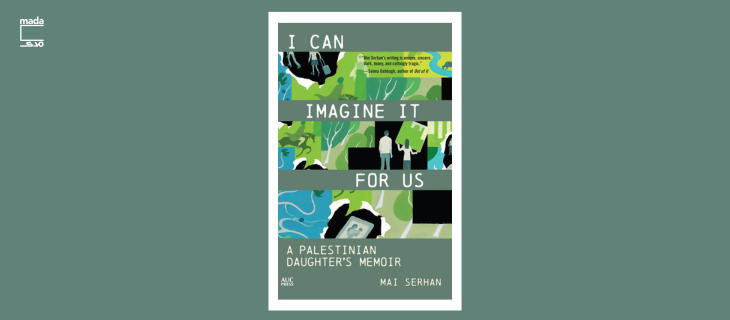
Mai Serhan imagines Palestine and recounts life after for us
"I have never been to the place where I am from, but I can imagine it for us, Baba, for you and me." This opening line of Mai Serhan's I…
Who’s Afraid of (a) Minor Detail?
Adania Shibli and Specters of the Disaster on Literature and the Body
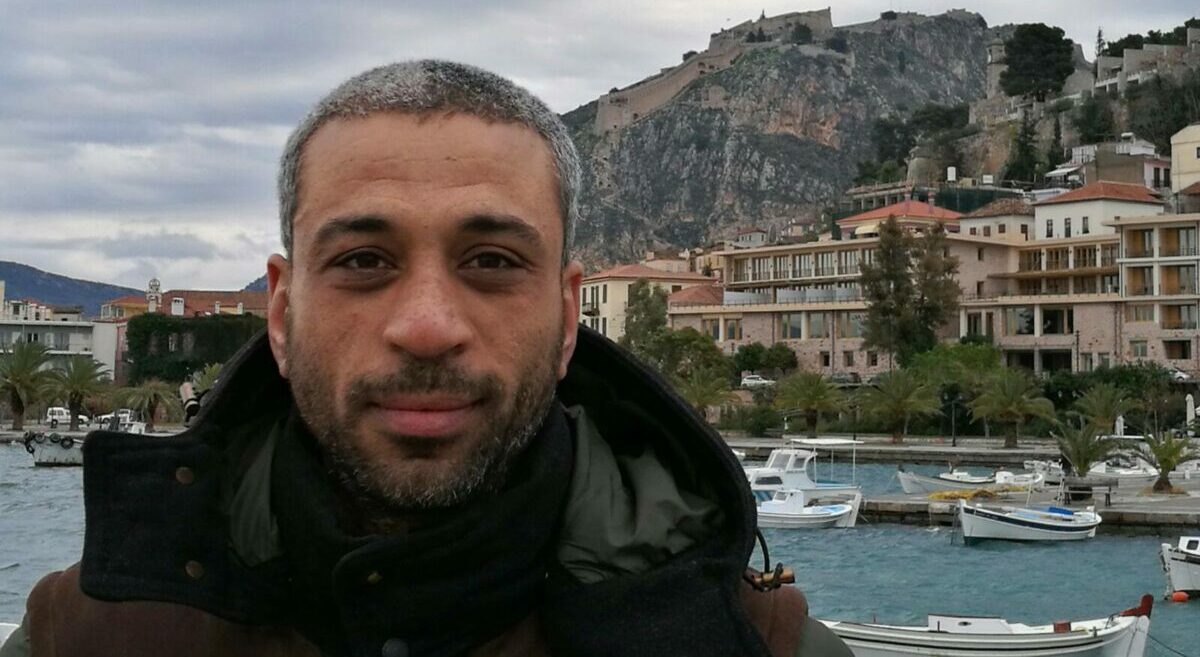
A conversation with Shady Lewis Botros on the genealogy of literary refusal
The writer discusses his decision to turn down the Sawiris Cultural Award for his recent novel
Your support is the only way to ensure independent, progressive journalism survives.
You have a right to access accurate information, be stimulated by innovative and nuanced reporting, and be moved by compelling storytelling. Subscribe now to become part of the growing community of members who help us maintain our editorial independence.
Join us