
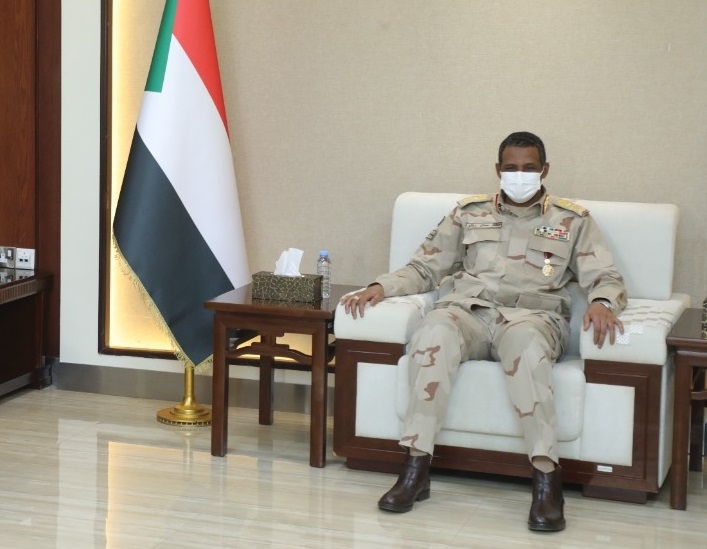
Israeli security delegation visits Khartoum at invitation of Rapid Support Forces
An Israeli security delegation paid a visit to Khartoum on Wednesday and Thursday at the invitation of the leaders of the Rapid Support Forces, according to well-informed Sudanese military sources who spoke to Mada Masr on condition of anonymity.
The sources said that neither Sudan's armed forces nor its foreign ministry was aware of the visit in advance.
After meeting at Khartoum Airport with deputy RSF head Abdel Rahim Dagalo, the Israeli delegation, which included Mossad officers, met with RSF commander Mohamed Hamdan Dagalo at the RSF’s main headquarters in central Khartoum, said one of the sources.
Meetings included a discussion of how to handle ongoing protests, said the same source, while another military source said that the security situation in Sudan was also on the agenda, after a third consecutive month of popular demonstrations against military rule and violent repression.
After Israel revealed that it would be visiting Sudan, the RSF was compelled to share details of the visit with the armed forces, said the first source.
Head of the Sudanese Armed Forces and leader of the governing sovereign council General Abdel Fattah al-Burhan also met with the Israeli delegation and discussed the possibility of transitioning to civilian rule in the country, said both sources.
Junior- and middle-ranking armed forces officers are angry, said the second of the military sources, that senior figures in the Sudanese Armed Forces did not have advance knowledge of the visit.
Israel's support for the RSF, which increasingly holds sway over the armed forces, is a matter of growing concern for the lower ranks of the army, they said.
An official at the Sudanese Foreign Ministry denied that the ministry coordinated or had any knowledge of the Israeli delegation’s visit.
Aboul Qassem Bartam, a member of the current sovereign council that was formed after the October 25 coup and a major advocate of Sudan’s normalization of diplomatic ties with Israel, declined to comment to Mada Masr as to whether he had met with the Israeli delegation.
Popular protests have persisted across Sudan since the country’s joint security forces deposed the transitional civilian-military government nearly three months ago. At least 73 civilians have been killed so far by both the armed forces and the RSF, which have waged a sustained violent crackdown on the protests, according to the Central Committee of Sudan Doctors, a labor union aligned with the popular movement against militarized government.
Since 2013, the RSF — a paramilitary force made up of Arab-identifying militias that was formed to fight in the Darfur conflict on the side of deposed President Omar al-Bashir — has gained stature as a security, political and economic actor, both in Sudan and in the region. Attempts to legislate its role in the Sudanese security state, both during the final years of Bashir’s government and in the post-revolutionary space, have not produced the intended results.

تقارير ذات صلة
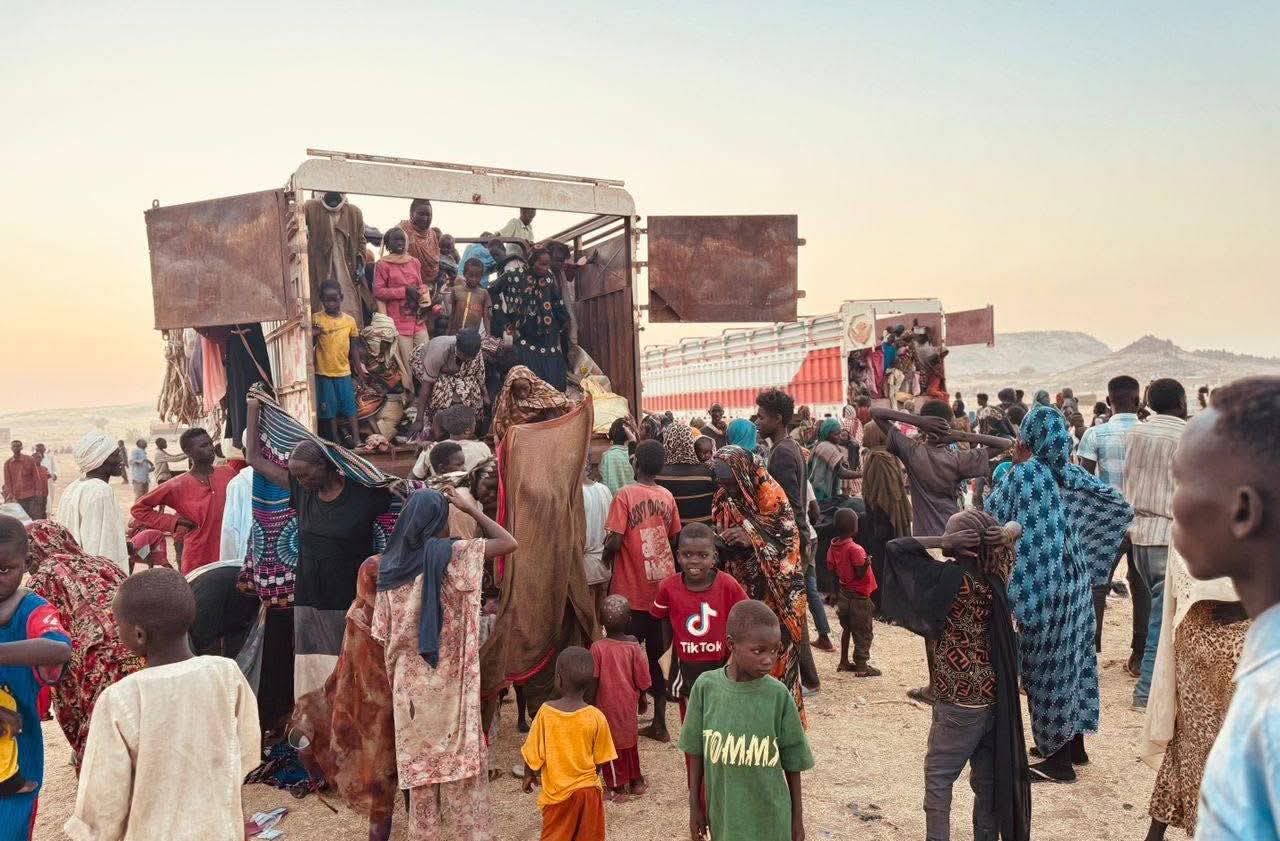
‘Unable to erase the sight of the dead from our minds’: Scenes from Fasher’s fall
Survivors of the RSF's massacres in Fasher recount the harrowing scenes of the city's capture.
The fall of Fasher: ‘Darfur’s old wound that has never healed’
The fall of Fasher to the RSF marks a turning point that may reshape the future of Sudan itself
The fate of the ‘fallen’
How the ceasefire has prompted recalibration between Gaza families and Hamas
Your support is the only way to ensure independent, progressive journalism survives.
You have a right to access accurate information, be stimulated by innovative and nuanced reporting, and be moved by compelling storytelling. Subscribe now to become part of the growing community of members who help us maintain our editorial independence.
Join us