
In Other Words | Mr. Fahmi Rides the Metro by Haytham El Wardany
Translator’s note:
“Mr. Fahmi Rides the Metro” comes from Haytham El Wardany’s 2011 collection Hilm Yaqaza (Daydream). Like this one, Wardany’s stories often feature irruptions of strange natural or non-human phenomena into the lives of ordinary people. Often these occurrences are monstrous — invasions of creepy-crawlies, unpleasant experiences of sickness, amputations or the appearance of severed body parts — at other times they are uncanny, like animals talking or the ground suddenly shifting. Yet for the most part, characters greet these intrusions with remarkable equanimity, like the poor, sweaty Mr. Fahmi, who just wishes he could manage to keep his cool.
Odd though their lives may be at first glance, these characters are simply resigned, like we all are these days, to the inevitable incursions of the abject into an everyday that is no longer safe or predictable. Just your average humans of late capitalism, if you like. These same themes and characters recur time and again in the collection I’m currently translating, Ma la yumkin islahuh (Things That Can’t Be Fixed), and in some more recent writings too. Wardany’s work also makes an unobtrusive but powerful criticism of the cruel and arbitrary expectations that are placed on people to prove they fit in — by having the right papers, paying the right dues, and saying or doing the right things. His characters affirm that belonging requires nobody’s say-so or stamp of approval, and that no matter how strange they are or estranged they feel, humans always belong.
Mr. Fahmi shifted his gaze to the window, and regarded the few leaves that still trembled on the branches of the tree outside. As the fierce autumn winds passed through the tree, the leaves shook violently and the branches that bore them strained to one side, till one of the leaves snapped off and was whipped away into the distance. Then he shifted his gaze back to the letter he was writing to Esther. He wrote that his affairs had gradually improved in the last year and that he now had regular work as an actor in a theater troupe. He told her he was still considering her question regarding how many things a person needed around them in order to live. He’d noticed that his case was the inverse of hers, in that the things he needed around him in order to live were not decreasing but multiplying. Indeed he’d recently purchased a comfortable settee, where he was lying right now as he wrote to her, and a bookshelf to house the books that were once scattered all over the floor. He informed her he’d noticed a new tendency in himself, a tendency to acquire all sorts of household trifles at the flea market. An old lampshade, a dinner service, a small bedside table. Mr. Fahmi put the letter aside and left his room.
Just as the warning tone sounded to announce the closing of the carriage doors, a man leapt nimbly through the narrowing gap and onto the metro. The sliding doors snapped shut and the train left the station. The man stood poised just inside the door, stuck his face to the glass and stared out at the vanishing station, then once the train had entered the tunnel turned his back to the door and stood watching the handful of passengers in the carriage, dabbing at the droplets of sweat on his forehead with one hand.
Mr. Fahmi felt relieved to have finished his annual trip to the tax authority, and he sat down thinking about the journey into the body of the state that the taxes he’d paid would now make. It was a negligible sum, certainly, but still an essential contribution to the state budget, and as proof of its significance the clerk had fined him last year for failing to pay by the deadline. “Now I am just like any other citizen sitting in this carriage,” said Mr. Fahmi to himself. “The city runs on my money, and it’s my money that pays its employees’ salaries.” This was something he’d once heard a man saying to a municipal employee in outrage at the disgraceful treatment he had received.
The carriage had scarcely slipped into the tunnel when the door leading to the next carriage opened and two ticket inspectors stepped through, accompanied by a German shepherd. The passengers were surprised: the internal doors were always kept closed, to be used only in emergencies. The inspectors made straight for the man standing by the door, who didn’t show any sign of surprise.
“You think you can get away from us?” said one of the inspectors, looking him hard in the eye. “You think we’re that stupid? Where’s your ticket?”
“I don’t have a ticket,” replied the man calmly.
“You can do that in your country,” spat the inspector. “But here we have rules. You think you can ride for free, and let other people pay for you, huh? People who pay their taxes? Say something!”
The other inspector didn’t speak. He held the dog and listened to his colleague, eyes fixed on the man by the door. The incensed inspector went on.
“Where are your papers? Where have you come from? At the next station we’re going to hand you over to the police, and they’ll get your story out of you. You clearly don’t have papers. You’re nothing but a parasite and a freeloader, but the police will be sure to send you back where you came from.”
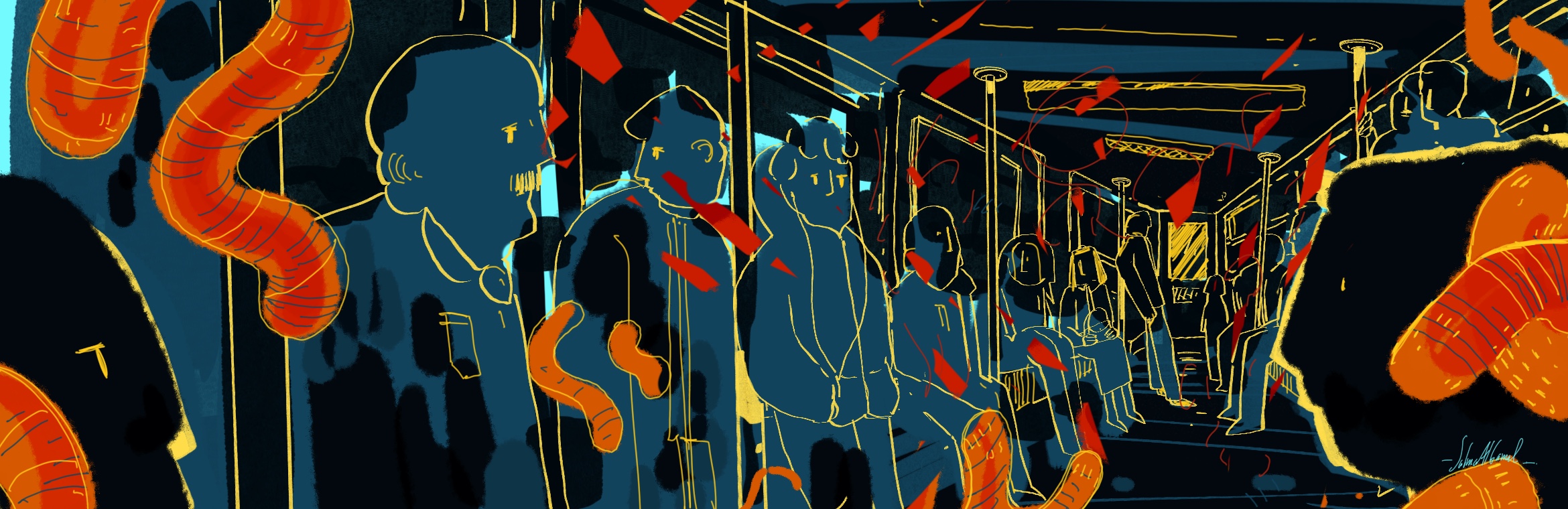
The inspectors didn’t ask any of the passengers to show their tickets, and none of the passengers uttered a word. They shrunk deep into their seats. The tense air glimmered with unspoken sentences. The sentences dangled and spun inside a mind here and a mind there, where nobody could hear them. Then worms, a great many worms, began writhing into the carriage, coming in through the open ventilation windows from the tunnel outside, and onto the seats next to the passengers. Their spongy pale bodies exuded a tremendous heat into the air around them, and some of the passengers began to mop perspiration from their faces and bodies. Mr. Fahmi busied himself removing a heap of thin worms from where he was sitting. He crushed a handful in his grip as he did so and a yellow liquid oozed out of them, and when they began to multiply he leapt out of his seat, and began exasperatedly tearing away those that had become stuck to his skin, panting with the exertion. The temperature in the carriage had doubled by this point, and threads of condensation were streaming down the grimy windows. Suddenly his foot slipped and he fell, landing in the mass of worms heaped on the carriage floor, for all to see.
The carriage gave a jolt inside the dark tunnel, and the lights flickered out momentarily from its force. When the lights came on again, everybody could see a girl carrying a school satchel standing next to the man. The inspector was speechless, and stared at her as if at some sort of hideous creature. The girl stood firmly, looking down at the floor. Nobody moved from their place until the carriage emerged out of the tunnel and the flaccid knots of worms began crawling back out of the windows. The train slowed as it pulled into the next station.
Mr. Fahmi did not leave the carriage but remained, exhausted, in his seat, with the few other passengers still on board, his body drenched with sweat and his features fogged over, like an extra in some scene where the city was there to provide a backdrop. He was thinking about the worms, which he’d never known existed, and whose mucilaginous traces he could still feel on this body. He realised he’d have to be smarter next time, to sit there quietly mopping the sweat from his brow like everybody else, as if the worms were just a pack of fantasies. Then he decided he wouldn’t go home.
On the platform, the two inspectors were escorting the man and girl in front of them. All of a sudden, the dog stopped and stubbornly refused to walk any further, and the inspector began yanking angrily on its lead. The girl started to cry quietly, then dropped her satchel, which the man picked up and handed back to her. The inspectors shoved to make him walk faster, dragging their uncooperative dog along behind them. He himself was taking his time, calculating. The four and the dog were nearing the police booth and the officers behind the glass raised an arm in greeting; the procession shifted course to the right, aiming for the door of the booth, but before they had reached it the man suddenly spun around and rammed his fist into the chest of the angry inspector, almost knocking him to the floor, while the other stood gaping in shock. The man shot away like an arrow through the crowds and at the decisive moment slipped into the train on the opposite platform, the doors snapping shut behind him to the sound of the warning tone announcing that a new journey was underway.
In Other Words is a series of translated excerpts from contemporary Arabic literary works, by emerging or established authors, published in English for the first time. For a long time, the process of selecting works written in Arabic for translation, which gives them the opportunity to reach a wider audience and to potentially join the ever-expanding canon of “world literature” (as problematic as that term is), has been largely confined to a designated community of “gatekeepers” — mostly made up of Western publishers and translators — who decide which narratives they deem most “representative” of the region and are therefore worthy of traversing cultural borders and crossing over to other parts of the world.
By offering translated glimpses of works that we believe are significant — in their language, format, or thematic resonance — we are attempting, at least in part, to perhaps affect that selection process by bringing more attention to stories that we think deserve to travel far and wide. We hope to create more space for diverse voices from the region to be heard elsewhere, not for what they “represent,” but for the unique, singular vision each of them provides.
تقارير ذات صلة
In Other Words | The Musk of the Hill by Sahar El Mougy
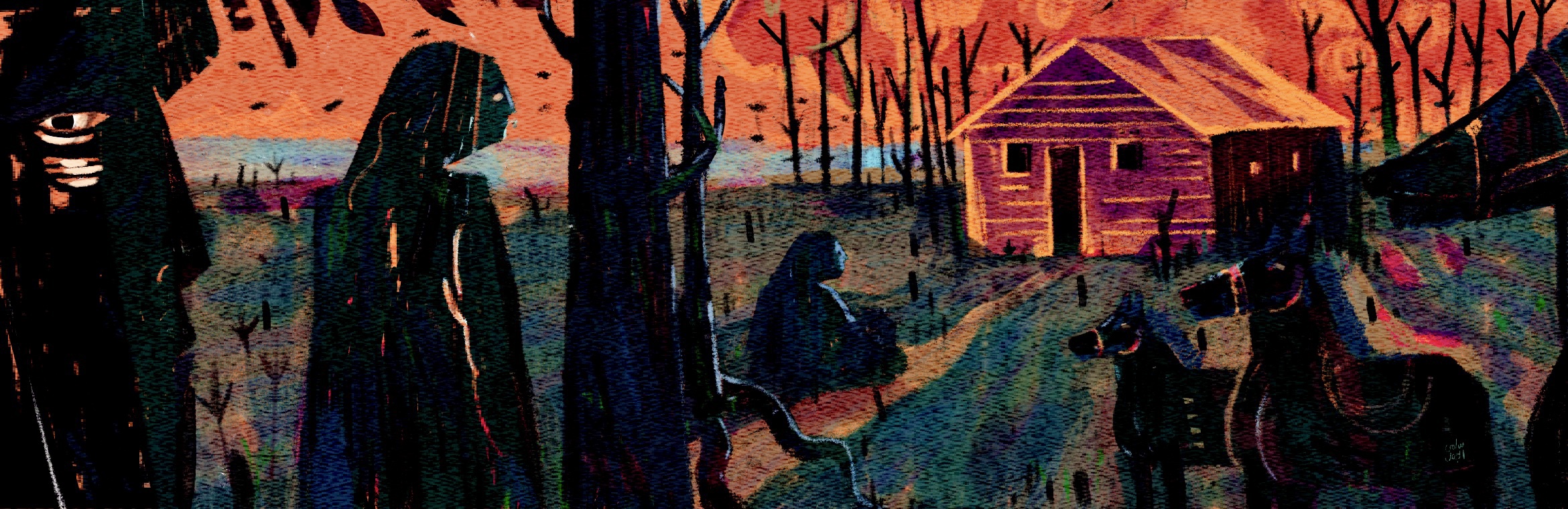
I took a breath, and a second, and a third, as if I were shoving away the heaviness on my heart
In Other Words | A Very Social Distance by Amr Ezzat
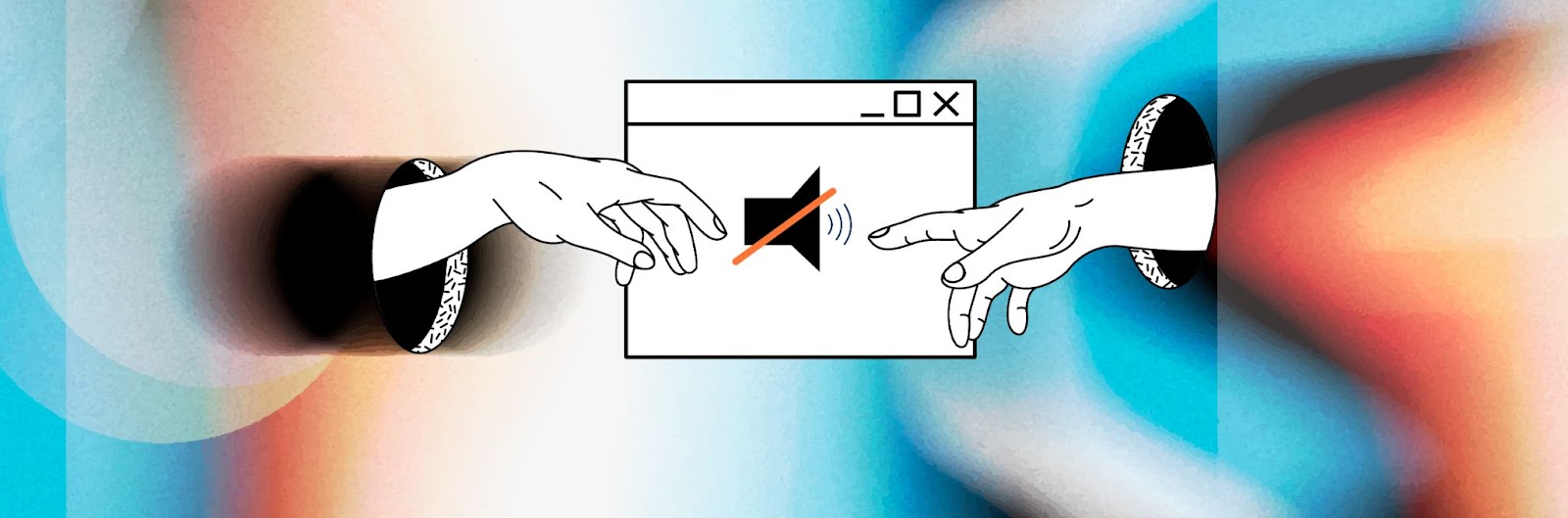
“What brought you here, you bastard? Are they arresting people who write down their dreams now, too?
In Other Words | Sorrow in My Heart by Hilal Chouman
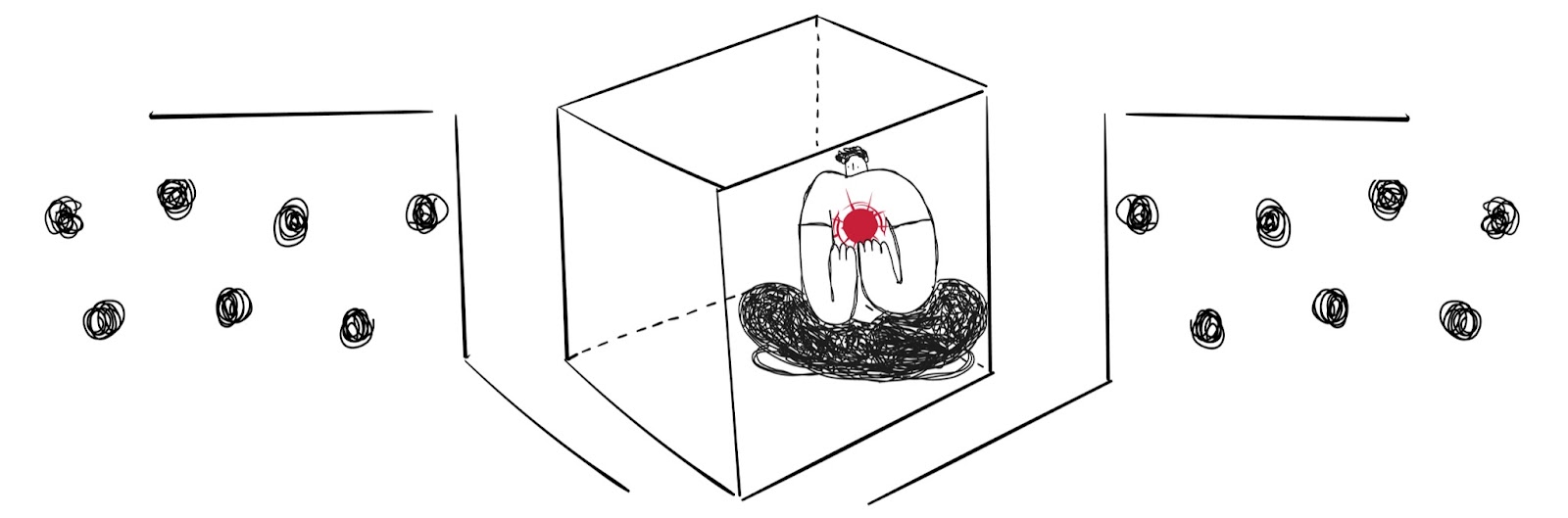
“There is no pleasure for me without sorrow,” I once told Adrian, my psychotherapist.
Your support is the only way to ensure independent, progressive journalism survives.
You have a right to access accurate information, be stimulated by innovative and nuanced reporting, and be moved by compelling storytelling. Subscribe now to become part of the growing community of members who help us maintain our editorial independence.
Join us