
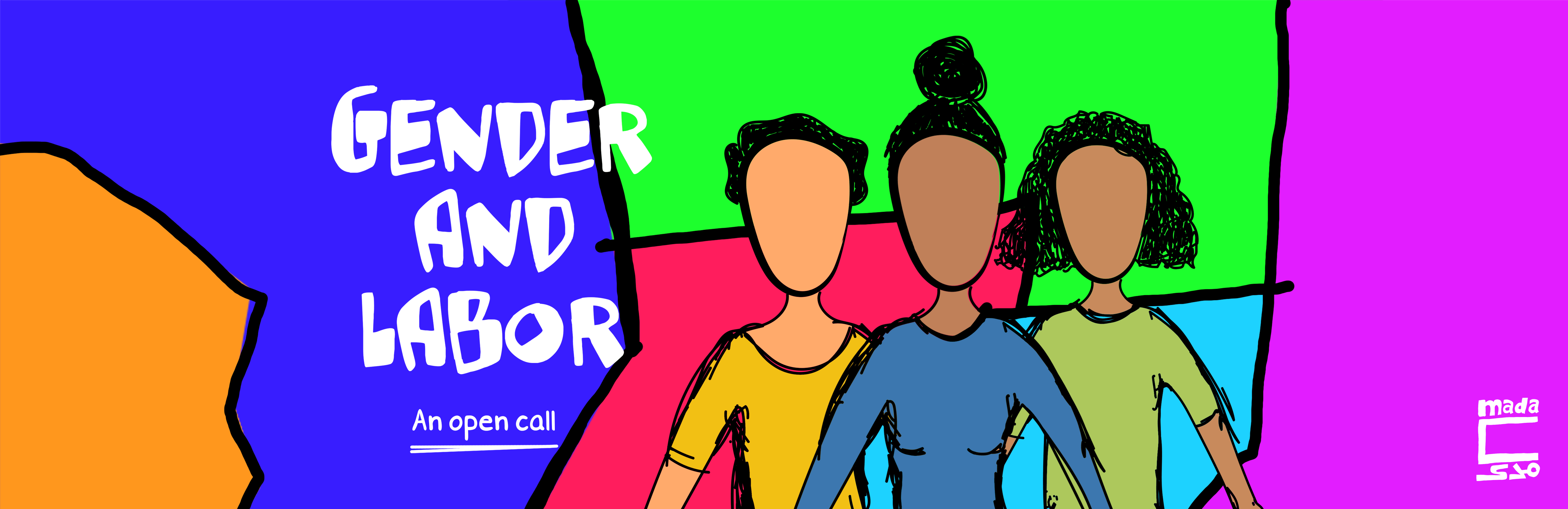
Gender and Labor: An open call
At the coiffeur, men do the fancy haircuts, while women assist.
Nurses are seen as promiscuous because they stay away from home.
Women, assumed to have nimble fingers, are favored by mobile phone companies in Upper Egypt.
***
From influencing or dictating the kinds of work a person can do and how they are paid for it, to how it shapes our ideas about value and success, gender - along with other power relations - informs how labor is organized and experienced. Similarly, the work we do and don’t do feeds into ideas about gender and how it is constructed. Once we start paying attention to this relationship, it’s impossible to ignore.
We’re looking for pieces that explore and interrogate the interplay between gender and labor. Questions we’re interested in include (but are not limited to) the following:
With large numbers of graduates looking for work, how is young peoples’ search for employment gendered? How does sex segregation by field of study affect the labor market?
What happened to the Mahalla women, whose role in worker strikes was so celebrated?
How does conscripted labor affect young men’s trajectories and employment?
How do gender and class affect employment opportunities for migrants?
How is gender operationalized by management or employers? How are notions of professional competence gendered?
Who picks our fruit and vegetables? How is child labor gendered?
How is work gendered in political movements? How do class and generational differences manifest in feminist spaces?
How does gender shape domestic work for the worker and his/her employer?
The IMF says that women working is a key factor in development. Is this true? How does it play out in the IMF’s plans?
How does the ability or inability to make an income affect household dynamics? How does marital status affect women’s mobility and the possibilities for work? What about unpaid housework, parenting, and care for sick or elderly relatives?
Submissions may be written (articles, interviews, profiles, personal texts), video or other forms of visual content. Submissions may be in English or Arabic. The deadline for pitches or initial drafts is October 3, 2019. Please send any questions or pitches to [email protected] for English submissions and to [email protected] for Arabic submissions.
UPDATE: We're extending our call for pitches to October 15.

تقارير ذات صلة
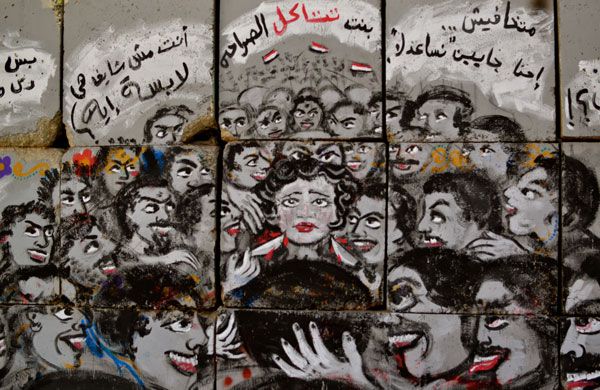
How power-blind accountability mechanisms failed Nayera Ashraf and countless other women
How do (in)formal justice systems reinforce power dynamics and short circuit justice?
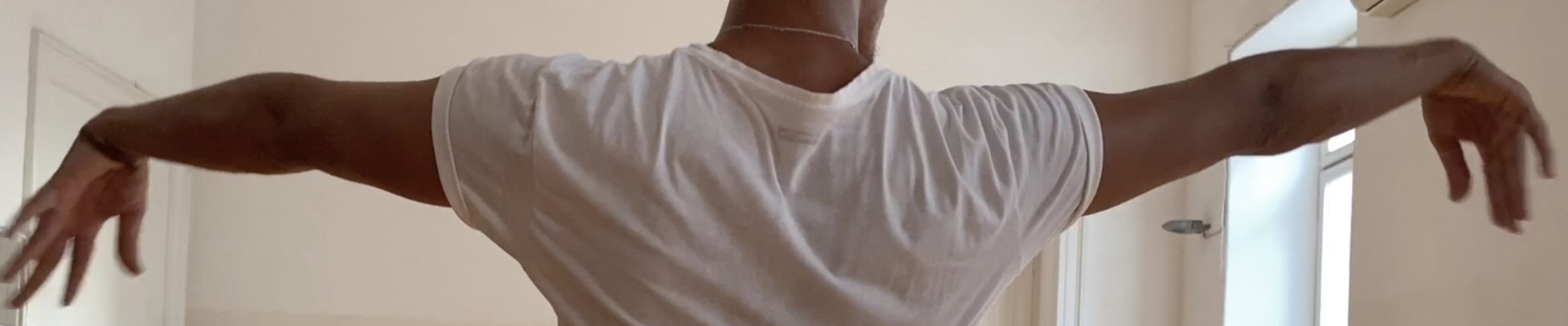
Video | Dancing king
Ali Abdelfattah is an accomplished male bellydancing instructor.
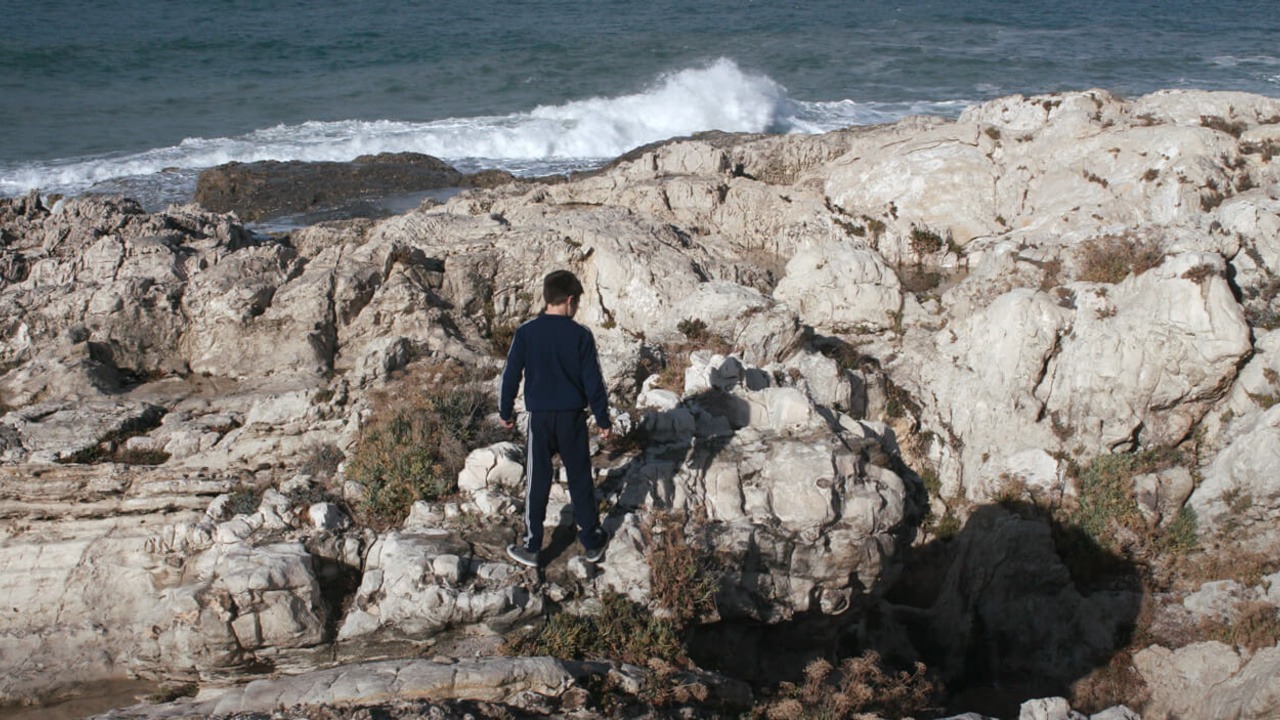
Disquiet, vulnerability and muffled violence: A conversation on the films of Ahmed ElGhoneimy
All three of your films display a certain kind of disquiet towards the idea of masculinity
Your support is the only way to ensure independent, progressive journalism survives.
You have a right to access accurate information, be stimulated by innovative and nuanced reporting, and be moved by compelling storytelling. Subscribe now to become part of the growing community of members who help us maintain our editorial independence.
Join us