
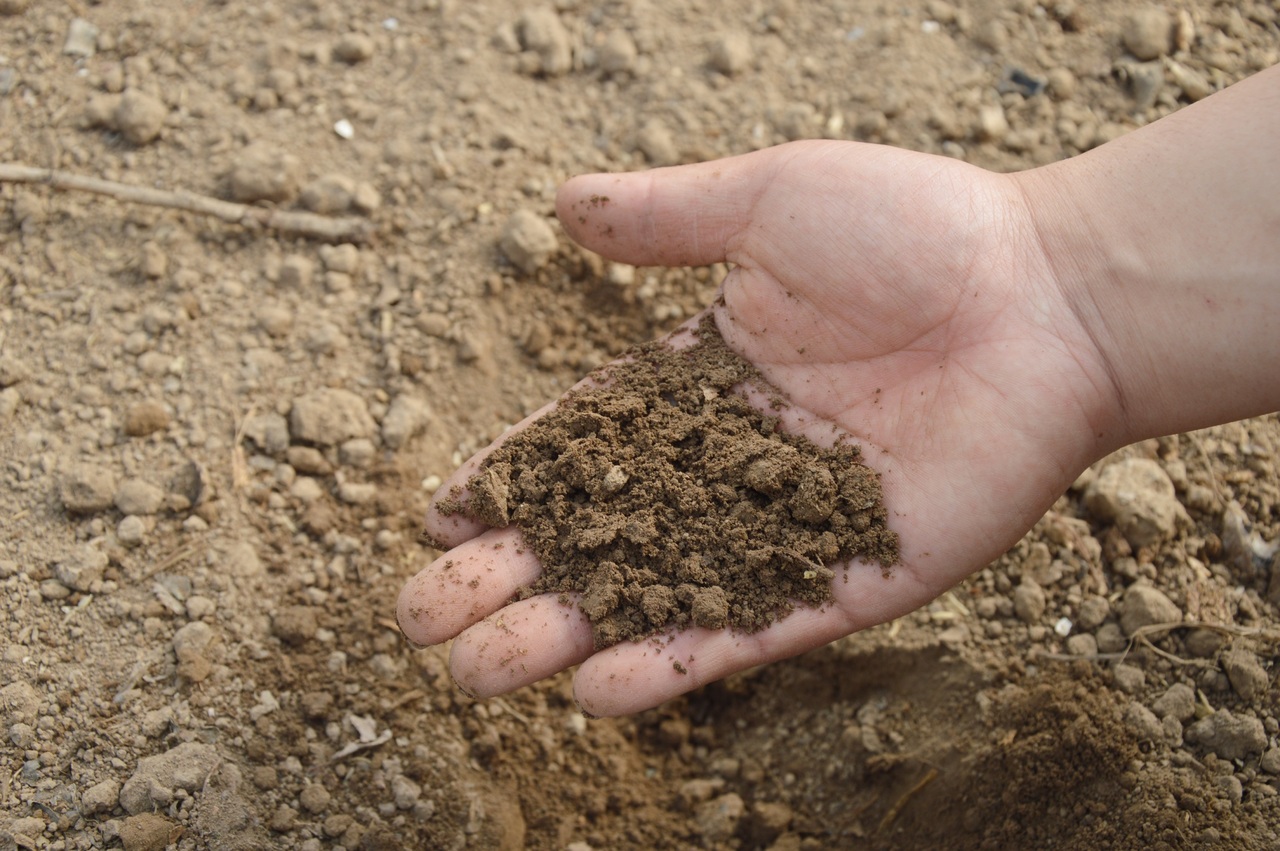
Farmers suffer as fertilizers sellers turn to open market amid global price surge
At the outset of the planting season in early summer, an apparent shortage in the supply of fertilizers appeared once again across the country this year, threatening key local crops such as wheat, maize, various types of legumes as well as fruits.
Yet Egypt produces 21 million tons of fertilizers each year, more than enough to meet the domestic demand of 9.5 million tons and leave sufficient stock remaining for export, according to Sherif al-Gabaly, head of the Egyptian Chamber of Chemical Industries and a board member of the Arab Fertilizer Association.
Though the problem is perennial, the government subsidy system designed to ensure farmers have access to affordable fertilizers fails to forestall the shortage in affordable product that appears reliably at the outset of each planting season.
And this year, fertilizers are likewise increasingly inaccessible in global markets. As a result of soaring energy prices worldwide, fertilizers in benchmark North American markets have reached the highest price per ton since records began in 2002, shooting from around US$300 per ton in 2020 to highs of over $1,000 per ton in recent weeks to exceed peaks recorded during the 2008 world food price crisis.
Egypt-based fertilizers manufacturers, which include private and state-owned companies among them the Phosphatic and Compound Fertilizers Complex in Ain Sokhna, Abu Zaabal Fertilizers and Chemicals Company, Abu Qir Fertilizers and Chemical Industries Company, and the Misr Fertilizers Production Company , rely on natural gas to operate their factories. The government subsidizes gas for all the factories operating in the country, of which there around 15, while in turn, the factories are obliged to hand over 55 percent of their total output, which is then distributed to 7,200 farmers cooperative associations nationwide who are expected to sell the product to growers at a lower-than-market price.
Yet the pull of higher prices in export markets often proves stronger for producers than the incentive of local subsidies, according to MP Magdy Malak, a member of the House Agriculture and Irrigation Committee, and former MP Raif Tamraz. The politicians noted that the penalties producers have to pay for failing to meet their production quotas are very low, and that the costs can easily be offset if global fertilizer prices are high.
“The factory would pay a fine of LE50 per ton for breaking its agreement with the government, but would export the same tonne at LE12,000,” Tamraz told Mada Masr. Malak added that poor oversight and enforcement means that even the low fines are often overlooked. As a result, farmers cooperative associations often end up short on stock.
Structural problems in the subsidy system exacerbate the issue. Even where farmers’ associations can still secure sufficient quantities of fertilizers for the planted area that they serve, it is far from assured that the subsidized fertilizers will find their way to the right plots of land.
A digital platform launched in 2016 is used to map land distribution nationwide and determine how much fertilizer will be needed and where. But the smart card system for farmers recognizes the land’s owner, rather than the cultivator of the land, according to multiple sources from various sectors who spoke to Mada Masr, giving landowners the opportunity to exploit the system by picking up their share of subsidized fertilizers and then selling them on the black market.
Farmers are driven to buy fertilizers unsubsidized, where market manipulation contributes to push prices still higher. An agricultural engineer, Mohamed Atef, told Mada Masr that major fertilizer dealers buy wholesale from factories and then starve the market, keeping stocks aside and selling bit by bit to keep prices high. One farmer, Ahmed Nasser, told Mada Masr that he has bought fertilizers several times and noticed that even though the batch date is the same, the price is significantly more each time.
The cost of urea fertilizers have risen from LE4,600 per ton in 2020 to LE9,000 this year, while nitrates have spiked from LE4,500 to LE7,000 and potassium from LE9,000 to LE13,000 per ton.
The head of the Farmers Syndicate, Hussein Abu Saddam, has said that “most farmers” end up buying fertilizers on the free market if the subsidized fertilizers are late to or if they don’t meet the crop’s requirements.
This year, a spike in global energy prices reached Egypt in October, when the prime minister raised natural gas for energy-intensive industries to US$5.75 per million thermal units, up from $4.5, while less demanding industries also saw the price of natural gas rise to $4.75.
Abu Saddam said the gas price hike increases costs for fertilizers and petrochemical factories and could exacerbate the fertilizer price crisis. “The new increase in gas prices for fertilizer factories will raise the cost of production, and consequently, the price of fertilizers will rise in the free market.”
On the other hand, Agriculture Ministry official Abbas al-Shinnawy attributed the local issues in the market entirely to the global hike in fertilizer prices that started in February. Shinnawy described the issue in the local market as a “bottleneck” in distribution, rather than a shortage, though he did not mention the annual nature of the issue.
Abu Saddam, meanwhile, has also noted that the fertilizer prices will ultimately impact the cost of agricultural commodities for consumers.

تقارير ذات صلة

Priced out of protein
How the economic crisis has taken protein out of the mouths of Egyptians.
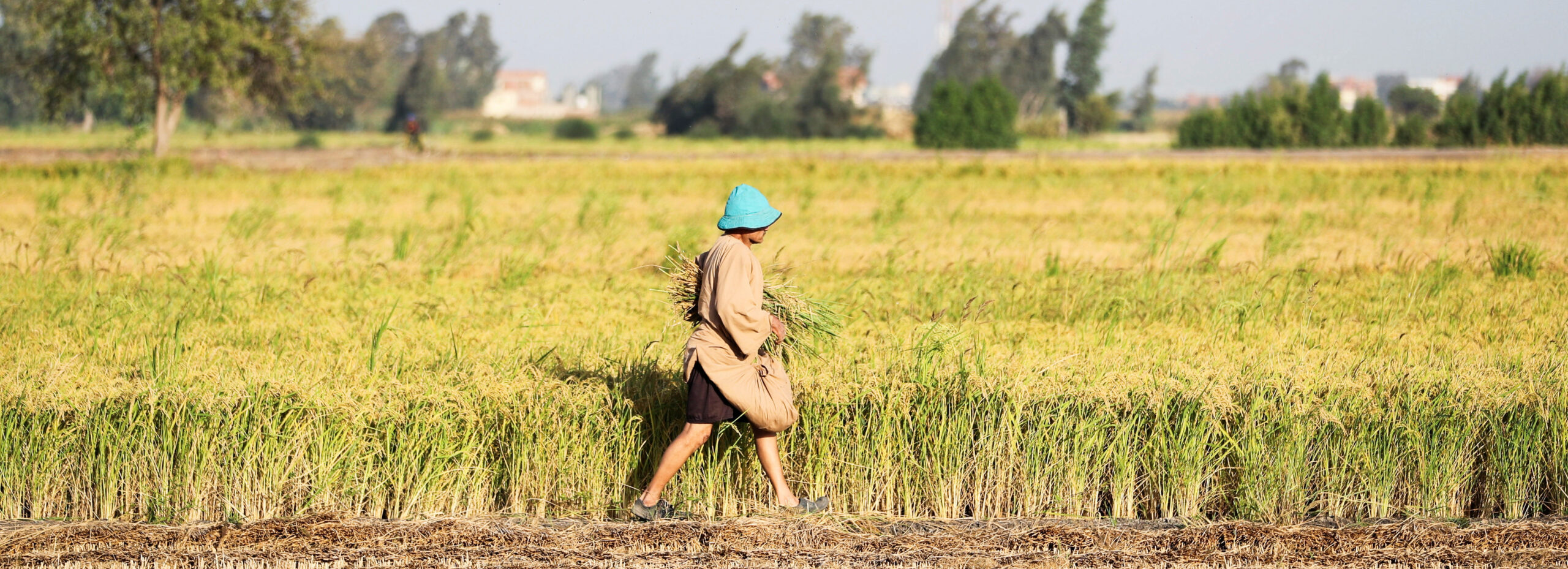
New rules entitle govt to 25% of rice crop in bid to stop selling on global markets
Many working in the sector doubted that the state will be able to compete with higher market prices
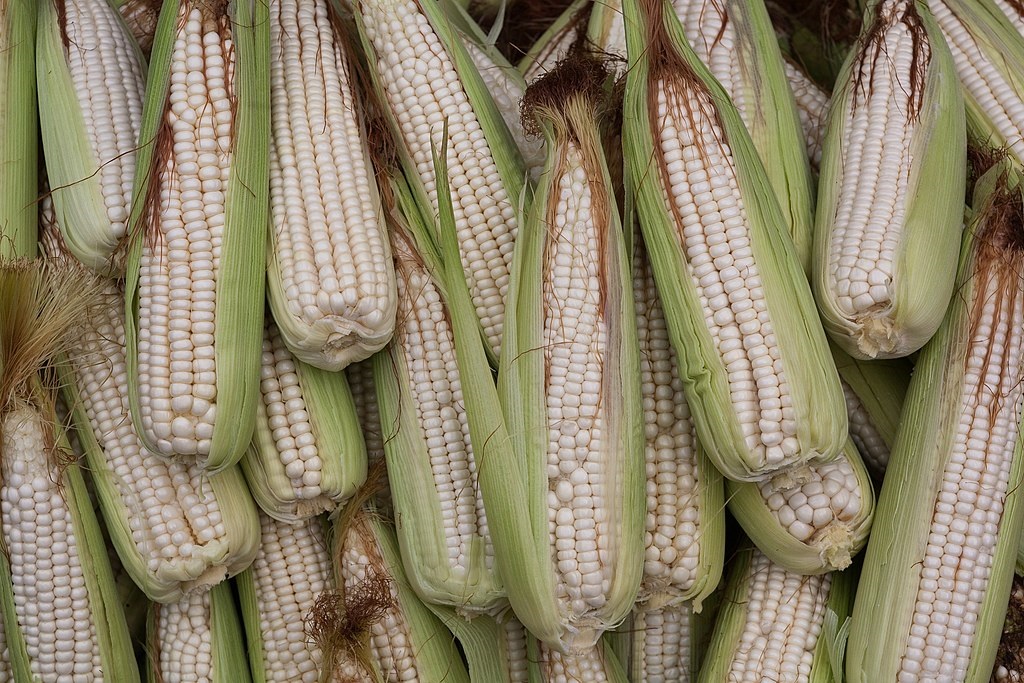
Shortages of Ukrainian corn, price hikes threaten Egypt’s food security
Ukraine is among the top three exporters of corn to Egypt
Your support is the only way to ensure independent, progressive journalism survives.
You have a right to access accurate information, be stimulated by innovative and nuanced reporting, and be moved by compelling storytelling. Subscribe now to become part of the growing community of members who help us maintain our editorial independence.
Join us