
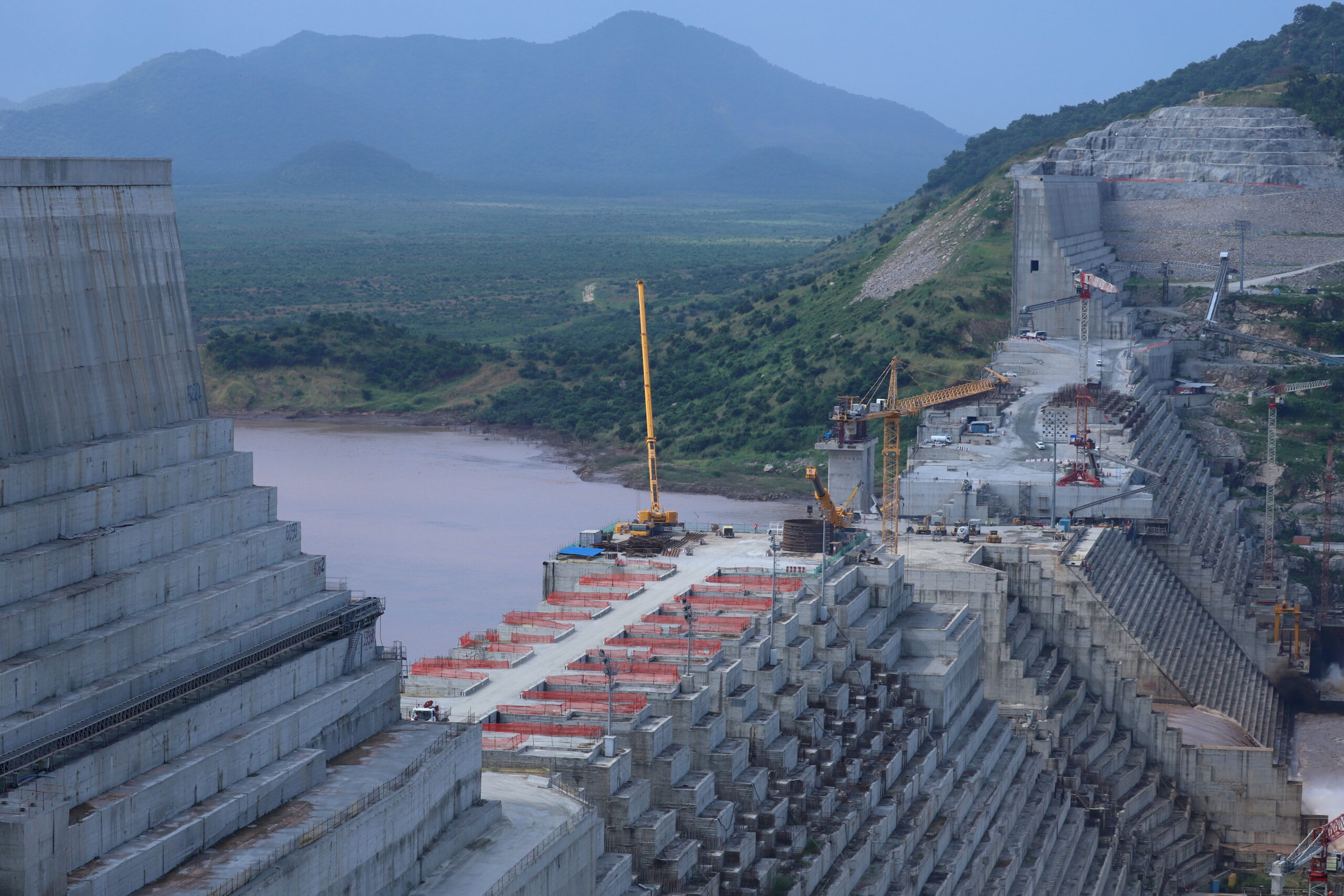
Despite Egyptian-Sudanese diplomatic blitz, low expectations ahead of Security Council meeting on GERD
While top Egyptian and Sudanese diplomats in New York are intensifying their efforts to push the UN Security Council to call for a halt to the second filling of the Grand Ethiopian Renaissance Dam crisis ahead of the council’s anticipated meeting on the issue this afternoon, sources close to the diplomatic efforts are telling Mada Masr that the chances of getting a binding resolution passed on Thursday are slim.
The high-stakes security council session comes with both Sudan and Egypt beginning their diplomatic blitz in New York aiming for a security council decision that calls for Ethiopia to immediately halt the second filling of the GERD until a binding agreement is finalized within a timeframe of six months.
According to a diplomatic source in New York who spoke to Mada Masr on condition of anonymity, both Egypt and Sudan are having a hard time securing the votes to pass a resolution and are facing reservations from both China and Russia, both permanent members of the council with veto power.
Egypt and Sudan’s demands were put forward through a resolution adopted by non-permanent member and Arab League representative Tunisia. Per the Tunisian resolution, negotiations would be tied to a six-month timeline under the joint supervision of the African Union and the United Nations.
According to the source, China and Russia’s stances are a major obstacle in the council. Both are river basin countries through which transboundary rivers pass and want to avoid setting a precedent at the UN.
Attempting to assuage them, Cairo and Khartoum agreed to make amendments that will water down the language of the resolution, removing parts that demanded the immediate halt of the second filling and that threatened international measures toward Addis Ababa if the filling goes ahead, according to the source.
In addition to Chinese and Russian reservations on a strongly worded statement or a security council precedent, Egypt and Sudan have not yet secured the minimum nine-vote majority required to pass a resolution or a presidential statement.
An alternative to the resolution is a statement from the president of the Security Council, the source says. However, this statement will not adopt the exact language of the resolution put forward by Tunisia on behalf of Egypt and Sudan.
Yet, this alternative is not guaranteed either. France, whose support as the head of the Security Council facilitated the Egyptian-Sudanese request to hold today’s session, appears not to support a presidential council statement option, the source says.
"There are only eight member-states supporting us. We need at least nine to be able to have a serious talk on the possibility of a presidential statement,” the source adds.
The likely outcome of the Thursday session could be a mere press release, according to the source. The release most likely, the source adds, “won’t demand certain steps from Ethiopia. But would rather ask the three states to avoid any unilateral steps or take any measures that could further complicate things or undermine the security situation in the Nile Basin and East Africa regions.”
However, even the symbolic release is facing opposition from “some countries,” which would prefer that the council does not make any form of intervention in a transnational river conflict, the source adds.
The Security Council meeting at the UN comes after Sudan and Egypt submitted an official request to look at the issue, as Ethiopia maintained its position that it will go ahead with the second filling of the dam during the rainy season with or without an agreement. Ethiopia officially notified the two downstream countries that it had begun the second filling of the dam this week. The move came on the heels of years of repeatedly faltering negotiations with Ethiopia to reach a binding agreement on the filling and operation of GERD that saw mediation efforts from the United States and the African Union.
Over the last 24 hours, Egyptian and Sudanese foreign ministers Sameh Shoukry and Mariam al-Sadeg have conducted extensive meetings with the member-state envoys and with US, Russian and Chinese diplomats.

تقارير ذات صلة
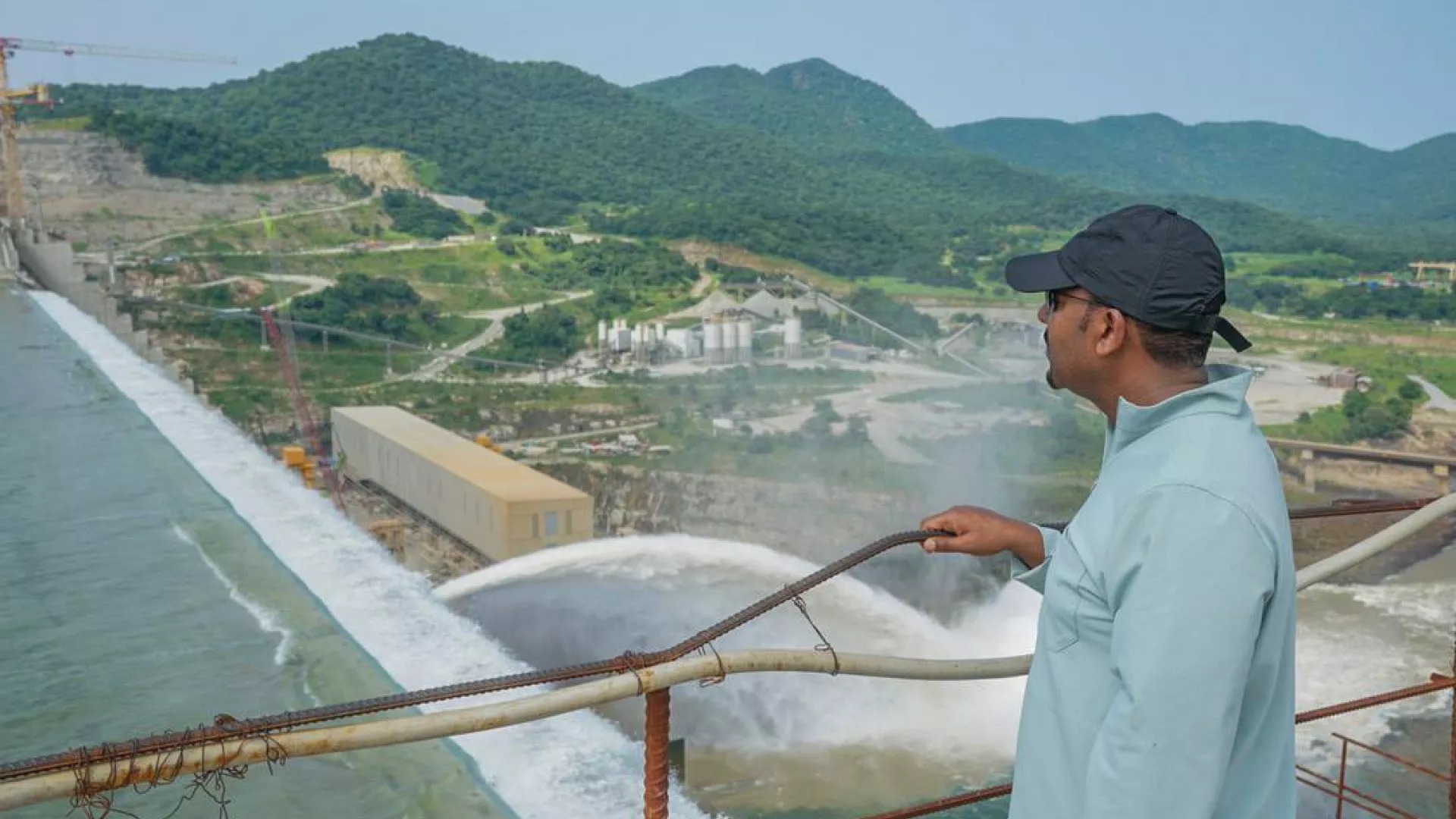
No deal and not much drama: 12 years of Grand Ethiopian Renaissance Dam negotiations come to end
Twelve long years of negotiations over the distribution of Nile waters between Egypt, Ethiopia and Sudan came to an end this week. The talks in Addis Ababa closed on Tuesday,…
Stephanie Williams appointed UN special adviser on Libya amid international disagreement over UN role
The country's elections are slated to start in two weeks

The return to Sudan: Redrawing politics from square one
After more than a year and a half in Cairo, Um Mohamed is back to her home in Khartoum. But like many of the hundreds of thousands who have heeded…
Your support is the only way to ensure independent, progressive journalism survives.
You have a right to access accurate information, be stimulated by innovative and nuanced reporting, and be moved by compelling storytelling. Subscribe now to become part of the growing community of members who help us maintain our editorial independence.
Join us