

Cinematology 8: In praise of Ramadan series Afrah al-Qobba
Mohamed Yassine and Naguib Mahfouz. According to Cinematology's Mohamed Soliman, these two names were all he needed to know when choosing which TV series to follow this Ramadan.
Unusually, he decided to make a Cinematology episode focused on television.
Yassine has directed series such as Mariam Naoum and Nadine Shams' adaptation of Osama Anwar Okasha novel Moga Hara (Heatwave), about a sadistic policeman (2013), and the much-discussed, Waheed Hamed-scripted Al-Gamaa (The Group, 2010), on the history of Egypt's Muslim Brotherhood.
Mahfouz, of course, is the prolific, Nobel-winning late writer of hundreds of — often pioneering — novels, short stories, plays and film scripts. The novel being adapted was Afrah al-Qobba (Wedding Song), which was published in 1981.
In a theater in the 1970s, several rather glamorous characters are working on a play that shares the novel's title, and they discover that it's about their own personal lives. Presented as a non-linear narrative, Afrah al-Qobba shows its story from various characters’ points of view and takes place in multiple timeframes, dealing with themes like family, sex and the impossibility of truth.
“I believe it stood up really well to the novel and its intentions, both in the story and storytelling,” Soliman says. “It's a very complex novel, short as it is. I think also it's not fair to compare two different mediums to each other. A novel and a series are two completely different things, so an audience doesn't need to have the same expectations.”
“I read the novel in three hours, whereas the series takes over 20 hours,” he explains. “So naturally a lot of expansion needs to take place in terms of characterization, plots, adding new characters, etcetera.”
“The fact that we still do 30-episode series [for each day of Ramadan] is a problem in itself,” Soliman argues. “A series starts strong but by its seventh episode goes into a redundant, slow place then picks up again in the last five episodes.”
From Hamlet via mirrors and fire to the series' relationship with Mahfouz's ouevre as a whole, this episode illustrates why he found Afrah al-Qobba so interesting.
Read our review of the series, which has quite a different take, here. (The series itself is also now available on YouTube for Arabic speakers.)
For subtitles, click "cc."
We teamed up with Cinematology and translator Amira El Masry in February to publish short English-subtitled video essays on Egyptian cinema every other Wednesday. Previous episodes can be found here.

تقارير ذات صلة
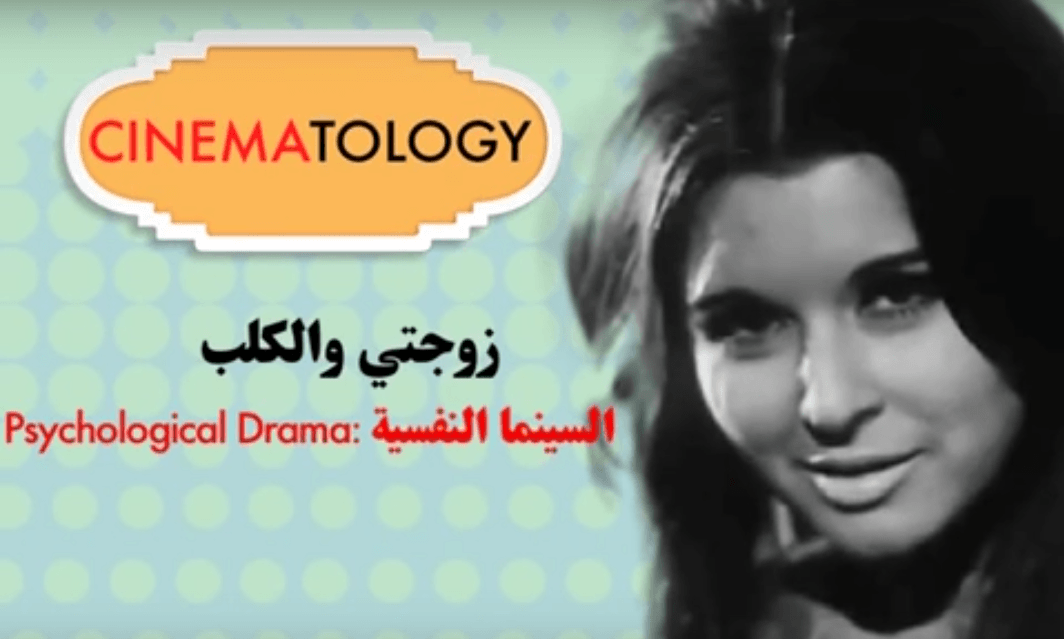
Cinematology 7: Loneliness, lust and doubt in My Wife and the Dog
Cinematology is back with its 7th episode, about one of Said Marzouk's best remembered films, My Wife and the Dog (1971).
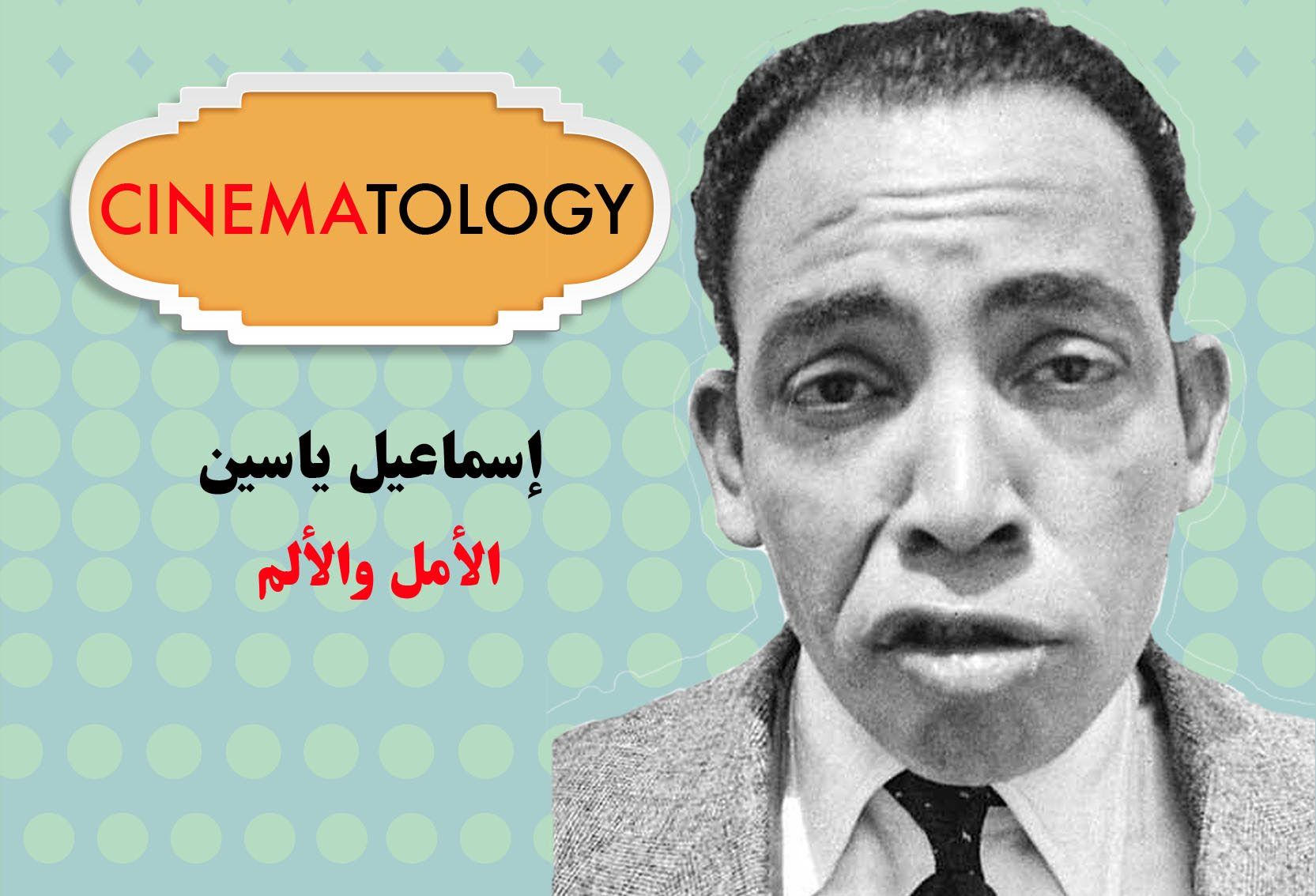
Cinematology 6: Ismail Yassin’s life through his films
Ismail Yassin's life seemed like an extension of his onscreen persona.
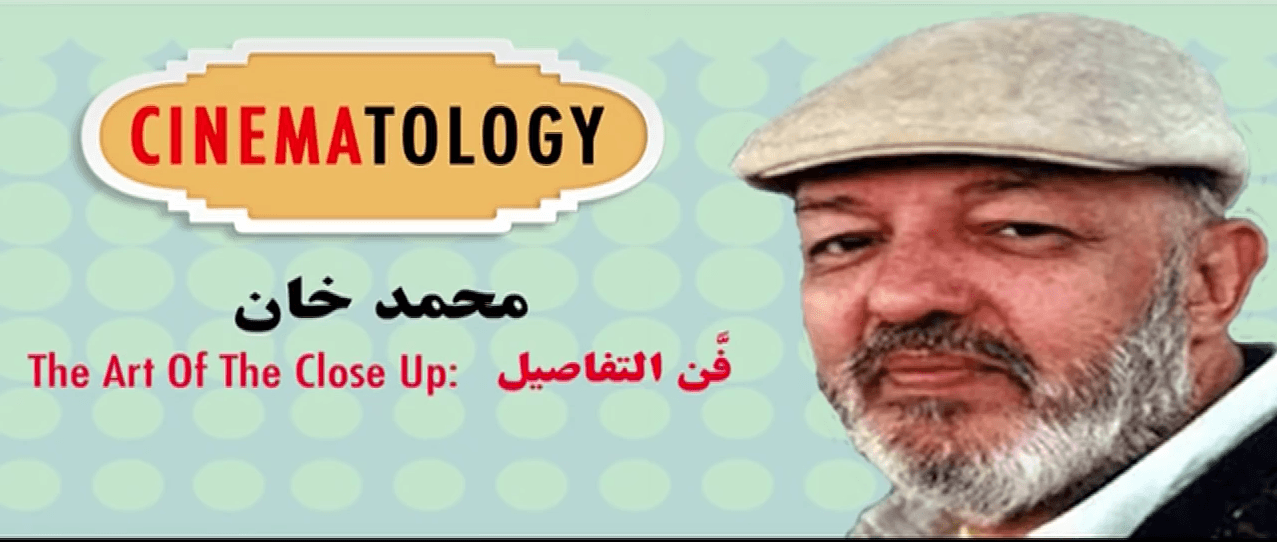
Cinematology 5: On Mohamed Khan, female leads and close-ups
Khan is a master of character-driven stories.
Your support is the only way to ensure independent, progressive journalism survives.
You have a right to access accurate information, be stimulated by innovative and nuanced reporting, and be moved by compelling storytelling. Subscribe now to become part of the growing community of members who help us maintain our editorial independence.
Join us