

Perhaps the greatest evidence of the boundless power of major global pharmaceutical companies is their ousting of the former head of the Egyptian Patent Office Adel Eweida. Eweida made an unprecedented decision to deny a patent for the drug Sovaldi, the first medication capable of curing Hepatitis C. This decision allowed the government to negotiate a lower price for the drug, enabling the launch of one of the most successful and impressive health campaigns in Egypt's history to combat the endemic disease.
Sovaldi’s manufacturer, Gilead Sciences, holds exclusive rights to develop the drug for 20 years. Initially, the company set the price at US$85,000 for the full course, justifying it by pointing to the research and development costs. However, Gilead Sciences did not invent the drug. Rather, it merely acquired it by acquiring Pharmasset, a small biotechnology company based in New Jersey that developed the medication. This exorbitant price is more than 800 times the production cost, estimated between $68 and $136, according to a Liverpool University study. Health researcher Heba Wanis says that the company compared the drug's price to the cost of a liver transplant, the only effective alternative available at the time, and priced it at the same rate.

This allowed Egypt to negotiate with the company, reducing the price per dose from $85,000 to just LE22,000, enabling the launch of the Hepatitis C elimination campaign. It also led to the ousting of the office's head regardless.
These companies' dominance extends beyond even the authority of nations themselves through a legal and legislative framework that surpasses national boundaries, allowing them to dictate the prices they want and prevent the production of any alternatives without any real resistance from other parties, including the state itself. This structure has evolved over decades to make wriggling out of it virtually impossible. In recent months, Mada Masr spoke to a variety of sources, including patients, doctors, health officials and drug licensing authorities in Egypt, to understand the framework that has empowered major global pharmaceutical companies — Big Pharma — and the repercussions of this empowerment.
Eweida tells Mada Masr that he faced immense pressure from pharmaceutical lobbyists at the time to grant the company the patent. Former Egyptian Patent Office examiner Menna al-Kotamy, who had been tasked with reviewing the Sovaldi file, says that "there were messages reaching Eweida from some party, pressuring him to accept Gilead's request for the drug's patent in Egypt."
According to a senior source at the office familiar with the situation at the time who spoke to Mada Masr on condition of anonymity, these pressures escalated to the point where Eweida complained about them in a meeting with an official from the General Intelligence Service, whom he met to explain what he was facing.
These pressures did not only come from the companies. There were also diplomatic pressures exerted by the US Embassy in Egypt, which sought via senior officials in the Egyptian government to force the office to grant the patent to Gilead, thereby preventing any other companies from producing generic drugs (cheaper alternatives), according to another senior source at the Egyptian Patent Office.
However, Eweida remained steadfast in his position, making the Egyptian office one of only three worldwide to refuse the patent.
While domestic media covered Egypt's unique experience, as a role model for other low and middle-income countries, intense pressures ultimately led to Eweida’s appointment not being renewed, according to the sources.

Her life hinged on just one medicine. The matter was simple, if not for the price of a box of this medicine, which came in at LE36,000.
Radwa discovered she had myeloid leukemia nearly two years ago. She set off on an arduous journey of treatment, but her cancer relapsed. Her doctor decided on a bone marrow transplant followed by a change in the treatment protocol and intensified doses of biological therapy alongside other medications.
One of the crucial prescribed medications for her was Jakavi 20 mg, which is produced by Swiss company Novartis, one of the world's largest pharmaceutical firms. The drug was introduced to the market in 2011-2012, but its price now exceeds LE36,000 per box, which supplies enough medication for only one month.
Radwa used to work in a clothing factory but left her job after her relapse. Her husband works in a cafe, earning LE100 daily, and they have a three-year-old child. A family like theirs cannot afford such an expensive drug. "When I first found out its price, I didn't know what to do. I visited all the oncology hospitals, but they told me this treatment is not covered by the state," Radwa told Mada Masr.
In critical cases like hers, if the medicine stops, cancer starts attacking the face and then moves to the lungs and liver. Some doctors gathered donations and bought her a box. Radwa began to improve. Most cases have to resort to doctors and acquaintances for help to cover treatment costs, but nothing can sustain covering such costs every month for a year.
What further complicates matters is that Jakavi has no Egyptian alternative. Due to its high price, state-funded treatments cannot cover it, according to hematologist Ramadan Eid, who oversaw Radwa's treatment.
_______
The influence of pharmaceutical giants has evolved significantly over the past decades, necessitating changes in the legal and legislative frameworks governing their operations both locally and internationally.
Initially, to ensure that medications were affordable and accessible to patients and in line with average income levels, developing countries' legislation often excluded pharmaceutical inventions from patent protections or limited these protections to curb the dominance and high pricing of multinational pharmaceutical companies.
Law 32 of 1949 pertaining to patents of inventions and industrial drawings and designs, which has now been repealed and replaced, adhered to this legislative policy. Article 2, paragraph 2 of the law prohibited the granting of patents for chemical inventions related to food and medicinal drugs or pharmaceutical compounds.
The policy enabled the development of domestic pharmaceutical industries in developing countries, including Egypt. The pharmaceutical industry in Egypt experienced significant growth before the 1970s economic liberalization. Nahed Youssef, a pharmaceutical industry expert who was part of this growth period, explains in her book, Medicine and Ailments: My Story with the Pharmaceutical Industry from Prosperity to Crisis (2017) that the Egyptian General Foundation for Pharmaceuticals, Chemicals and Medical Supplies, established in 1962, led a campaign to supply drugs to 500 health units. It leveraged existing small factories and established a network of eight new factories. The goal was to increase local pharmaceutical production from five percent to 85 percent.
During this period, Nile Pharmaceuticals, the largest pharmaceutical company in the Middle East, was established. Its massive factory was built within two years, with Egyptian experts designing and manufacturing all necessary pharmaceutical products for various specialties. The Egyptian General Foundation for Pharmaceuticals, Chemicals and Medical Supplies provided the necessary protection for the industry against the endeavors of pharmaceutical giants, who aimed to undermine it, as Egypt had before been importing most of its drug and raw material needs from them. Within less than a decade, the initiative succeeded and Egyptian factories covered 85 percent of drug needs and some raw materials, producing about 5,000 types of injections, tablets, liquids, ointments and solutions. By the early 1970s, Egypt had 120 pharmaceutical factories.
However, the industry started facing systematic dismantling under Sadat’s economic liberalization policy in the 1970s. The state's pro-private sector policies at the time significantly impacted the
industry. The attack by pharmaceutical giants on the Egyptian pharmaceutical industry was successful, bringing down the share of locally produced drugs to five percent again. Currently, at least 40 percent of the drugs produced by Egyptian factories are manufactured on behalf of foreign companies, and the remainder is imported. These companies transfer their profits abroad in hard currencies without building factories, hiring local workers, or contributing to local treatments for diseases like cancer, leaving the country reliant on imports, Youssef argues in her book.

Additionally, changes began in the legislative frameworks that had previously allowed for local industry development. In September 1986, a ministerial conference composed of trade ministers from the General Agreement Tariffs and Trade, member states issued a declaration formalizing the launching of a new round of multilateral trade negotiations. This declaration, for the first time, included intellectual property among the negotiation topics.
The ministerial declaration, the Marrakesh Agreement, was signed in Morocco in April 1994, leading to the establishment of the World Trade Organization (WTO), and through it the establishment of the council for Trade-Related Aspects of Intellectual Property Rights (TRIPS). The TRIPS council is responsible for monitoring the implementation of the TRIPS agreement, which set minimum standards for intellectual property rights protection. The agreement’s first article mandated WTO member states to incorporate these standards into their national legislation.
The agreement stipulated that member states grant patents and ensure their protection without discrimination as to the place of invention. This obliged countries that had previously excluded pharmaceutical inventions from protection to grant patents as long as the inventions met three criteria: novelty, inventiveness and industrial applicability.
TRIPS also introduced a system for protecting trade secrets, referred to as "undisclosed information," which was included under intellectual property rights. This system closely mirrors the US trade secret protection framework, despite different terms.
Article 39 of the agreement outlines the general conditions for protecting undisclosed information, requiring the information to be secret, to have commercial value because it is secret, and for the information holder to have taken reasonable steps to keep it secret.
The agreement provided special protection for the pharmaceutical and agricultural chemical industries, mandating, in the same article, WTO member states to protect this data or information from unfair commercial use and disclosure except when necessary.
The protection system for undisclosed information introduced by TRIPS is considered one of the most detrimental elements of the intellectual property system for pharmaceutical industries in developing countries. This is because protecting confidential test data and other information required to be submitted to relevant government authorities for obtaining marketing approval for drugs and agricultural chemicals hinders the activities of pharmaceutical companies in developing countries. These companies primarily relied on producing generic drugs — non-patented drugs originally developed by major pharmaceutical companies, whose safety and efficacy had already been tested.
Major global companies played a significant role in drafting TRIPS. Representatives from these companies accompanied official government delegations from major countries to defend the interests of these companies, according to Hossam al-Saghir, a commercial law professor at Helwan University and a member of the technical committee that drafted Egypt’s intellectual property law.
The implementation of the agreement in Egypt was delayed by ten years, providing a grace period for Egypt to develop and manufacture new drugs away from the global pharmaceutical companies' grip. A chance that, according to Raouf Hamed, a pharmacology professor at the National Organization for Drug Control and Research, was not effectively utilized.
_______
With the implementation beginning in early 2005, the Egyptian pharmaceutical industry came under the control of a handful of global pharmaceutical companies. Patents now protect most modern drugs produced by Western countries, enabling multinational companies to monopolize their production and distribution. Since then, developing Egyptian generic drugs has become increasingly challenging.
One example of this was the dispute initiated by the American company Merck Sharp & Dohme against the Egyptian pharmaceutical company Marcyrl Group in 2018 when the latter began manufacturing Sitagliptin, a drug for diabetes patients. The American company pressured its Egyptian counterpart to stop production, claiming it held the patent for the drug.
Saghir explains that the US trade representative visited Egypt after the Egyptian company started production. The representative met with the industry minister to request a halt to the sale of the Egyptian drug, despite the fact that the Egyptian product was different, as it contained "Sitagliptin" rather than the "Sitagliptin Monohydrate" used in the American product, Saghir says.
The Egyptian company took its case to an administrative court, challenging the US company and Health Ministry officials. Marcyrl asserted that the active ingredients are different and that the American company did not hold rights to Sitagliptin. Marcyrl also argued that this situation allowed the American company to monopolize the drug in a country where 11 million people suffer from diabetes. Moreover, the Egyptian company raised concerns about the pressure from the American ambassador on the health minister to cease sales of the product, according to the company's claims in court documents obtained by Mada Masr and explained by Saghir.

Before this 20-year period expires, Egyptian pharmaceutical companies attempt to start registering their alternatives in preparation for production as soon as the patent period ends, since obtaining a manufacturing license can take up to five years from the time of registration.
However, global pharmaceutical companies pressure Egyptian officials to prevent the registration of any drugs before the 20-year period expires. This delays Egyptian companies, extending the timeline before actual production can start. Consequently, global companies benefit from this gap, stretching the monopoly beyond the official 20-year period to up to 25 years.
Since 2019, many Egyptian pharmaceutical companies have been trying to obtain authorization to register a generic alternative to Entresto, a key heart failure treatment produced by Novartis. Currently priced at LE2,800 in the market, Entresto generated global sales of US$4.6 billion in 2022. Novartis pressured Egyptian companies and even pursued legal action to prevent any company from registering a generic alternative before the patent period expired, which was last year. As a result, no Egyptian company managed to register in advance, meaning they will need years to produce an alternative despite the patent lapsing.
But it doesn’t stop there. Even after the 20-year intellectual property period ends, many companies make minor modifications to the active ingredient to obtain a new patent and extend their monopoly again, hepatology professor Alaa Awad tells Mada Masr.
Even for non-patented drugs, companies manage to protect them through political lobbying using the “undisclosed information” tool. Saghir notes that these companies wield significant political influence, enabling them to intervene and resort to pressure through their governments. "It’s well known that the US intervenes and makes demands on the Egyptian government, seeking higher protection standards for drugs than those stipulated by TRIPS to the extent that the US ambassador calls the Egyptian Prime Minister to prevent the manufacture of generic drugs. This is something known to all of us," says Saghir.
In most cases, Global South countries cannot resist the pressures of these companies due to fear of being blacklisted by the United States Trade Representative (USTR) for intellectual property rights violations. This list, issued annually by the USTR, includes countries that violate intellectual property rights under US trade law. This law grants the USTR authority to monitor countries and classify them into those that respect intellectual property, those that violate it and those that are the most egregious violators. Countries in the latter category face economic sanctions, as happened with Brazil in 2008 when it challenged global pharmaceutical companies and decided to produce HIV drugs.
______
Two years ago, Mohamed’s father, a dentist, passed away at the age of 60 after battling colon and stomach cancer. Eighteen months before his death, Mohamed’s father was prescribed Gleevec (Imatinib), manufactured by Novartis, which costs LE35,000. “When my father learned about the medicine’s price, he was shocked and said, 'What kind of medicine costs this much? Will it cure me immediately once I take it?' He was against it,” Mohamed says.
The dentist resorted to his savings to afford the medication for about a year and a half and decided that if he faced financial difficulties, he would sell anything he owned to fund his father’s treatment. “Naturally, I thought of selling anything I had, whether apartment, car or anything the family owned,” he says. “Which family in Egypt, even if not poor, can afford to buy such expensive treatment for a long time, along with covering their personal expenses?”
Novartis justifies the price of Gleevec by citing significant investment in research and development, allowing it to maintain a 20-year monopoly on the drug. However, in January 2017, during the European Cancer Summit, results of a cost analysis of manufacturing oncology drugs listed in the World Health Organization’s essential medicines list were released. The data revealed that different treatments could be produced at 1 percent of their market prices. “For example, imatinib used in the treatment of chronic myeloid leukemia can be produced for $54 per month,” Melissa Barber from the London School of Hygiene and Tropical Medicine said. Nevertheless, Novartis sells this treatment at exorbitant prices in Global South countries.
After his father’s death, Mohamed was left with a box and a strip pack of the medication. He decided to post on social media, offering them to anyone in need. “I received a huge number of messages from people in dire need of the treatment, but I only had one and a half boxes. I gave each patient a strip pack,” Mohamed says.
Sometimes, drug prices reach unfathomable levels. Patients with spinal muscular atrophy, for example, require the medication Risdiplam, which costs LE50,000 and must be taken for life, or a one-time injection costing US$2 million (approximately LE100 million).
Many healthcare professionals agree that the discrepancy between intellectual property rules on one side and public health and human rights on the other prevents a large number of patients, especially the financially challenged, from accessing medication. Mohamed Hassan Khalil, the head of the Committee To Defend The Right To Healthcare, tells Mada Masr that human rights organizations opposed the TRIPS agreement from the start because it allowed multinational companies to monopolize medicines and raise their prices.
However, this does not mean countries are powerless to use available tools to mitigate this monopoly.
One such tool is permitting the production of drugs whose patents have expired or were rejected by the Egyptian Patent Office.
Wanis points out that many of these drugs continue to be imported at high costs due to the absence of an Egyptian alternative, despite the potential for legitimate local production at a reasonable price. For instance, medications used to treat HIV, including the combination lopinavir/ritonavir known commercially as Kaletra, have no patent application in Egypt. Nevertheless, they are not registered by any generic pharmaceutical company in Egypt.
According to the Egyptian Drug Authority’s (EDA) website, the medication is not available in the Egyptian market, despite being recommended for some HIV patients. The patent application for Dolutegravir, known commercially in Egypt as Tivicay, was rejected. This drug is recommended by the Egyptian protocol for treating acquired immunodeficiency syndrome (AIDS). However, there is no registered generic version in Egypt, meaning it continues to be imported.
Even with ongoing imports, prices vary significantly depending on the source. According to Wanis, the Health Ministry or the EDA often refuses to import many generic drugs that have come off Egyptian patent protection from South America or Asia, opting instead to import them from European countries. They argue that drugs from South America and Asia are manufactured in substandard and unhygienic conditions, and thus impose this requirement on Egyptian importers.
However, Khalil points to another reason: the pressure on Health Ministry officials and the personal and financial relationships between multinational companies and health officials in Egypt. He notes that cancer drugs in Cuba, a country with strong capabilities in this field, are produced at significantly lower prices than their global counterparts, including drugs no longer under patent protection. Yet, Egypt imports these medications at significantly high prices.
This situation is "strange," according to Khalil. “I was in a meeting with the Cuban Embassy’s first secretary, who told me that discussions have been held with the Egyptian health minister regarding supplying these generic drugs at much lower prices, with the same active ingredients. However, the minister declined, and the ambassador was puzzled by his refusal,” he says.
The reason, according to Khalil, is clear. “Multinational companies have strong relationships with Health Ministry officials and those responsible for tenders and drug imports, and they want them to profit,” he explains. "For example, they can make about LE5,000 from an expensive drug imported at LE15,000, but what profit could they make from a generic drug imported at LE100?”
Another tool is known as compulsory licensing, which allows for the production of medications usually protected by patents if it is to safeguard public health. This mechanism was recognized in the TRIPS agreement, in effect since 1995, and the Doha Declaration, signed by WTO member states in 2001.
The problem is that few governments balance out the violations of multinational pharmaceutical companies in monopolizing drugs through this tool.
A database compiled from a study on compulsory licensing revealed that only 13 countries worldwide have used this right, excluding Egypt. For example, Brazil used this mechanism in 2001 to reduce the cost of the HIV drug Efavirenz produced by American company Merck & Co. The US itself was the first country to invoke this right despite opposing its use by Global South countries, including Egypt. From 1960 to 2017, compulsory licenses were issued 44 times, with Ecuador and Indonesia leading with nine instances each.

Khalil agrees that compulsory licensing exacts a political toll, which is why very few countries resort to it. He points to the case of South Africa, which resorted to this measure in the early 2000s amid the AIDS epidemic. In response, companies began launching campaigns against South Africa and filing lawsuits to stop the manufacture of the drugs used in treatment. Human rights organizations countered with powerful campaigns against the monopoly system. Due to these campaigns, Khalil says, a group of major companies convened in Switzerland and “said ‘our reputation has become worse than that of drug dealers’” and withdrew their lawsuits.
Khalil points out that while the TRIPS agreement allows for breaking drug monopolies in the event of a pandemic, this did not happen during COVID-19. On the contrary, governments intervened strongly in favor of companies, which was undoubtedly a "scandal," as he describes it. Western governments were forced to provide free vaccine doses to Global South countries, sufficient to vaccinate 20 percent of their populations. However, even this small percentage was not met, and what reached Africa covered less than 5 percent of the population. Meanwhile, Pfizer’s sales rose in the first quarter of 2021, the year following the onset of the pandemic, to $900 million, with estimated profits of $3 billion during the pandemic.
Kotamy believes that compulsory licensing to break a drug monopoly is not the ideal solution, as it is a confrontational rather than a negotiating tool. She adds that reaching a middle ground with the company at a reasonable price is better, but compulsory licensing remains a "useful tool" and "should be in your hand when negotiating with companies."
Radwa did not have the time to wait for these negotiations and agreements. She passed away in November after her condition relapsed following a battle with myeloid leukemia. Her last message to Mada Masr read: “Please, my last strip of Javaki is about to run out, and I need any help from any organization to help me get another strip.”
تقارير ذات صلة
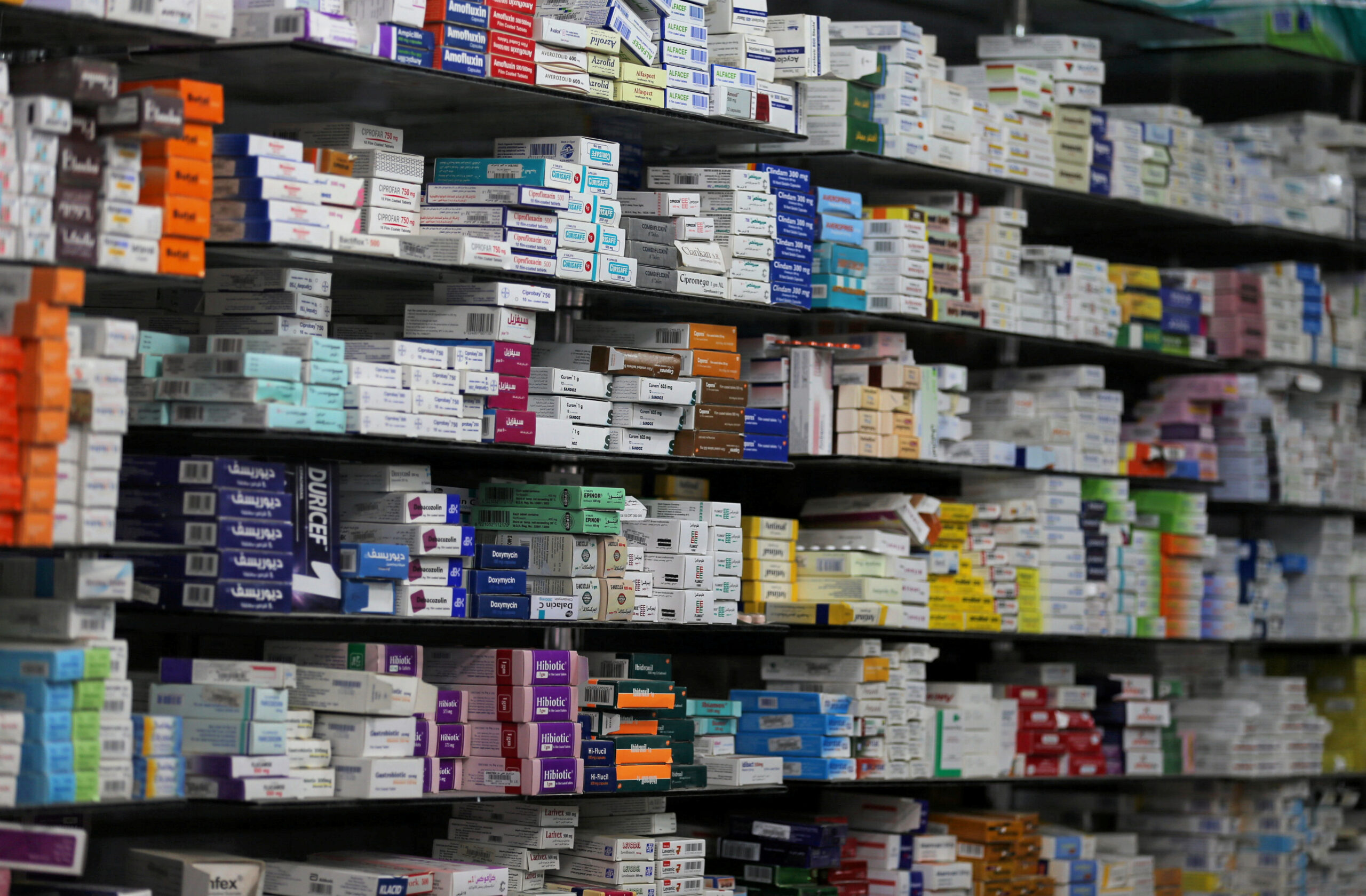
A ‘birth certificate’ for every medicine: Egypt launches drug tracking system, yet gaps remain
Egypt has launched a drug tracking system to curb counterfeit medicines, but is it a silver bullet?
How pharma companies skirted regulations to make ‘Limitless’ profit
An unregulated food supplement market has been a boon for pharma companies, doctors and regulators
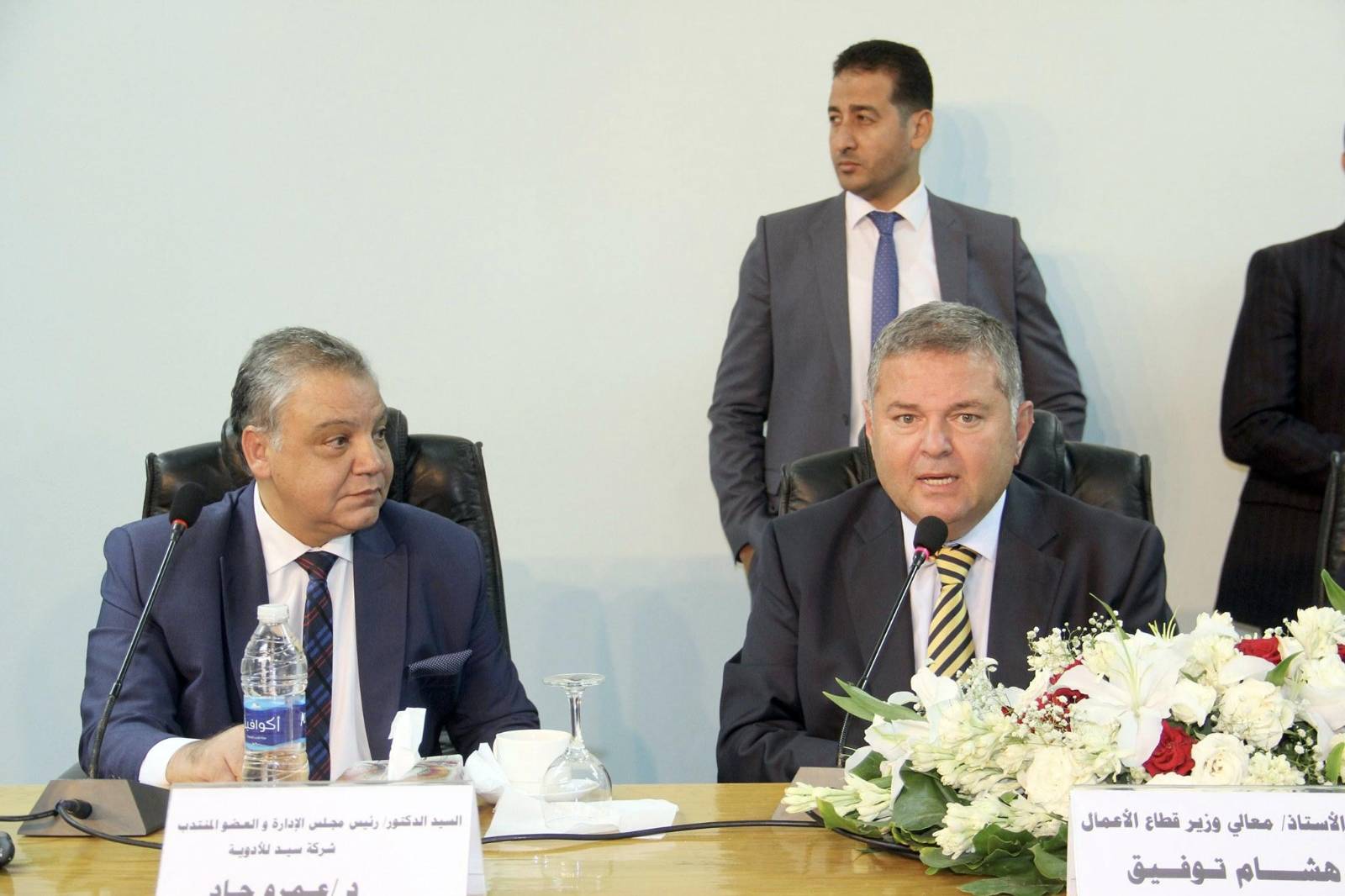
Worker-management rift remains as state pharma company reopens after strike
One trade union representative called the move to shutter the firm amid the strike 'unprecedented'
Your support is the only way to ensure independent, progressive journalism survives.
You have a right to access accurate information, be stimulated by innovative and nuanced reporting, and be moved by compelling storytelling. Subscribe now to become part of the growing community of members who help us maintain our editorial independence.
Join us