
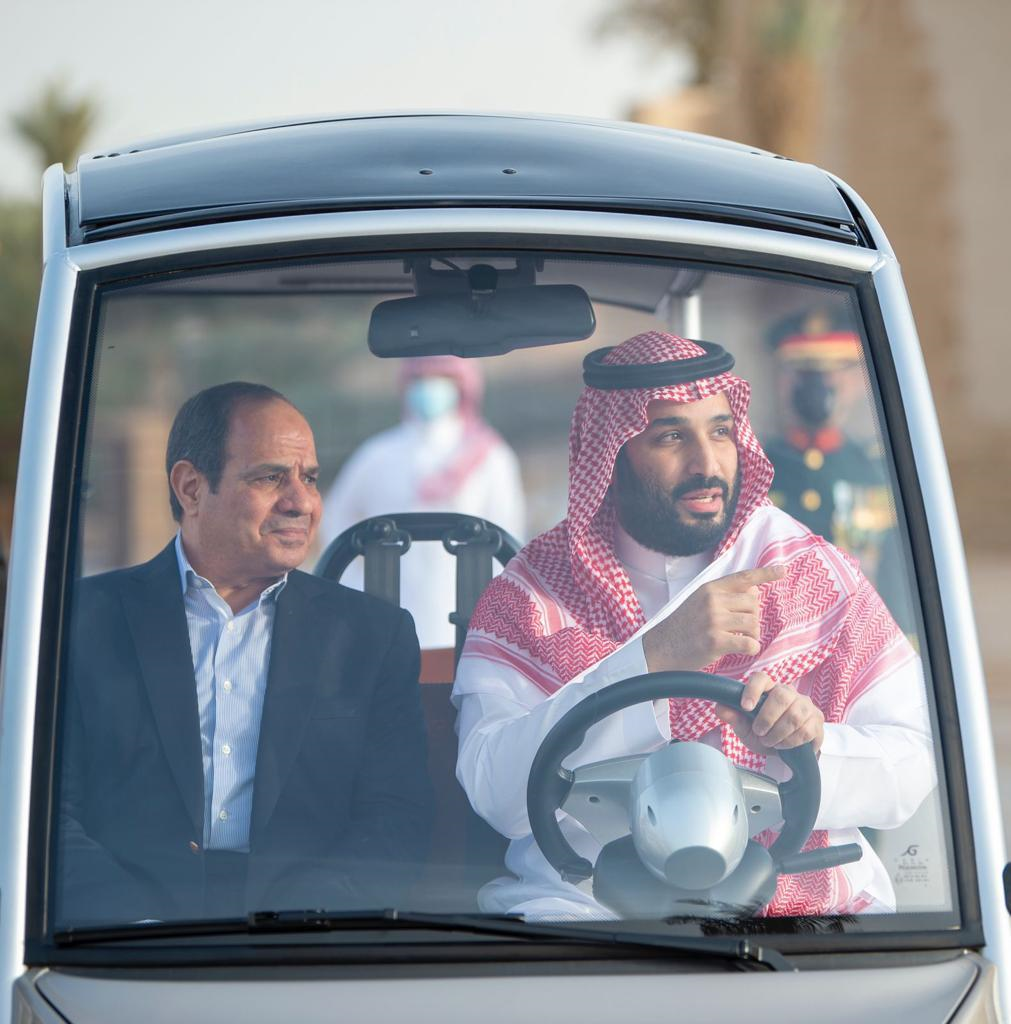
Amid fallout of Ukraine war, Sisi heads to Riyadh looking for economic support, regional coordination
As Egypt struggles with the international repercussions of Russia’s invasion of Ukraine, President Abdel Fattah al-Sisi embarked on a trip to Saudi Arabia on Tuesday, where he is expecting to receive “some economic support” from Riyadh and is hoping to lay the groundwork for a coordinated regional response to contain political fallout as tension between Russia and Western countries mounts, a government source told Mada Masr ahead of the visit.
Sisi has since touched down in the Gulf nation’s capital, meeting with Saudi Crown Prince Mohamed bin Salman. According to the Egyptian presidency readout of the meeting, Sisi and bin Salman did discuss economic cooperation, in light of the “developments” Egypt has marshaled with its “giant national projects, advanced infrastructure and attractive investment climate,” alongside the “crises witnessed by some sister countries in the region” and Red Sea security.
Following the meeting, the Saudi cabinet issued its weekly briefing, in which the Saudi finance minister was authorized to discuss, sign and then submit with the Egyptian side a draft memorandum of understanding regarding the establishment of a high-level financial dialogue.
"Egypt is currently saddled with many financial commitments," the government source told Mada Masr in explaining one of the main reasons for the visit and pointing to the inevitable rise in the cost of basic commodities — wheat, cooking oils — that are usually supplied from Russia and Ukraine, as well as shipping, as Egypt will have to bear the brunt of rising oil prices and look for suppliers from farther afield.
Amid the rising bill for strategic commodity imports, Egypt is also facing looming debt repayment benchmarks by the middle of the year.
Egypt is betting that Saudi Arabia will be its most important economic supporter in the coming stage, the source says, adding that Cairo is also looking to the United Arab Emirates and Kuwait as potential supporters as well.
The source declined to specify the amount of the expected economic support, or specify what has "actually been transferred." Yet, they say that a few transfers have already taken place, while others are still expected to come.
“We are not talking here about generous support, despite the abundant profits that the rising oil prices will bring to the Gulf countries, but we are certainly talking about reasonable support that will help Egypt avoid a potential monetary crisis.”
The grounds for the "political disagreements" between Cairo, on one side, and its two main regional allies over the past eight years in Abu Dhabi and Riyadh, on the other, have not undergone “a significant change," according to the source. The two sides are still apart when it comes to Egypt’s refusal to engage militarily in Yemen. Cairo still has concerns over the rapid pace of regional normalization with Israel and the Gulf’s tepid support for Egypt’s position in the Grand Ethiopian Renaissance Dam crisis with Ethiopia. And there are discrepancies in their positions on the management of the situation in Libya.
"However, no one in the Gulf can bear Egypt going through a severe economic crisis that leads to tensions like those caused by the food protests in Algeria or Morocco," the source adds. “Egypt's political stability is not merely an internal affair that concerns the administration in Cairo. Rather, it is the concern of everyone, especially the Gulf, whose support for Cairo during the past eight years emerged out of this realization.”
Sisi's visit to Saudi Arabia today is the third stop in his Gulf tour, which started at the end of January in Abu Dhabi , where he met with the Emirati ruler Mohamed bin Zayed, as well as the Bahraini King Hamad Bin Isa. The tour, whose goal is to try to secure direct financial cooperation agreements with Gulf countries, was resumed two weeks ago when Sisi visited Kuwait, which is now viewed by more than one Egyptian official as a mediating force in the Gulf that is seeking to bridge differences, not only within the Gulf area, but also in the broader Arab region.
The tour runs parallel to exploratory talks that Egypt has kickstarted with the International Monetary Fund about the potential for a new loan.
The same government source says that "supporting Egypt" is not the only item on Sisi’s agenda in Saudi Arabia, noting that there is an equally important question related to potential regional security and political arrangements in light of the potential signing of a new nuclear agreement between Iran and Western countries. “Iran's return to the regional scene will have many repercussions that may be reflected in vital areas for the Gulf states, including Iraq, Lebanon, Syria, and certainly, Yemen,” the source says.
“It is true that the Gulf-Israeli rapprochement, especially under the UAE umbrella, granted the Gulf a ‘powerful ally’ in confronting Iran. And while it is true that Tel Aviv is more effective than Cairo in conveying the Gulf’s point of view to decision-makers in Washington, the Gulf cannot drop Cairo from regional security calculations at this time. Cairo will remain, in all cases, despite any political discrepancies, an important node in the regional security equation. And this is certainly one of the most important files for discussion in Saudi Arabia during Sisi’s visit,” adds the source.
In the meantime, according to the same source, Gulf capitals with intersecting interests with Cairo will have to discuss the nature of the relatively long-term political and economic challenges that may arise from the continuation of the conflict in Ukraine. These include the Western — and in particular the American — requirements for more vocal Arab opposition to the invasion, which is already being discussed in preparation for a position issued during the regular spring meeting of Arab foreign ministers within the next 48 hours, as well as a possible upgrading of the role of Turkish diplomacy, in light of Ankara’s role in facilitating a Russian-Ukrainian dialogue by hosting a scheduled meeting between the foreign ministers of both countries in Antalya, Turkey, on Thursday.
“We know that there is growing Emirati-Turkish collaboration, and we know that Israel is coordinating with the UAE about its talks with the warring parties in Russia and Ukraine. But in the end, there is a need, even if only to a degree, for an all-Arab coordination,” the source says. “In addition to the ongoing presidential communications, there will be consultations at a lower level during the coming period, pending the outcome of the Gulf-US, Egyptian-European contacts, among others.”
The source reiterates, “The situation is tense internationally and regionally, and everyone knows that we are in the same boat, and this is the ground on which the discussions are founded. We are not looking for an absolute consensus on all issues, but we are looking for common interests that contribute to the overall stability of the region, and its safety from potential regional shocks like the ones that happened 10 years ago.”
تقارير ذات صلة

The Quad War
After the fall of Fasher, Egypt turned to Turkey to find a way to deter the growing Emirati threat
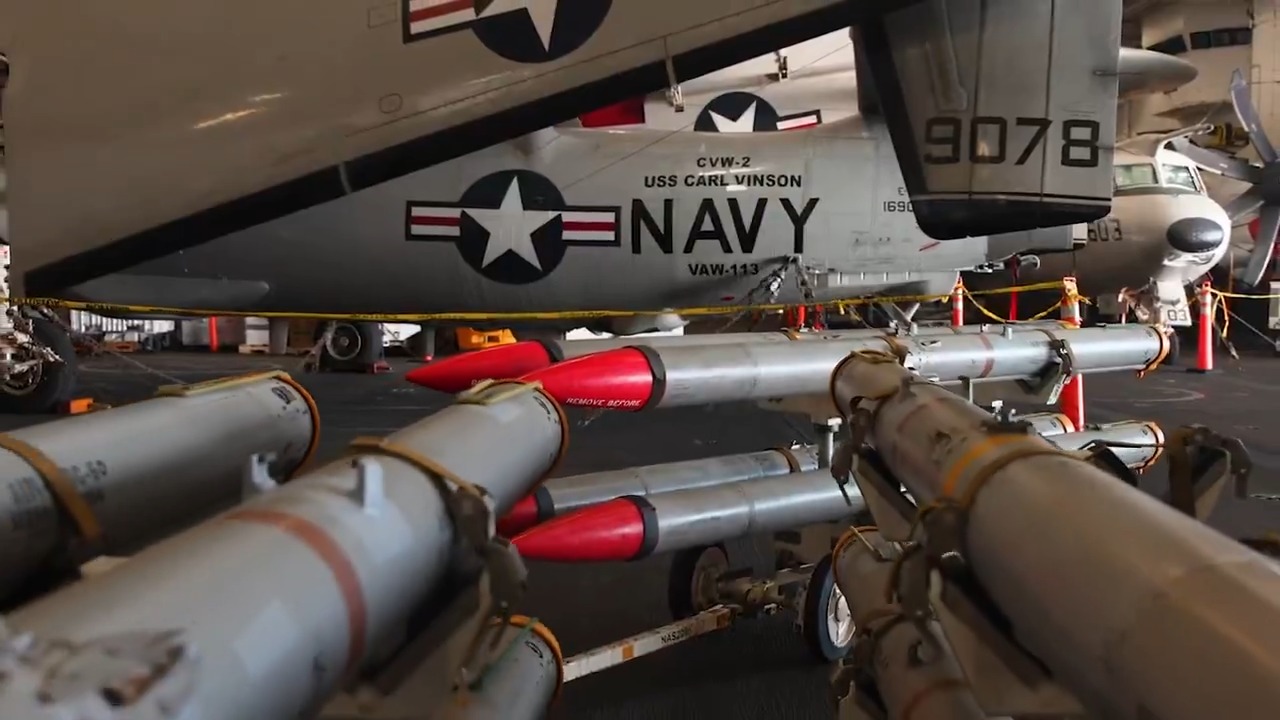
Proposed formulas for new US military Red Sea foothold not acceptable to Egypt
Since March 15, the US has carried out nearly daily strikes on targets in Yemen
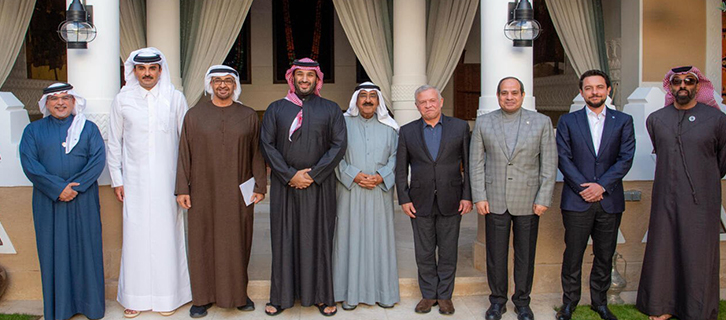
Gaza: ‘A fireball being tossed around by everyone’
“The Middle East is too often a solid where little changes. Today, it is a liquid and the ability
Your support is the only way to ensure independent, progressive journalism survives.
You have a right to access accurate information, be stimulated by innovative and nuanced reporting, and be moved by compelling storytelling. Subscribe now to become part of the growing community of members who help us maintain our editorial independence.
Join us