
Voter bribery in Alexandria, Aswan, Giza: Coercion, cash, coupons and supermarket discounts

Electoral violations were visible at polling stations across the country on day two of voting in the first phase of elections to the House of Representatives.
The first phase involves 14 governorates including Giza, Alexandria, Qena, Luxor and Aswan, where Mada Masr recorded electoral violations.
Incidents of party campaigning in violation of electoral silence laws were witnessed at stations in Aswan, while bribery and coercion were present and widespread in Alexandria, Giza and Luxor — with most incidents recorded in favor of the state-aligned Nation’s Future Party, which held a majority in the 2020 legislative session that it is broadly expected to reproduce.
Similar incidents were also recorded by the monitoring rooms of the justice, Egyptian social democratic and conservatives parties.
At some polling stations, candidates for the justice and Egyptian social democratic parties said that their teams were obstructed from entering to conduct routine monitoring.
Giza
Speaking from the central constituency of Talbiya and Omraniya, Justice Party candidate Ibrahim al-Agamy told Mada Masr that turnout was high.
He described several electoral violations taking place, mostly voters being told to vote for specific candidates, or being given up to LE250 in cash in exchange for votes.
Alexandria

On the second day of the 2025 parliamentary elections, voter turnout in the constituencies of Sidi Gaber and Moharam Bek was visibly very low.
The city was covered in billboards and banners, mostly for candidates from pro-state parties, nation’s future, national front and homeland defenders.
Turnout among younger generations was extremely weak, while voters in older age groups, especially women, some of whom were accompanied by their children were more visible. State-affiliated outlet Youm7 published images of women and children at the ballot as proof of broad participation.
At the Moharram Bek Governmental Language School for Boys, a woman accompanied by a young boy told Mada Masr that people had approached her to check which electoral commission she was registered with. They then handed her a slip listing two candidates — Al-Safi AbdelAl al-Saghir and Mohamed Gibril, both running for the pro-regime Nation’s Future Party.
They then instructed her to vote for one of them. After casting her vote, she was told to have her ballot paper stamped at a nearby shop to receive a Fathallah shopping coupon.
Former MP Haitham al-Hariry, one of at least six politicians barred from participating in the 2025 parliamentary race, told Mada Masr that, “Fathallah coupons were widespread in a blatant way.”
“The election results are already decided from the very beginning,” Hariry continued.
He also described campaigning continuing after the calling of electoral silence, “very close to the polling station itself, which is prohibited.”
“This isn’t the role of the National Election Authority alone, but rather their responsibility alongside security forces to prevent election campaigning nearby,” he added.
When asked how this year’s elections differ from previous ones, Hariry said, “It’s probably just because the number of candidates is small. There wasn’t strong competition in most electoral districts.” He anticipated that there was so little competition that there is unlikely to be a round of runoffs.
Another source, who spoke to Mada Masr on condition of anonymity, said a petrochemical company provided buses to transport its employees to polling stations on the first day of voting. Though he said almost no one was interested in actually participating, the company took photos of employees and issued statements based on those images to create the appearance of widespread participation. Similar photographs were published by thePetroleum Workers Syndicate.
MP Nagi al-Shahaby also condemned violations observed by the Democratic Generation Party in several electoral commissions. He said that polling stations did not have enough of the indelible ink used to cast votes, and that electoral commissions refused to allow team members of party candidate, Mohamed Saeed, to enter the station.
Shahaby added that some police officers directed voters to cast their ballots for candidates running for individual seats for state-aligned parties in exchange for vouchers redeemable after voting.
He noted that similar violations occurred in the same pattern across all commissions during the first phase of the elections throughout Egypt’s governorates.
Qena
A member of the Egyptian Social Democratic Party in Qena who wished to remain anonymous told Mada Masr that competition for individual seats had become difficult in the governorate.
“MPs who previously represented the Nation’s Future Party and Homeland Defenders Party are running as independents in this election,” the party member said.
The source said that many of these candidates are able to generate high turnout in their favor by securing the backing of entire villages or tribal groupings. For example, they said, “the village of Samta will vote for Sayed Abu Zeid, who was an MP for the Homeland Defenders Party and is currently running as an independent."
Luxor
Shazly al-Buhairy, a candidate running for the Justice Party in Esna, Luxor, said that clashes broke out at five polling stations in the constituency between independent candidates and candidates affiliated with the government.

The clashes were sparked by independent candidates and their teams witnessing polling station staff telling voters to support candidates on the National List while distributing electoral bribes.
Buhairy said police had intervened to re-establish calm.
“There are instructions [given to voters] from within the polling stations, including from employees of the polling stations themselves,” said Buhairy.
He noted that some tribal leaders also distribute bribes. He described bribes including boxes of sugar, rice and up to LE200 per vote.
Aswan

“The violations are blatant,” Mahmoud Nour, an official in the monitoring committee of the Justice Party in Aswan, told Mada Masr.
Nour said that turnout was very low, with coupons and food boxes used to incentivize turnout.
After a morning of low turnout, Mada Masr also observed the Nation’s Future Party mobilizing supporters at polling stations in Aswan with a traditional wedding procession.
Specially designated public transportation ushered voters to the polls, and party supporters were deployed around the polling stations to persuade voters, audibly negotiating prices per vote just a few meters from the polling station entrance.

أخبار ذات صلة
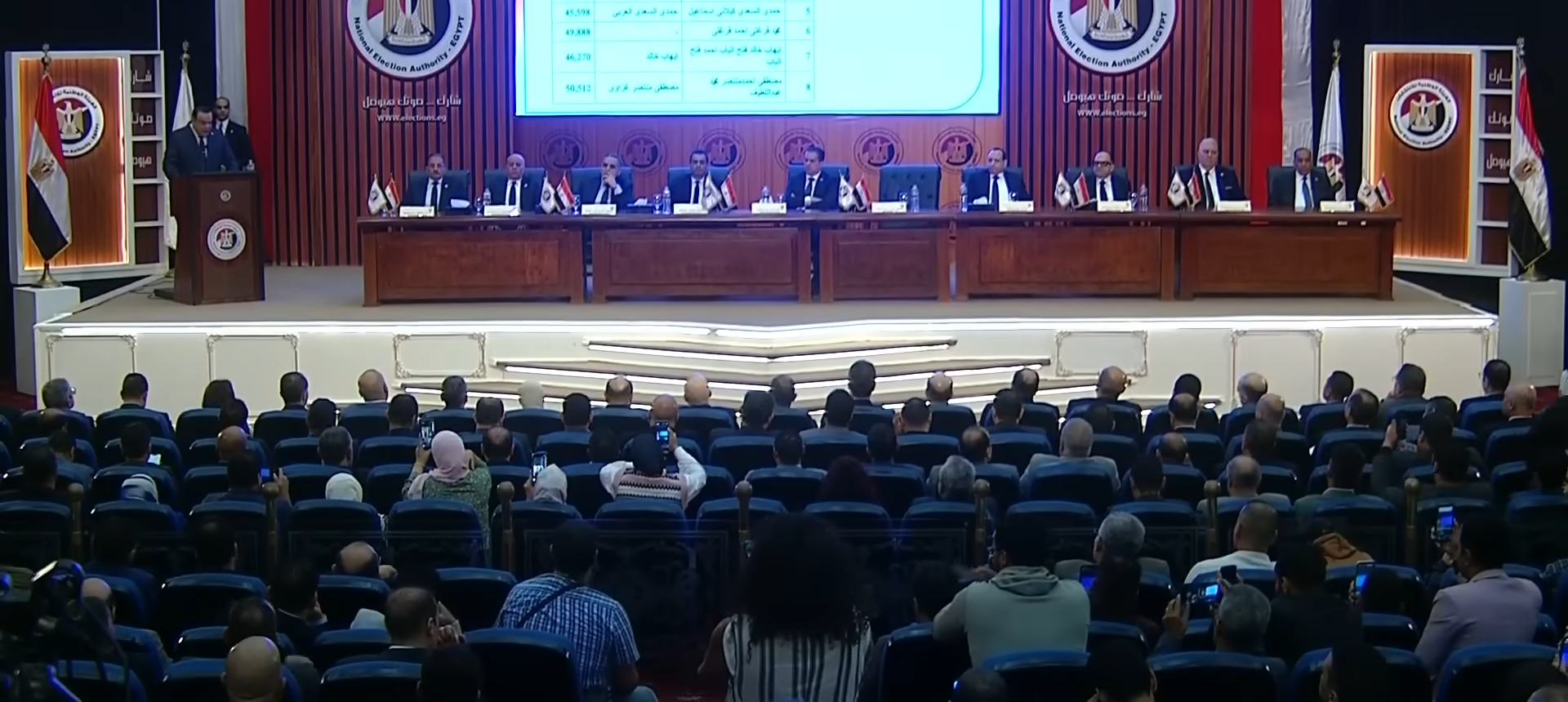
Elections results voided in most constituencies after ‘massive’ number of elections appeals
Voting is set to be repeated in two-thirds of the districts that took part in the parliamentary elections’ first phase, following a…
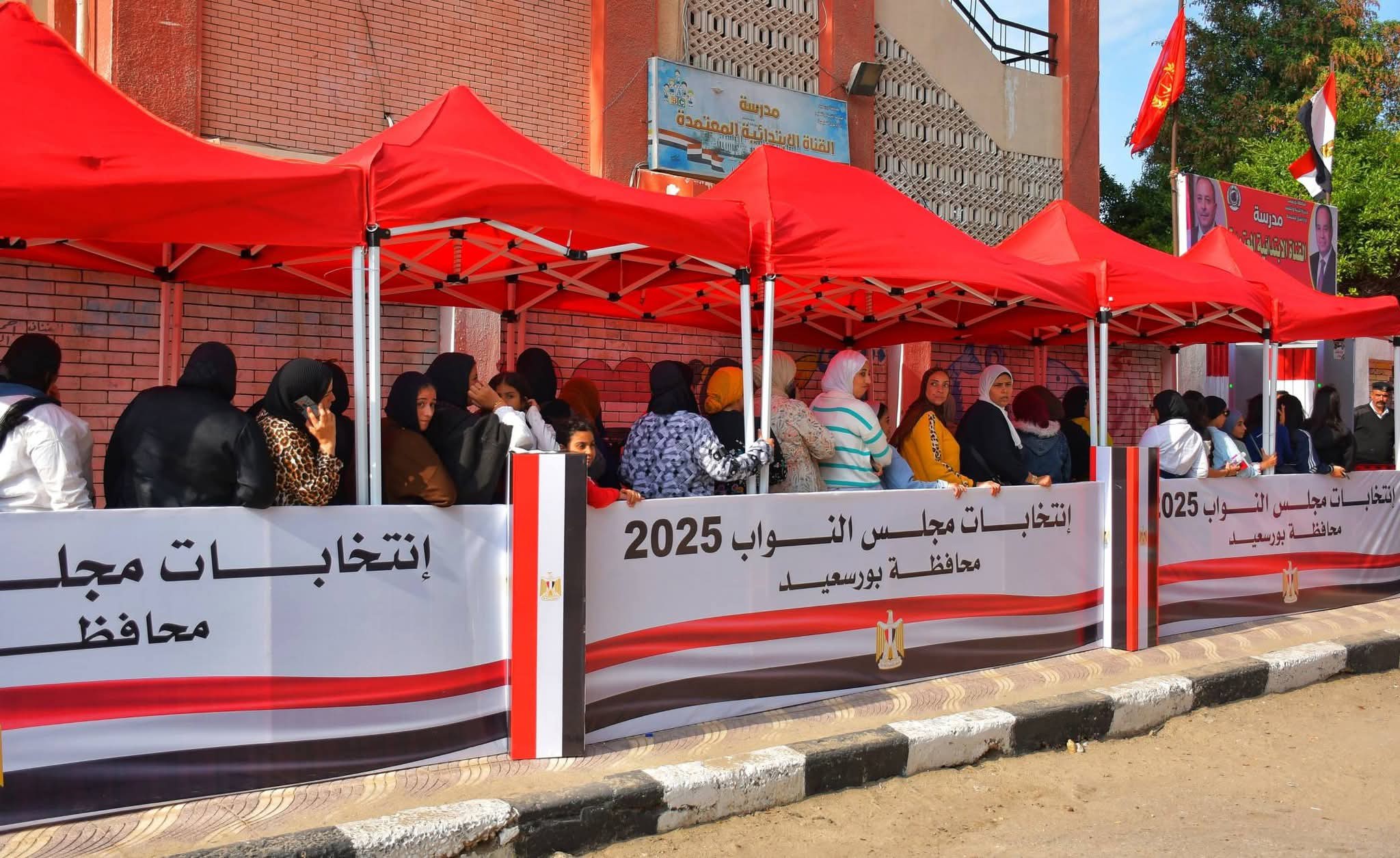
Voter coercion on display in Port Said parliamentary elections
Electoral violations visible on day two of voting in this year’s parliamentary elections saw clear incidents of voter bribery in Port Said.…
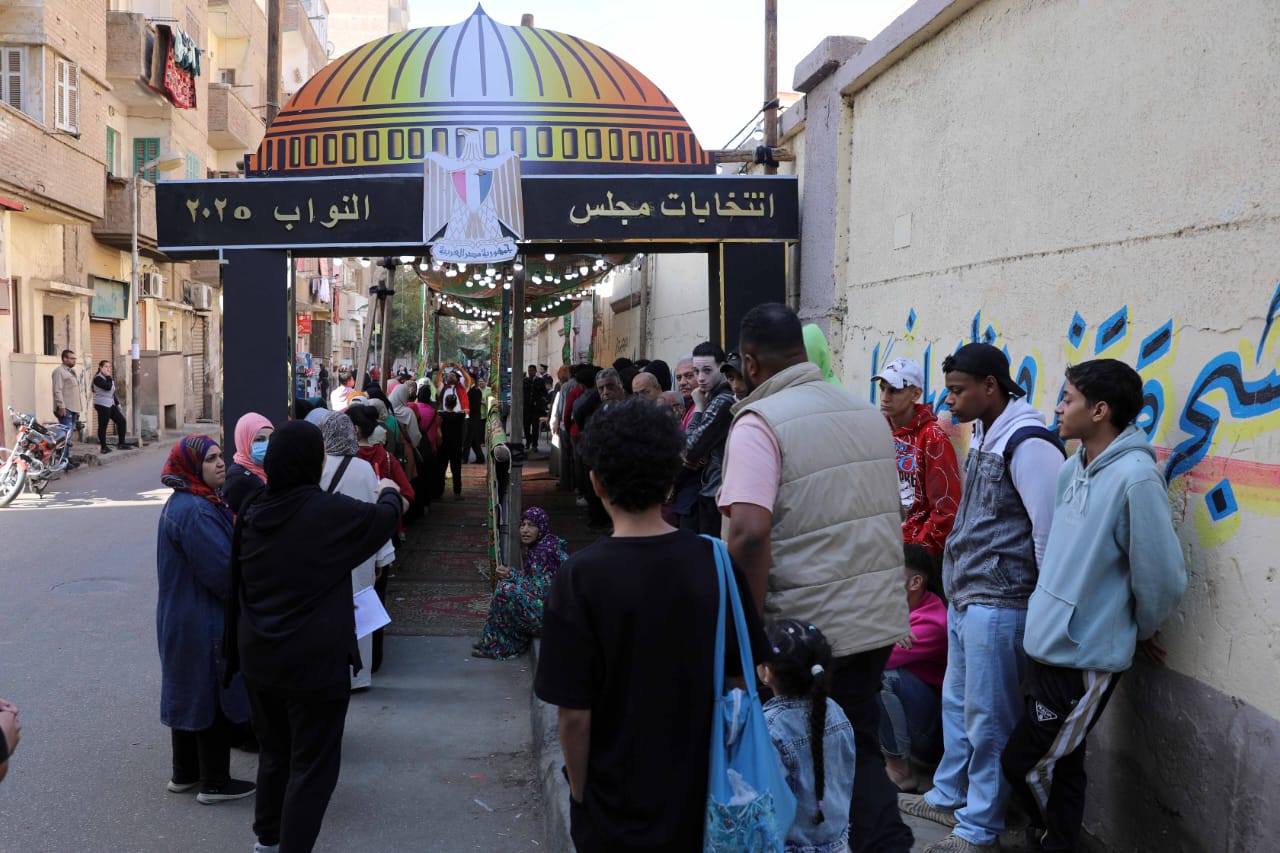
Campaign supporters assaulted at Shubra polling stations, electoral candidates say
Two candidates running for parliamentary election in the Shubra constituency reported incidents of physical violence on Tuesday, perpetrated against their team members…
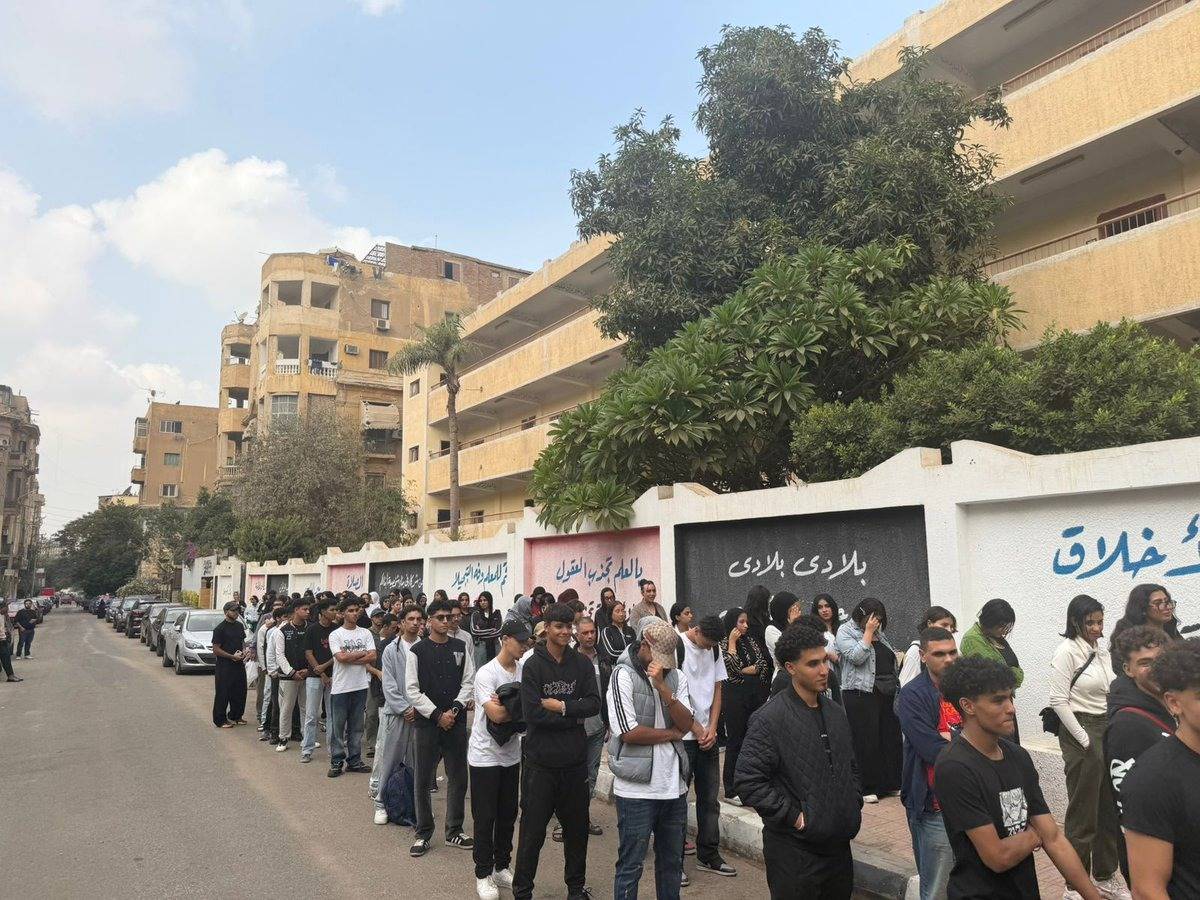
Polling stations reopen for 2nd phase of House elections, manufactured youth mobilization on display
Less glitz and glamour were on display at many polling stations that opened Monday morning for the second phase of the 2025…
Your support is the only way to ensure independent, progressive journalism survives.
You have a right to access accurate information, be stimulated by innovative and nuanced reporting, and be moved by compelling storytelling. Subscribe now to become part of the growing community of members who help us maintain our editorial independence.
Join us