
Elections results voided in most constituencies after ‘massive’ number of elections appeals

Voting is set to be repeated in two-thirds of the districts that took part in the parliamentary elections’ first phase, following a court decision issued late on Saturday night.
The ruling came after the scale and flagrancy of electoral violations prompted a massive number of appeals from candidates and a rare intervention by the president himself.
The Supreme Administrative Court annulled the results of individual seat elections in 29 electoral districts in the first phase of the House of Representatives elections, on top of the 19 districts whose results had already been voided by the National Elections Authority.
Elections will now be rerun in 48 out of 70 districts in the first phase.
Reruns for the initial 19 districts cancelled by the NEA will take place alongside the first-phase runoffs over the next four days, while the authority is expected to announce on Sunday the schedule for reruns in the 29 districts overturned by the court.
Judges are still deliberating on another 59 appeals filed against successful candidates in phase one, referred to the Court of Cassation, which is empowered under Article 107 of the Constitution to rule on the validity of House memberships.
Throughout phase one, the NEA repeatedly insisted the elections were transparent and subject to international oversight. Yet social media was flooded with posts and videos showing bribery and coercion, and Mada Masr correspondents witnessed cash-for-vote operations and voters being instructed to back specific candidates in Alexandria, as well as violations of campaign silence in Aswan.
Candidates quickly lodged appeals across the country, with the highest number coming from Giza, where 47 grievances were filed. Significant numbers of appeals were also submitted in Beheira, Minya, Assiut and Alexandria.
In Giza, incidents of bribery and coercion were ubiquitous in the first round: Justice Party candidate Ibrahim al-Agamy told Mada Masr at the time that in Giza’s central constituency of Talbiya and Omraniya, voters were instructed to support specific candidates, and some were paid up to LE250 for their votes. Similar violations were recorded by Mada Masr in Alexandria, where 20 appeals reached the Supreme Administrative Court.
As outrage mounted over the infractions in phase one, a rare statement intervening in the electoral process was published by the office of President Abdel Fattah al-Sisi, stressing that the elections must “please God” and “faithfully reflect the true will of the voters.”
Political parties and MPs quickly lined up in support of the presidential “veto,” and the NEA backtracked the following day to overturn results in 19 districts — a sharp turn from days of upbeat statements that had portrayed the election as running smoothly. Its representatives nevertheless made a flustered assertion that the authority’s decision had preceded Sisi’s statement.
Despite state-aligned media commentary celebrating the “discipline” of phase two, Mada Masr observed continued voter bribery and even physical assaults on candidates in Cairo and Port Said, alongside scenes of orchestrated youth mobilization.
On Thursday, the NEA said it had begun reviewing second-phase violation reports submitted by candidates, with executive director Ahmed al-Bendary noting that the authority’s hotline received 221 complaints over the two voting days inside Egypt. Initial results for the second phase are set to be announced on Tuesday.
What happens next?
Large-scale violations are not new in Egypt’s parliamentary elections, but the scale and brazenness this year have sparked widespread commentary, with analysts comparing the process to the 2010 parliamentary elections — the last heavily rigged election held months before the collapse and ouster of President Hosni Mubarak.
Some critics argue the situation warrants a complete overhaul of the elections to preserve the legitimacy of the next Parliament. A parliamentary source and a candidate running with the Nation’s Future Party this year also raised concerns about legitimacy, especially as the coming session is expected to see a new bid for constitutional amendments to lift presidential term limits for Sisi.
Yet despite the unprecedented number of accepted appeals, journalist and election analyst Akram Alfy told Mada Masr that the “massive number of appeals” and judicial authorities’ findings of “deep flaws” in the electoral process ultimately bolstered the legitimacy of the election as a whole.
The number of appeals filed in this year’s election was significantly higher than those submitted in the last parliamentary elections in 2020.

In Alfy’s opinion, the president’s intervention to address the widespread violations and the court’s processing of the appeals has given “a kiss of life” to the elections that were otherwise threatened by a lack of confidence and legal legitimacy.
Five parliaments in Egypt’s history have faced dissolution, four of them by rulings from the Supreme Constitutional Court due to flaws in the election system.
Thanks to this year’s court rulings, Alfy does not believe dissolution is likely.
While candidates in the 48 constituencies where reruns are scheduled now have a second chance to contest their seats, more than 250 House representatives elected via the absolute list system remain unaffected.
Alfy pointed out that the list vote concluded without legal challenge, as the coalition list convened by major pro-government parties and their allies ran unopposed. Appeals are only considered valid if submitted by a nominee challenging the outcome of an election in which they were a candidate.
As a result, the list needed only to clear the five-percent minimum national voter participation threshold to secure its seats — a benchmark that, according to the NEA, the National List met in the first phase.
أخبار ذات صلة
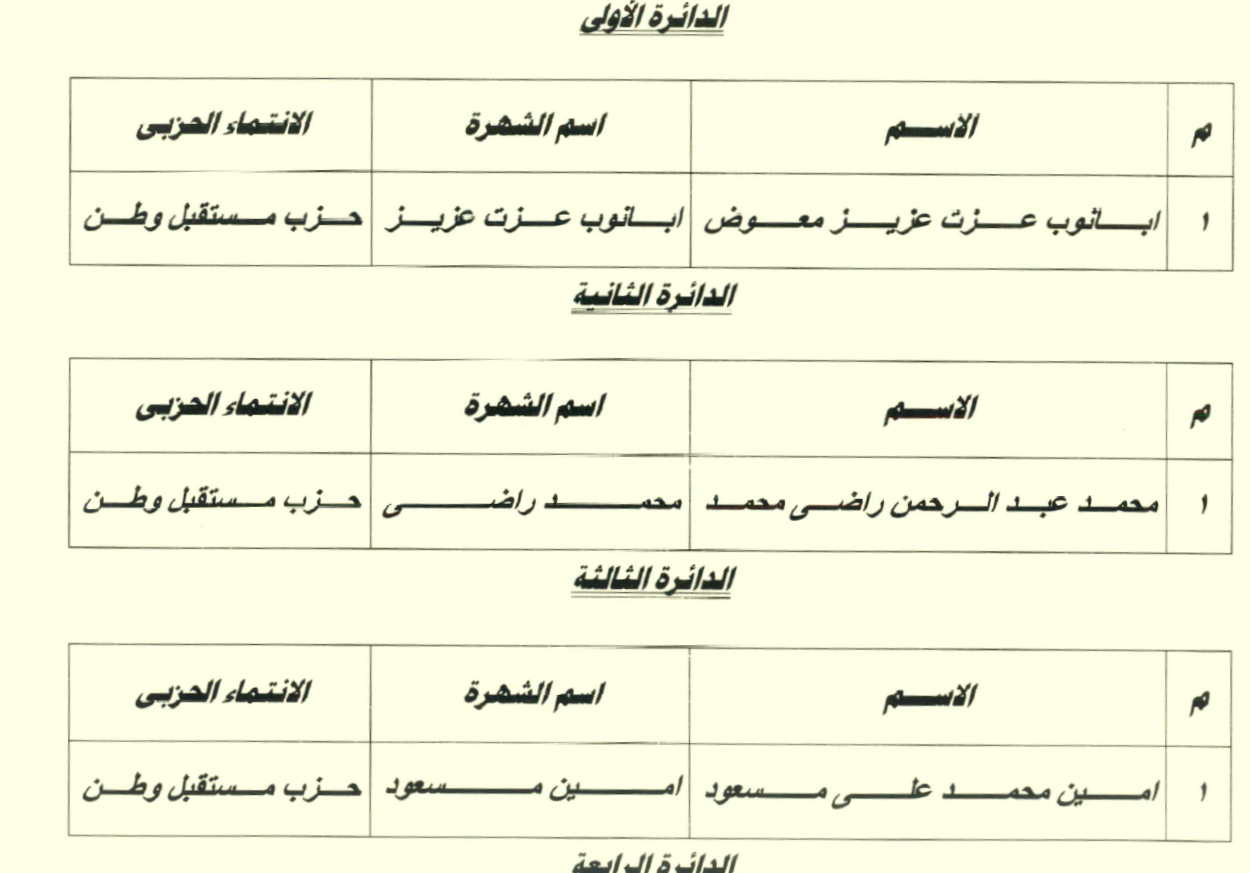
Elections watch: Phase 2 results voided at just 2 polling stations despite widespread violations
The National Elections Authority announced on Tuesday the preliminary results for the second phase of this year’s parliamentary elections, cancelling the results…
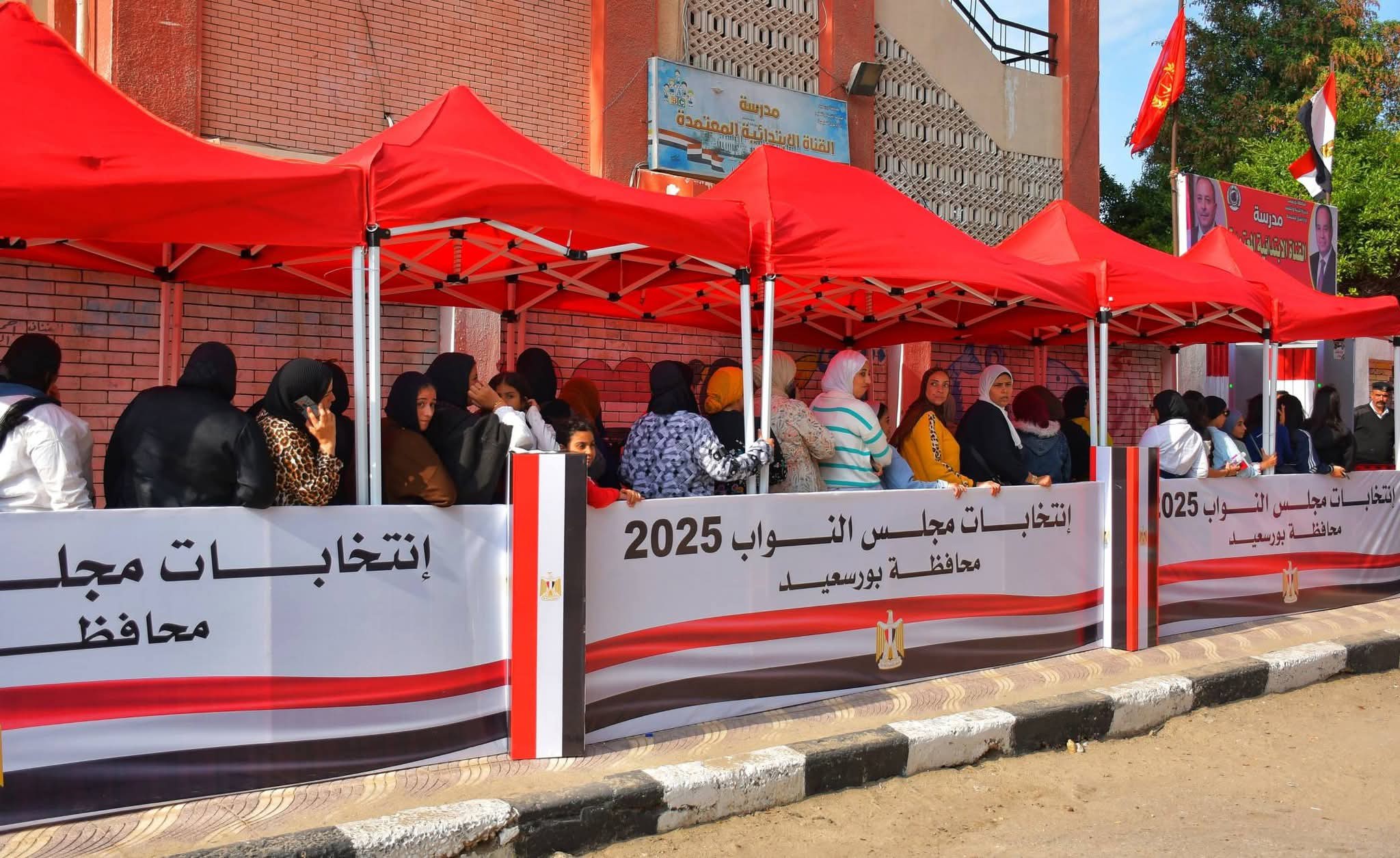
Voter coercion on display in Port Said parliamentary elections
Electoral violations visible on day two of voting in this year’s parliamentary elections saw clear incidents of voter bribery in Port Said.…
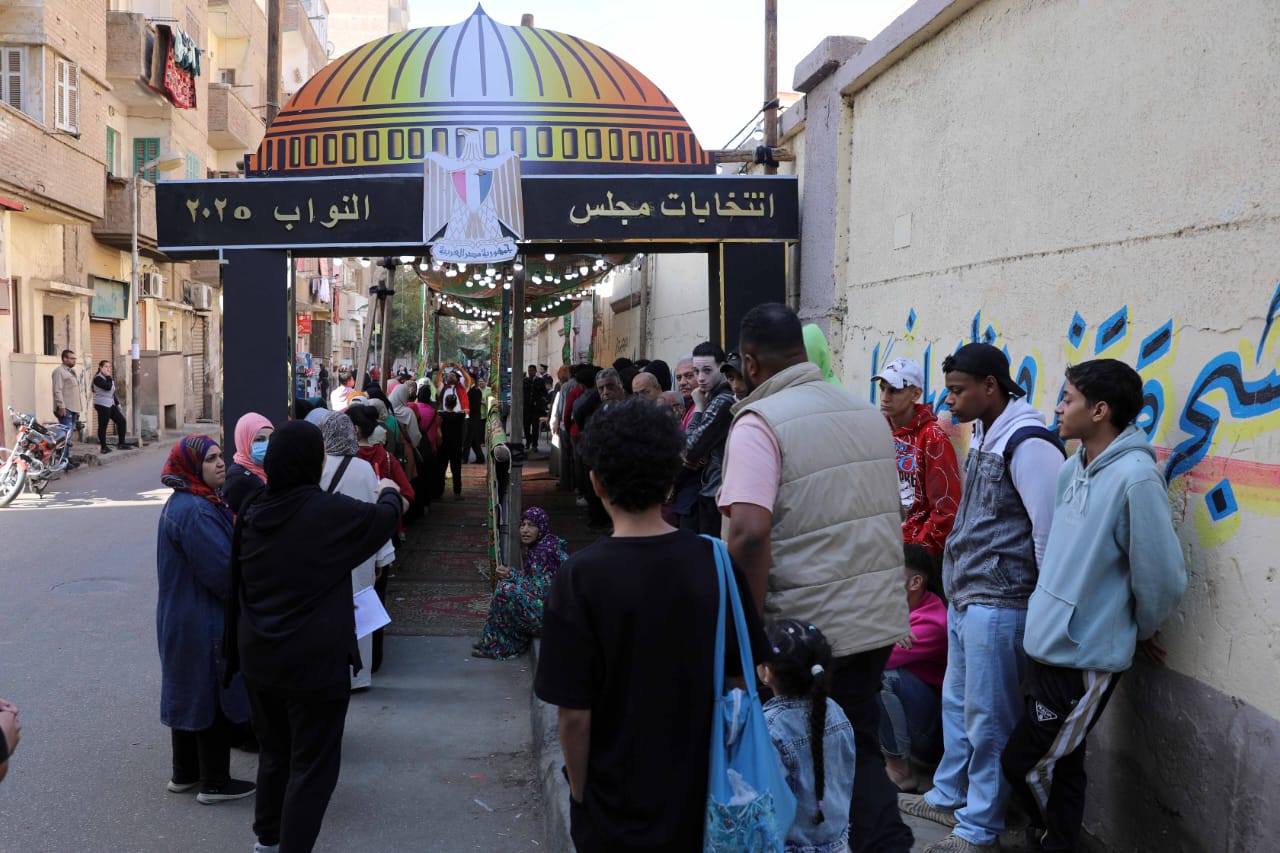
Campaign supporters assaulted at Shubra polling stations, electoral candidates say
Two candidates running for parliamentary election in the Shubra constituency reported incidents of physical violence on Tuesday, perpetrated against their team members…
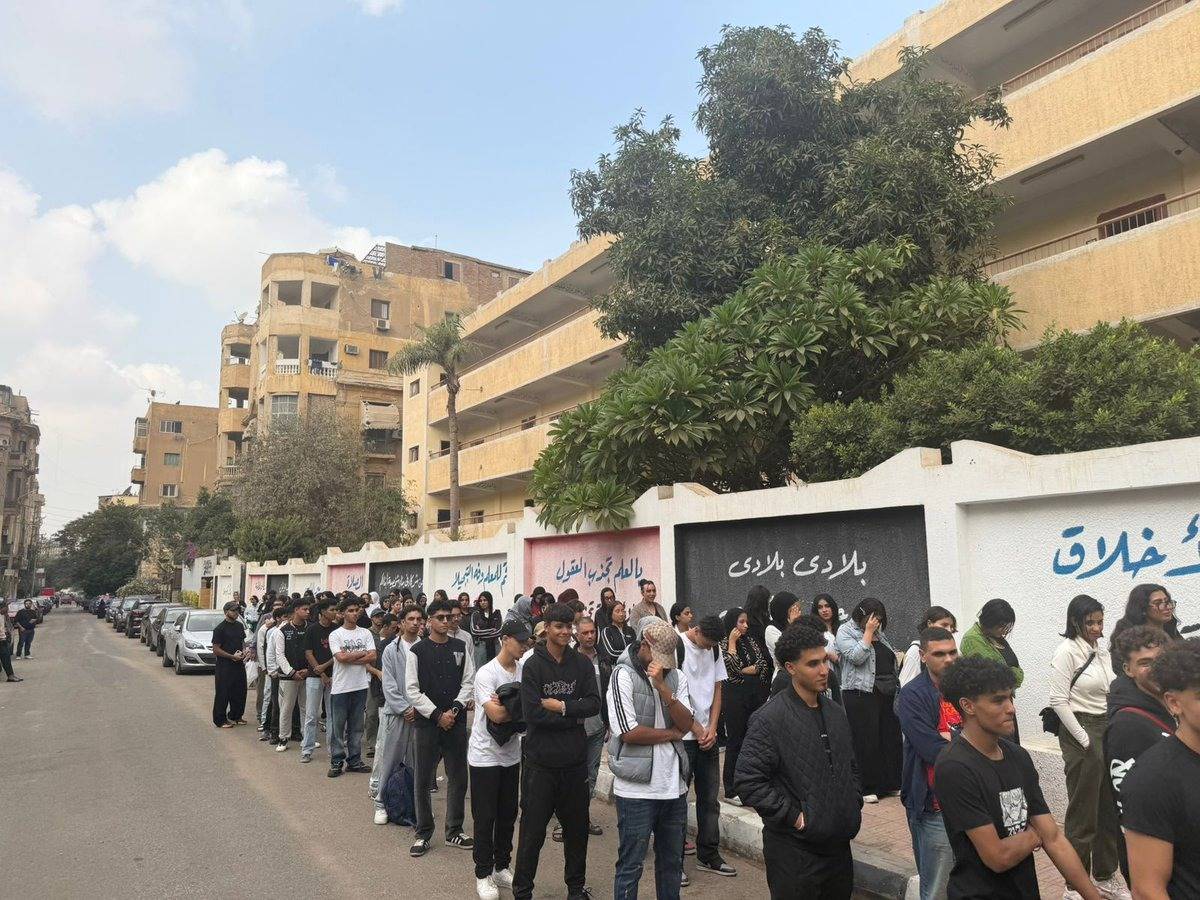
Polling stations reopen for 2nd phase of House elections, manufactured youth mobilization on display
Less glitz and glamour were on display at many polling stations that opened Monday morning for the second phase of the 2025…
Your support is the only way to ensure independent, progressive journalism survives.
You have a right to access accurate information, be stimulated by innovative and nuanced reporting, and be moved by compelling storytelling. Subscribe now to become part of the growing community of members who help us maintain our editorial independence.
Join us