
US envoys in Tel Aviv to discuss 60-day Lebanon ceasefire after Israel kills 12 in Baalbek escalation

Envoys from the United States are due in Tel Aviv today to hold discussions with Israeli officials on ending hostilities between the Israeli military and Hezbollah, the State Department confirmed on Wednesday.
US mediators are working on a proposal that would halt hostilities for an initial 60-day period, Reuters reported on Wednesday, citing informed sources.
The sources said the two months would be used to implement the existing framework for a permanent peace between Israel and Lebanon — United Nations Security Council Resolution 1701, which was adopted in 2006 and made provisions for the full withdrawal of Israeli troops from Lebanon as well as Hezbollah’s withdrawal north of the Litani River.
Despite its officials expressing readiness for a deal, Israel has continued to ramp up its operations in Lebanese territories recently, ordering residents of Baalbek and Sur to evacuate this week and launching airstrikes on the historic cities.
It has also sought to expand the provisions of UNSCR 1701 to allow it to continue conducting airstrikes on Lebanon, sources close to regional negotiations told Mada Masr, casting doubt on the viability of a long-term ceasefire.
“We can’t really say that we believe, but we are striving and staying optimistic that in the coming days we will have a ceasefire,” Lebanese Prime Minister Najib Mikati told Lebanese TV channel Al-Jadeed on Wednesday night, commenting on the likelihood of reaching a deal.
“Our points are clear,” said Mikati, noting that the Lebanese government including representatives of Hezbollah had approved last week a call for ceasefire that reaffirmed Lebanon's commitment to UNSCR 1701 and to strengthening the Lebanese military’s presence south of the Litani River.
“Lebanon is committed to resolution 1701 and we do not need any amendments, only a clear mechanism for the Lebanese military to enter and remove every illegal source of weapons south of the river,” Mikati told Al-Jadeed.
A document dated October 26 and marked as a draft framework for an announcement to end hostilities was published by Israeli broadcaster Kan on Wednesday night.
Responding to a question about the document on Wednesday, White House National Security Council Spokesperson Sean Savett said there were many reports and drafts circulating. “They do not reflect the current state of negotiations,” Savett remarked.
An Egyptian official close to ceasefire negotiations told Mada Masr that the document is compatible with their knowledge of the ongoing talks.
The document lays out terms, including the 60-day halt to hostilities during which steps to move toward the implementation of UNSCR 1701 would include Israel’s full withdrawal from Lebanon within seven days.
Hezbollah has said repeatedly that Israeli forces operating in Lebanon have failed to take control of any territory. Israeli troops have reached as far as the outskirts of Khiam, however, where a Lebanese military source told Mada Masr on Tuesday that Israeli tanks had attempted an incursion while Hezbollah said it launched several rocket salvos at Israeli “gatherings” on the town’s outskirts this week.
The document also lays out provisions for the deployment within the 60-day period of the Lebanese Armed Forces to all of Lebanon’s borders as well as regulated and unregulated crossings into Lebanon.
Whether the parties will be willing to accept the deal is unclear. Israeli officials have said that the military is close to completing operations in Lebanon and that they are ready to seek a diplomatic resolution.
But at the same time, Israel has ramped up its aggression on Lebanon again this week, launching its most violent airstrikes on Baalbek on Tuesday and ordering its residents to evacuate on Wednesday, killing 12 people in Beit Salibi.
Nasrallah’s newly appointed successor, Naeem Qassem, meanwhile, has said that Hezbollah is continuing its operations against Israel to support Gaza but it does not want a war with Israel.
"Throughout 11 months of [supporting Gaza], we have always said we do not want war. And our master [Nasrallah] always said we do not want war, but we are ready if it is imposed on us and we will face it,” Qassem reiterated during his first public address as secretary general of the movement on Wednesday.
In his Wednesday night television appearance, Mikati reiterated that the Lebanese government and Hezbollah had approved an initial proposal put forward by a coalition of Western nations along with Saudi Arabia and Qatar in September. It was Israel that ultimately decided not to cooperate with the proposal, Mikati said.
The earlier framework for a 21-day halt to military operations came just days after Israel escalated its aggression on Lebanon with intensive airstrikes across the south that displaced hundreds of thousands of people in just a few days.
The initial proposal would have seen Hezbollah agree to halt hostilities and hold talks unrelated to the war on Gaza — a departure from the “support front” for Palestinians, the framework under which Hezbollah launched airstrikes on Israel on October 8, 2023 to pressure the Occupation to cease its hostilities against Palestinians in the Gaza Strip in the wake of Al-Aqsa Flood.
The proposal fell flat at the time, with Israel choosing instead to escalate against Hezbollah and Lebanon by targeting homes and health facilities across the country, launching a ground invasion, conducting widespread demolitions in multiple border villages and continuing its campaign of assassinations against Hezbollah leaders, including Secretary General Hassan Nasrallah and Deputy Secretary General Hashem Safieddine.
Amid the escalation, Israel sought additions to the initial proposal that would allow it to continue conducting active operations in southern Lebanon, Israeli officials told the press.
Two sources who spoke to Mada Masr in recent weeks confirmed that amid the escalation, Israel has sought to replace UNSC 1701 with a new arrangement.
The first source, an Egyptian official briefed on regional dynamics, noted that the issue was part of discussions held in London last week between Arab foreign ministers where one of the main difficulties remained that Israel is keen to retain the right to intervene "preemptively" to attack any threat it perceives in Lebanon.
However, the source said that France is not eager to discuss a reworking of the Security Council resolution as part of a deal for Lebanon. The same source and another Egyptian official agreed that Russia and China, both permanent members of the Security Council, are not at all likely to admit changes to resolution 1701.
“I am optimistic, but cautious,” Mikati said on Wednesday night. “We learned in these negotiations that Israel takes, and it comes back wanting more.”
أخبار ذات صلة

After the catastrophe: Ali Cherri takes Israel to court following the killing of his parents
On November 26, 2024, Paris-based artist Ali Cherri spoke to his mother Nadira Hayek living in Beirut on the phone right before boarding a plane to Vienna where he was…
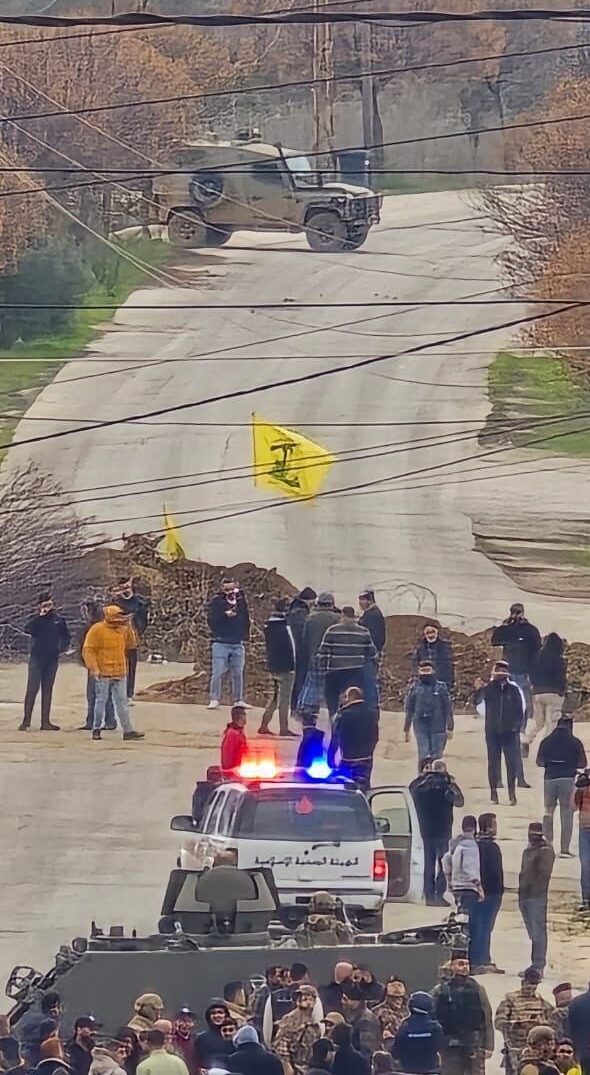
Israeli forces occupying south Lebanon kill 15 as tens of thousands return to claim their land
Israeli soldiers opened fire on crowds of displaced Lebanese on Sunday, as residents began to return to their towns and villages in…
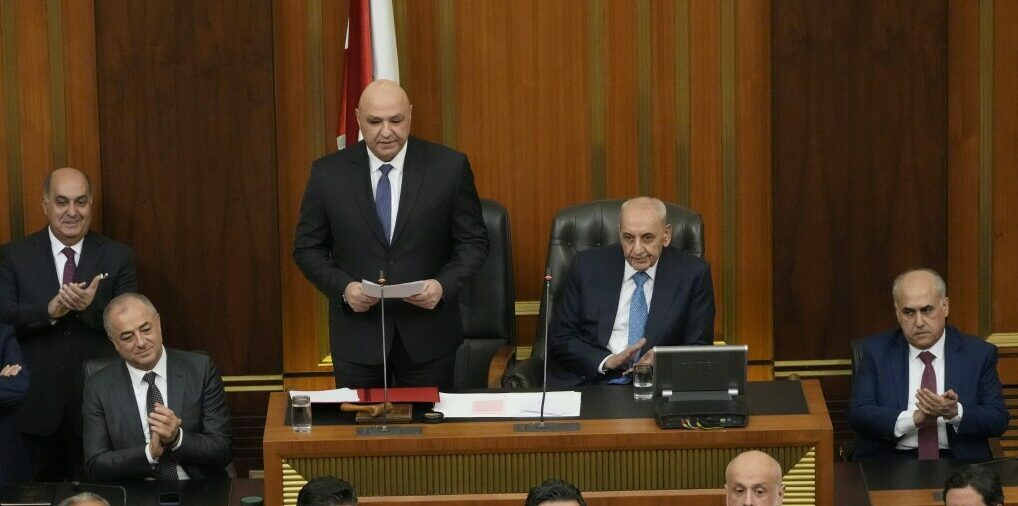
Hezbollah vote secures General Joseph Aoun’s election as new Lebanese president, underscoring party’s concessions to new regional reality
When the Lebanese military began to send the first of its soldiers to the south of the country on November 28, hours after a ceasefire was suddenly announced, it marked…
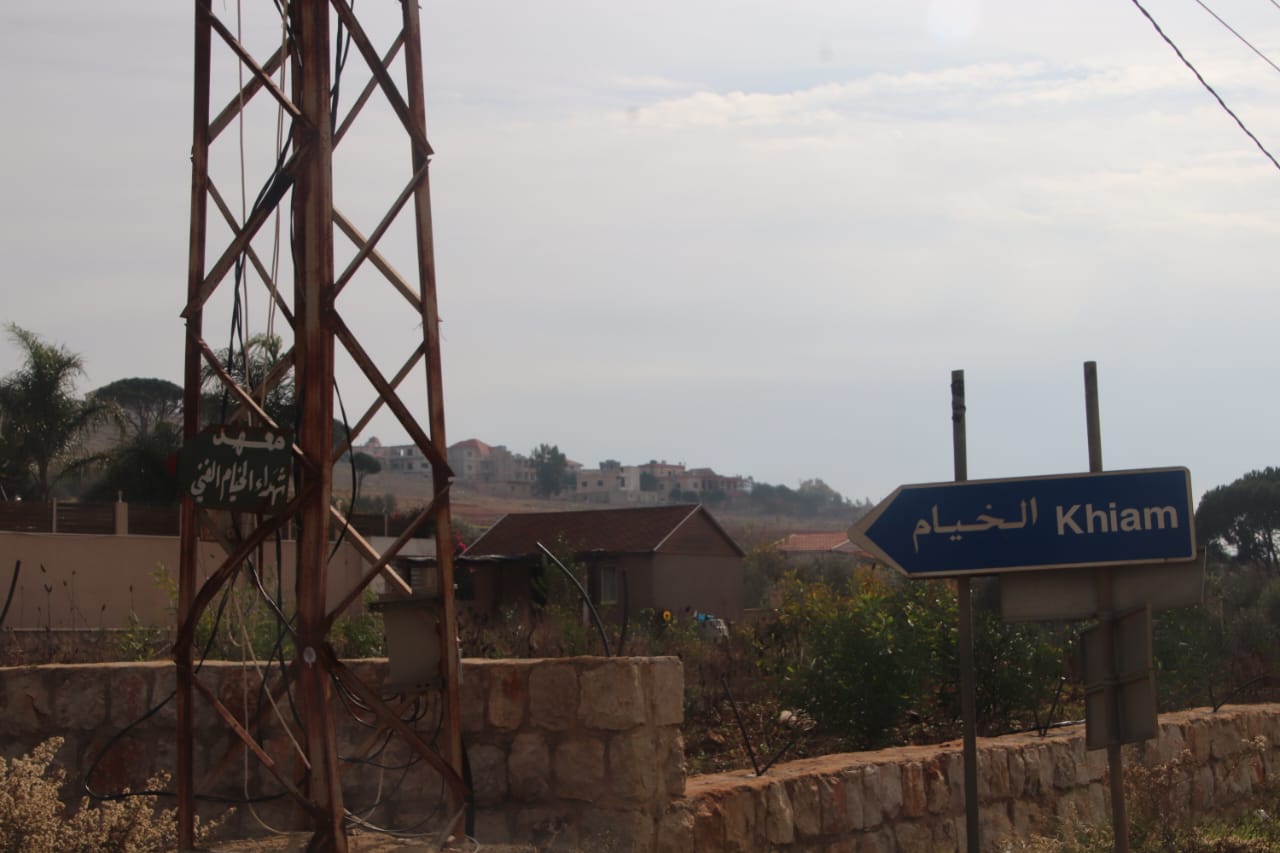
Uncertainty, danger linger in Khiam after Lebanon’s ceasefire
Mohammad Mohammad Abdullah left his hometown of Khiam in southern Lebanon at the end of 2023, when Israeli airstrikes on Lebanon became…
Your support is the only way to ensure independent, progressive journalism survives.
You have a right to access accurate information, be stimulated by innovative and nuanced reporting, and be moved by compelling storytelling. Subscribe now to become part of the growing community of members who help us maintain our editorial independence.
Join us