
US dollar exchange rate touches LE19, expected to reach LE20 by end of year
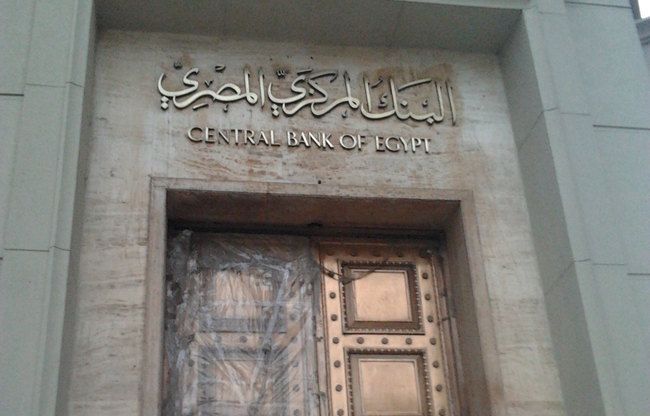
The Central Bank of Egypt’s valuation of the Egyptian pound against the US dollar dropped on Monday to reach LE19 to $1.
The pound is fast approaching its lowest value on record. Over the past two months, its value has decreased by 33-piasters, while the average exchange rate for bank customer transactions reached LE18.91 per $1.
When the local currency was floated for the first time in 2016, alongside a $12 billion IMF program that entailed a raft of liberal policy recommendations, the pound reached its lowest ever value of LE19.5 to $1 in mid-December.
For the following six years, the central bank operated a costly de facto currency peg that kept the pound at around LE16 to the dollar. Yet as foreign currency started to rapidly run out amid increasing global financial instability at the outset of this year, the central bank decided again to float the pound this March.
Further devaluation is anticipated over the coming months. Egypt’s government is in ongoing negotiations with the IMF, which sources have told Mada Masr is likely to demand a full flotation to liberalize the value of the currency.
Importers noted that central bank import restrictions, paired with the decline in the country’s foreign exchange reserves, have raised suspicion that the true value of the currency may be even lower, leading some to calculate the exchange rate at LE22 or LE23 to the dollar.
Ashraf Helal, head of the Electrical Appliances Division at the Cairo Chamber of Commerce, explained to Mada Masr that some importers have resorted to this move as a hedge against future fluctuations in the exchange rate, in order to preserve the value of their fixed capital.
“People say traders are greedy. But the fact is that if a trader buys 100 cartons of any commodity at a dollar price of LE18 today, and the price rises to LE19 tomorrow, they will not be able to preserve their capital when they buy more commodities,” Helal said.
“A trader selling one commodity is the customer for another commodity,” so it is natural for them to increase the prices of the commodities they sell to deal with inflation, he added.
Exchange rate decline is a natural consequence of the decline in foreign currency resources since Russia invaded Ukraine, according to Hani Genena, economist and lecturer at the American University in Cairo.
The central bank is currently trying to mitigate the rapid decline of the pound's value, Genena told Mada Masr, after years of maintaining a near-fixed exchange rate despite facing several global crises, such as the COVID-19 pandemic.
By restricting imports and confronting currency black markets, the government is seeking to keep the decline’s pace moderate while trying to close a deal on a new IMF loan that should enhance the value of the pound — even if temporarily — until the Russian-Ukrainian war ends. The government's usual sources of hard currency, such as tourism and trade, are back to normal.
Remittances from Egyptians working abroad, another source of foreign currency, declined by 23 percent over recent months, dropping from $3.1 billion in April to $2.4 billion in May.
Yet foreign direct investment has more than supplied the drop in remittances, increasing in the first quarter of this year to $4 billion, almost three times the $1.4 billion brought in during the same period last year, with US dollar reinforcements flowing into Egypt from the UAE, which acquired state-owned assets in five Egyptian companies in April.
Genena expects the pound to continue declining against the dollar to record LE20 per $1 by the end of the year, but the direction the currency takes after that depends on the course of the global economy. “If the war ends and the economy returns to growth, it is very possible for the rate to return to LE19, similar to what happened in December 2016 after the flotation,” he said.
More negative predictions came from research company Capital Economics, which anticipated on Monday that the pound would reach LE25 per $1 by the end of 2024 — the same rate the government predicted in the case of full exchange rate liberalization.
Writing by Ahmed Bakr.
أخبار ذات صلة
Egyptian pound drops to LE47.9 against the dollar
The value of the Egyptian pound has declined steadily against the US dollar in recent days, reaching LE47.95 on Tuesday from LE…
Dollar price falls in parallel markets relieving pressure on consumers but causing uncertainty for businesspeople, traders
The Egyptian pound has rallied on parallel markets over recent days, after reaching an all-time low last week at an exchange value…
Capital Intelligence downgrades Egypt’s credit score, citing delays in privatization, exchange rate liberalization
Credit rating agency Capital Intelligence downgraded Egypt’s long-term sovereign debt rating from B+ to B, citing delays in implementing structural reforms recommended…
Moody’s extends Egypt’s credit review for 3 months
Citing an attempt to “balance” government progress with concerns about Egypt’s foreign currency inflows, Moody's Investors Service extended its review of Egypt's…
Your support is the only way to ensure independent, progressive journalism survives.
You have a right to access accurate information, be stimulated by innovative and nuanced reporting, and be moved by compelling storytelling. Subscribe now to become part of the growing community of members who help us maintain our editorial independence.
Join us