
Update: Doctors Syndicate requests enquiry into alleged swine flu cases

The Doctors syndicate has requested an enquiry into the suspicious deaths of four doctors, which some speculate are linked to another swine flu outbreak in Egypt.
The World Health Organization denied in a statement the death of four Egyptian doctors from the swine flu virus, state-run Middle East News Agency reported on Tuesday.
According to the WHO's statistics, there are 162 registered cases of swine flu infection, of which 16 have died since the start of the winter.
News of the death of four Egyptian doctors circulated in local media on Tuesday, with reports that the case caused a feud between the Ministry of Health and the Doctors Syndicate. The Syndicate reportedly attributed the doctors' deaths to the H1N1 infection, a claim which the ministry denied.
Privately owned Al-Masry Al-Youm cited on Tuesday Nasr Tantawi, an advisor to the WHO and a preventative care medic, as saying that four medics died of swine flu. However, a Ministry of Health spokesperson, Ahmed Kamel, denied the deaths, claiming that medics working in fever hospitals across the country received a swine flu vaccination.
Speaking at a press conference at the Doctors Syndicate on Tuesday, ahead of a nationwide partial strike planned for tomorrow, Dr. Mona Mina, General Secretary of the Syndicate, mentioned that the Health Ministry’s preventative measures are a mockery of doctors’ rights.
Amongst the chief demands of the doctors’ strike are: improved salaries (including augmented health-hazard compensations) and safer hospital conditions – for both doctors and patients.
Mina went on to add that the Health Ministry’s compensations for infectious illnesses and contagious health hazards range from a mere LE 19 to LE 30 (around $US 3 to 5) per month – while, on the other hand, the Ministry of Justice provides its judges with monthly compensations for infectious illnesses, which are several times higher than those allocated to doctors.
Ongoing accusations have been levelled by the Doctors Syndicate against the Health Ministry for downplaying the proliferation of the disease, but also ignoring infectious hazards that doctors are exposed to. The death of the doctors has also led fellow medics to complain of poor hygiene in public hospitals.
Mina called on the Health Ministry to establish a specialized fact-finding mission to determine the exact illness or virus behind the deaths of four doctors, and the contagion of several others.
A banner hanging outside the headquarters of the Doctors Syndicate in Cairo bears the image of one of the physicians who succumbed to a fatal respiratory illness. Dr. Ahmed Abdel Latif, who died after contracting a fatal respiratory illness at Banha Hospital last month. The banner reads: “Martyr of professional duty.”
The exact illness or virus responsible for Abdel Latif’s death is not known for certain — as is the case with at least three other doctors who are reported to have succumbed to acute respiratory illnesses.
The Doctors Syndicate has called for several partial strikes during the month of February in response to government neglect, as the syndicate lamented the inadequate compensations for medics in the midst of increasing infections among doctors.
The government's chilled reaction, as described by medics, contrasts with a more aggressive reaction back in 2009, when the swine flu outbreak began and Egypt quickly ordered the official extermination of all pigs.
Mina advised people to avoid enclosed spaces in cases where flu infections are reported, and to seek medical attention for those displaying symptoms of high body temperatures and coughing, commonly associated with the flu.

أخبار ذات صلة
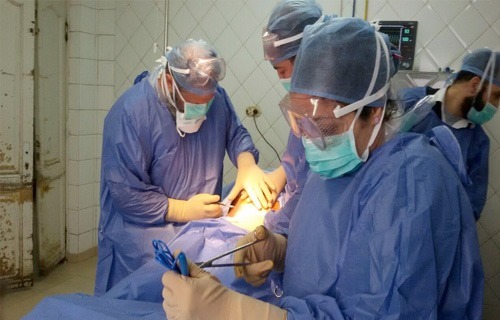
‘It doesn’t even cover transport,’ Medical interns demand higher stipends
Medical interns are calling for an increase in the monthly training stipends they receive during the obligatory two-year internships they undertake at…
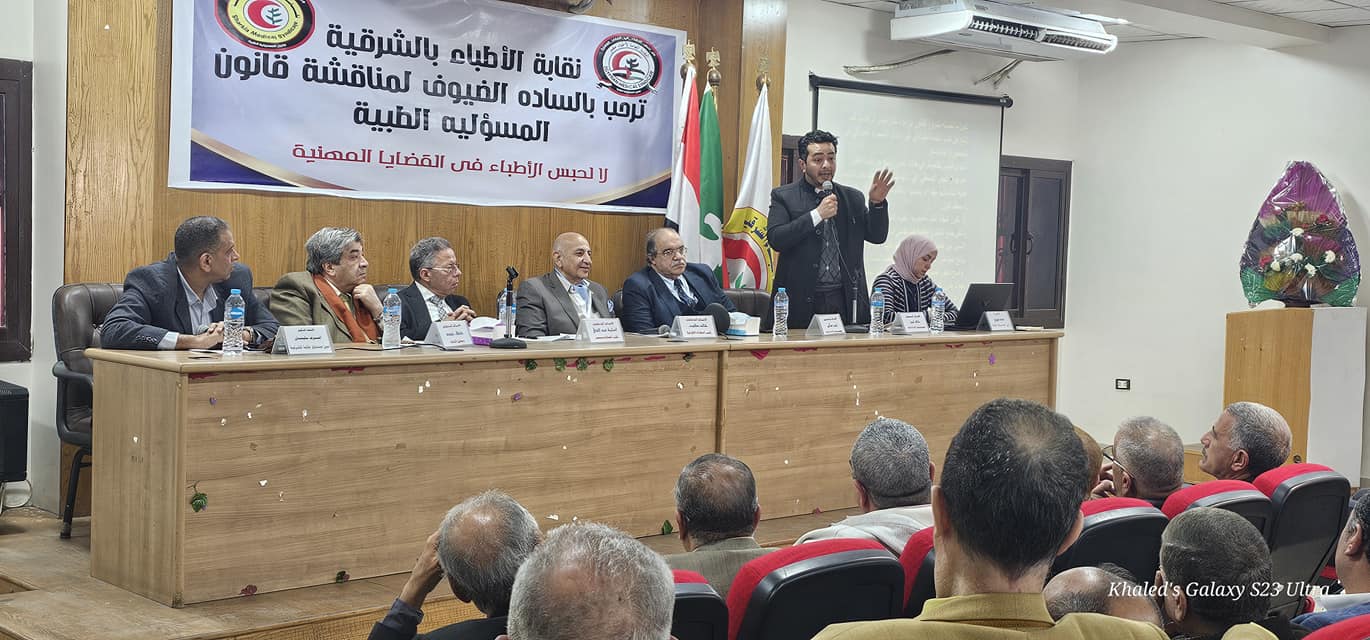
Doctors say new law would criminalize reasonable medical error, call on politicians to intervene
A new bill that would alter the legal approach to medical malpractice is causing a stir among doctors. If passed, the bill…

Deterred from official healthcare, 26-yr-old dies after sex reassignment surgery
The committee that approves gender reassignment surgeries has not met in years

Lawmakers, their families receive privileged vaccine access ahead of priority groups
The prime minister ordered the Health Ministry to begin vaccinating MPs on April 11
Your support is the only way to ensure independent, progressive journalism survives.
You have a right to access accurate information, be stimulated by innovative and nuanced reporting, and be moved by compelling storytelling. Subscribe now to become part of the growing community of members who help us maintain our editorial independence.
Join us