
‘It doesn’t even cover transport,’ Medical interns demand higher stipends
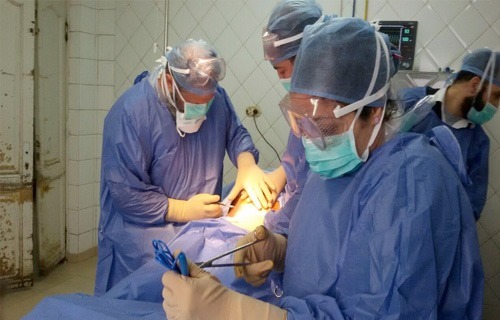
Medical interns are calling for an increase in the monthly training stipends they receive during the obligatory two-year internships they undertake at medical faculties.
The current amount is insufficient amid rising economic pressures, according to a statement they published on Sunday.
Khaled Amin, a member of the Doctors Syndicate board, told Mada Masr that the syndicate raised this issue with relevant government authorities last year and again this year but has not received an official response so far.
This time, the interns have taken matters into their own hands, forming a group to file complaints to the authorities, according to a medical intern who spoke to Mada Masr on condition of anonymity.
The statement, published on a Facebook page the interns created this week, demands that the stipend be raised to the equivalent of 80 percent of a resident doctor’s salary in line with the law regulating medical professions (Law 153/2019) and to ensure fairness among doctors.
It also calls for medical interns to be granted a hazard allowance similar to that paid out to residents, given they face comparable risks at work.
“University hospital emergency rooms rely primarily on interns,” the intern told Mada Masr. “If there are 12 or 13 beds in the ER, you’ll find just one resident and five or six interns. Legally, interns are supposed to be observers, but, in reality, they’re the ones doing everything.”
The workload varies across universities, the intern said, “but at some departments in Qasr al-Ainy Teaching Hospital, for example, an intern may work full eight-hour shifts up to five days a week, with some shifts lasting 12 or even up to 24 hours, depending on the department and its needs.”
The 2019 law stipulated that medical interns receive a government stipend set at 80 percent of a resident doctor’s salary. “At the time, resident doctors were earning just over LE3,000, so the intern stipend was around LE2,600,” the intern said.
With inflation, currency devaluation and subsequent presidential decisions to raise the minimum wage, resident doctors’ salaries have increased to around LE7,500.
Yet, in 2023, law 18 capped the intern stipend at LE2,800 per month, instead of having it rise in proportion to the resident doctors’ salaries.
Still, in action, the stipend can vary in value across universities and different specializations. The interns’ statement noted that, in 2024, Cairo University’s dental interns received a stipend of around LE5,500 — close to 80 percent of a resident doctor’s salary. The intern pointed out that this disparity was a key driver behind the demand for a standardized legal increase.
Beyond its declining official value, the stipend is subject to tax and social insurance deductions, the intern said. Some universities also disburse the stipend every three months instead of monthly.
On top of stipend deductions, interns are required to rotate every six months between their university hospital and another, according to the intern, who added that this often entails paying fees to the second university.
“The current stipend doesn’t even cover transportation costs, especially now that the internship period has been extended to two years instead of one, which adds financial pressure on students and their families,” the intern said.
The 2023 cohort was the first to do internships for a two-year period, Amin said, following a government decision to restructure medical education to include five years of study and two years of internship.
The interns’ movement, which began on Sunday, involved filing complaints with the Cabinet’s unified complaint system, Al-Azhar’s grievance office and Parliament to demand a stipend increase, the intern said. The 2023 law that fixed the stipend leaves any potential raise to the discretion of the Al-Azhar grand imam or the higher education minister, who must then submit the decision to the prime minister for approval.
The intern added that students have also reached out to several members of Parliament, who have promised to support their demands.
The step isn’t the first attempt to address the issue over recent years. Amin said that the Doctors Syndicate had submitted the interns’ demands to the Higher Education Ministry, the Cabinet and Al-Azhar twice in the past two years, but that none of the institutions issued an official response. Instead, they have offered only verbal assurances that the matter would be considered.
With the renewed push, the syndicate plans to resubmit the demands, Amin said, criticizing the stagnation of intern stipends over the past five years. “An intern spends 24 hours in the hospital, performing medical procedures while also receiving training. This is someone who is supposed to focus on their education and training, not be forced to take on outside jobs just to cover their expenses. At the very least, the stipend should match the new minimum wage of LE7,000 set by the President,” he said.
أخبار ذات صلة
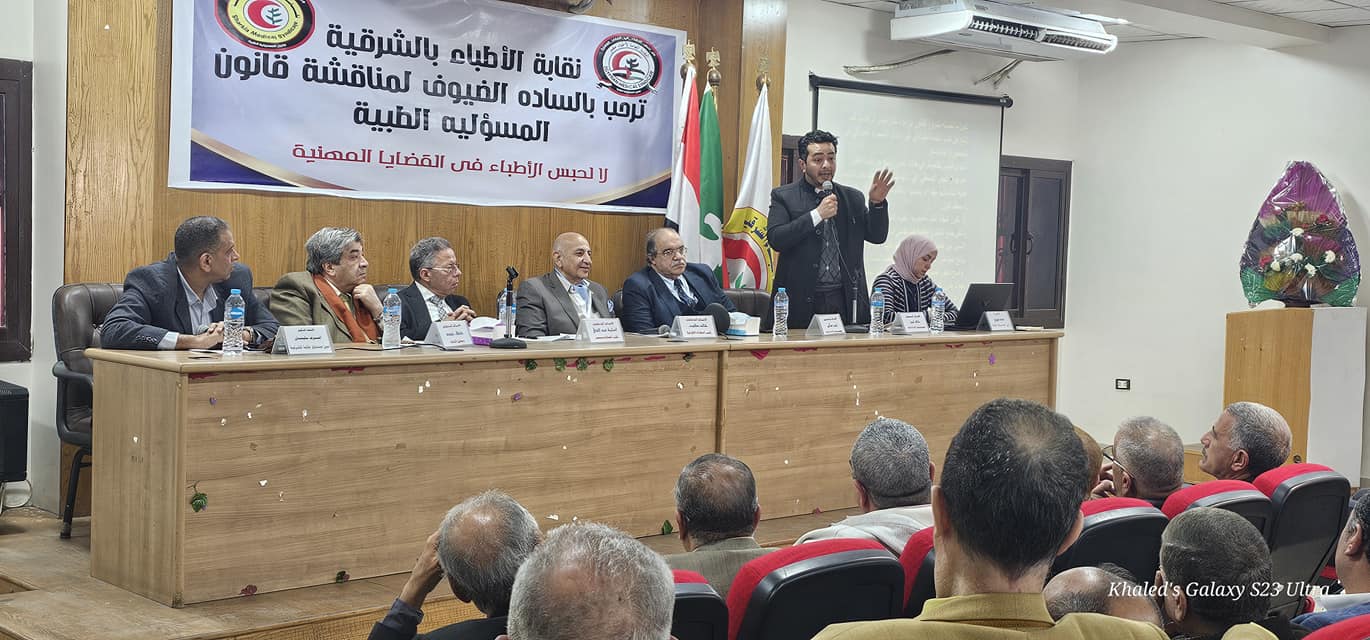
Doctors say new law would criminalize reasonable medical error, call on politicians to intervene
A new bill that would alter the legal approach to medical malpractice is causing a stir among doctors. If passed, the bill…
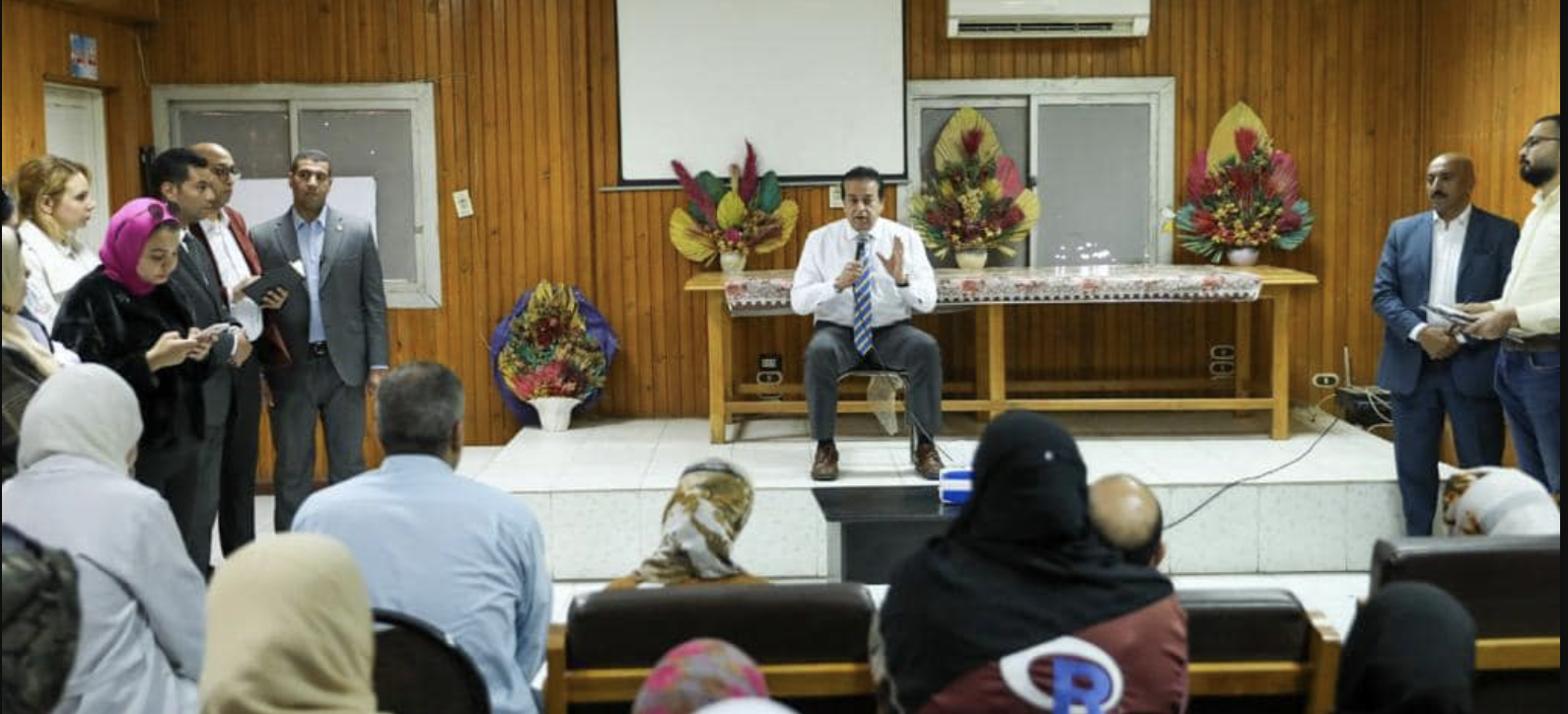
Military prosecution investigates officer involved in assault on Monufiya hospital staff
"I fell to the floor and he continued to kick at me, bruising my entire body"

Court fines Al-Bawaba News owner over LE3 mn for underpaying journalists
Abdel Rahim Ali, the owner of Al-Bawaba News, was found guilty of failing to meet the minimum wage threshold for journalists at…
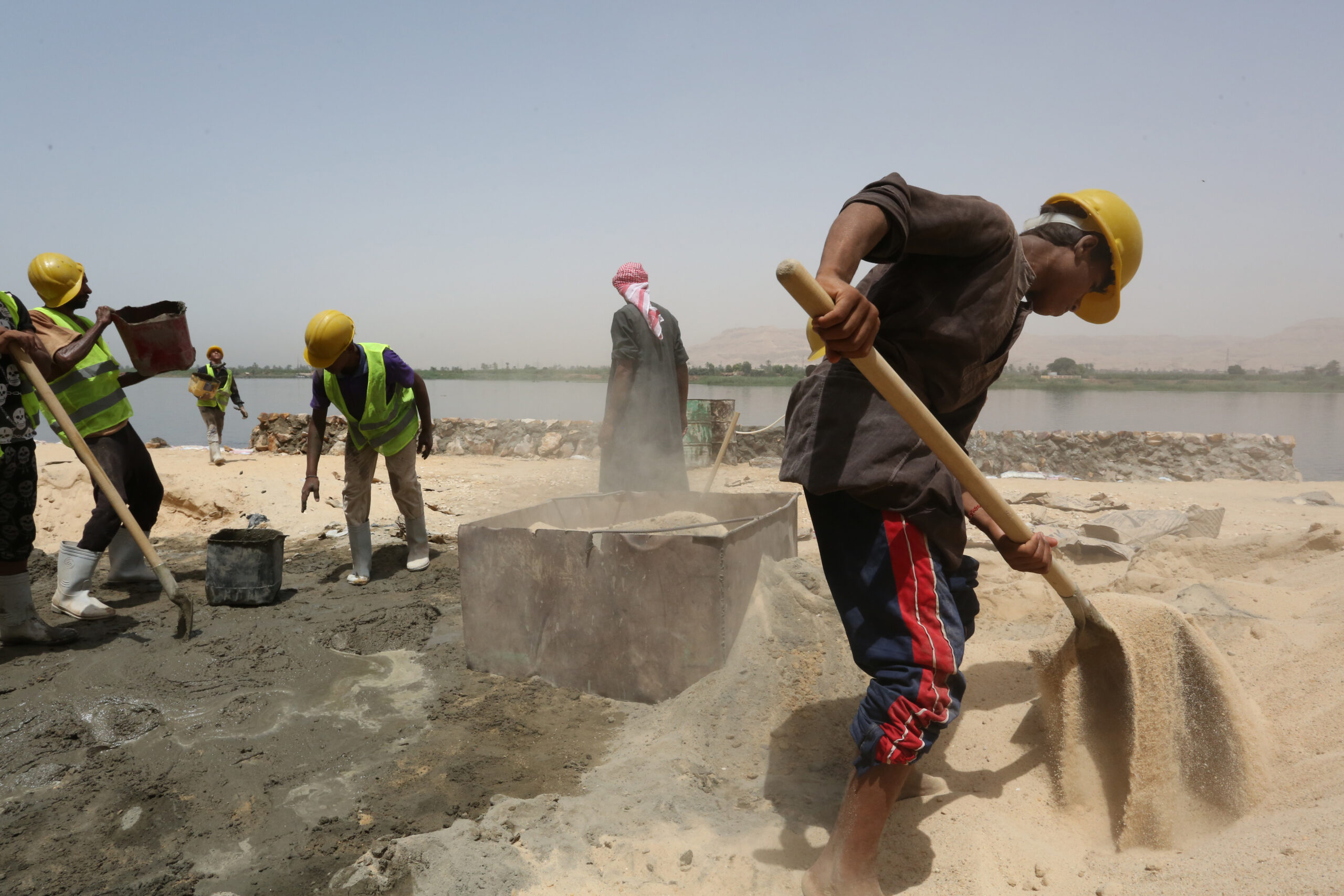
Egypt’s 1st hourly minimum wage: An ‘announcement to global markets that our labor is cheap’
Sources express fear that the decision will formalize and entrench an already precarious situation
Your support is the only way to ensure independent, progressive journalism survives.
You have a right to access accurate information, be stimulated by innovative and nuanced reporting, and be moved by compelling storytelling. Subscribe now to become part of the growing community of members who help us maintain our editorial independence.
Join us