
Update: Attempting to flee Libya, 17 Egyptians killed while waiting at Tunisian border
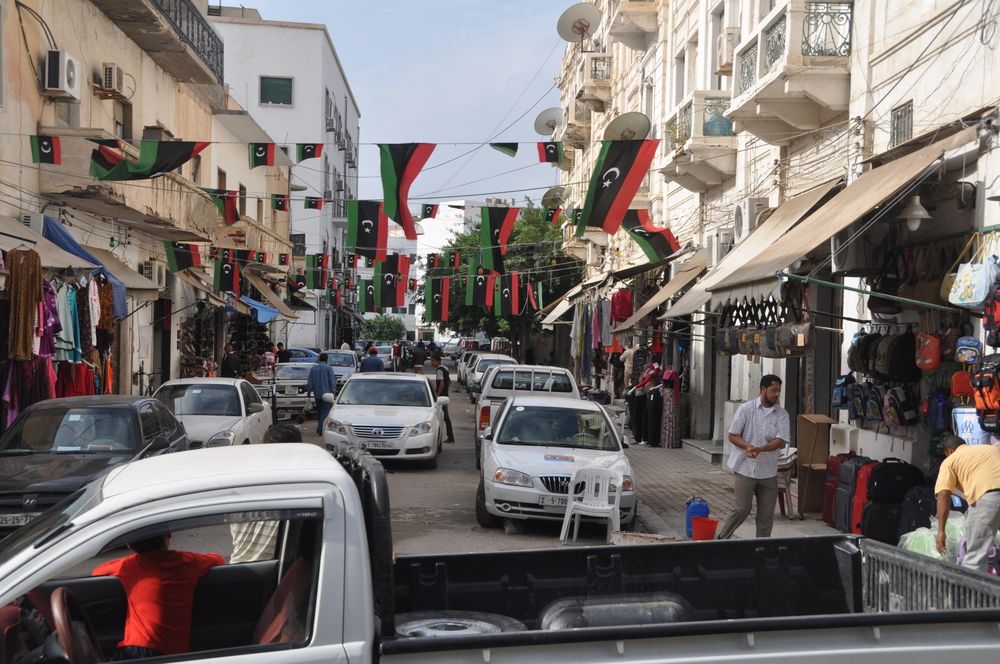
Armed assailants killed 15 Egyptians in Libya on Thursday as they waited to cross through the Ras Jadeer border crossing into Tunisia, reported the privately owned newspaper Al-Masry Al-Youm (AMAY).
Anonymous sources said the attackers were targeting Libyans attempting to hide among the thousands of Egyptian expatriates attempting to flee the country, according to AMAY.
Two other Egyptians died at the crossing on Thursday, reportedly due to overcrowding when some 15,000 Egyptian citizens tried to cross the border between the hours of 7 am and 2:30 pm. However, Tunisian media claimed the Egyptians were shot dead by Libyan security forces when they attempted to cross the border by force, reported the state-owned EgyNews site.
Earlier in the day, the privately owned Al-Shorouk newspaper reported that Egyptian families stranded at the Ras Jadeer border crossing are pleading for the Egyptian authorities to rescue them.
At least 4,000 Egyptians were stuck at the border after they attempted to flee strife-roiled Tripoli, according to a family member who called Al-Shorouk to relay their plea for help. Tripoli is immersed in a violent conflict between Islamist militias and rival groups, which has resulted in the airport closing to most commercial airliners.
The migrants said most of their property was stolen in the fighting, and they were repeatedly attacked by rebel groups as they attempted to flee Libya, Al-Shorouk reported. Some members of their group had been injured or killed in the assaults, they claimed.
Egypt’s Ministry of Foreign Affairs issued a statement on Wednesday assuring that the government was following up on the status of Egyptians currently in Libya, and was coordinating its efforts with the “Tunisian and Libyan authorities.”
The ministry is continuously monitoring the increasing numbers of Egyptians at the Libyan-Tunisian border, the statement said, and had also increased the number of consular staff at the borders to aid Egyptians there.
The Egyptian Embassy in Libya has been closed since five of its staff members were kidnapped in January 2014. No news regarding the hostages has been released.
Egyptians living and working in Libya say they are frequently the target of violent acts and have lamented the lack of state support during the crisis.
While some of these incidents appear political in nature — some claim they are acts of revenge carried out by Islamist brigades in retaliation against the Egyptian military’s ouster of the Muslim Brotherhood from power — other violent actions are likely the casualties of Libya’s ongoing political turmoil.
Nizar Sarieldin, an Egyptian freelance journalist based in Tripoli since 2013, told Mada Masr that his contacts in Libyan Islamist militias had informed him that the situation would worsen in July.
“They told me, ‘you don’t know that Ramadan is the month of jihad?’” Sarieldin said.
Though Islamist militias have accused Egypt, Saudi Arabia and the United Arab Emirates of stymieing the Islamist project in the region, Sarieldin says many of the violent acts committed against Egyptians in Libya may not have been intentional.
“Egyptians are the largest migrant group in Libya,” Sarieldin explained, adding that he has no evidence they are intentionally targeted.
For example, many Egyptians were hit by recent shelling around the Tripoli airport, as many of them work construction in that area, he said.
Last week, 23 Egyptian workers were allegedly killed by a grad rocket attack that struck their home in Tripoli’s Karimiya area, according to media reports. Libya has refuted the reports, while Egypt says it is still trying to verify the news.
Other Egyptians in Libya have been killed in tribal conflicts or have been the targets of sectarian violence. In February, seven Egyptian Christians were shot dead by unknown assailants in Benghazi.
Egyptians have also been targeted by criminal groups who kidnap them for ransom.
“As non-Libyans with very few rights, Egyptians are good prey for armed gangs, especially between cities,” Sarieldin noted, adding that it has become particularly difficult to flee Tripoli recently due to the lack of fuel and the danger of armed gangs patrolling the roads.
The kidnapping of Egyptians is a phenomenon that preceded the Libyan revolution that led to former President Muammar Qadhafi's ouster. Even prior to 2011, armed gangs often targeted Egyptian migrants arriving from the border and kidnapped them for ransom.
An estimated 200,000 Egyptians currently work in Libya, a steep decline from the estimated 2 million Egyptian migrants living in that country prior to the revolution.
Tunisian Foreign Minister Mongy al-Hamedy has threatened to close the Tunisian border crossing to Libya, fearing that the country is not able to receive the rapidly rising influx of refugees fleeing the conflict. Tunisian government sources say 6,000 people try to cross the border each day.
However, Hamedy said he was ready to assist Egyptians and Jordanians escaping from Libya by granting them passage to their home countries via the Djerba and Qabes airports in southern Tunisia.
On Tuesday, an EgyptAir flight departing from the Djerba airport brought some of those Egyptian migrants back into the country, reported the state-owned Middle East News Agency.
Fighting in Benghazi was recently brought to a head when a coalition of Islamist militias overran a major military base headed by Khalifa Haftar, a rogue general who launched an unsanctioned military offensive against militias in Benghazi with the support of some federalist troops.
Haftar is rumored to have left the country. The London-based Al-Hayat newspaper reported that he fled to Egypt with his family for the Eid holidays.

أخبار ذات صلة
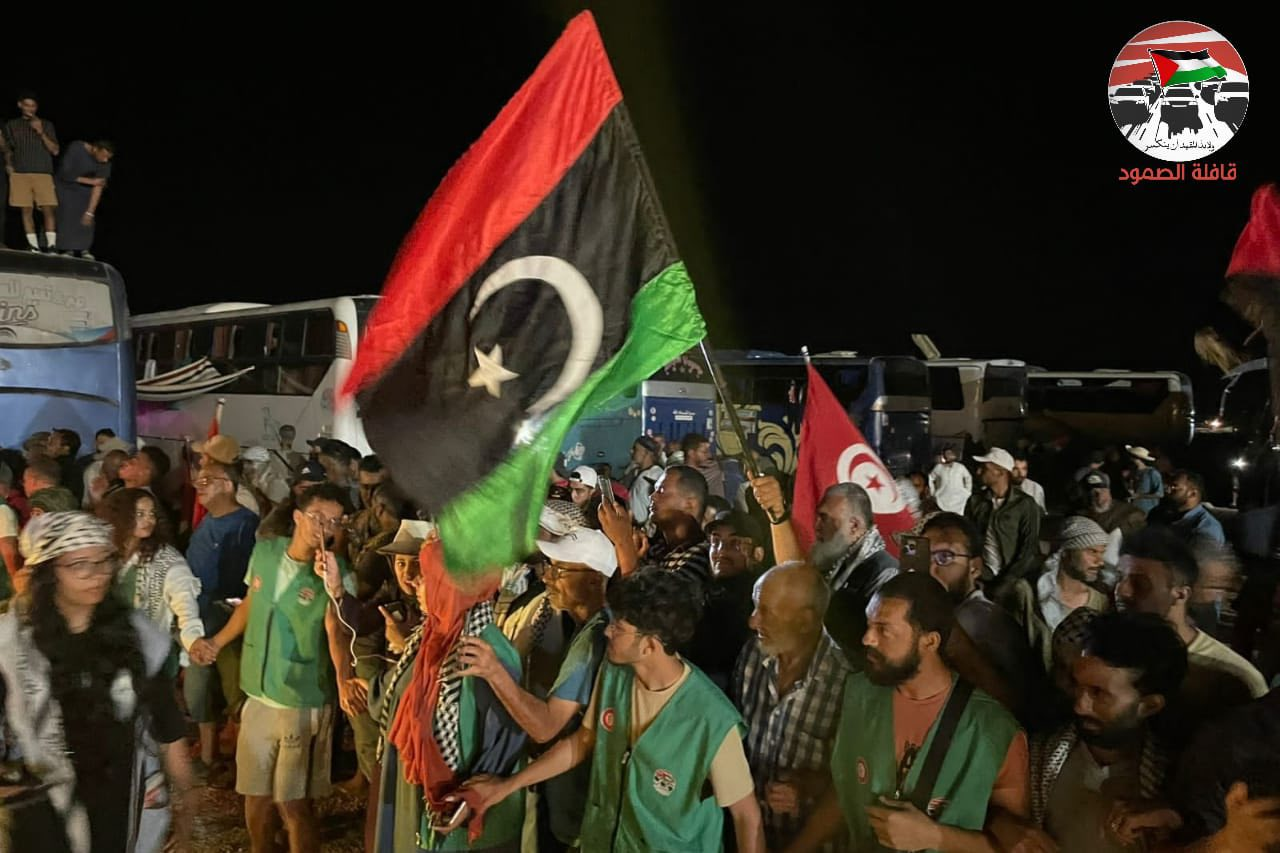
Sumud caravan to Gaza suspends operations after Cairo, LNA block movement
Egypt, the eastern Libyan government official told Mada Masr, was keen to avoid potential embarrassm
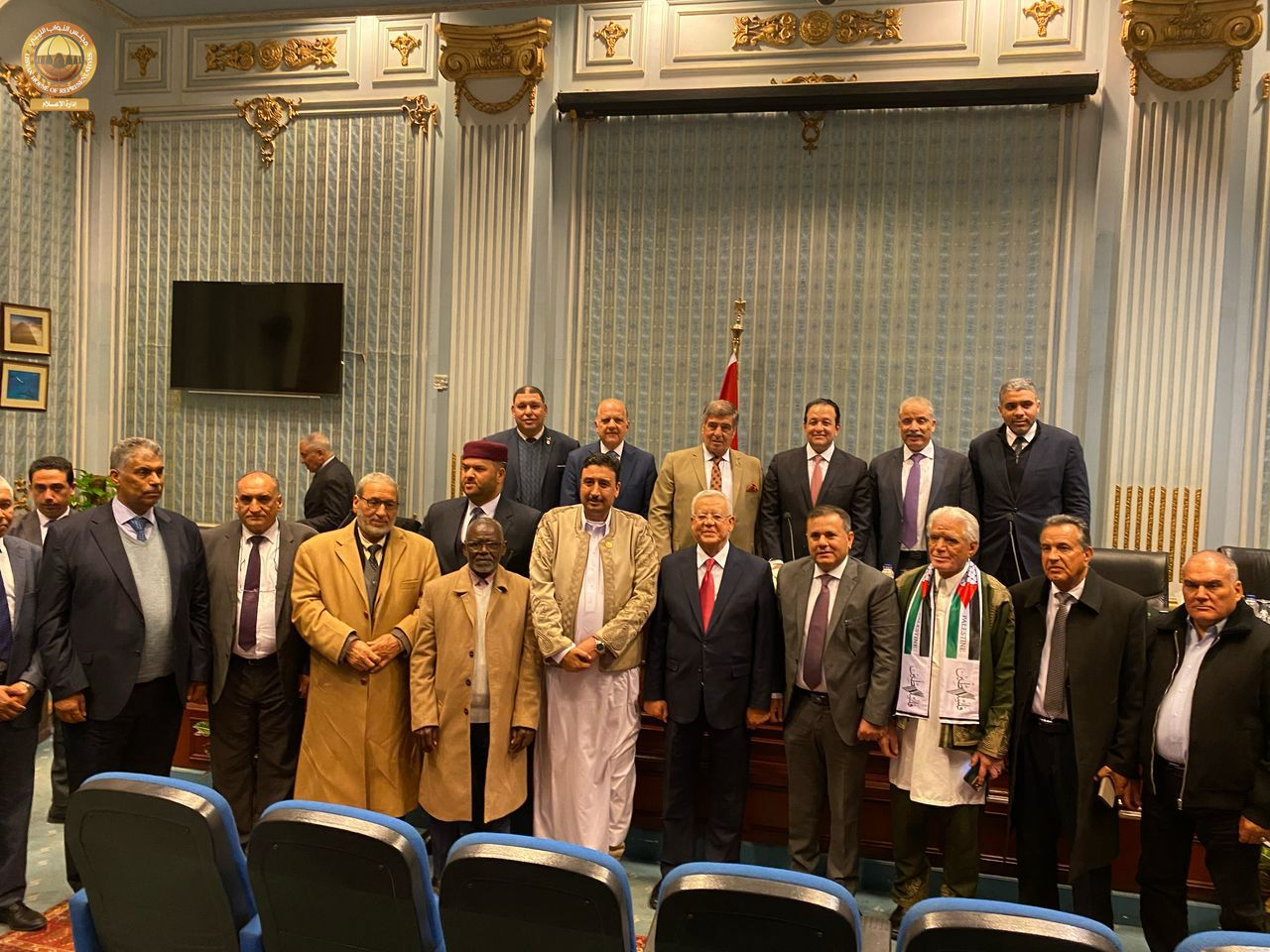
Analysts: Egypt aids obstructionist efforts of Libyan legislatures to stall UN-led political process
The political process to determine Libya’s future should be the “exclusive ownership” of Libyan official institutions, members of the country’s two legislative bodies declared Tuesday at the conclusion of two…
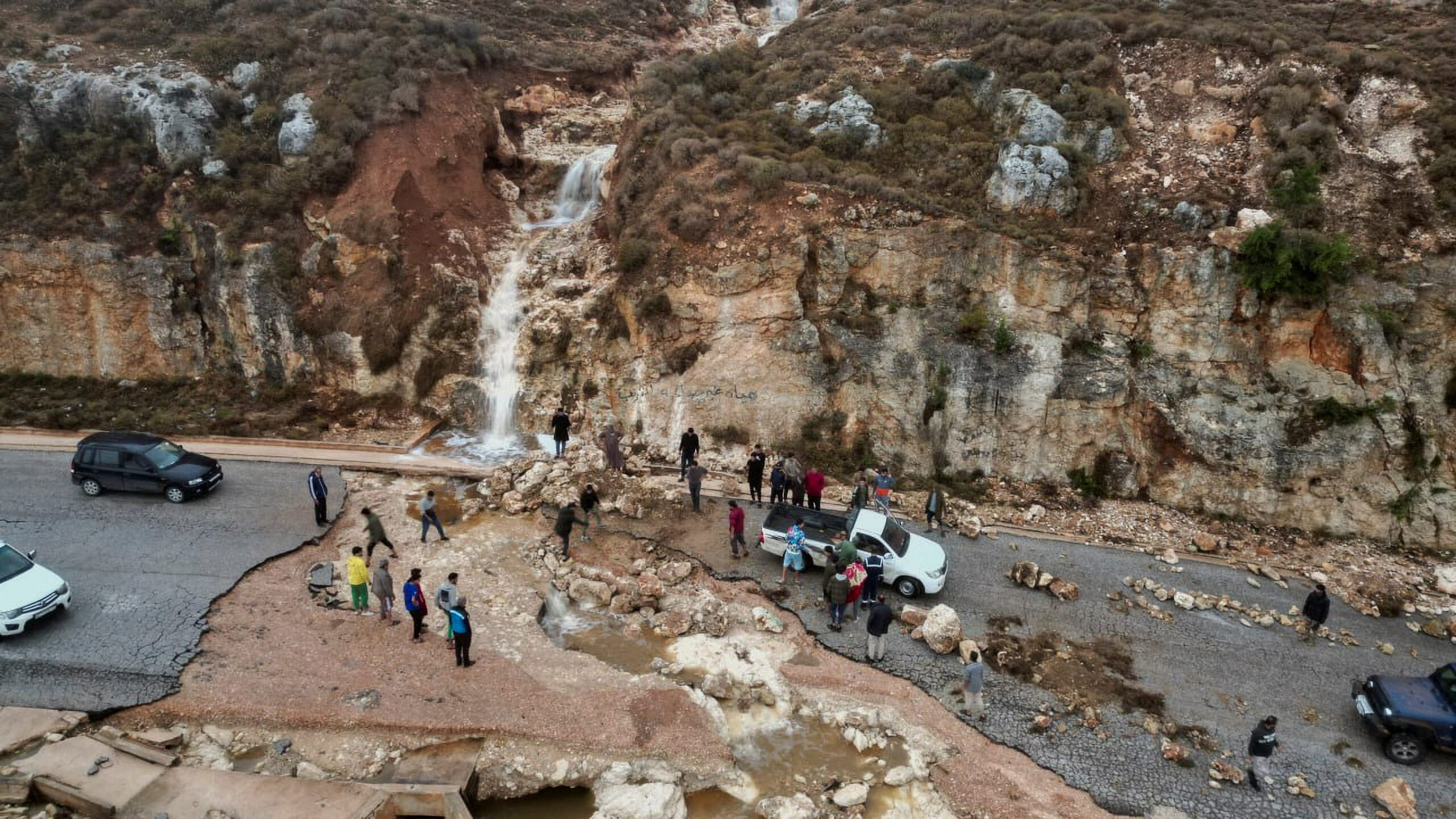
Libyan officials say death toll now at 6,000 in country’s east following devastating floods
The death toll is expected to rise rapidly as recovery operations continue

Greek migrant boat tragedy: What do we know so far?
Many of the passengers went through a hostage-like situation in Libya, their families told Mada Masr
Your support is the only way to ensure independent, progressive journalism survives.
You have a right to access accurate information, be stimulated by innovative and nuanced reporting, and be moved by compelling storytelling. Subscribe now to become part of the growing community of members who help us maintain our editorial independence.
Join us