
Tunisian president says there will be no intervention in Egyptian affairs
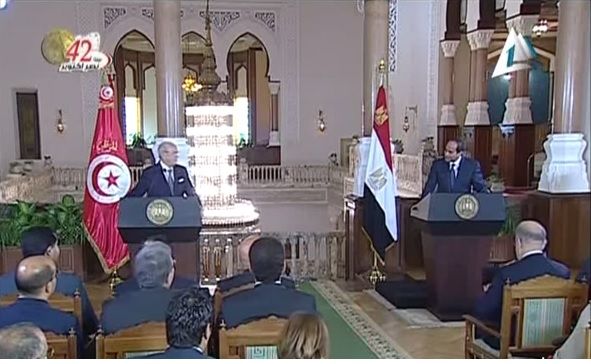
On his first official visit to Egypt, Tunisian President Beji Caid Essebsi called for an increase in bilateral cooperation and stated that Tunisia does not believe in intervening in the affairs of other nations.
“This should be the case with all countries, in order to avoid problems and quarrels,” he asserted.
Essebsi arrived in Cairo on Sunday for a two-day visit with President Abdel Fattah al-Sisi.
Counterterrorism was the main subject of Sisi’s address, during an initial joint press conference at Ettehadiya Presidential Palace on Sunday afternoon.
Sisi asserted that regional challenges have become amplified in the last few years as a result of various conflicts in a number of Arab nations, and because of attempts by certain parties to “drag the region to a dangerous place.”
Essebsi said during the press conference, “I met Sisi on several occasions and took note of his genuine nationalism and open mind towards understanding the situation in other countries, and not adhering to the opinions of others.”
Both presidents discussed the situation in Palestine, Libya and Syria, adding that the Palestinian cause would always be a top priority for both nations.
Essebsi said he came to Egypt with an open mind, as the last Tunisian president visited half a century ago. “Our bilateral relations don’t deserve that,” he stated.
Yet, Interim Tunisian President Moncef al-Marzouki met with President Mohamed Morsi in Cairo in 2012. Marzouki was elected by Tunisia’s Constituent Assembly and was in office from 2011 to 2014.
Marzouki expressed concern over Morsi’s ouster and lamented the assumption of power by Egypt’s Armed Forces, putting a strain on Egyptian-Tunisian relations.

أخبار ذات صلة
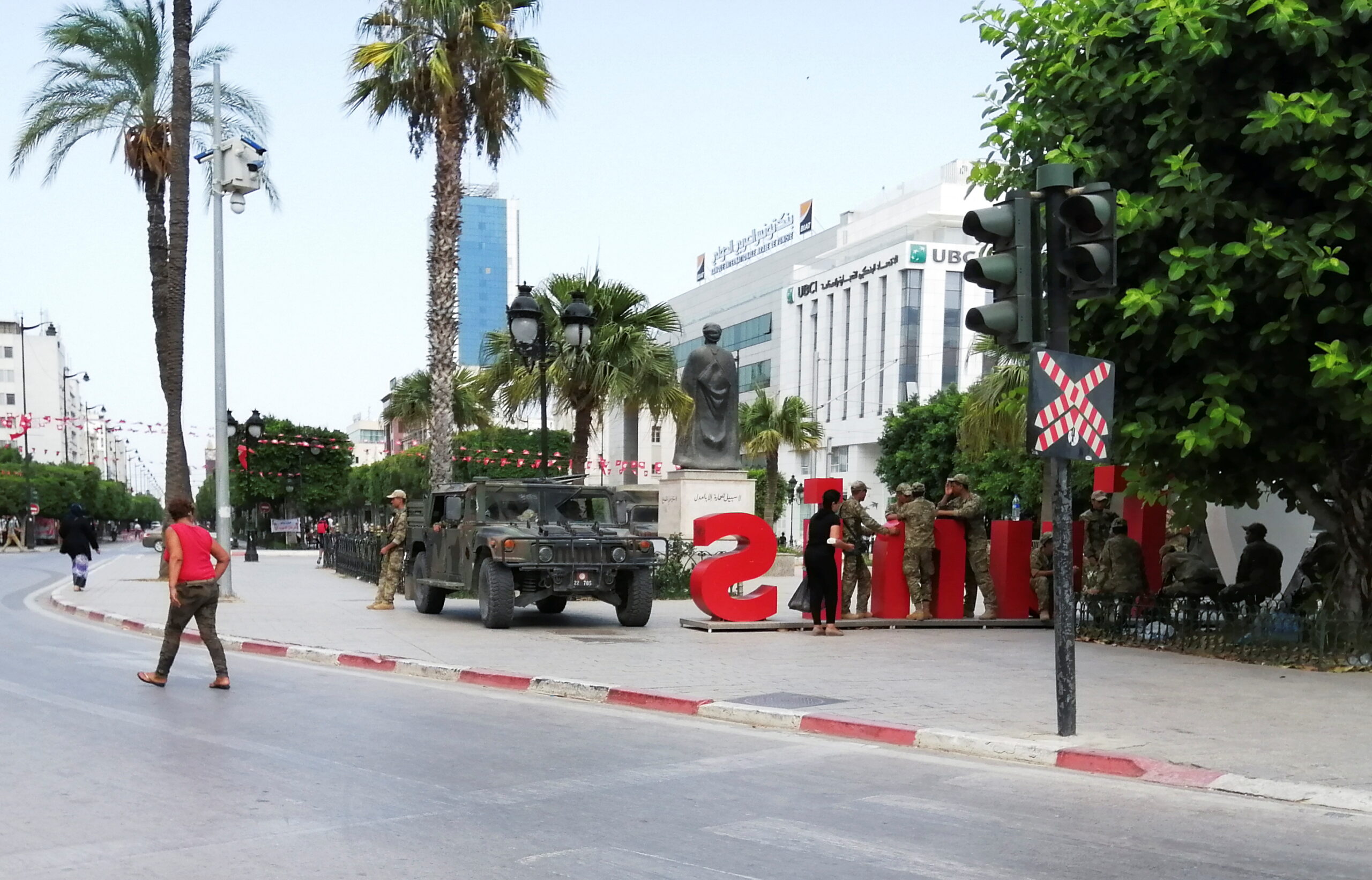
Q&A on the crisis in Tunisia
We spoke on Monday with Thameur Mekki, chief editor of Nawaat, an independent Tunisian media outlet.
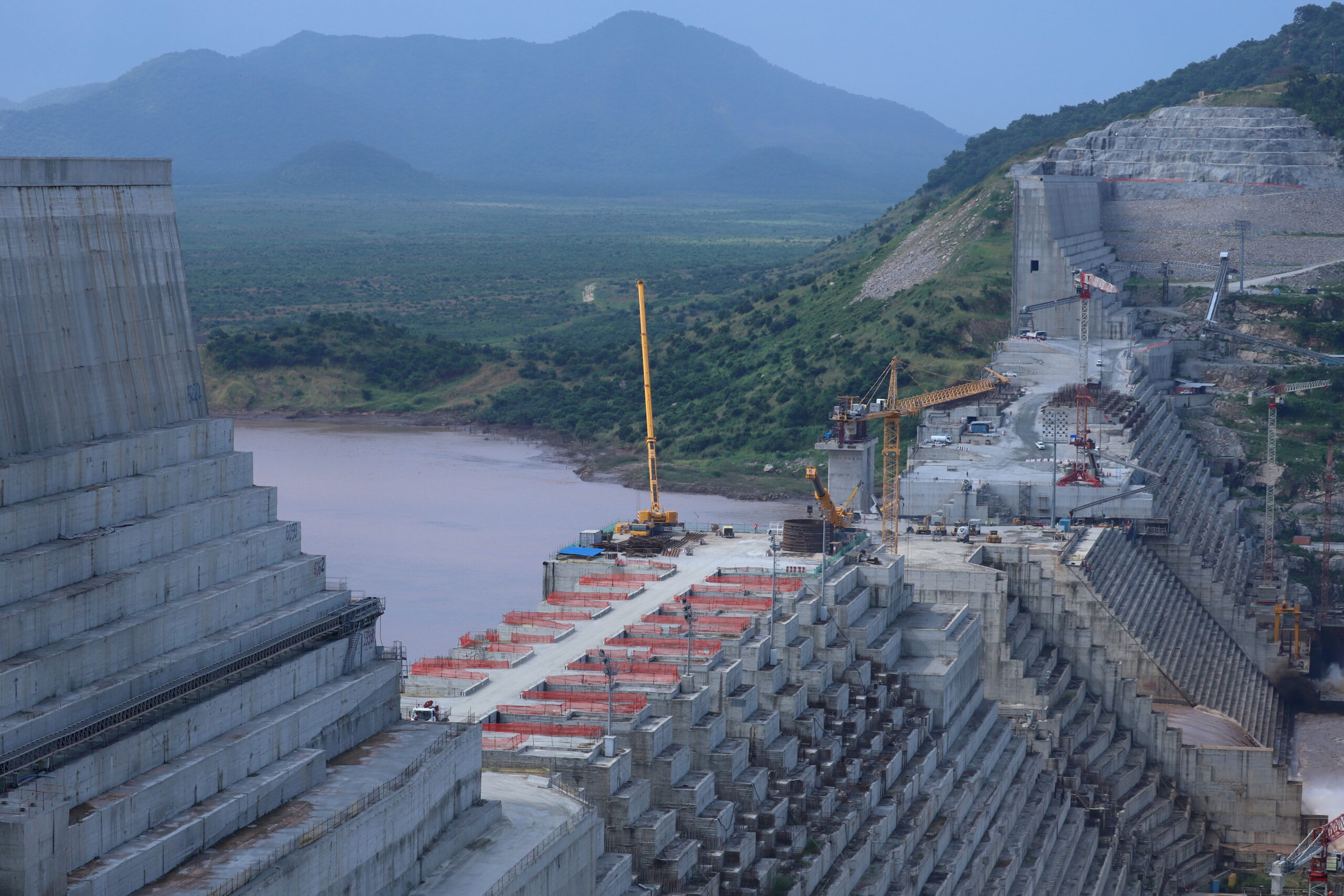
Despite Egyptian-Sudanese diplomatic blitz, low expectations ahead of Security Council meeting on GERD
An alternative to the resolution is a statement from the president of the Security Council.
Faced with displacement, unfilled promises, relentless clashes, Bir al-Abd villages live in the unknown
An official statement never materialized from the North Sinai Governorate nor the military spox.
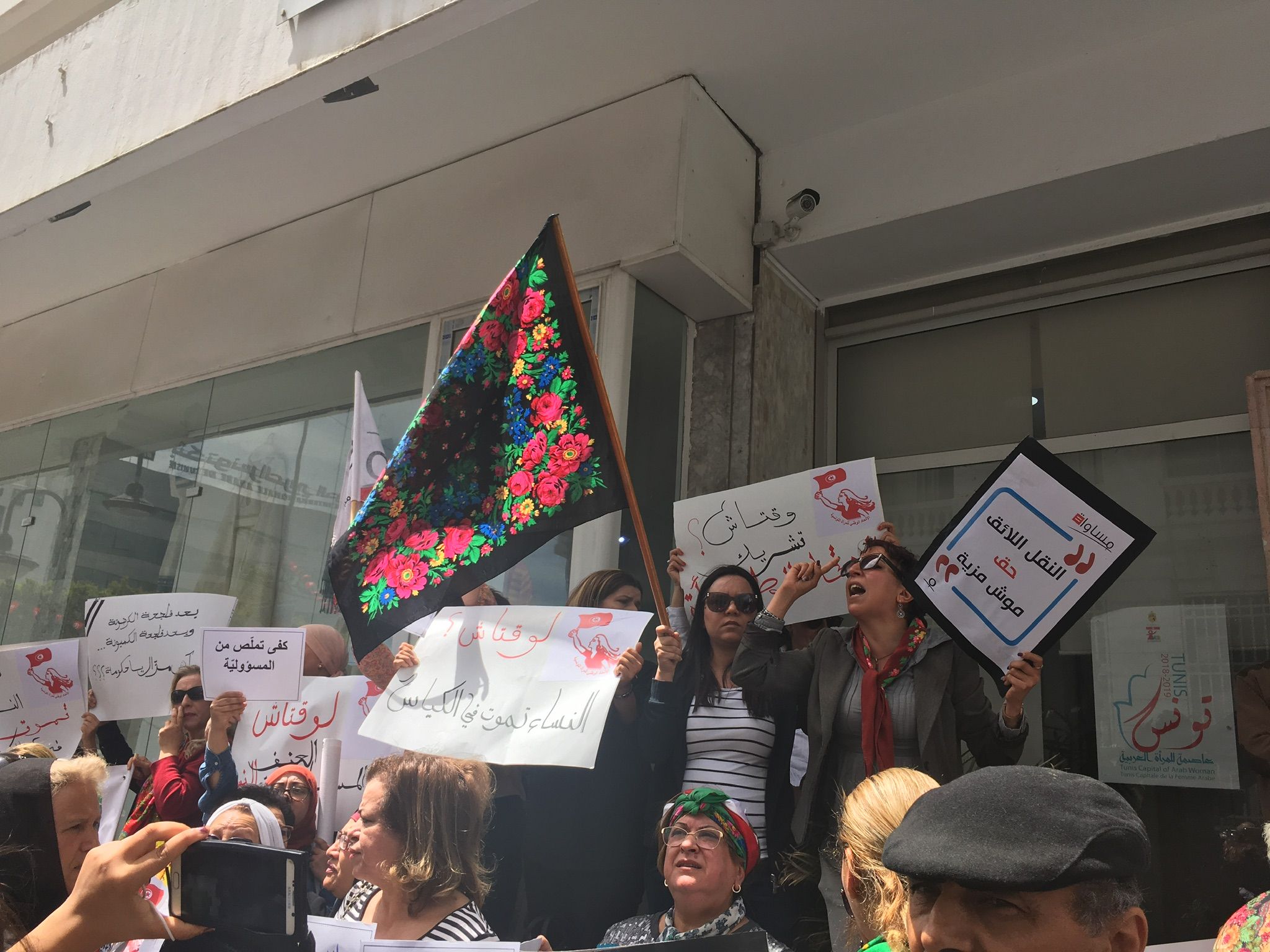
Gendered Labor and Structural Violence: The case of women farmworkers in Tunisia
The deaths sparked a national outcry in a country often thought of as a pioneer in women’s rights.
Your support is the only way to ensure independent, progressive journalism survives.
You have a right to access accurate information, be stimulated by innovative and nuanced reporting, and be moved by compelling storytelling. Subscribe now to become part of the growing community of members who help us maintain our editorial independence.
Join us