
Traffickers torture for profit

Rape, burning and mutilation are frequently employed by human traffickers attempting to exact ransoms from victims’ families, a new harrowing report by Human Rights Watch revealed.
In compiling the report, researchers spoke to both victims of trafficking and traffickers, detailing how victims are kidnapped, sold and tortured, before they are rescued, manage to escape, are released after their families pay exorbitant ransoms, or they die.
Many victims are reportedly Eritrean refugees, who are often captured fleeing human rights abuses in Sinai, and are sold, tortured and ransomed. Dozens of testimonies by refugees reveal a dehumanizing and horrifying ordeal for the hostages, in which they are treated as morbid value-added commodities.
Since 2006, many Eritreans have paid Sudanese and Egyptian smugglers to transport them from refugee camps in eastern Sudan to Israel. However, in 2009, those being smuggled started to detail incidents of smugglers keeping migrants as hostages, and the practice grew and evolved. The smugglers-cum-traffickers realized they could exact higher ransoms if they tortured their victims. Traffickers began kidnapping Eritreans before they were sold, often not for the first time.
Some of the interviewees said that whether they paid the thousands of dollars demanded in ransom or not, they were resold to men in Egypt, who then moved them before selling them on, sometimes all the way to the Sinai Peninsula.
One Bedouin trafficker said he paid US$100 a person at first, but that the price has now gone up to $600, before he sells them on for $5,000. Some ransoms are as high as $40,000.
The traffickers use routes to avoid the authorities, often travelling through the desert. But, when they are stopped, they often have no reason to worry. In testimonies, former hostages describe military and police personnel as permitting, or even facilitating the trafficking through checkpoints or over seas. Some of those who managed to escape were even handed back to the traffickers by security forces, or were taken back to desert camps holding dozens of hostages.
Additionally, security forces who are unwilling to resell or return the hostages to traffickers won’t release them until they have purchased a ticket out of Egypt, often holding them in inhumane conditions.
Those trafficked reported being tortured with burning plastic, fire, electricity, metal rods, and whips whilst in captivity. Dozens of those interviewed said they were present when traffickers raped women, or were victims of rape themselves.
Traffickers frequently keep in touch with relatives, forcing them to pay higher ransoms.
Those that aren’t freed eventually or escape often die. One trafficker said he was personally responsible for the deaths of 1,000 captives.
Even those that do manage to escape, either by fleeing or being ransomed, are often captured again.
The number of victims is unknown. Some 35,000 Eritreans crossed into Israel from Sinai between 2006 and 2012, and another 25,000 crossed in 2011 and 2012.
An Israeli human rights group interviewed 1,300 victims, a quarter of whom said they were abused or tortured. It is likely that thousands have been victims of this trafficking route.

أخبار ذات صلة
17-yr-old convicted of ‘prostitution’ based on social media content used to convict ‘human trafficker’ of sexually exploiting her
On May 31, the appeals circuit of the juvenile court rejected an appeal against the conviction
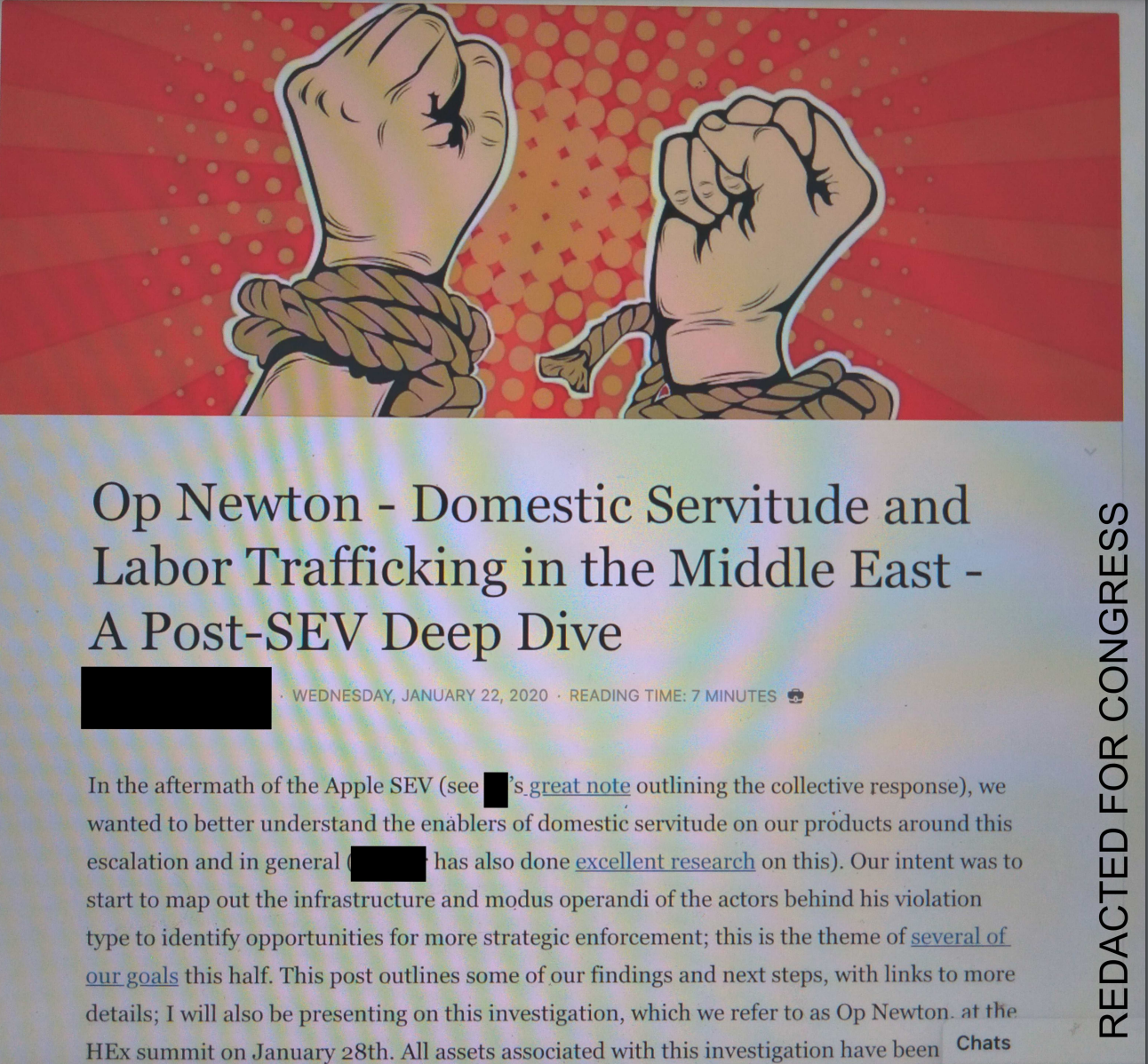
The Facebook Papers: Saudi and Egyptian companies involved in domestic worker trafficking network
Facebook platforms were being used by a Saudi recruitment agency to facilitate labor trafficking.
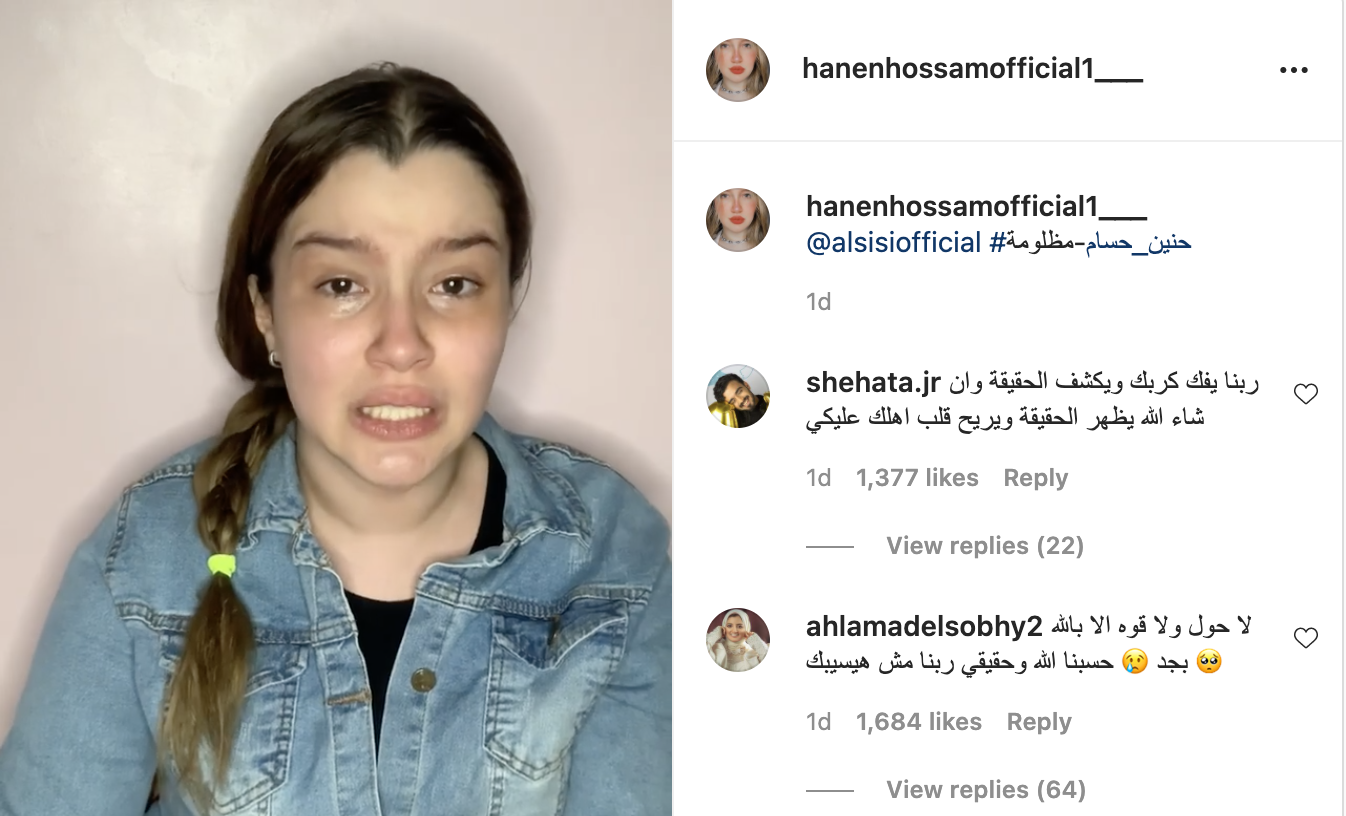
Haneen Hossam arrested after emotional video as rights groups condemn harsh prison sentences against content creators
The cases against Hossam and Adham came on the heels of a 2020 security campaign targeting women

2 TikTok creators to stand trial for human trafficking
Adham is currently in detention, while Hossam was released in February.
Your support is the only way to ensure independent, progressive journalism survives.
You have a right to access accurate information, be stimulated by innovative and nuanced reporting, and be moved by compelling storytelling. Subscribe now to become part of the growing community of members who help us maintain our editorial independence.
Join us