
Suez Canal official: Trump’s demand ‘thuggery’ but revenues would be minimally impacted by granting US ships free access
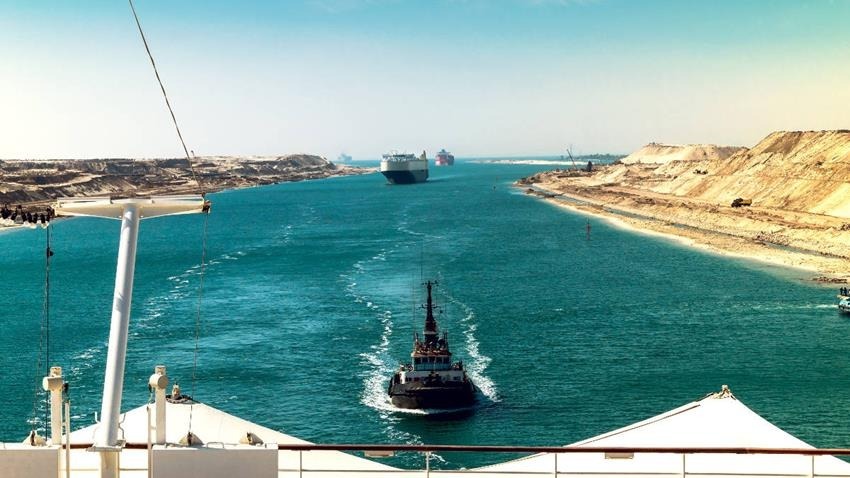
United States President Donald Trump said on Saturday that American commercial and military vessels should be allowed to pass through the Suez and the Panama canals free of charge, adding that he had given his secretary of state the green light to pursue the matter.
Trump’s comments marked the latest in a set of radical aspirations he has voiced as he seeks to reassert the US’s place in the global economy through a series of policy shifts.
While officials and an expert who spoke to Mada Masr were critical of the demand, they were deflationary about the potential impact of such exemptions.
Fees levied on vessels passing through the Suez, which links the Red Sea and the Mediterranean, form a key component of Egypt’s budgetary resources.
Recently these inflows have dropped, with the central bank recording a 24.3 percent decline in the canal’s transit receipts in the previous fiscal year, as maritime traffic through the Suez was disrupted amid attacks conducted by the Houthis from Yemen which sought to deter Israel’s ongoing war on Palestinians.
But US-flagged vessels make up only a "minimal" share of Suez Canal traffic, consisting mainly of military ships such as aircraft carriers, former Suez Canal Authority board member Wael Kaddoura and Mohamed Ibrahim, the former dean of the College of International Transport and Logistic at the Arab Academy for Science, Technology and Maritime Transport, both told Mada Masr.
US-flagged vessels accounted for less than one percent of the world’s shipping fleet in 2023. By contrast, around half of global transport capacity is attributable to just three flag states — Liberia, Panama, and the Marshall Islands — where owners benefit from lower costs than those owned by the US. A significant portion of vessels registered in these countries are ultimately American-owned.
Egypt has also not received any formal request for an exemption from transit fees, MP Amira Saber, a member of the House of Representatives committee on foreign relations, said to Mada Masr.
Even if the government were inclined to offer Trump the exemptions, Kaddoura noted, Egypt couldn’t waive fees for the US alone. Cairo is bound by the 19th Century Constantinople Convention, a treaty in which a number of countries pledge to not interfere with the free use of the canal, “without distinction of flag” — meaning fees cannot be waived for one country without the same terms being offered to all.
The canal “shall always be free,” as per Article I of the convention, “in time of war as in time of peace.” The signatory powers also agreed not to seek "territorial or commercial advantages or privileges” in any future international arrangements, under Article XII.
According to Kaddoura, Egypt has reaffirmed its commitment to the convention’s terms on multiple exceptional historic occasions, including during President Gamal Abdel Nasser’s nationalization of the canal in 1956 and its reopening in 1975.
Both Kaddoura and Ibrahim described the American demand as “international thuggery.”
Trump’s pronouncement on Saturday came as the latest in a series of rhetorical blows the president has delivered to Egypt since he took office in January.
In the first weeks of his second term, Trump insisted repeatedly that Egypt should act as a host nation to Palestinians forcibly expelled from Egypt, a stance President Abdel Fattah al-Sisi has repeatedly publicly rejected. It was in this context that Trump threatened, too, to suspend US military aid to Egypt.
A senior US administration official has furthermore indicated that Trump is seeking economic concessions from Egypt and Europe in return for American military efforts to secure navigation through the Suez Canal — a strategy revealed in leaked text messages discussing a series of US airstrikes on Yemen which the US launched in March.
The US bid for cheaper shipping rights also comes as Trump seeks to create more favorable economic conditions for US industry, namely via the imposition of high reciprocal tariffs on countries which have a trade surplus with the US (of which Egypt is not one).
His remarks on shipping canal fees came weeks after the US Federal Maritime Commission launched an investigation into seven global maritime chokepoints, including the Suez Canal, aiming to identify “any regulations, policies or practices that create unfavorable shipping conditions.”
The canal represents the most advantageous route for ships transiting to or from southern Europe and North Africa, cutting voyage distances by roughly 35 percent compared to the alternative Cape of Good Hope route and reducing carbon emissions.
It accounts for about 12 percent of global trade, 30 percent of container traffic and nine percent of oil shipments, with an estimated annual trade value exceeding $1 trillion.
أخبار ذات صلة

How Iran may have found a new deterrence mechanism in its war with Israel
Over the course of two years of regional war, Al Jazeera’s Doha studio has been the epicenter of television coverage on the turbulent events that have touched nearly every country.…
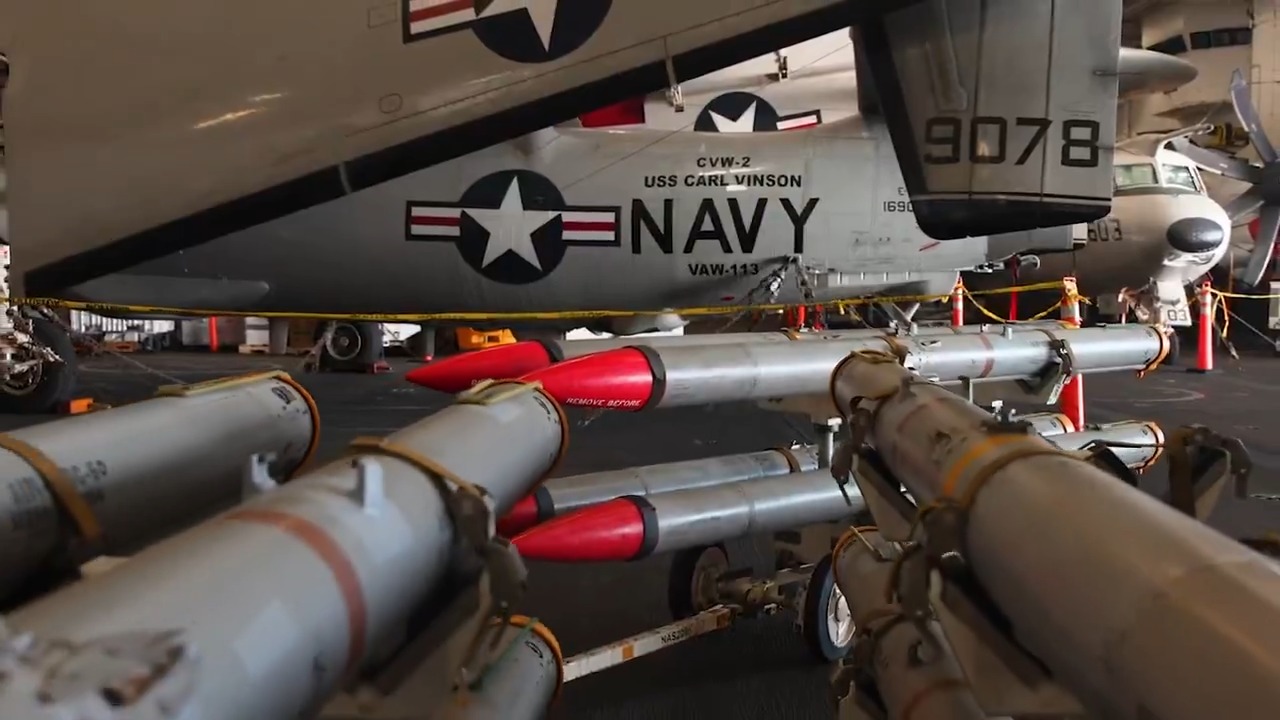
Proposed formulas for new US military Red Sea foothold not acceptable to Egypt
Since March 15, the US has carried out nearly daily strikes on targets in Yemen
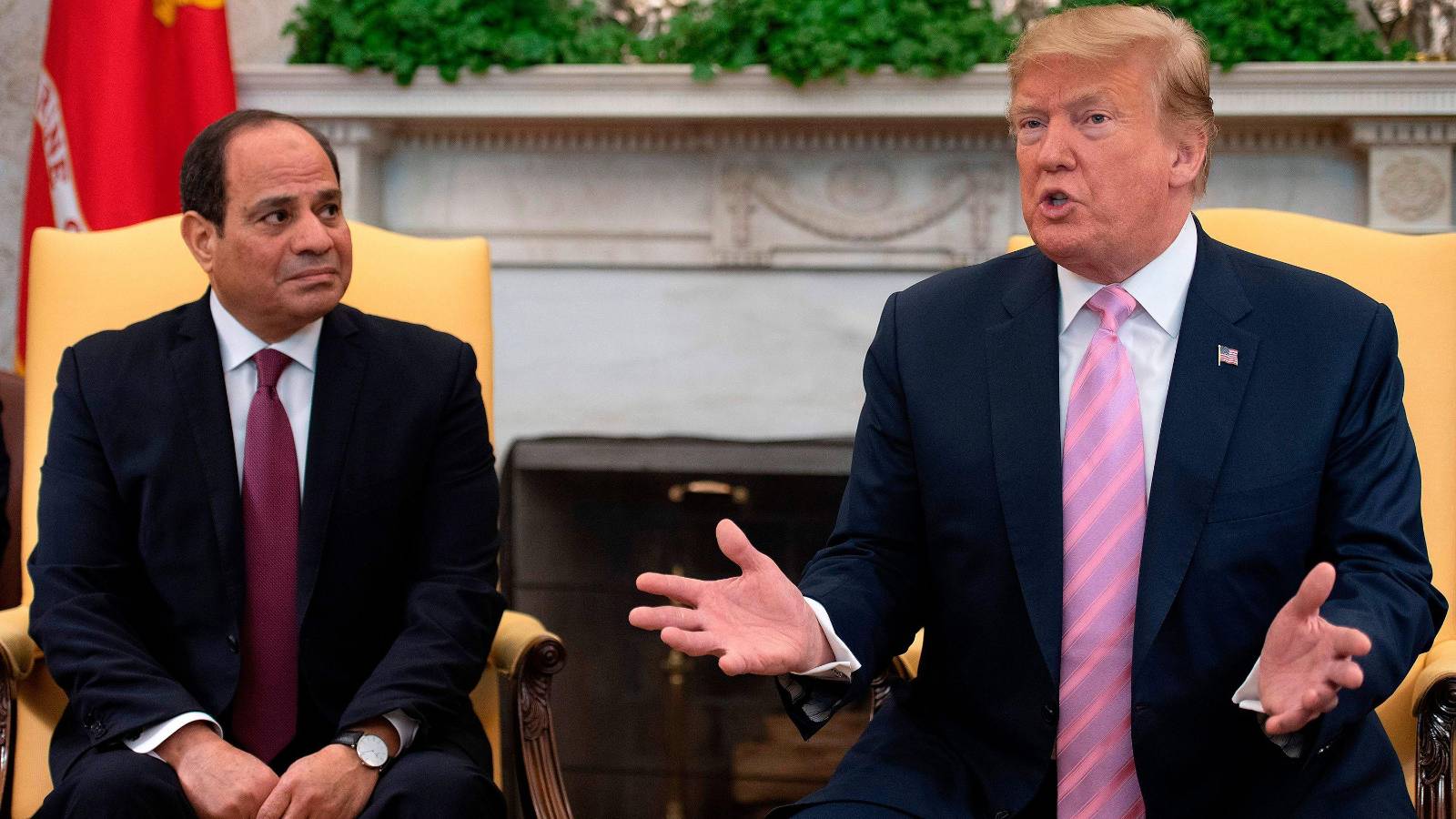
Leaked: US expects ‘return’ from Egypt after bombing Yemen to secure Suez shipping
The United States aims to extract compensation from Egypt in exchange for restoring Red Sea shipping
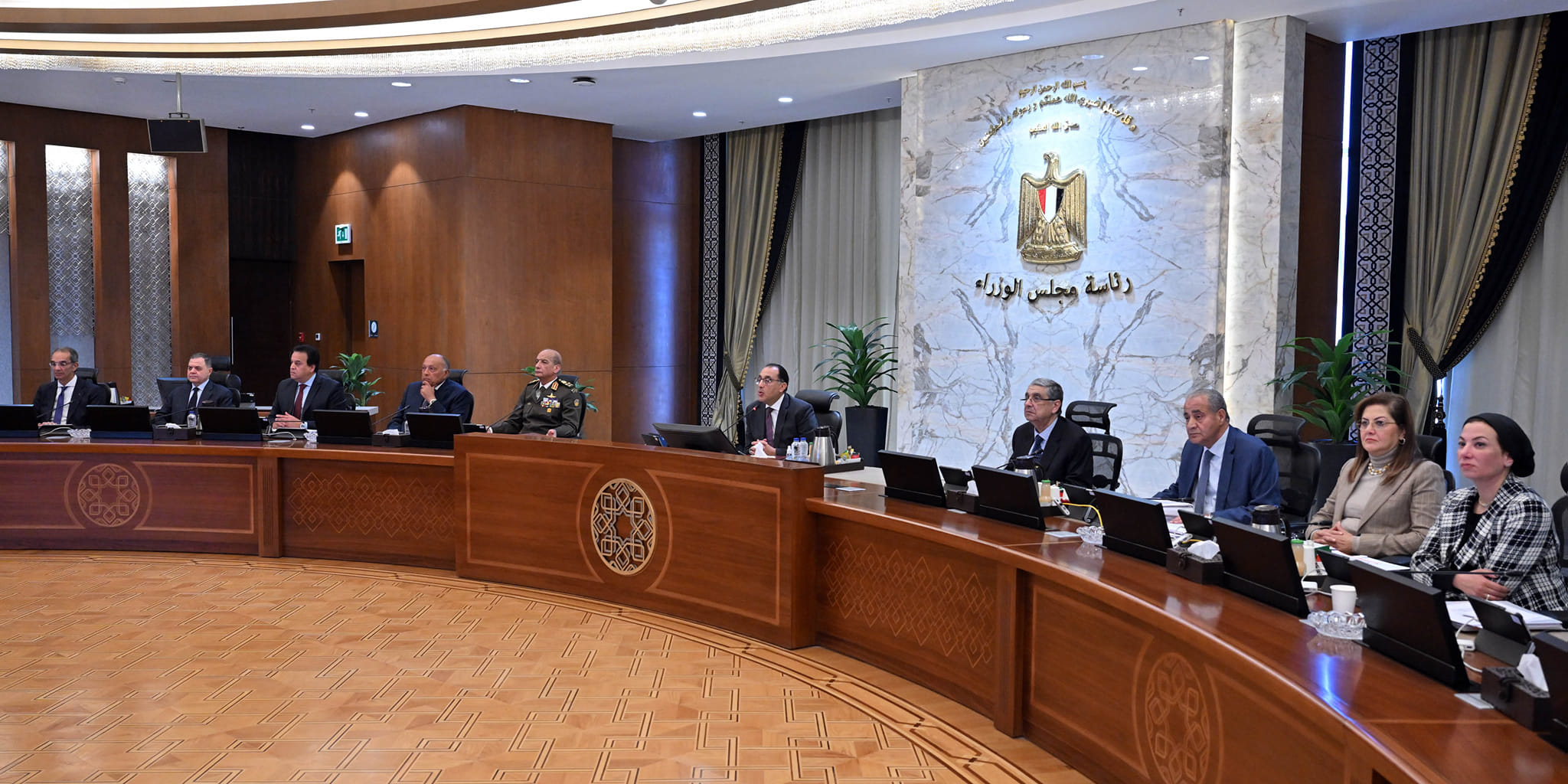
Ambitious dollar revenue growth targets dominate govt’s economic strategy for next 6 years
Govt-commissioned study suggests Egypt should raise US$300 bn in foreign currency revenues by 2030.
Your support is the only way to ensure independent, progressive journalism survives.
You have a right to access accurate information, be stimulated by innovative and nuanced reporting, and be moved by compelling storytelling. Subscribe now to become part of the growing community of members who help us maintain our editorial independence.
Join us